
 Edupreneur Editorial Team23 April 2025
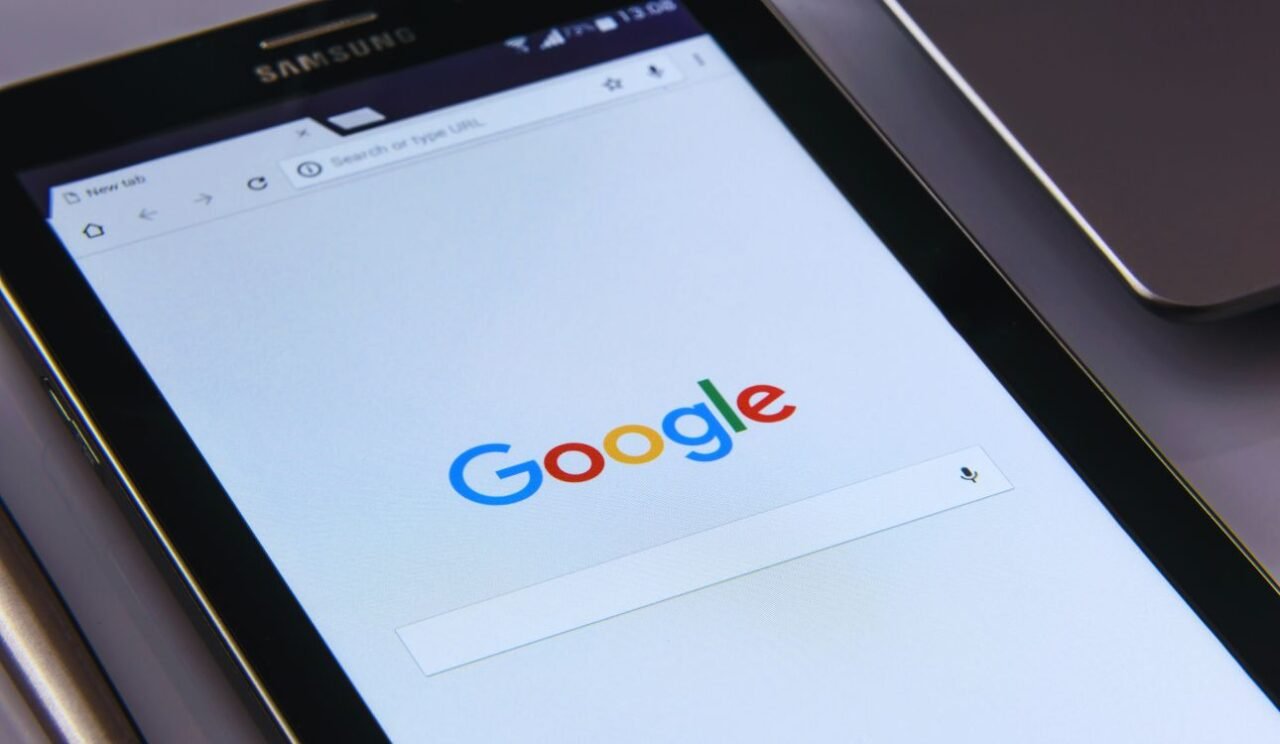
In a surprising twist, OpenAI (the creators of ChatGPT) has shown interest in acquiring Chrome, the world’s most popular web browser, if Google is ever forced to sell it. This development comes amid a high-stakes antitrust trial in the United States, where the Department of Justice is pushing for a breakup of Google’s powerful digital empire. One potential remedy? Forcing Google to let go of Chrome, which currently dominates with over 60% of the U.S. browser market. Why Does OpenAI Want Chrome? According to OpenAI’s Head of Product, Nick Turley, owning Chrome would be a game-changer. He believes it would allow OpenAI to deliver a more integrated experience by embedding tools like ChatGPT directly into the browser and reduce its reliance on tech giants like Google for user access. A New Chapter for Browsing? While it’s still uncertain whether a judge will actually order Google to sell Chrome, the possibility alone is shaking up the tech world. If Chrome is put up for grabs, OpenAI could become a major new player in the browser space and potentially transform how we search, browse, and interact online. What This Means for Big Tech This move is part of a wider push by U.S. regulators to dismantle monopolies in the tech industry. Alongside the case against Google, the Federal Trade Commission is also going after Meta, seeking to break up its ownership of Instagram and WhatsApp. One thing’s clear: the digital power game is shifting and OpenAI is ready to make a bold move if the door opens.
 Ifunanya Okafor