Tag: Pharmaceuticals

pharma-1280x744.png

2min9940
The Trump administration has launched investigations into U.S. imports of pharmaceuticals and semiconductors, signaling the potential for new tariffs on both sectors. Citing national security concerns, the administration argues that the U.S. has become overly reliant on foreign suppliers for essential goods like medicines and semiconductor chips. These investigations, initiated under Section 232 of the Trade Expansion Act, aim to assess whether the heavy dependence on foreign production, particularly from countries like Taiwan, South Korea, India, and China, poses a threat to U.S. security. If the probes result in a positive finding, tariffs ranging from 10% to 25% could be imposed on these critical imports. The U.S. Department of Commerce will now evaluate the potential risks of this dependency, including the impact on national defense and the economy. Public comments on the investigations will be accepted for 21 days, with the probes expected to conclude within 270 days. While some industry groups, especially in the pharmaceutical sector, have expressed concerns that such tariffs could lead to shortages and higher prices, the Trump administration remains focused on strengthening domestic manufacturing and reducing foreign dependence.

Ifunanya Okafor28 February 2025
13-2-1280x744.jpg

2min5220
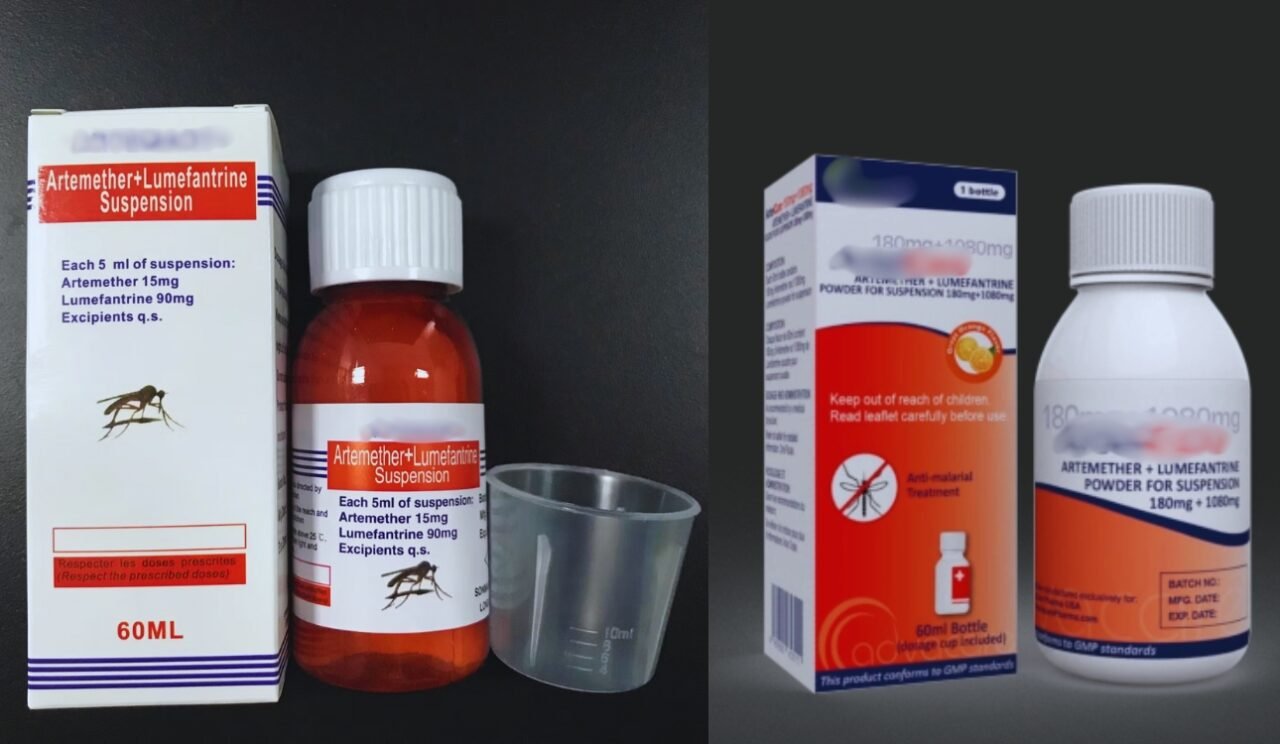
The National Agency for Food and Drug Administration and Control (NAFDAC) has officially discontinued the registration of the multi-dose anti-malarial dry powder for oral suspension containing Artemether/Lumefantrine. The decision comes after stability studies revealed that the reconstituted formulation becomes unstable over time, leading to a significant loss of efficacy and posing serious risks to patients. The discontinuation affects all brands of the product, both locally manufactured and imported. NAFDAC has announced that it will no longer accept new registration applications, renewals, or variations for these products. Authorities have urged importers, distributors, retailers, healthcare professionals, and caregivers to immediately cease the importation, distribution, sale, and use of the affected formulations. Health experts warn that the instability of these products could lead to treatment failures, increased morbidity, and even contribute to the development of antimalarial drug resistance. The potential consequences of such treatment failures include prolonged hospital stays, higher treatment costs, and, in severe cases, an increased risk of mortality. This decisive move by NAFDAC reinforces its commitment to ensuring that only safe, high-quality, and effective medications are available to the Nigerian public. The agency has also called on healthcare professionals and consumers to report any instances of sale or adverse reactions associated with these products to help prevent further health risks. By taking this proactive step, NAFDAC aims to protect public health and uphold stringent pharmaceutical standards across the nation.

Ifunanya Okafor26 February 2025
7-2-1280x744.jpg

1min4280
AstraZeneca’s experimental treatment, camizestrant, has shown significant promise in improving survival for patients with advanced hormone receptor-positive, HER2-negative breast cancer, according to interim results from a late-stage clinical trial. The SERENA-6 trial tested camizestrant in combination with a standard-of-care therapy that suppresses tumor growth proteins. The study found that the drug improved progression-free survival, meaning it helped patients live longer without their disease worsening when used as a first-line treatment. “These findings mark an important step forward in our mission to provide more effective treatment options for patients battling advanced breast cancer,” AstraZeneca stated. Earlier trials had already highlighted camizestrant’s effectiveness, particularly in patients with ESR1 mutations, a genetic alteration known to make breast cancer resistant to traditional hormone therapies. The drug works by degrading estrogen receptors, preventing the hormone from fueling cancer growth. The promising results suggest that camizestrant could become a new standard of care for breast cancer patients, particularly those whose tumors have stopped responding to existing treatments. AstraZeneca plans to continue further studies to confirm the long-term benefits of the drug.