
Tag: Trade wars

Untitled-design-1280x744.jpg

2min10420
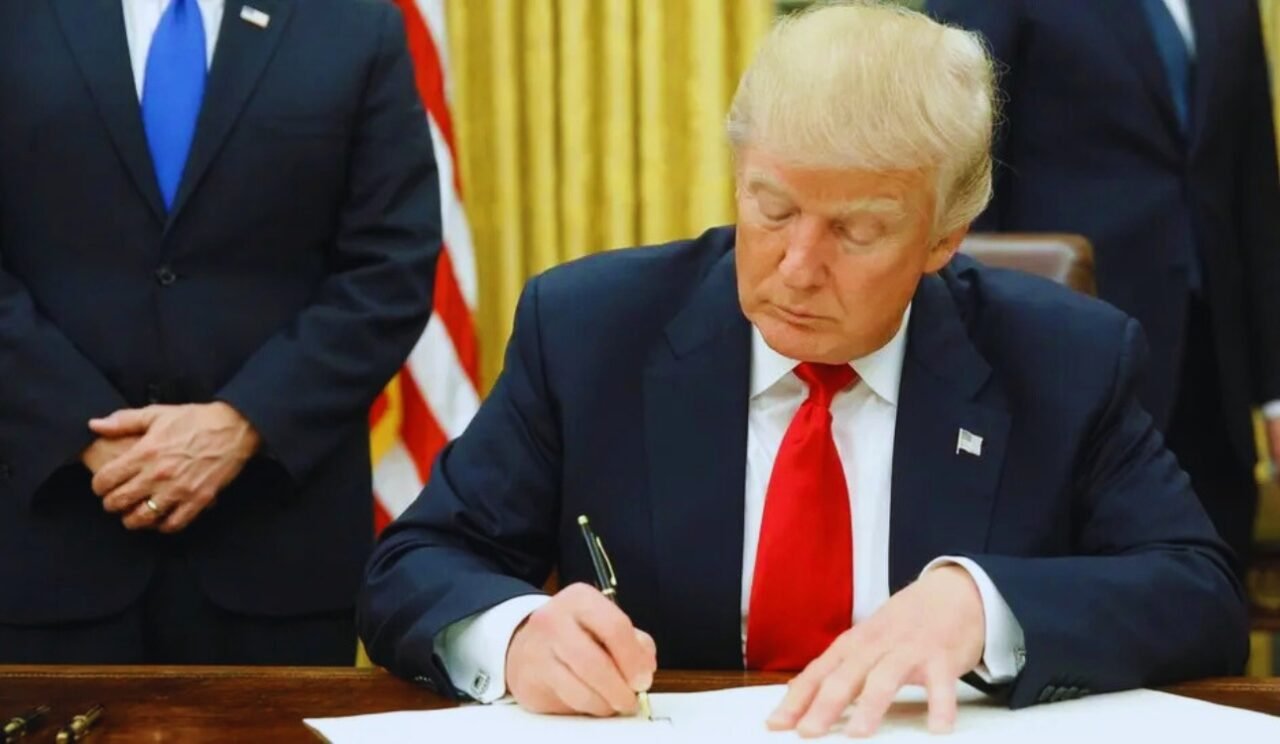
President Donald Trump has announced a sweeping 25% tariff on all imported vehicles and auto parts, a measure aimed at bolstering domestic manufacturing that is set to take effect on April 2, 2025. The administration asserts that the new tariff policy will help reduce the trade imbalance and is projected to generate approximately $100 billion in annual tax revenues. The tariff will cover a broad spectrum of automobiles, including passenger cars, SUVs, minivans, light trucks, and key auto components such as engines, transmissions, and electrical systems. Industry analysts warn that the additional cost could add up to $10,000 to the price of a new vehicle, potentially dampening consumer demand in an already challenging economic climate. The decision has sparked strong criticism and threats of retaliation from several U.S. allies. Canadian Prime Minister Mark Carney denounced the tariff as a “direct attack” on Canadian autoworkers, while European leaders expressed concerns that the measure could ignite further retaliatory actions, deepening global trade frictions. Major American automakers, including General Motors and Ford, saw declines in their stock prices following the announcement, reflecting investor anxiety over the potential impact on the auto industry. Critics argue that while the tariffs are intended to protect U.S. jobs and industry, they risk provoking a broader trade war that could harm both the U.S. economy and its international relations. As the implementation date nears, market stakeholders and global trade partners are closely monitoring the situation, anticipating further negotiations and countermeasures that could shape the future of international automotive trade.

Ifunanya Okafor4 March 2025
10-1280x744.jpg

3min5320
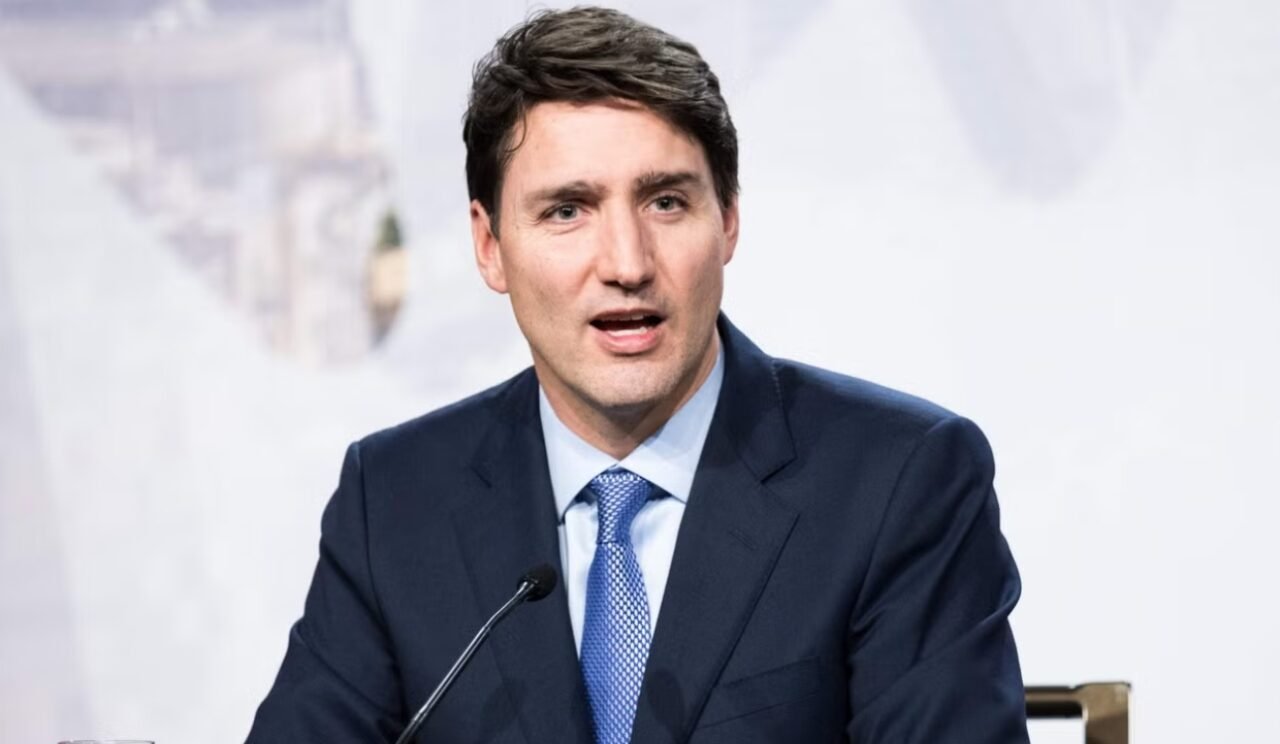
In a dramatic escalation of the ongoing trade dispute, Canada has announced that it will impose 25% tariffs on C$155 billion (approximately $107 billion USD) worth of U.S. goods starting today should President Donald Trump’s administration follow through with its proposed tariffs on Canadian products. Prime Minister Justin Trudeau declared that the move is designed to protect Canadian industries from what he described as “unjustified” U.S. trade measures. reuters.com Under the new scheme, tariffs on C$30 billion in U.S. products will be implemented immediately. An additional C$125 billion in goods will face the same 25% tariff following a 21-day consultation period with industry stakeholders and provincial governments. The range of targeted products is extensive, covering items from orange juice, peanut butter, wine, and spirits to consumer appliances, apparel, and paper products. Trudeau’s announcement comes as a direct response to the U.S. tariffs, which also affect Mexico, and are justified by the Trump administration on grounds including illegal immigration and drug trafficking. “These tariffs are not based on sound economic policy but are instead driven by political motives,” Trudeau said. “Canada will stand up for its industries and workers.”  Economic analysts have warned that the tit-for-tat tariff imposition could lead to significant market disruptions on both sides of the border. Already, investor sentiment appears cautious as key market indices have reacted negatively to the news. Experts predict that the heightened trade tensions may result in slower GDP growth, potential job losses, and higher consumer prices. The Canadian government has made it clear that these countermeasures will remain in force until the U.S. reconsiders its stance and reverses the tariffs on Canadian goods. With both nations now locked in a trade standoff, the coming weeks are expected to be critical as negotiators work to resolve the escalating conflict while businesses brace for potential economic fallout.