

 Lifestyle & Wellness Desk
Tinubu’s Scorecard Under Northern Scrutiny Amid Renewed Zoning Tensions
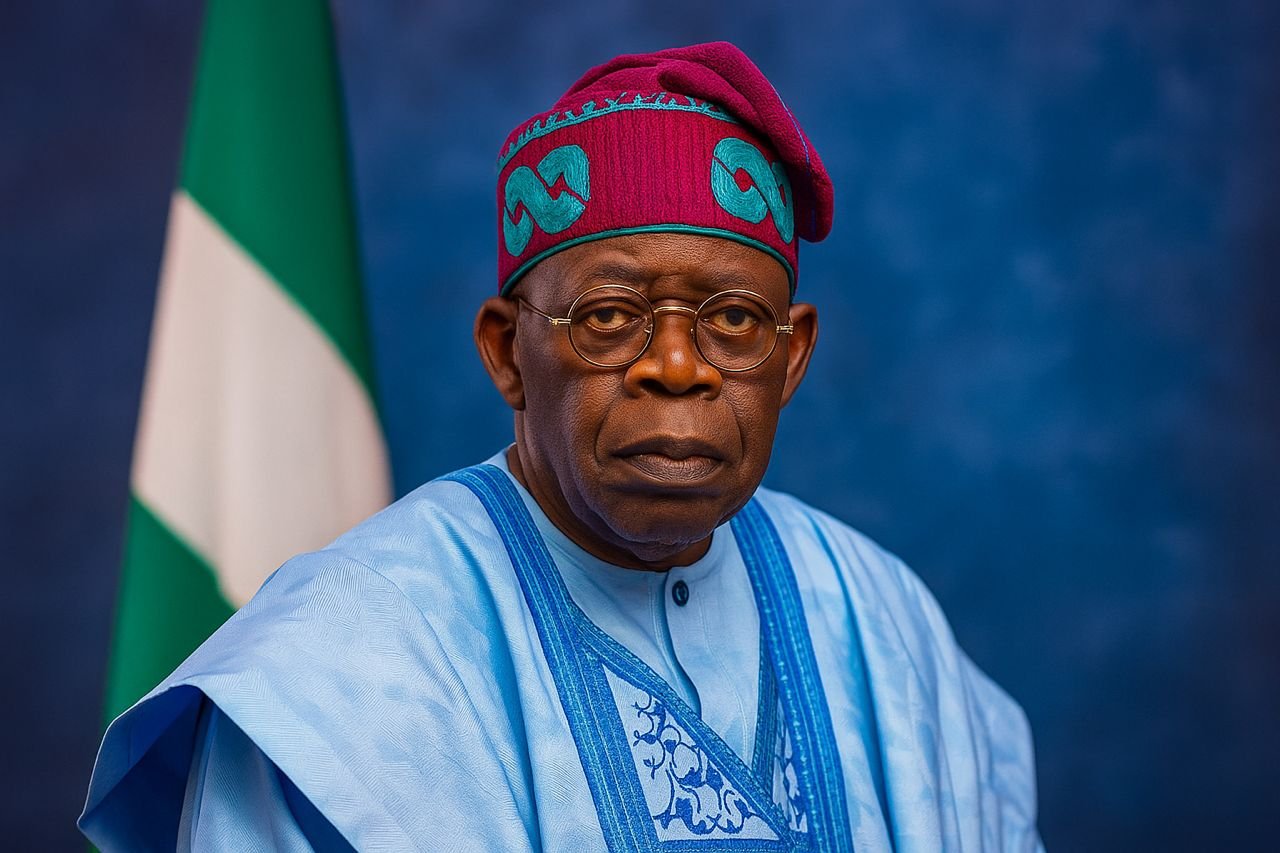
The debate over Nigeria’s power rotation resurfaced on Tuesday as political leaders, traditional rulers, technocrats, and civil society representatives from across the North gathered in Kaduna to assess President Bola Tinubu’s administration at the midpoint of his tenure.
The event, hosted at Arewa House and organised by the Sir Ahmadu Bello Memorial Foundation, was themed “Assessing Electoral Promises: Fostering Government-Citizen Engagement for National Unity.” It attracted prominent figures from the 19 northern states and the Federal Capital Territory.
Speaking on behalf of the President, Secretary to the Government of the Federation, George Akume, emphasized that the principle of power rotation, a political understanding since Nigeria’s return to democracy in 1999 requires that the presidency remain in the South until 2031. Akume urged northern politicians to exercise patience and uphold the spirit of national unity, noting that northern leaders had supported southern leadership in the past for stability.
Regional Responses: Calls for Patience and Equity
The Middle Belt Forum endorsed Akume’s position, asserting that while the rotation agreement is not constitutionally binding, it remains critical to national cohesion. The group’s leader, Bitrus Pogu, stressed that equitable power sharing is essential in a diverse federation like Nigeria. However, he lamented the country’s continued struggle with ethnic and regional loyalty, which he described as a legacy of colonial division.
Afenifere, a Yoruba socio-political group, also backed Akume, calling his message a timely reminder to political actors. The group applauded his defense of the administration’s development projects and governance reforms, while encouraging all regions to assess government performance through tangible results rather than emotion.
Opposition Parties React: Disagreement Over Rotation Principle
The Labour Party and New Nigeria People’s Party pushed back against the idea of restricting presidential ambition based on zoning. NNPP spokesman Ladipo Johnson questioned the logic of enforcing zoning when religious balancing once a political norm was disregarded in the 2023 elections. He argued that no region should be barred from contesting in 2027.
Similarly, Labour Party leadership maintained that competence should outweigh zoning considerations. They emphasized the need to focus on candidates’ capacity to lead, not their region of origin, pointing to issues like security, the economy, and national development as priorities.
Former Secretary to the Government of the Federation, Babachir Lawal, was more critical. He dismissed Akume’s call as hypocritical, referencing the Muslim-Muslim ticket adopted by the ruling party in the last election. Lawal said there was no binding rule on rotation and that the North had the right to contest in 2027 if it chose to.
Parties Prepare for 2027
While internal debates continue, some parties are already aligning their strategies. The All Progressives Grand Alliance declared its intention to support a southern candidate in 2027, citing the need for balance and fairness. However, the party rejected any alliance with other opposition blocs, labelling them self-serving.
The Peoples Democratic Party, meanwhile, maintained that the ultimate decision rests with voters. The party accused the current administration of failure and said Nigerians would decide their fate at the ballot box.
Kwankwaso’s Remarks Spark Backlash
Former Kano State governor Rabiu Kwankwaso faced criticism for alleging that the current administration was prioritizing development in the South at the expense of the North. In response, federal authorities released data showing significant infrastructure investment in northern states under the Tinubu administration.
A former APC spokesman, Yekini Nabena, accused Kwankwaso of attempting to incite regional tension to bolster political relevance. He said the North had held power for eight years under the previous administration and that fairness required allowing the South to complete an equivalent term.
Nabena dismissed attempts to reignite ethnic and religious divisions, stating that voters were now more politically aware and less susceptible to manipulation. He emphasized that any candidate with national ambition should focus on unifying the country rather than deepening divides.

