

 Ifunanya Okafor
Trump Orders New Trade Probe Into Lumber Imports, Potential Tariffs on Canadian and Mexican Goods Loom
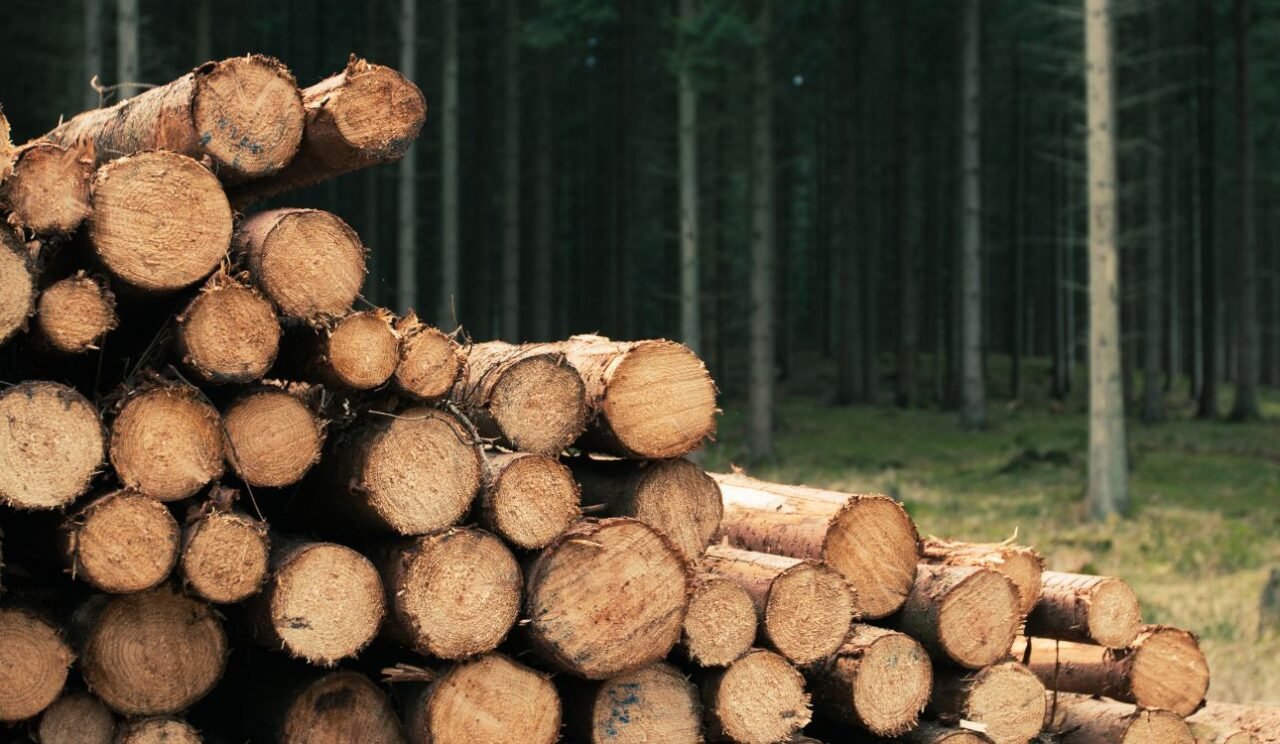
U.S. President Donald Trump has initiated a national security investigation into imported lumber, a move that could pave the way for additional tariffs on wood products entering the United States. The investigation comes on the heels of existing duties on Canadian softwood lumber and is set against the backdrop of impending 25% tariffs on all Canadian and Mexican goods scheduled to take effect next week.
The Commerce Department, acting under Section 232 of the Trade Expansion Act of 1962, will examine whether imported lumber, including derivative products such as furniture, undermines the nation’s economic prosperity and poses a threat to national security. The inquiry is expected to span approximately 270 days, during which U.S. officials will scrutinize the impact of foreign lumber on domestic markets.
In parallel with the probe, President Trump signed an executive order aimed at bolstering domestic lumber production. The order seeks to streamline the permitting process for harvesting timber on public lands and to enhance the salvage of fallen trees from forests and waterways. Administration officials say these steps are designed to increase the supply of American timber, potentially reducing construction costs by lessening reliance on imported wood.
White House trade adviser Peter Navarro has been vocal about the need for such measures, asserting that major exporters including Canada, Germany, and Brazil have been “dumping lumber into our markets” at the expense of U.S. workers and industries. This sentiment reflects long-standing tensions between the United States and Canada, with the latter already facing a 14.5% anti-dumping and anti-subsidy duty on its softwood lumber exports.
Critics warn that further tariffs could have significant economic repercussions. Representatives from the Canadian lumber industry and U.S. homebuilders have expressed concerns that heightened tariffs might lead to increased construction costs and exacerbate the nation’s ongoing housing affordability crisis. The National Association of Home Builders has noted that a substantial portion of the softwood lumber and gypsum used in U.S. construction comes from Canada and Mexico, potentially translating tariff increases into higher costs for new homes.
This latest move is the administration’s third tariff-related action in recent weeks, following similar probes into copper imports and digital services taxes imposed on U.S. technology companies. As the investigation unfolds, stakeholders from both sides of the border will be watching closely, with implications that could reshape North American trade dynamics in the lumber sector.
Sources: Reuters, AP, Financial Times, Investopedia

