

 Edupreneur Editorial Team
Trump Unveils 25% Tariff on Imported Vehicles, Escalating Global Trade Tensions
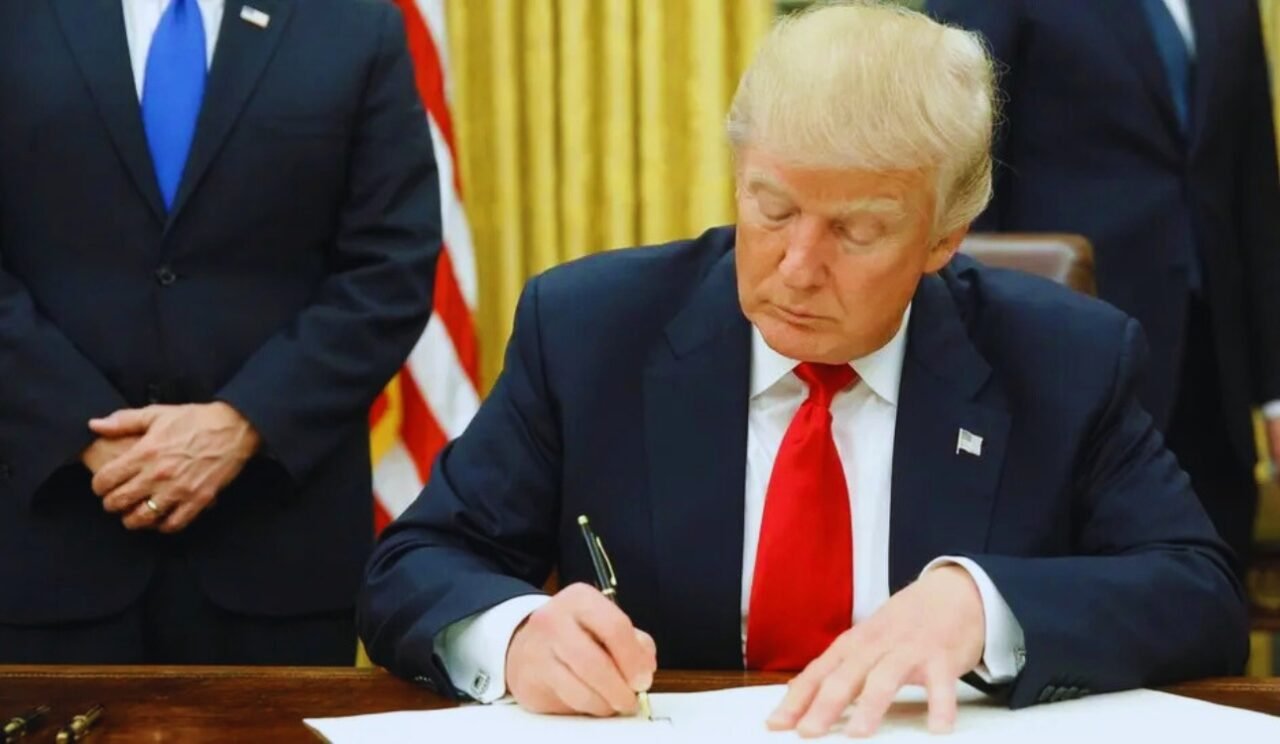
President Donald Trump has announced a sweeping 25% tariff on all imported vehicles and auto parts, a measure aimed at bolstering domestic manufacturing that is set to take effect on April 2, 2025. The administration asserts that the new tariff policy will help reduce the trade imbalance and is projected to generate approximately $100 billion in annual tax revenues.
The tariff will cover a broad spectrum of automobiles, including passenger cars, SUVs, minivans, light trucks, and key auto components such as engines, transmissions, and electrical systems. Industry analysts warn that the additional cost could add up to $10,000 to the price of a new vehicle, potentially dampening consumer demand in an already challenging economic climate.
The decision has sparked strong criticism and threats of retaliation from several U.S. allies. Canadian Prime Minister Mark Carney denounced the tariff as a “direct attack” on Canadian autoworkers, while European leaders expressed concerns that the measure could ignite further retaliatory actions, deepening global trade frictions.
Major American automakers, including General Motors and Ford, saw declines in their stock prices following the announcement, reflecting investor anxiety over the potential impact on the auto industry. Critics argue that while the tariffs are intended to protect U.S. jobs and industry, they risk provoking a broader trade war that could harm both the U.S. economy and its international relations.
As the implementation date nears, market stakeholders and global trade partners are closely monitoring the situation, anticipating further negotiations and countermeasures that could shape the future of international automotive trade.