

 Edupreneur Editorial Team
Helicobacter pylori: Unmasking a Hidden Threat to Nigeria and Africa’s Gut Health
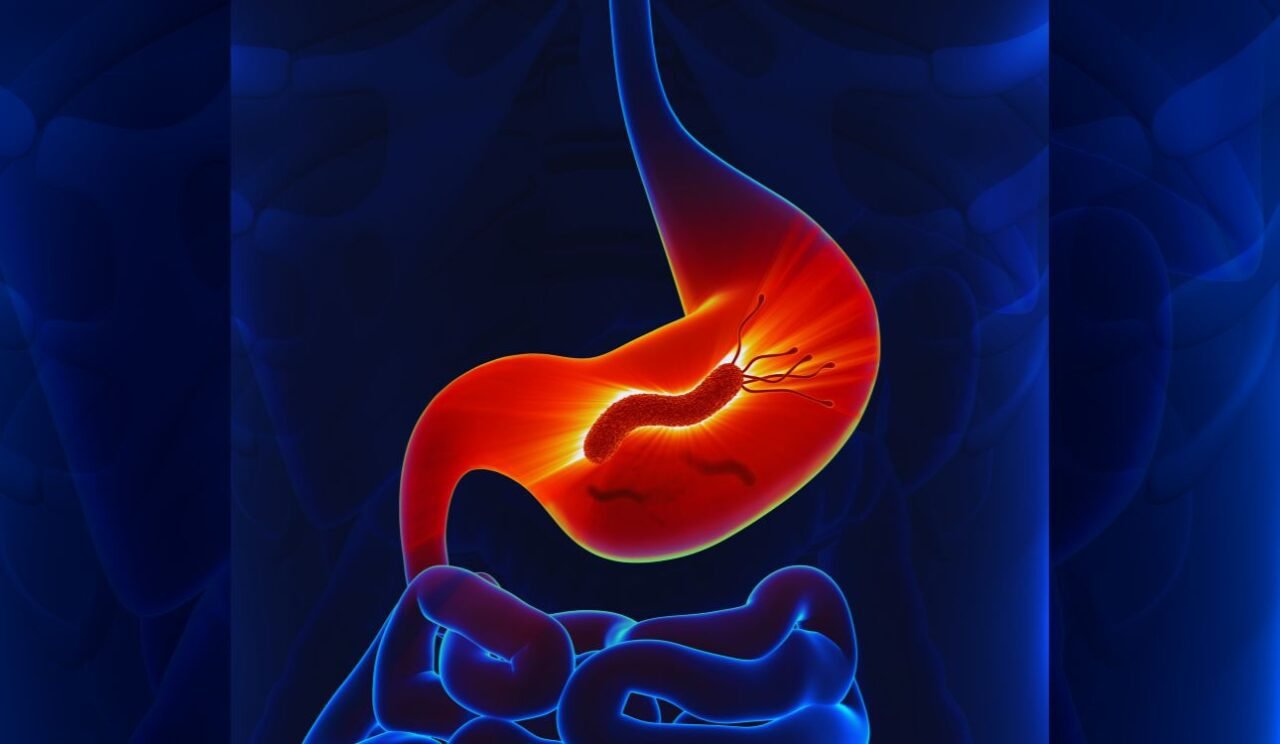
Stomach troubles are a common complaint in Nigeria and across Africa. Many attribute that persistent bloating, that gnawing abdominal pain, or even those troublesome ulcers to the usual suspects: stress, perhaps a bit too much pepper in the stew, or irregular eating habits. But what if there’s a more pervasive, often silent culprit at play? This article delves into the world of Helicobacter pylori (H. pylori), an ancient bacterium that is increasingly recognized as a significant factor in the gastrointestinal health landscape of Nigeria and the wider African continent. Understanding this “hidden culprit” is crucial for everyone, from parents caring for their young ones to teachers guiding students, from the cooks preparing our meals to the dedicated domestic staff who keep our homes running. Its rising relevance impacts our health and our way of life, making it a topic we can no longer afford to ignore.
What Exactly is Helicobacter pylori?

Imagine a tiny, spiral-shaped organism, so small it can only be seen with a microscope. This is Helicobacter pylori, a bacterium with a remarkable ability to thrive in one of the most inhospitable environments in our body: the stomach. Our stomachs are filled with strong acid, designed to break down food and kill harmful microbes. Yet, H. pylori has a unique adaptation that allows it to not only survive but also colonize this acidic niche. Classified as a gram-negative bacterium, it infects over half of the world’s population, with alarmingly high rates reported in developing regions, particularly in Africa.
Studies indicate that in developing countries, the prevalence of this infection can range from a staggering 70 to 90%, a stark contrast to the 20 to 50% seen in more developed nations. In Africa, infection rates can soar as high as 80%, and often, this unwelcome guest takes up residence in our stomachs during childhood. While many individuals carrying H. pylori remain blissfully unaware of its presence, experiencing no symptoms whatsoever, this seemingly harmless colonization can trigger chronic inflammation in the stomach lining. Over time, this persistent inflammation can pave the way for more serious health issues, including the development of peptic ulcer disease and, in some cases, even gastric cancer.
The stark difference in prevalence between developed and developing countries strongly suggests that socioeconomic factors and environmental conditions play a pivotal role in the spread and persistence of H. pylori. Developed nations typically benefit from advanced sanitation and hygiene practices, which likely contribute to their lower infection rates. This comparison underscores the urgent need to address these fundamental factors in regions like Nigeria. Furthermore, the fact that so many individuals harbor the infection without showing any signs means a significant portion of the population might be living with a potential long-term health risk, unknowingly. This highlights the critical importance of increasing awareness and understanding the potential consequences of leaving this infection untreated.
More Than Just a Stomach Ache: Recognizing the Risks

While H. pylori often lurks silently in the stomach, causing no immediate discomfort for many, it’s important to understand that its presence is not always benign. A significant number of individuals infected with H. pylori may not experience any noticeable symptoms, allowing the infection to persist for years without detection. However, when symptoms do manifest, they can range from mild to severe and can significantly impact an individual’s quality of life. These symptoms can include:
- Chronic Gastritis: This refers to a persistent inflammation of the stomach lining, which can lead to a feeling of discomfort or irritation in the upper abdomen.
- Dyspepsia: Characterized by unexplained and recurring upper abdominal pain, often accompanied by nausea or a feeling of bloating. This can significantly interfere with daily activities and overall well-being.
- Peptic Ulcers: These are painful sores that develop in the lining of the stomach or the duodenum, the first part of the small intestine. Peptic ulcers can cause intense abdominal pain, often described as a burning sensation, and can lead to serious complications if left untreated.
Beyond these more common symptoms, individuals with H. pylori infection might also experience a general ache or burning pain in the stomach, stomach pain that feels worse when the stomach is empty, loss of appetite, frequent burping, and unintentional weight loss . H. pylori infection has also been recognized as a cause of various gastrointestinal disorders, including gastritis, dyspepsia, and even gastric cancer , and is linked to digestive illnesses that manifest as indigestion.
The Diagnosis Dilemma

Several diagnostic methods are available for detecting H. pylori, but their availability and affordability vary significantly in Nigeria. The urea breath test (UBT) and stool antigen test are considered gold-standard non-invasive tests. While available in some centers, their utilization is often limited by their cost, which can be prohibitive for many individuals in Nigeria, and by resource limitations within healthcare facilities. The urea breath test, though highly accurate, is expensive and not easily accessible to a majority of the population in developing countries like Nigeria . Consequently, the H. pylori stool antigen test (HpSA) is often considered a more affordable and readily available alternative for both initial diagnosis and monitoring the effectiveness of treatment . Despite its reliability, few studies in Nigeria have utilized the urea breath test to determine the true prevalence of the infection . Stool antigen tests, on the other hand, have demonstrated high sensitivity and specificity and are becoming more widely available.
Strategies to Fight Back
While medical treatment plays a vital role in eradicating Helicobacter pylori infection, lifestyle adjustments and public health initiatives are equally crucial in preventing its spread and reducing its prevalence in Nigeria and Africa. Simple measures can have a significant impact on curbing the transmission of this bacterium.
Improved sanitation is paramount in reducing the spread of H. pylori . Ensuring access to clean and safe water sources for drinking and food preparation is essential, as contaminated water is a known route of transmission . Proper waste disposal systems are also necessary to prevent the contamination of water and food supplies .
Adopting and maintaining good hygiene practices is another key strategy. Regular and thorough handwashing with soap and water, especially after using the toilet and before handling or eating food, can significantly reduce the risk of transmission.
Raising public awareness about H. pylori infection is crucial for promoting early detection and encouraging appropriate treatment. Education campaigns can help communities understand how the infection spreads, recognize its potential symptoms, and appreciate the importance of seeking medical advice and completing the full course of treatment if diagnosed. Increasing awareness can also help dispel myths and misconceptions surrounding stomach ailments, leading to more informed health-seeking behaviors.
While not a direct way to prevent infection, maintaining a healthy diet that includes plenty of antioxidant-rich foods like fruits and vegetables may support overall gastric health ]. These foods may help to counteract the inflammatory effects of H. pylori and promote a healthier gut environment. While diet alone cannot eradicate the infection, it can play a supportive role in managing its impact on the stomach
Conclusion: Taking Control of Our Gut Health
Helicobacter pylori remains a significant public health concern in Nigeria and across Africa, silently affecting a large proportion of the population. The high prevalence rates, coupled with the increasing challenge of antibiotic resistance, present a serious threat to gastrointestinal health in the region. Addressing this issue requires a comprehensive and multi-faceted approach. Improved healthcare access, ensuring the availability of affordable and accurate diagnostic tools, and promoting the rational use of antibiotics are crucial medical components. However, equally important are the lifestyle and public health strategies that can empower communities to take control of their gut health. Better sanitation and hygiene practices, coupled with increased public awareness about the transmission and risks of H. pylori, can significantly curb its spread.

