

 admin
adminVisa-Free Travel Announced as Burkina Faso, Mali, and Niger Prepare to Leave Ecowas
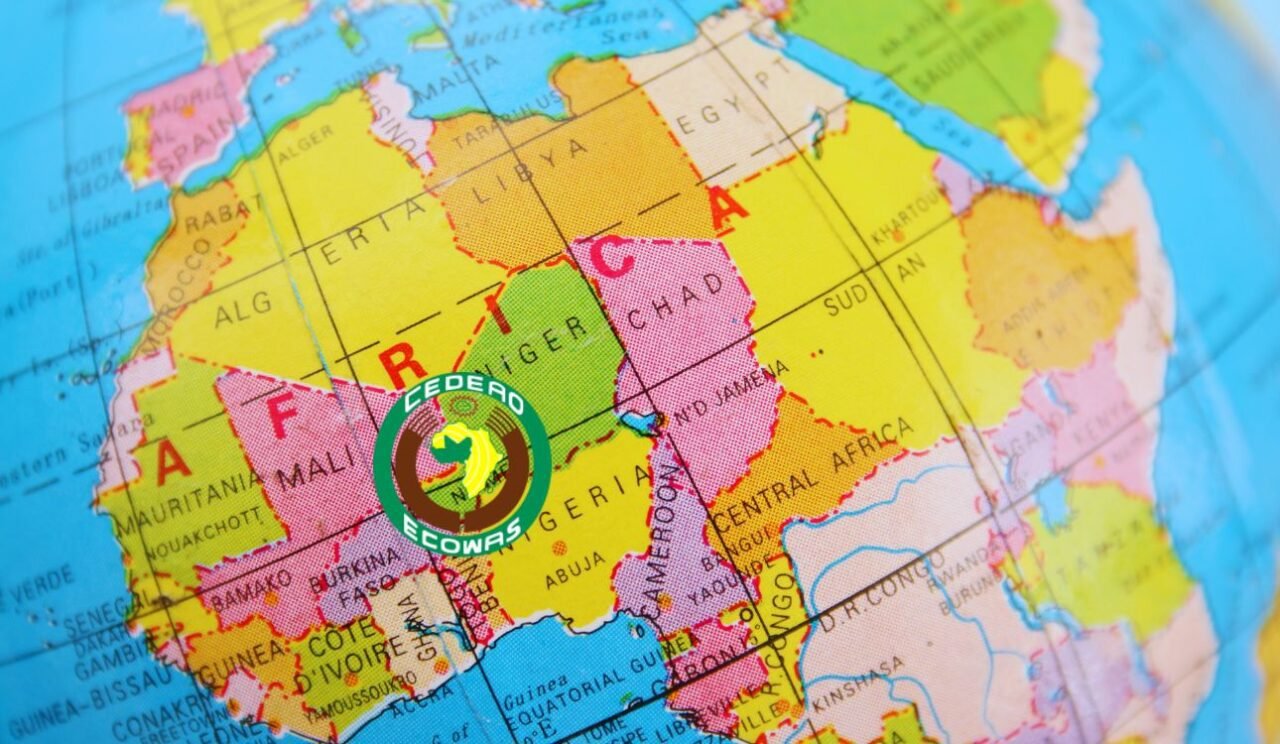
Three West African countries ruled by military juntas: Burkina Faso, Mali, and Niger, have announced visa-free travel and residency rights for citizens of the 15-member regional bloc, Ecowas, ahead of their planned withdrawal from the organization.
The leaders of the three nations stated that the decision was made “in the spirit of friendship” and aimed at strengthening the historic ties that have existed among African people for centuries. This move comes as Burkina Faso, Mali, and Niger prepare to formally exit Ecowas in January 2025, after refusing the bloc’s demands to restore democratic governance.
Ecowas Offers Grace Period for Reconsideration
During a summit in Nigeria on Sunday, Ecowas leaders acknowledged the trio’s decision to leave but extended a six-month grace period for them to reconsider. Negotiations, led by Senegal’s President Bassirou Diomaye Faye and Togo’s Faure Gnassingbé, will run from January 29 to July 29, 2025.
The Ecowas Commission, headquartered in Abuja, has been tasked with developing modalities for future relations between the two blocs during the transitional period. However, Ecowas has yet to decide if it will grant citizens of Burkina Faso, Mali, and Niger the same visa-free access and residency rights within the bloc.
New Alliance of Sahel States Emerges
The decision to allow visa-free travel and residency coincides with the formation of a new regional bloc known as the Alliance of Sahel States, led by Burkina Faso, Mali, and Niger. The new alliance’s chairman, Mali’s military ruler Assimi Goïta, emphasized that Ecowas citizens will retain their right to “enter, circulate, reside, establish, and leave” the territories of the Alliance of Sahel States. This move is seen as a gesture of goodwill, signaling that the departing countries still wish to maintain positive relations with Ecowas despite their exit.
Tense Relations and the Role of External Powers
Tensions between Ecowas and the three military-led states have been mounting since military coups occurred in Mali in 2020, Burkina Faso in 2022, and Niger in 2023. In response, Ecowas suspended the membership of all three nations, urging them to reinstate civilian rule. However, the juntas resisted, accusing Ecowas of being too closely aligned with Western powers.
Instead, the three nations have leaned towards strengthening ties with Russia, which they see as a strategic partner in combating jihadist insurgencies in the Sahel region. This shift in alliances has further strained their relationship with Ecowas.
Impact on Ecowas’ Unity and Resources
The impending withdrawal of Burkina Faso, Mali, and Niger marks the first split in Ecowas since its founding in 1975. Their departure would see the bloc lose 76 million of its 446 million people and more than half of its total geographical land area. Observers fear that this move could undermine regional unity and hinder efforts to boost economic and security cooperation across West Africa.
Ecowas Commission President Omar Touray described the development as “disheartening” but praised the ongoing mediation efforts. While Ecowas leaders are still hopeful for a resolution, the juntas have remained firm. After a ministerial-level meeting in Niamey, Niger’s capital, the three states declared in a joint statement that their decision to leave Ecowas was “irreversible.”
Looking Ahead
With the January 2025 exit date approaching, all eyes are on the outcome of negotiations led by Senegal and Togo’s presidents. The departure of Burkina Faso, Mali, and Niger from Ecowas raises questions about the future of regional integration and security cooperation in West Africa. As the transition period unfolds, both sides will have to navigate a complex web of diplomatic, economic, and security challenges.

