

 Lifestyle & Wellness Desk
Why We Passed Tinubu’s Tax Reform Bills – Senate President Akpabio
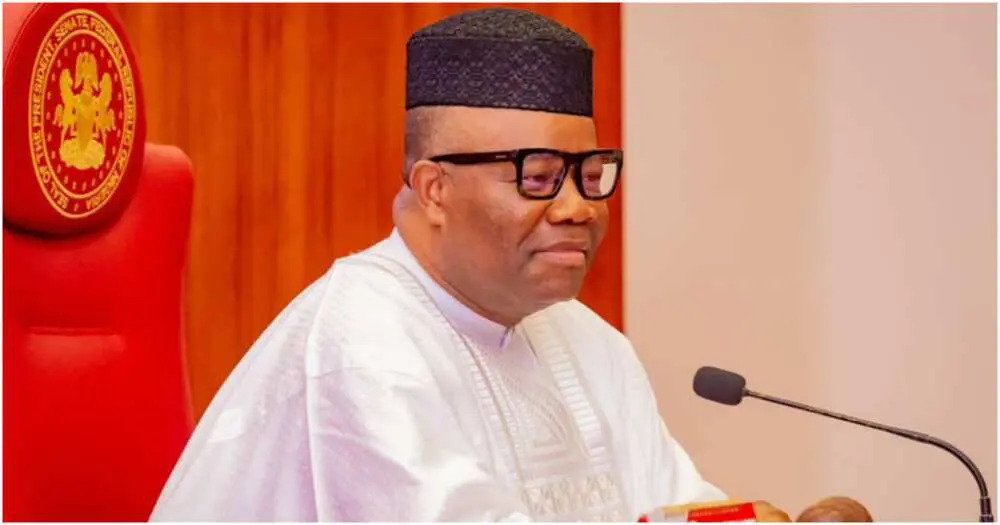
Senate President Godswill Akpabio has explained that the National Assembly’s approval of President Bola Tinubu’s tax reform bills was driven by a commitment to national development, despite strong regional and political opposition.
In a statement released by his media aide, Eseme Eyiboh, on Wednesday, Akpabio said the bills were passed after extensive negotiations, consultations with key stakeholders, and open deliberations aimed at strengthening Nigeria’s fiscal framework.
The legislative package includes the Joint Revenue Board (Establishment) Bill, Nigeria Revenue Service (Establishment) Bill, Nigeria Tax Administration Bill, and the Nigeria Tax Bill — all key components of President Tinubu’s broader economic reform plan under the Renewed Hope agenda.
First submitted in November 2024, the bills were adopted by the Senate last week following months of robust debate.
“These bills form the foundation of the president’s economic transformation efforts,” Akpabio stated. “Once signed into law, they will boost government revenue and modernize our tax system to ensure fairness and efficiency.”
Akpabio acknowledged that initial proposals, such as allowing tax-generating states to retain 60% of Value Added Tax (VAT) revenues, drew strong opposition — particularly from northern lawmakers concerned about potential economic disadvantages for their regions.
A compromise was later reached: the retention rate was reduced to 30%, and the term “derivation” was replaced with “place of consumption” to accommodate concerns and achieve consensus.
The bills also encountered resistance from some state governors and divisions within the National Assembly. However, Akpabio praised the collaborative spirit that eventually emerged.
He singled out House of Representatives Speaker Tajudeen Abbas for his efforts in rallying support, especially among younger legislators, and commended the state governors who eventually backed the revised proposals.
“The governors’ willingness to reconsider and support the changes helped ease regional tensions and secure broader support,” Akpabio noted.
He further emphasized that the legislative process was transparent and inclusive, involving public hearings and active stakeholder engagement.
The approved bills are now awaiting President Tinubu’s assent.
“With two years remaining in this administration, this achievement represents a major stride forward,” Akpabio said. “It’s important to acknowledge those who worked to make it happen.”

