

 Ifunanya Okafor
AIREC: Japan’s Humanoid Robot Poised to Revolutionize Elderly Care
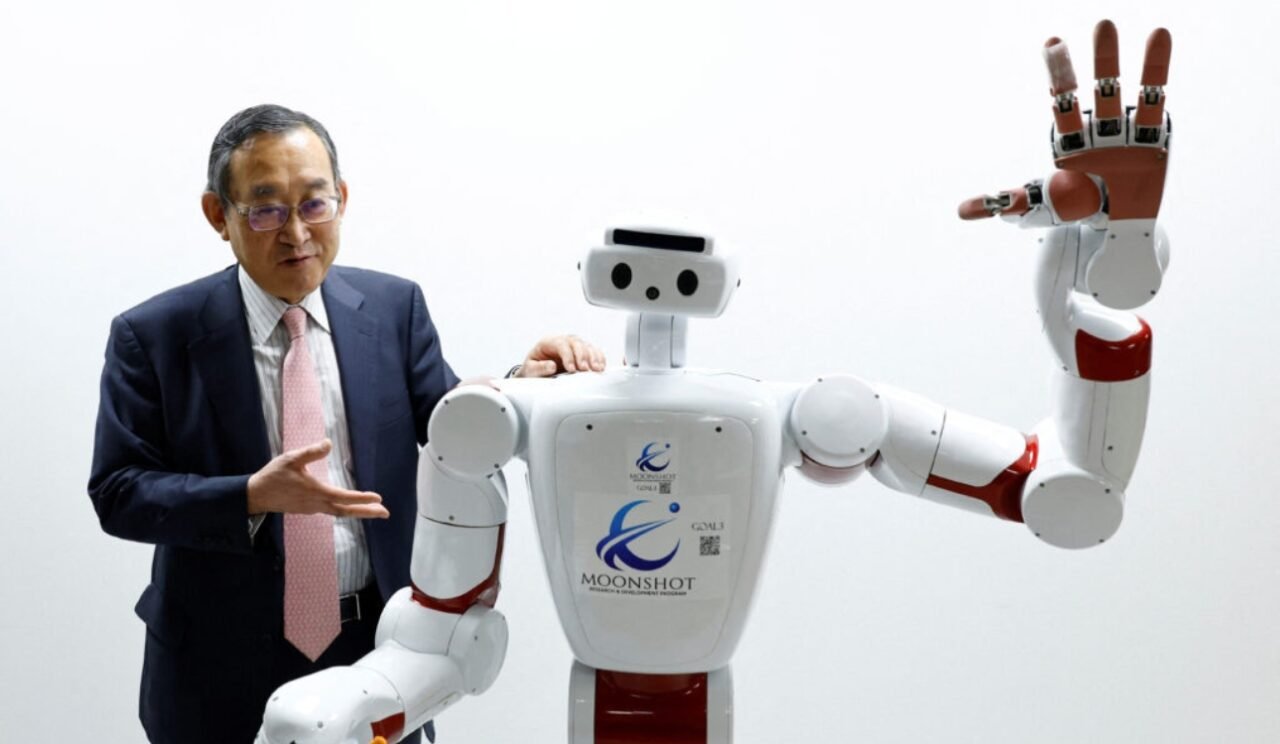
Researchers at Tokyo’s Waseda University have unveiled a prototype humanoid robot named AIREC, designed specifically to address Japan’s growing elderly care challenges. Weighing 150 kilograms, AIREC is engineered to perform crucial caregiving tasks such as repositioning patients to prevent bedsores and assisting with diaper changes, thereby potentially easing the strain on human caregivers.
Japan faces a dual challenge: a rapidly aging population coupled with a declining birth rate and restrictive immigration policies. These factors have led to a significant shortage of caregivers, prompting innovators like Professor Shigeki Sugano and his team to explore technological solutions. While AIREC’s capabilities offer a promising glimpse into the future of elder care, the robot is still in its prototype phase and isn’t expected to be fully operational in care facilities until around 2030. Its estimated initial cost is at least 10 million yen (approximately $67,000), underlining both the potential and the financial investment required for this technology.
Despite the high costs and developmental challenges, experts suggest that AI-equipped robots like AIREC could play a pivotal role in transforming elderly care. However, they stress that a collaborative approach where robots assist human caregivers rather than replace them entirely will be key to delivering comprehensive and compassionate care.
For a closer look at AIREC in action, watch this demonstration video:
Aging Japan turns to AI robots to care for older people
This development not only marks a significant step forward in robotics and AI integration within the healthcare sector but also highlights the broader trend of leveraging technology to meet societal challenges in aging populations.
Photo and video credit: Reuters

