

 Ifunanya Okafor
Beijing Accuses U.S. of ‘Tariff Pressure and Blackmail’ Amid New Tariff Announcement
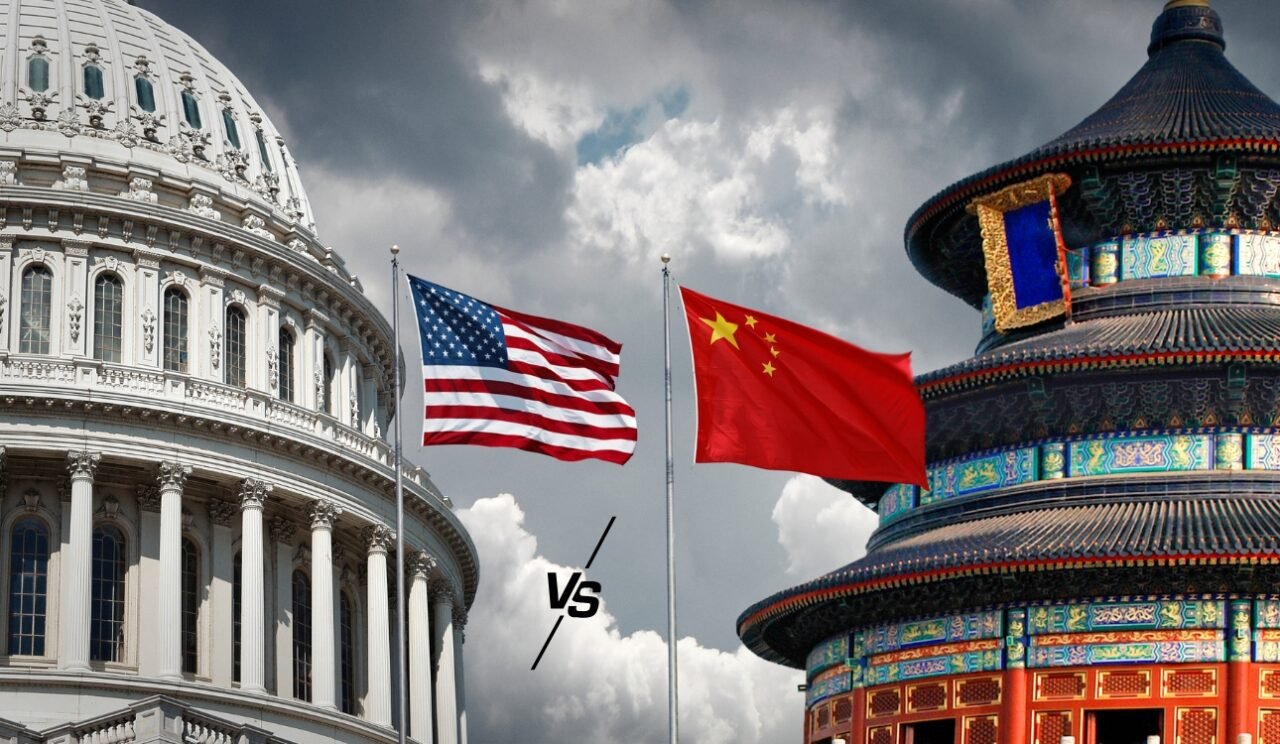
Beijing on Friday lashed out at Washington, accusing the United States of employing “tariff pressure and blackmail” following President Donald Trump’s decision to impose an additional 10% tariff on Chinese imports set to take effect next week. The U.S. administration has defended the move as a necessary step to combat the influx of fentanyl, holding China partly responsible for the opioid crisis.
In a pointed response, China’s Foreign Ministry spokesperson Lin Jian condemned Washington’s tactics, stating that the U.S. had “used the fentanyl issue to insist on tariff pressure and blackmail.” Lin warned that such measures severely undermine bilateral cooperation particularly in joint efforts to tackle drug control challenges.
The Chinese government has vowed to adopt “necessary countermeasures” to safeguard its national interests, although specific retaliatory actions have not been disclosed. This latest escalation comes at a time when trade tensions have already rattled global markets and cast uncertainty over the future of U.S.-China economic relations.
Financial markets in Europe and across the Asia-Pacific region have reacted sharply to the tariff announcement. Key indices, including Germany’s DAX, Hong Kong’s Hang Seng, and Japan’s Nikkei, experienced significant declines. In contrast, the UK’s FTSE 100 remained relatively stable, buoyed by positive earnings reports from companies like IAG and Rolls-Royce.
Analysts caution that such tit-for-tat measures may deepen the economic rift between the two nations, potentially disrupting global supply chains and undermining investor confidence. As both sides prepare for what could be a prolonged dispute, industry experts are calling for renewed dialogue to avert further economic fallout.

