

 Edupreneur Editorial Team
Nigeria’s Foreign Exchange Reserves Reach Three-Year High of $23.11 Billion
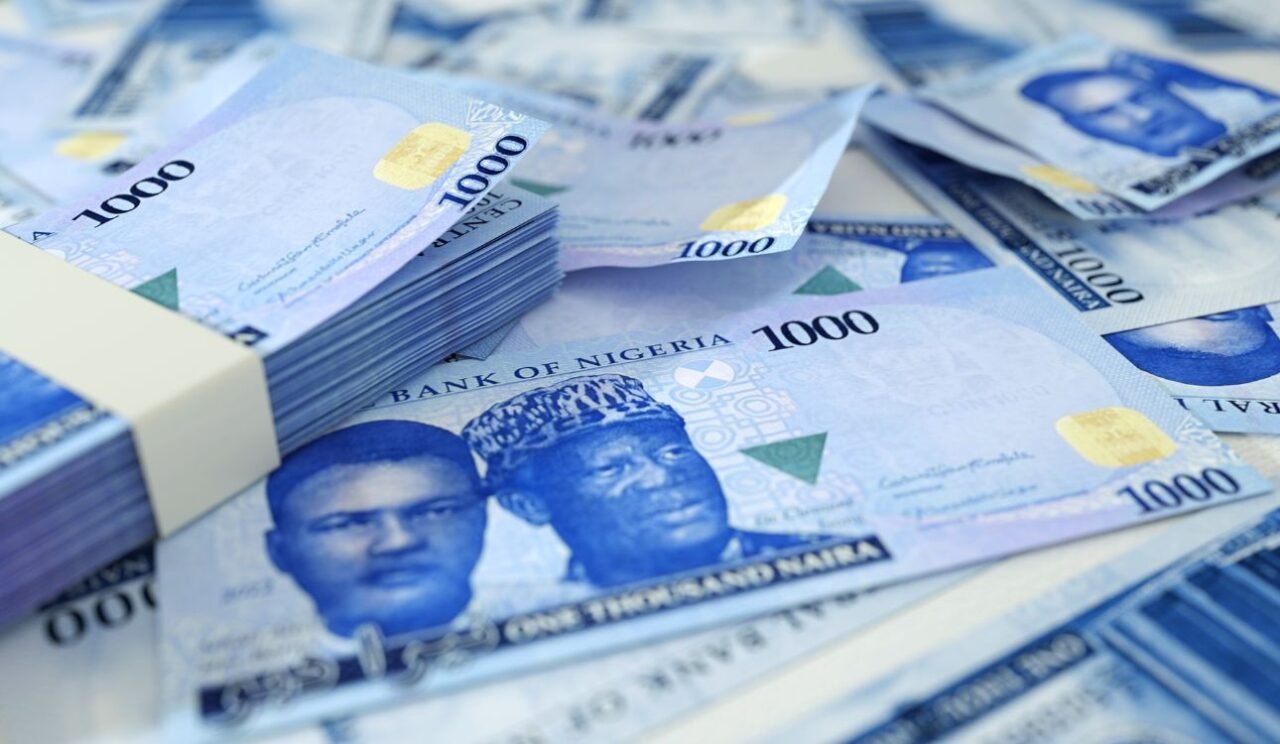
Nigeria’s net foreign exchange reserves have climbed to $23.11 billion at the end of 2024, marking the highest level in three years. The Central Bank of Nigeria (CBN) said this improvement shows a major boost in the country’s external financial position.
Net foreign exchange reserves are calculated by taking the country’s total foreign exchange reserves and subtracting short-term obligations, such as loans and contracts. This figure gives a clearer picture of the money Nigeria has available to meet its international financial commitments.
The new level of $23.11 billion is a significant rise compared to the previous years. For example, the reserves were $14.59 billion in 2021, $8.19 billion in 2022, and $3.99 billion at the end of 2023. This strong growth is the result of deliberate government policies aimed at increasing external liquidity and reducing short-term financial pressures.
In addition to the net reserves, Nigeria’s gross external reserves also increased, reaching $40.19 billion at the end of 2024, up from $33.22 billion in the previous year. Although the reserves dropped slightly in the first quarter of 2025 due to seasonal factors and interest payments on foreign debt, experts expect them to rise again in the second quarter, helped by increased oil production and a growth in non-oil exports.
CBN Governor Olayemi Cardoso explained that the rise in net reserves is the result of careful policy choices made to rebuild investor confidence and improve the nation’s economic stability. He said these improvements will help Nigeria better handle economic challenges and create a more secure financial future.
This significant increase in foreign exchange reserves is seen as a positive step for Nigeria’s economy, providing the country with a stronger buffer to face global economic uncertainties.

