

 Zara Lianne
WHO Faces Major Funding Crisis as US Withdrawal Threatens Global Health Response
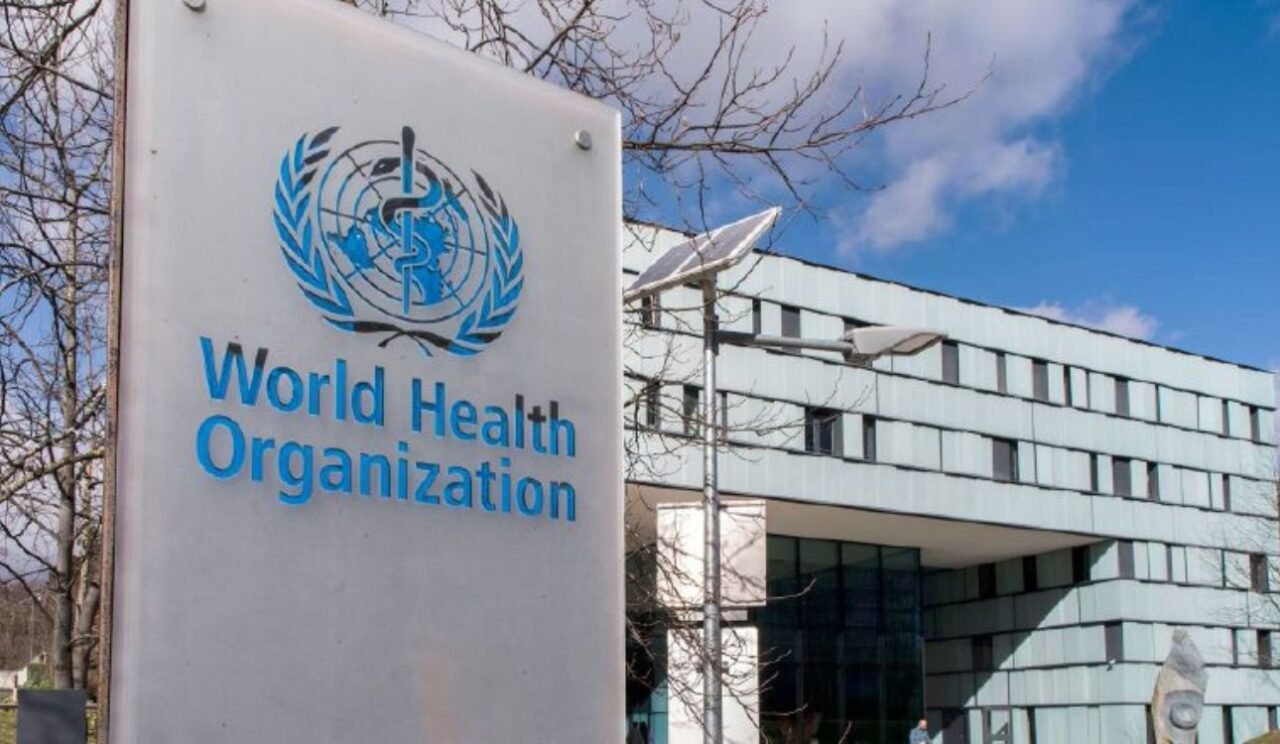
This week, officials, donors, and diplomats from around the world are gathering in Geneva for the annual World Health Assembly, but the mood is tense. The World Health Organization (WHO) is confronting a major financial crisis following the planned exit of its biggest funder, the United States.
A $600 Million Gap as US Backs Out
The U.S. government, under the Trump administration, began a formal process to withdraw from the WHO in January 2025, a move set to take full effect by early 2026. The exit would leave a massive $600 million hole in the WHO’s budget and could reduce overall funding by 21% over the next two years. With this looming deficit, the WHO is being forced to review its operations, possibly cutting back on certain programs and staffing levels, especially in wealthier countries.
Rising Concerns Over Ongoing Health Emergencies
The funding shortfall comes at a critical time. The WHO is currently responding to multiple public health emergencies, including rising cases of mpox (formerly known as monkeypox) and deadly cholera outbreaks.
-
Mpox Crisis: In Central Africa, a dangerous strain of mpox has been spreading rapidly, with over 29,000 suspected cases and more than 800 reported deaths in 2024 alone. The Democratic Republic of Congo is among the worst affected, and WHO officials warn that limited resources could hinder containment efforts.
-
Cholera Resurgence: Cholera cases have more than doubled in recent years, with over 700,000 reported globally in 2023. Many outbreaks are fueled by poor access to clean water, sanitation issues, and climate-related disasters.
China Set to Fill the Gap?
With the U.S. stepping back, China is expected to become the WHO’s largest contributor. Under a revised funding model, China’s share of the organization’s core budget could rise to 20%, signalling a shift in global health influence. However, some experts warn that over-reliance on a few nations could affect WHO’s neutrality and effectiveness.
Searching for New Funding Models
In response to the crisis, the WHO is urging other member countries and private partners to step up their contributions. The organization says it remains committed to leading the global fight against infectious diseases, ensuring vaccine access, and supporting health systems — but warns that consistent, reliable funding is essential.
What’s at Stake?
The decisions made in Geneva this week could determine the WHO’s ability to manage current outbreaks and prepare for future global health threats. The world is watching, and so are the communities most vulnerable to disease and disaster.

