

 Zara Lianne
Call for Extra Breast Scans for Women with Dense Tissue in UK
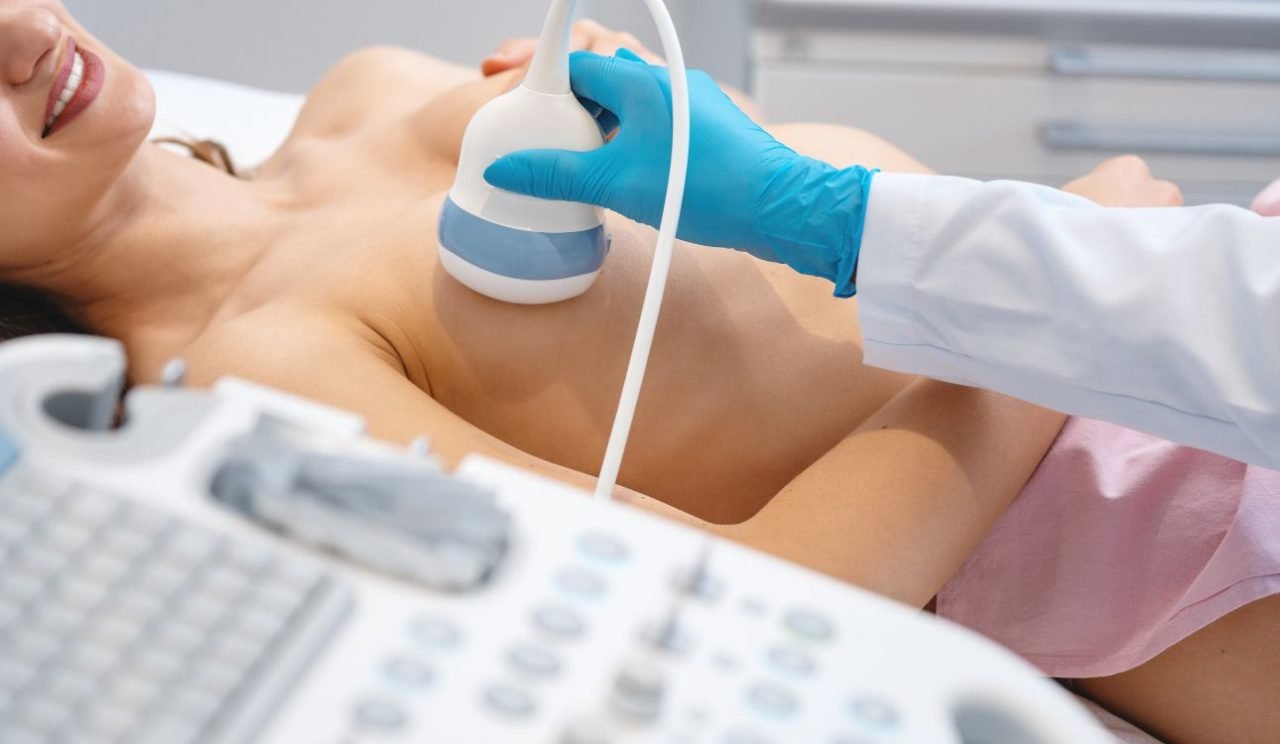
Women with extremely dense breast tissue should be offered additional scans under the NHS breast screening programme, researchers from the University of Cambridge have advised. Their findings suggest that doing so could help detect more breast cancers earlier and potentially save hundreds of lives each year.
Breast density refers to the amount of fibrous and glandular tissue compared to fatty tissue in the breast. It’s a natural variation, but high breast density not only increases the risk of developing cancer, it also makes it harder for standard mammograms to detect tumors — as both dense tissue and cancer appear white on the scan.
According to the researchers, around 43% of women over 40 have dense breasts, yet many remain unaware of what this means for their health. A recent survey found that more than 90% of women didn’t know that dense breast tissue could increase cancer risk or interfere with detection.
Currently, breast density is not measured or reported during NHS screenings in England. But following this latest study, there are calls for the NHS to update its screening programme to include additional imaging such as MRIs or ultrasounds for women identified as having extremely dense breasts.
Experts estimate that this change could lead to the early detection of over 3,000 additional breast cancer cases each year and potentially save around 700 lives.
Some European countries, including those following guidelines by the European Society of Breast Imaging (EUSOBI), already recommend supplemental scans for women with dense breast tissue. Campaigners in the UK hope the findings will lead to similar action.
The National Screening Committee is currently reviewing the evidence to decide whether breast density should become part of routine screening reports in the UK.

