

 Lifestyle & Wellness Desk
Despite Electoral Losses, Japan’s PM Holds Firm
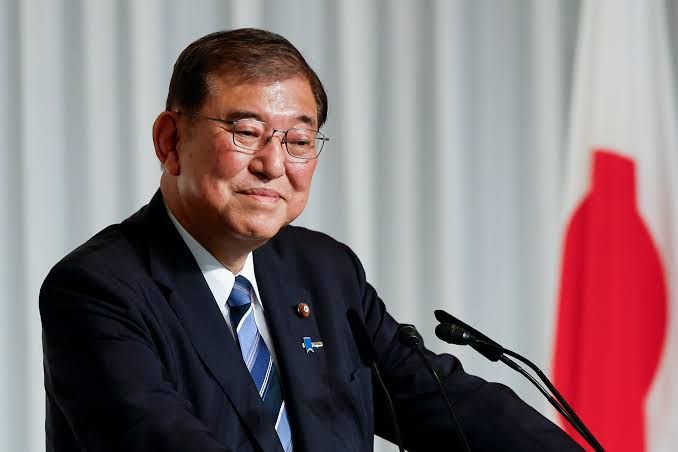
Japanese Prime Minister Shigeru Ishiba held on to power on Monday, despite a poor showing in recent elections that left his coalition without a majority in the upper house, and with the threat of new U.S. tariffs on the horizon.
In Sunday’s vote, Ishiba’s ruling Liberal Democratic Party (LDP), which has dominated Japanese politics for decades, and its coalition partner, Komeito, failed to secure the 50 seats needed to maintain control of the 248-seat upper chamber. They reportedly fell short by three seats.
Public frustration over inflation appears to have fueled voter support for alternative parties, particularly the right-leaning Sanseito, which gained ground with its nationalist and anti-globalist rhetoric. A 25-year-old voter, Kazuyo Nanasawa, who backed an ultra-conservative party, said she believed the ruling party deserved an even greater loss and called for Ishiba’s resignation.
This electoral setback comes only months after the coalition also lost its majority in the more powerful lower house the worst performance for the LDP in 15 years.
However, when asked if he planned to step down, Ishiba confirmed he would stay on. In a press briefing Monday, he acknowledged the coalition’s responsibility for the election results but emphasized his commitment to lead. He said, “To avoid political stagnation, I believe it’s my duty to continue serving as the leader of the party that won the most votes, while listening sincerely to the people.”
He described the election outcome as “extremely regrettable.” Despite internal discontent, it remains unclear who might replace him, especially given the party’s frequent leadership changes in recent years.
Some LDP supporters voiced doubts about launching a leadership contest. One supporter, Takeshi Nemoto, 80, said such a move would weaken the party further, especially as Japan prepares for critical trade talks with the U.S. Another citizen, Shuhei Aono, 67, stressed the urgency of stable leadership during diplomatic uncertainty, arguing Ishiba couldn’t afford to step aside now.
A total of 125 seats were contested in the election. The LDP secured 39 and Komeito 8, totaling 47 three seats short of the majority needed. The main opposition party, the Constitutional Democratic Party of Japan, won 22 seats, followed by the Democratic Party for the People (DPP) with 17. Sanseito, with its populist and right-wing agenda, won 14 seats.
Sanseito has advocated for tighter immigration policies, a review of gender-related policies, skepticism about climate initiatives, and a reassessment of vaccine strategy. The party recently denied any ties to Moscow after one of its candidates was interviewed by Russian media.
Political analysts say the fragmented opposition makes it unlikely they can form a viable alternative government. While expanding the ruling coalition might be considered, it would likely depend on offering fiscal concessions such as tax cuts to potential partners like the DPP.
In the meantime, Ishiba’s administration will likely need to seek support from opposition lawmakers on a case-by-case basis to pass legislation.
Japanese households, already under pressure from rising prices since the 2022 invasion of Ukraine, are now facing even greater economic strain. The price of rice has doubled, eating into family budgets despite government support packages.
Compounding public frustration is the lingering impact of an LDP funding scandal and looming U.S. tariffs. If no trade deal is reached, tariffs of 25 percent are expected to take effect on August 1. Japanese imports are already subject to a 10 percent levy, and the country’s crucial auto industry — which employs around 8 percent of the workforce is bracing for impact.
On Monday, trade envoy Ryosei Akazawa departed for Washington for the eighth time in ongoing efforts to reach a deal.
“We are working toward an agreement that benefits both sides, focusing on investment rather than tariffs,” Ishiba said.

