

 Zara Lianne
China Starts Construction of Massive Dam Project, Raising Concerns in India
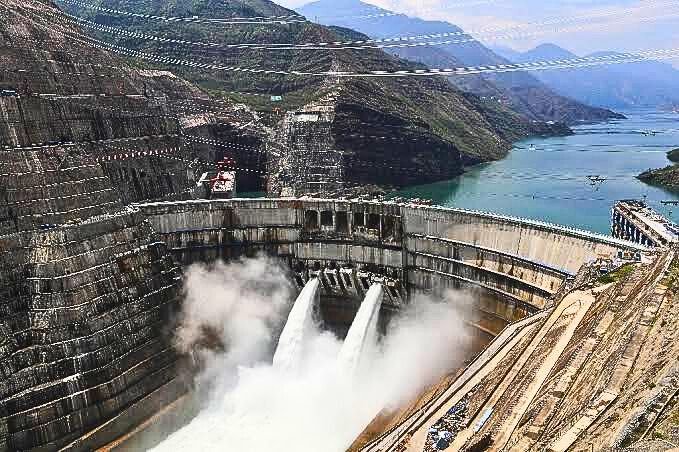
Chinese authorities have begun constructing what is expected to become the world’s largest hydropower dam in the Tibet Autonomous Region, sparking concerns from neighboring countries including India and Bangladesh.
Premier Li Qiang recently attended a ceremony marking the start of construction on the Yarlung Tsangpo River. The river originates on the Tibetan Plateau and flows through parts of South Asia, where it is known by different names, including the Siang, Brahmaputra, and Jamuna.
The project officially named the Motuo Hydropower Station is valued at around 12 billion yuan (approximately $1.67 billion) and is projected to surpass the Three Gorges Dam in size and capacity. When completed, it is expected to generate up to three times more electricity than its predecessor.
While Chinese officials have stated the project will emphasize ecological preservation and local development, it has raised alarms in India and Bangladesh over its potential environmental and geopolitical implications. Critics warn that the dam could allow China to control or divert water flow to downstream areas, threatening the livelihoods of millions who rely on the river system.
Officials and experts in India have expressed particular concern about the river’s course through Arunachal Pradesh and Assam, where it supports agriculture and daily life. Arunachal Pradesh Chief Minister Pema Khandu recently warned that the construction could significantly reduce water flow, describing the project as a potential “existential threat” to local communities, particularly the Adi tribe and others who live along the Siang belt.
He cautioned that if large volumes of water were suddenly released from the dam, it could result in catastrophic flooding, wiping out land, homes, and lives. India’s central government has echoed these concerns and is currently planning its own hydropower dam on the Siang River to help mitigate the risk of sudden surges from the upstream project.
Bangladesh has also voiced its concerns, with officials requesting further information from China about the dam’s design and impact on shared water systems.
The dam is being built in a dramatic geological location a deep canyon where the Yarlung Tsangpo makes a sharp U-turn around the Namcha Barwa mountain, dropping hundreds of meters in elevation. This section of the river, known as “the Great Bend,” is considered ideal for generating large amounts of hydropower.
Plans reportedly include the construction of long tunnels some up to 20 kilometers in length drilled through the mountain to redirect part of the river’s flow. Engineers also intend to build five cascading power stations, and much of the electricity generated is expected to be transmitted out of Tibet to other parts of China, while still supplying the region’s needs.
This project is part of a broader strategy promoted by the central government to develop the rural west and supply energy to the industrialized east a policy often described as “sending western electricity eastwards.” Officials claim the strategy reduces pollution and generates clean energy while helping improve living standards in remote areas.
However, critics argue that these mega-dam projects come at a heavy cost to the environment and local populations. In recent years, there have been reports of protests by Tibetans against hydropower developments. These demonstrations have sometimes been met with arrests and crackdowns, with some protestors reportedly injured during enforcement actions.
Environmental groups have also raised concerns about the flooding of ecologically rich valleys and the risk of constructing large dams in a seismically active region, warning of long-term consequences to both people and nature.

