Author: admin

admin10 December 2024
TikTok-Seeks-Emergency-Court-Order-to-Block-US-Ban-1280x744.jpg

2min15580
TikTok has filed an urgent request for a court injunction to prevent the platform from being banned in the United States early next year. The move comes after the social media giant lost an appeal against a US government law requiring the app to either be sold or banned due to alleged ties with the Chinese government; allegations TikTok and its parent company, ByteDance, strongly deny. In its emergency legal filing, TikTok argued that a ban would cause “irreparable injury” to both the company and its 170 million monthly US users. The company also warned that a temporary shutdown would have “devastating effects” on its operations, potentially leading to a loss of revenue, users, and content creators. TikTok and ByteDance are appealing to the Supreme Court, arguing that the incoming US administration,  with  Donald  Trump  set  to  replace  Joe  Biden  as  president,  might reconsider the law. Trump has previously indicated his opposition to the ban, raising hopes for a policy reversal. “The public interest favours providing sufficient time for the Supreme Court to conduct an orderly review process, and for the incoming Administration to evaluate this exceptionally important case,” TikTok and ByteDance said in their court filing. On Friday, a federal court upheld the legality of the law, stating it was “carefully crafted” to address security risks posed by foreign adversaries, particularly the People’s Republic of China (PRC). The court noted that the law resulted from “extensive, bipartisan action” by lawmakers. The  US  Department  of  Justice  (DOJ)  has  called  for  TikTok’s  request  to  be  dismissed, stating that its core arguments have already been “definitively rejected” by the courts. If the ban is enforced, TikTok faces significant operational challenges, while millions of US users risk losing access to one of the world’s most popular social media platforms.

admin10 December 2024
African-Development-Fund-Approves-18.3M-Boost-for-Liberias-Revenue-Collection-and-Governance-Reforms-1280x744.jpg

2min11640
The African Development Fund (ADF), the concessional financing arm of the African Development Bank Group, has approved an $18.3 million funding package to strengthen Liberia’s revenue collection system and drive governance reforms. The package includes a $9.6 million ADF-16 loan, a $6.8 million loan from the Transition Support Facility (TSF) Pillar I, and a $1.9 million in-kind contribution from the Liberian government. This support reflects the African Development Bank’s ongoing commitment to advancing fiscal stability, transparent governance, and sustainable economic growth in Liberia. The initiative will focus on key interventions, including the digital transformation of Liberia’s tax collection system, modernization of judicial processes for handling financial crimes, and enhancement of anti-corruption frameworks. Additionally, the project aims to update mining sector policies to reduce tax leakages, a critical move toward increasing national revenue. The project will also strengthen the capacity of law enforcement agencies to combat illicit financial flows and ensure better compliance with tax obligations. These efforts are aligned with Liberia’s Pro-Poor Agenda for Prosperity and Development, a national strategy focused on reducing poverty and promoting inclusive growth. By addressing systemic issues in revenue collection and governance, the project aims to improve public service delivery, create employment opportunities, and restore public trust in government institutions. This initiative represents a direct investment in Liberia’s institutional capacity, supporting the country’s long-term development goals. The African Development Fund’s support is seen as a critical step toward unlocking Liberia’s economic potential, fostering transparency, and ensuring a stronger, more resilient financial system.

admin9 December 2024
Naira-Makes-Significant-Gains-Against-the-Euro-Amid-Market-Reforms-and-European-Instability-1280x744.jpg

2min9800
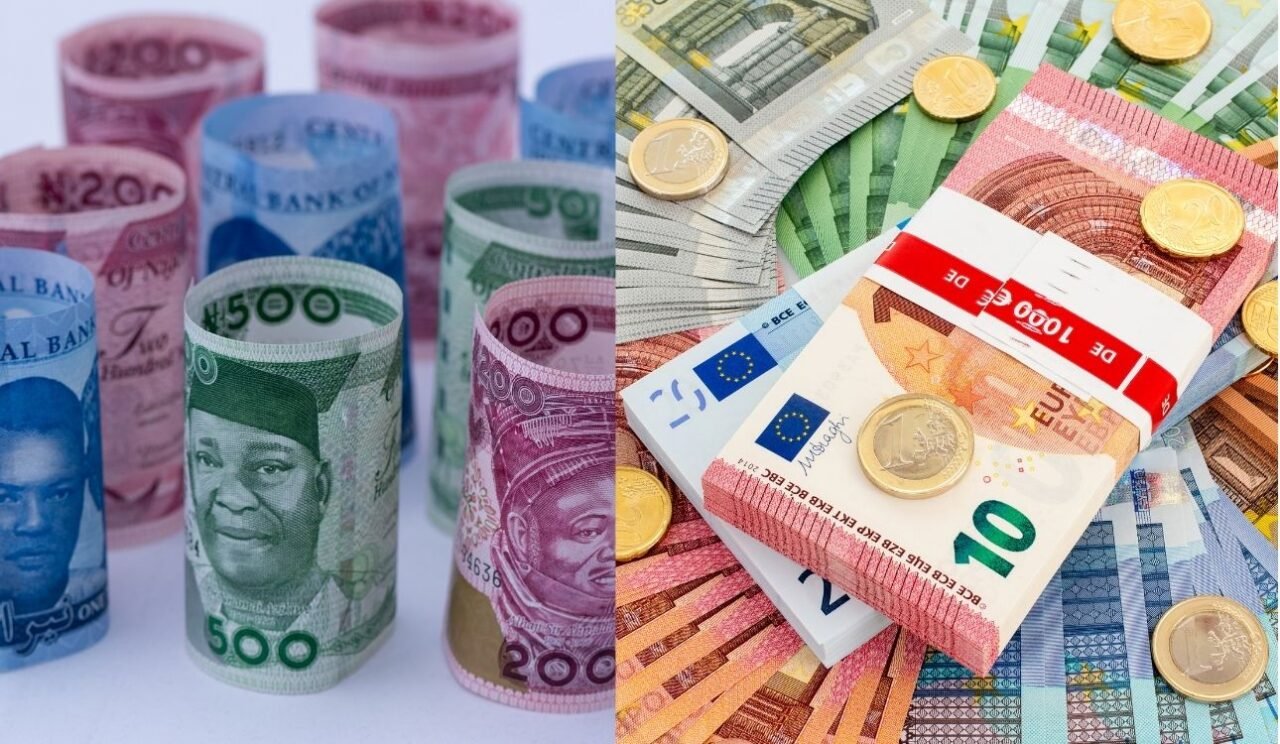
The Nigerian naira has posted impressive gains against the euro in the parallel market this week, as the foreign exchange market continues to feel the effects of ongoing reforms in Nigeria and political uncertainty in Europe. The euro has experienced a sharp decline, trading at approximately N1690 to the euro in the unofficial market, compared to N1852 earlier in December. This significant drop has led to a more bearish outlook for the EUR/NGN exchange rate. At the start of trading on December 2nd, the exchange rate for the euro in the parallel market opened at N1695, marking a notable improvement from previous weeks. This shift highlights a trend in which the naira continues to strengthen as reforms in Nigeria’s foreign exchange market take hold. This currency movement comes amidst growing political instability in Europe, which has placed additional pressure on the euro and contributed to the ongoing changes in the exchange rate. The Nigerian government’s foreign exchange reforms are believed to be playing a crucial role in the naira’s recovery, as more transparent and market-driven mechanisms are being implemented. While the future of the foreign exchange market remains uncertain, these early gains signal a potential shift in the dynamics of the naira’s value against major global currencies. As Nigeria’s economy adjusts to these changes, market analysts are keeping a close eye on further developments in both domestic and international markets, which could have lasting effects on the strength of the naira.

admin9 December 2024
Tragic-Case-of-Bullying-at-Beautiful-Beginning-Academy-A-Call-for-Justice-for-Imtiyas-1280x744.jpg

3min11460
A disturbing and heartbreaking incident of bullying has been reported at Beautiful Beginning Academy, Zone E Legislative Quarters, Apo, Abuja, involving a 16-year-old SS2 student, Imtiyas. The young boy was brutally chained by some SS3 students in what can only be described as a shocking and dehumanizing act. To make matters worse, the bullying was recorded by the perpetrators, further highlighting the cruelty of their actions. The boarding school situation meant that Imtiyas’ mother was unaware of the torment her son was enduring until a sibling visited the school to deliver an item and discovered Imtiyas in a frail state. The incident was immediately brought to light, and Imtiyas was taken home, where he was subsequently hospitalized due to the physical and emotional trauma he had endured. This act of violence is not the first instance of bullying Imtiyas has suffered, but it is the most extreme. What is even more alarming is the lack of action taken by the school in response to this horrific act. Despite the gravity of the situation, the school has yet to address the perpetrators of this cruelty, raising serious questions about the school’s commitment to safeguarding students and preventing bullying. This incident has sparked outrage within the community and calls for urgent intervention by the relevant authorities. Bullying in schools is an issue that affects countless students across the country, and it is time for meaningful action to be taken to protect our children from such abuse. Imtiyas’ story is a tragic reminder of the harsh realities many students face in silence. It is vital that this case is thoroughly investigated, and those responsible are held accountable. No child should ever be subjected to such abuse in an environment that is meant to nurture their growth and education. As we follow this case, we urge schools, parents, and communities to work together to create safe environments for all students. Bullying must end. Imtiyas is not just a victim of this attack: he is a son, a brother, and a member of our community. It is time for change.

admin9 December 2024
Ghanas-Vice-President-Bawumia-Concedes-Defeat-Mahama-Declared-Winner-in-Tense-Election-1280x744.jpg

2min12400
Vice-President Mahamudu Bawumia has conceded defeat in Saturday’s election and congratulated opposition leader, former President John Mahama, on his victory. Bawumia acknowledged the will of the voters, stating, “The people have voted for change.” Although no official results have been declared, Bawumia’s concession marks the first indication of Mahama’s apparent victory in the highly contested election. The Electoral Commission has yet to announce the official results, with a 72-day period to finalize them. The election unfolded amid Ghana’s worst economic crisis in a generation, with skyrocketing prices for basic goods, high unemployment among youth, and mounting national debt. These issues have driven widespread frustration, contributing to a strong desire for change among the electorate. While the election has largely been peaceful, two fatalities were reported in separate incidents on Saturday, allegedly related to election tensions. In addition, the Electoral Commission’s office in Damongo, a town in northern Ghana, was destroyed, reportedly by opposition supporters. Reports of looting in Damongo and Tamale, also in the north, have added to the unrest. During the campaign, Mahama promised to revitalize Ghana’s economy and transform it into a “24-hour economy,” hoping to address issues such as power outages, corruption, and economic instability that marked his previous tenure from 2012 to 2016. Despite his past challenges in office, Mahama’s return to power has raised hopes for economic recovery, with many citizens hoping for tangible improvements in their living conditions. As the nation waits for the final election results, there is cautious optimism that the country’s leadership will be able to navigate the political and economic challenges ahead.

admin9 December 2024
President-Elect-Donald-Trump-Vows-Pardons-for-Capitol-Rioters-and-Sweeping-Changes-on-Immigration-1280x744.jpg

5min7170
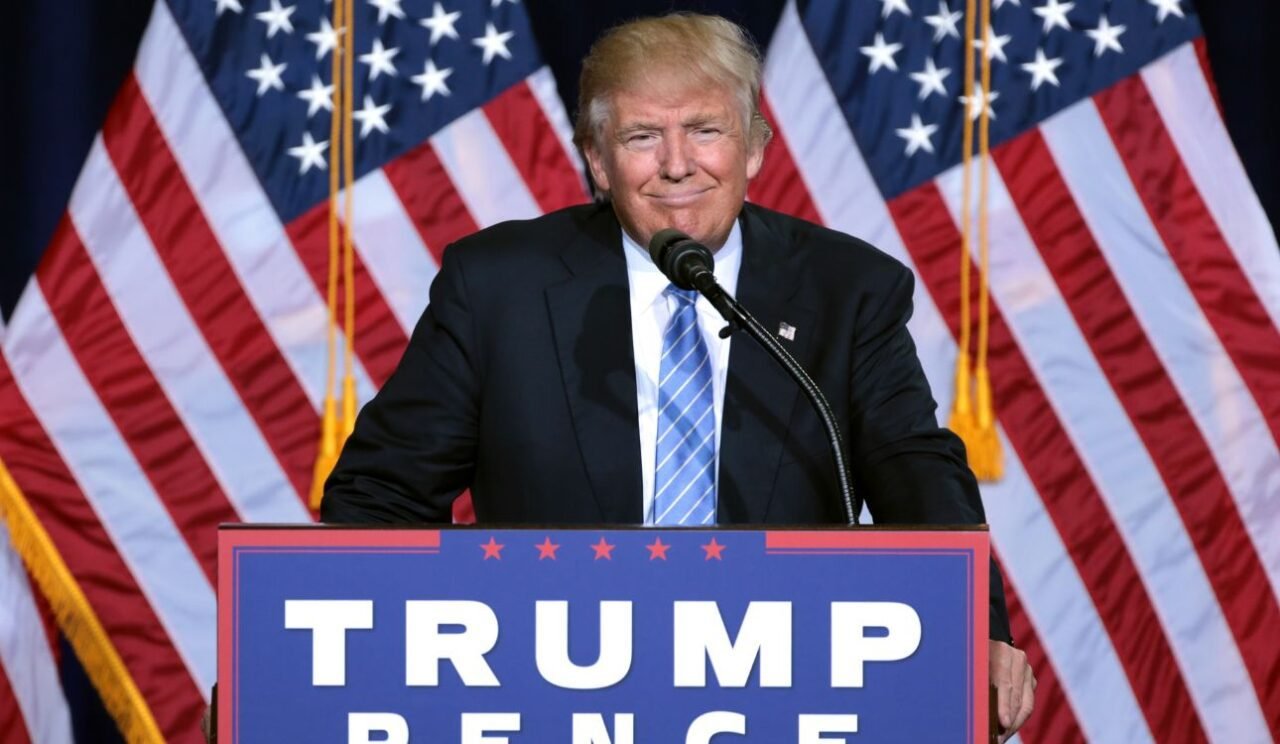
In his first broadcast network interview since securing a historic return to the White House, President-elect Donald Trump outlined a series of bold plans that will shape his administration’s first days in office. Among his most controversial promises: potential pardons for individuals involved in the January 2021 Capitol riot and sweeping changes to U.S. immigration policies. Speaking on NBC’s Meet the Press, Trump revealed that one of his first actions upon returning  to  office  in  January  would  be  to  consider  pardons  for  those  convicted  in connection with the January 6th insurrection. “These people are living in hell,” Trump said, reflecting his ongoing sympathy for the rioters who stormed the U.S. Capitol in an effort to overturn the 2020 presidential election results. The comments come just weeks before Trump’s inauguration on January 20th. Trump’s remarks on the Capitol rioters are likely to ignite a fresh wave of controversy, given the ongoing debate about accountability for the violent attack on the seat of American democracy. However, the president-elect’s pledge to extend clemency may resonate with his political base, many of whom continue to see the rioters as victims of political persecution. In the wide-ranging interview, recorded on Friday, Trump also reiterated his commitment to limiting immigration, particularly targeting the automatic granting of U.S. citizenship to children born on American soil. The practice of birthright citizenship stems from the 14th Amendment of the U.S. Constitution, which guarantees citizenship to all persons born in the United States. However, Trump expressed a desire to see it “changed” under his administration, stating, “We’re going to have to get it changed. We may have to go back to the people. But we have to end it.” This assertion aligns with Trump’s long-standing criticism of birthright citizenship, an issue that has been a cornerstone of his rhetoric surrounding immigration reform. He pledged to push for a legislative overhaul to end automatic citizenship for children born in the U.S. to non-citizen parents. In contrast, Trump expressed a willingness to work with Democrats on certain immigration issues, particularly those affecting undocumented immigrants brought to the country as children, often referred to as “Dreamers.” “I’ll work with the Democrats on a deal to help those who were brought here as kids,” Trump stated. “But it has to be part of a bigger plan that addresses border security and enforcement.” The Republican president-elect also reiterated his promise to deport undocumented immigrants, including those with U.S.-born children. Despite acknowledging the emotional toll of separating families, Trump remained steadfast in his approach. “I don’t want to be breaking up families,” he said. “So the only way you don’t break up the family is you keep them together and you have to send them all back.” Additionally, Trump indicated that he would issue a flurry of executive orders on day one, focusing on issues such as energy policy, the economy, and immigration reform. He also addressed the issue of abortion rights, stating that while he did not plan to impose restrictions on abortion pills, he could not make a firm guarantee, adding, “Well, I commit. I mean… things change.” As the US braces for his second term, President-elect Trump’s promises signal a return to the aggressive, no-compromise agenda that marked his first presidency. With his inauguration looming, it is clear that Trump’s administration will immediately confront some of the nation’s most contentious political issues, from immigration to civil liberties. photo credit: Donald trump by Gage Skidmore Creative Commons 3.0 , wikimedial commons

admin6 December 2024
World-Bank-Secures-Record-24-Billion-to-Support-the-Worlds-Poorest-Nations-1280x744.jpg

4min32360
In a significant boost for global development, the World Bank has secured nearly $24 billion in loans and grants to aid the world’s poorest nations, marking a milestone in its ongoing efforts to alleviate poverty and foster economic growth. The announcement, made Thursday by World Bank President Ajay Banga, highlighted that these funds would be used to generate a record $100 billion in total spending power through the bank’s concessional lending arm, the International Development Association (IDA). The new round of funding, which totals $23.7 billion, comes from donor countries and represents a modest increase from the $23.5 billion pledged during the last fundraising period three years ago. The World Bank plans to leverage this amount by borrowing from financial markets, multiplying the funds fourfold to unlock substantial new investments for 78 developing countries most in need of assistance. A Lifeline for the World’s Poorest Countries In his statement, Ajay Banga emphasized that the IDA plays a critical role in supporting the poorest nations. The funding will help these countries invest in key sectors such as health, education, infrastructure, and climate resilience. Additionally, it will assist in stabilizing economies and creating job opportunities, particularly for nations struggling to recover from the economic toll of the pandemic and other global challenges. “The historic success of this replenishment demonstrates the continued commitment of donor countries and the global community to the development of the world’s poorest,” said Banga. “IDA’s work over the past six decades has lifted millions out of poverty, and this new round of funding will ensure that this vital partnership continues to grow.” The IDA has long been recognized for providing affordable financing through zero- and low-interest loans, as well as grants, to countries with limited access to traditional financing options. To date, 35 countries have successfully graduated from IDA, many of whom are now able to provide support to others, further strengthening the global community’s commitment to sustainable development. Historic Funding Round and Global Impact The World Bank estimates that this year’s $24 billion funding will unlock around $100 billion in total spending power. This represents a significant increase from the $93 billion generated in the previous funding round. The additional funds will directly impact nations struggling with issues like climate change, health crises, and economic instability, providing them with the tools needed to tackle these complex challenges. According to the World Bank, the IDA’s ability to leverage donor contributions—turning modest donations into life-changing investments—is one of its defining strengths. By using the power of the global financial market, the World Bank can multiply the value of each donor dollar by a factor of 3.5 to 4, making a profound impact in the countries that need it most. Implications for Global Development The World Bank’s IDA funding round reflects the global community’s collective commitment to addressing poverty, inequality, and climate change. As the world faces unprecedented challenges, such as the ongoing effects of the COVID-19 pandemic and the urgent need to address climate change, the IDA’s role in providing vital financial resources has never been more critical. As Ajay Banga noted, the funding will be deployed to support some of the world’s most vulnerable populations, ensuring they have the resources they need to overcome the myriad obstacles they face and build a more sustainable future for all.

admin6 December 2024
Attieke-Ivory-Coasts-Cassava-Dish-Added-to-UNESCOs-List-of-Intangible-Cultural-Heritage-1280x744.jpg

5min9670
Attiéké, the iconic cassava dish cherished across Ivory Coast and West Africa, has officially been added to UNESCO’s prestigious list of Intangible Cultural Heritage. The announcement, made during the 19th session on safeguarding intangible cultural heritage in Paraguay, marks a significant moment for the Ivory Coast, where attiéké is not just a staple food but a cultural symbol that connects generations. Popularly known as “Ivorian couscous,” attiéké is made from fermented cassava flour, and its creation is a centuries-old tradition originating from the coastal regions of Ivory Coast. Today, it’s enjoyed at every meal of the day and is particularly beloved for its pairing with grilled fish. Its inclusion in UNESCO’s list is a testament to its central role in the daily lives of Ivorian people. Ramata Ly-Bakayoko, Ivory Coast’s UNESCO delegate, emphasized that attiéké is “deeply rooted in the daily lives of its communities” and plays an important part in the social and cultural fabric of the country. “This dish is not just a meal, but a vital link that connects the past and present, and one that is deeply cherished across generations,” she added. The traditional preparation of attiéké, typically done by women and girls, is a meticulous process that can span several days. The cassava root is peeled, grated, fermented, and dried before being steamed to create the final product. These steps are passed down through generations, and the skills involved in making attiéké are as integral to its identity as the dish itself. This knowledge, rooted in Ivorian culture, was also added to UNESCO’s Intangible Cultural Heritage list, ensuring that these traditional practices are preserved for future generations. For many women in Ivory Coast, making attiéké is more than just a tradition; it is a livelihood and a pathway to financial independence. The dish is sold in local markets across the country, often in small, individually wrapped servings, and plays an important role in the local economy. Beyond its cultural significance, attiéké also provides economic autonomy for many in Ivorian communities, particularly women who depend on the income generated by selling this beloved dish. Despite its cultural importance, attiéké has not been without its controversies. In 2019, a storm of outrage erupted in Ivory Coast when Florence Bassono, a woman from neighboring Burkina Faso, won an award for her company Faso Attiéké at the Abidjan International Agriculture Show. Many Ivorians expressed anger at a foreigner winning recognition for a dish they regard as their own national treasure. In response to such tensions, the African Regional Intellectual Property Organization (ARIPO) registered a collective trademark for attiéké earlier this year, protecting the use of the name to ensure that only cassava produced in Ivory Coast is labeled as “attiéké,” much like how only sparkling wine from the Champagne region of France can be called “Champagne.” Despite these debates, the addition of attiéké to UNESCO’s cultural heritage list brings it global recognition, highlighting its significance not just for Ivory Coast but for humanity at large. UNESCO’s inclusion underscores the importance of preserving traditional practices that face the risk of being overshadowed in an increasingly globalized world. Attiéké’s inclusion is more than just a culinary triumph for Ivory Coast. it is a proud celebration of cultural identity and heritage that transcends borders. From its role as a source of income for countless women to its cultural importance at community ceremonies such as weddings, baptisms, and funerals, attiéké continues to hold a special place in the heart of Ivory Coast.   Photocredit: Attiéké from Afrikana.sk.

admin5 December 2024
FG-Fires-Civil-Servants-with-Degrees-from-Benin-Republic-and-Togo-Private-Universities-1280x744.jpg

2min10330
The Federal Government of Nigeria has dismissed several civil servants who obtained their degrees from private tertiary institutions in the Republics of Benin and Togo between 2017 and 2023. The directive, confirmed by the Director of Information and Public Relations in the Office of the Secretary to the Government of the Federation, Segun Imohiosen, was made public on Wednesday, December 4, 2024. This development follows investigations into the legitimacy of degrees awarded by some private universities in these neighboring countries. Earlier this year, a Nigerian journalist exposed the dubious practices of some universities in Benin Republic by obtaining a degree in just two months and subsequently using it to enroll in the National Youth Service Corps (NYSC). The investigative report prompted the government to suspend the accreditation and evaluation of degrees from private tertiary institutions in Benin Republic and Togo. In a statement, the government expressed concern over the growing trend of Nigerians securing degrees through fraudulent means to gain employment in positions requiring qualifications they do not genuinely possess. It described such actions as a threat to the integrity of the country’s workforce. The directive to dismiss affected civil servants aligns with President Bola Tinubu’s administration’s commitment to restoring credibility in the civil service. It also highlights ongoing investigations by the Ministries of Foreign Affairs and Education, the Department of State Services (DSS), and their counterparts in Benin Republic and Togo. Until the investigations are concluded, the suspension of accreditation and evaluation of degrees from these institutions remains in force.

admin5 December 2024
Activist-Lawyer-Dele-Farotimis-Book-Sparks-Legal-Controversy-Drawing-Public-Support-Amid-Arrest-1280x744.jpg

3min11460
A new book written by activist lawyer Dele Farotimi has sparked a legal storm, drawing sharp criticism from prominent legal figure Afe Babalola, the founder of Afe Babalola University Ado Ekiti (ABUAD). Titled  ‘Nigeria  and  its  Criminal  Justice  System’,  Farotimi’s  book  offers  a  bold  and unapologetic critique of Nigeria’s justice system, with pointed allegations against some of the country’s most influential legal professionals. In the book, Farotimi accuses Afe Babalola, a respected figure in the Nigerian legal community, of corrupting the Supreme Court to secure a fraudulent judgment for his clients. This claim has led to an uproar. Babalola, deeply offended by the characterisation, filed a police complaint in Ekiti State. In response, the police raided Farotimi’s office in Lekki, Lagos, on Tuesday. Farotimi was forcibly escorted to Ado Ekiti, where he was detained and subsequently charged with criminal defamation. The legal battle took a dramatic turn as Farotimi faced 16 counts of criminal defamation in a chief magistrate’s court in Ado Ekiti on December 10. The court ordered that he remain in prison until his bail application hearing, set for the following Tuesday. Farotimi, who had previously spoken out against what he described as harassment by the Nigerian Police Force (NPF) after his book’s release in July, has maintained his innocence. In a social media post prior to his arrest, Farotimi titled his message ‘They Want to Silence Me’, asserting that all allegations made in his book were rooted in fact. He emphasized that those who felt wronged had the legal right to seek redress in court. The situation has sparked an outpouring of support for Farotimi, with many Nigerians rallying behind him. In a show of solidarity, large numbers of Nigerians have purchased copies of his book. The website of one of the country’s largest online book retailers, Roving Heights, experienced a crash due to the overwhelming traffic, underscoring the widespread public interest in the case. While the legal path ahead remains uncertain, Farotimi’s cause appears to have resonated with a significant portion of the Nigerian public, who are now firmly in his corner.   photo credit: Dele Farotimi CC 4.0International wikimedia commons