Author: admin

admin5 December 2024
Indias-First-FDA-Approved-Antimicrobial-Drug-Offers-Hope-in-the-Fight-Against-Resistance-1280x744.jpg

2min9450
India, one of the countries most severely affected by antimicrobial resistance (AMR), has made a significant breakthrough in the battle against antibiotic-resistant infections. In 2019, these infections were responsible for approximately 300,000 deaths in India alone, with nearly 60,000 newborns losing their lives annually due to antibiotic resistance. A promising new drug, Enmetazobactam, developed by Chennai-based Orchid Pharma, has become the first antimicrobial invented in India to receive approval from the US Food and Drug Administration (FDA). The injectable medication targets bacterial defense mechanisms, rather than attacking the bacteria directly, making it an innovative solution for treating severe infections. Enmetazobactam has proven effective in treating critical conditions such as urinary tract infections (UTIs), pneumonia, and bloodstream infections. After undergoing trials across 19 countries involving over 1,000 patients, the drug has received approval from global regulatory bodies for its efficacy. Dr. Maneesh Paul, the lead co-inventor of the drug, explained to the BBC that the drug “has shown remarkable potency against bacteria that have evolved over the years.” Administered via intravenous infusion in hospitals, it is designed for critically ill patients and is not available over the counter. This breakthrough marks a significant step in addressing the growing challenge of antimicrobial resistance, offering hope for patients with infections that are increasingly difficult to treat due to resistant bacteria.

admin5 December 2024
NHS-to-Roll-Out-Mounjaro-for-Weight-Loss-But-Full-Access-Could-Take-12-Years-1280x744.jpg

4min7720
The NHS in England is preparing to introduce Mounjaro, a new weight-loss injection, but it may take up to 12 years before all eligible patients can access it, according to the National Institute for Health and Care Excellence (NICE). The treatment, set to be offered starting March 2025, will be available to people with obesity and related health conditions. Mounjaro, developed by Eli Lilly, works by curbing appetite, helping users feel fuller for longer. Clinical trials have shown that patients using the drug can lose up to 20% of their body weight. However, concerns about the strain on the NHS—particularly General Practitioners (GPs)—mean that the rollout will be gradual, with only a limited number of patients able to access the drug initially. Gradual Rollout, Starting with Specialist Clinics Initially, the drug will be prescribed to people with a BMI of over 35 who also suffer from obesity-related health issues, a group that may include up to 3.4 million individuals in England. However, only those under the care of specialist weight management services will be able to use Mounjaro at first. This approach mirrors the introduction of Wegovy, another weight-loss drug offered in a similar phased rollout. From June 2025, the NHS plans to expand access, but specific details regarding the full implementation remain unclear. GP practices are expected to play a key role in referring patients, but ongoing support, such as dietary guidance and monitoring, will likely require additional resources. NHS England is expected to release further details about these services in early 2025. Cost and Effectiveness Mounjaro is priced at £122 per patient per month for the maximum dose, but NICE has determined it to be cost-effective, given the high cost of obesity-related healthcare. Despite its promising results, concerns persist about the potential for weight gain after stopping the medication, highlighting the need for sustained support beyond the drug itself. Wider Context and Global Considerations While Wales and Scotland are also considering the drug’s use, reports indicate that the rollout in Scotland has faced challenges. Meanwhile, policymakers and healthcare providers around the world are closely monitoring the impact of such weight-loss medications, as obesity continues to be a significant public health issue. Helen Kirrane from Diabetes UK acknowledged Mounjaro’s potential to help combat obesity, but expressed concern over the lengthy timeline for widespread access. Dr. Kath McCullough, NHS England’s national obesity adviser, emphasized that weight-loss medications are an essential part of addressing the obesity epidemic, which is one of the greatest public health challenges facing the NHS. Looking Ahead As the UK begins to introduce Mounjaro, it will be closely watched by other countries facing similar challenges related to obesity. The gradual rollout may offer vital lessons in balancing innovation with the practical realities of healthcare delivery. While the drug’s introduction marks a significant step forward in the fight against obesity, ensuring long- term success will require a comprehensive, multi-faceted approach involving support services and sustained patient engagement.

admin5 December 2024
Bitcoin-Surpasses-100000-for-the-First-Time-Breaking-New-Record-1280x744.jpg

3min15120
In a groundbreaking move for the cryptocurrency world, Bitcoin has officially surpassed the $100,000 mark for the first time, setting a new record for the world’s most valuable digital currency. The milestone was reached just hours after US President-elect Donald Trump announced his nomination of former SEC Commissioner Paul Atkins to run the Wall Street regulator. This decision, alongside Trump’s recent promises to create a crypto-friendly environment in the United States, has fueled optimism within the cryptocurrency industry. For weeks, analysts, investors, and crypto enthusiasts eagerly predicted the moment when Bitcoin would hit the coveted $100,000 figure. The price of the cryptocurrency had been hovering near the milestone for days, and millions of viewers tuned in to online watch parties to witness the moment firsthand. Bitcoin’s rise comes amid increasing excitement over the future of cryptocurrency in the United States. Trump, who previously called Bitcoin a “scam” back in 2021, has now vowed to make the US “the crypto capital of the planet.” This dramatic shift in tone has sent Bitcoin’s price soaring by more than 40% since Election Day, with the cryptocurrency now valued at over double its price from the beginning of the year. The rise of Bitcoin’s price also reflects growing institutional interest in cryptocurrency. According to CoinMarketCap, the global cryptocurrency market is now valued at over $3.3 trillion, with Bitcoin playing a pivotal role in this surge. The milestone comes at a time when Bitcoin is increasingly being adopted in regions across the globe, including Africa. In countries like Nigeria, Kenya, and South Africa, Bitcoin has become a popular alternative to traditional banking, offering individuals a way to bypass unstable local currencies and high inflation. The price surge is also being driven by an increasing number of institutional players entering the market, such as Tesla and Square, who have recognized Bitcoin as both a store of value and a hedge against inflation. While Bitcoin’s ascent is being celebrated across the globe, the cryptocurrency market continues to face challenges, particularly around regulatory concerns and environmental impact. Despite these issues, Bitcoin’s rise above the $100,000 mark signals the growing acceptance and potential of digital currencies in the global financial ecosystem. As Bitcoin celebrates this historic achievement, industry experts are now wondering where the cryptocurrency will go next. Many believe this is just the beginning of a larger trend, with further milestones on the horizon for the digital currency that has already reshaped the financial landscape.

admin4 December 2024
Global-Call-to-Action-2.6-Trillion-Needed-by-2030-to-Combat-Desertification-and-Drought-1280x744.jpg

4min9630
The world is facing an urgent environmental crisis, with desertification, land degradation, and drought threatening the livelihoods of billions. According to the latest report from the United Nations Convention to Combat Desertification (UNCCD), $2.6 trillion in investments is needed by 2030 to restore over one billion hectares of degraded land and build resilience to drought. The 16th Conference of the Parties (COP16) to the UNCCD, which runs from December 2 to December 13 in Riyadh under the theme “Our Land. Our Future,” has brought together global leaders and experts to tackle this growing issue. The “Investing in Land’s Future” report, launched at the conference, calls for $1 billion in daily investments until 2030 to meet global land restoration targets and combat desertification and drought. Jessika  Roswall,  EU  Commissioner  for  Environment,  Water  Resilience,  and  a  Circular Competitive Economy, stressed the urgency of the situation. “The world loses 100 million hectares of healthy and productive land every year, around twice the size of France,” Roswall said. “Without rich and fertile soils, we have no food. Without healthy land, people lose their livelihoods. Without tackling land degradation and enhancing drought resilience, we cannot ensure a competitive and circular economy.” The report paints a stark picture of the current state of funding, revealing a $278 billion annual shortfall in global investments needed to meet the required financing levels. Global investments in land restoration have risen from $37 billion in 2016 to $66 billion in 2022, but the gap remains large. $355 billion per year is required between 2025 and 2030 to close the funding gap. Ibrahim Thiaw, Executive Secretary of the UNCCD, called for bold action: “To protect lives and livelihoods, we must significantly increase investments in land restoration. Every dollar invested in healthy land is a dollar invested in biodiversity, climate, and food security. The good news is that the world could save billions annually and earn trillions more by restoring land back to health.” Up to 40% of the world’s land is degraded, affecting over 3.2 billion people. The most vulnerable populations including indigenous communities, smallholder farmers, women, and youth are bearing the heaviest costs. The rise in droughts, which have increased by 29% since 2000, is exacerbating the situation, with projections showing that by 2050. three in four people worldwide could be affected by drought. Africa faces the largest financing gap, requiring $191 billion annually to restore 600 million hectares of degraded land. “Losing over 100 football pitches of healthy land every minute threatens livelihoods, food and water security, and public health,” the report warned. “This could disrupt regional economies and global trade.” Despite the vast gap in funding, the report also emphasizes the significant financial returns of land restoration. For every dollar invested in land restoration, there is a return of up to $8 in social, environmental, and economic gains. These returns include improved agricultural productivity, enhanced drought and climate resilience, and better ecosystem services. The report also points to the importance of unlocking private sector investment. Private sector contributions currently account for only 6% of the necessary funding. Key strategies such as public-private partnerships, blended finance models, and green bonds are essential for mobilizing the capital needed for large-scale land restoration. “The challenge is enormous, but the opportunity is equally great,” said Thiaw. “We have the power to reverse land degradation and build resilience against drought. But we need unprecedented levels of investment and collaboration to get there.” As COP16 continues through December 13, the urgency of addressing desertification, land degradation, and drought has never been clearer. The global community must act now: before the consequences of inaction become irreversible.


admin4 December 2024
South-Koreas-President-Faces-Impeachment-After-Martial-Law-Declaration-Defence-Minister-Resigns-1280x744.jpg

4min8440
In a stunning turn of events, South Korean President Yoon Suk Yeol has found himself at the center of a political crisis after declaring martial law on Tuesday night, only to reverse the decision hours later amid widespread backlash. The declaration, the first in nearly 50 years, shocked the nation and prompted swift protests from lawmakers and citizens alike. But the crisis has escalated, as Yoon now faces an impeachment vote, with his defence minister, Kim Yong-hyun, offering his resignation over the debacle. Kim, in a public statement, apologized for causing confusion and distress and took full responsibility for the martial law declaration. The Defence Minister’s resignation is a significant blow to Yoon’s administration, though Kim will remain in his position until the president accepts his resignation, which has yet to happen. Yoon’s presidency, already plagued by controversies, now faces even greater scrutiny as his political survival appears increasingly uncertain. The martial law order came after President Yoon delivered a late-night TV address, citing “anti-state forces” and the threat from North Korea as the justification for the unprecedented move. However, it quickly became apparent that the martial law was not the result of external threats but rather a desperate political maneuver to quell growing discontent over his administration. The decision was seen as an attempt to maintain control as South Korea’s political climate became more volatile. The declaration of martial law led to an outcry, with thousands of people gathering at the National Assembly in protest. Opposition lawmakers, determined to block the measure, forced their way into parliament and successfully voted to lift the martial law, effectively forcing Yoon to accept their decision hours later. The move prompted comparisons to the military dictatorship era, as martial law was last declared in South Korea in 1979 following the assassination of then-President Park Chung-hee. While the martial law crisis grabbed headlines, it is only the latest in a series of scandals that have plagued President Yoon. Last year, a video surfaced showing Yoon’s wife, Kim Keon Hee, accepting a designer Dior handbag from a Korean-American pastor, leading to allegations of corruption. Despite public outcry, Yoon dismissed the incident as a “stunt” aimed at damaging his party, and his administration suffered major losses in legislative elections. A year later, Yoon finally issued a public apology on behalf of his wife, but the fallout has continued to simmer, with many calling for a full investigation. Yoon’s controversial handling of these scandals, combined with his hardline stance on North Korea, has eroded public trust. In his address announcing martial law, Yoon referred to political opposition as sympathizers of North Korea, but without offering any concrete evidence. This rhetoric, combined with the martial law debacle, has only fueled the growing sense of unrest across the nation. As South Korea navigates this turbulent period, President Yoon’s leadership is increasingly under question, with the possibility of an impeachment vote looming. The outcome of the coming days will determine not only his political future but the stability of South Korea’s democratic institutions in an era of intense political polarization.   Image: South Korea President Yoon Suk-yeol official portrait via Wikimedia Commons, licensed under CC BY-SA 3.0.

admin4 December 2024
Pastor-Tobi-Adegboyegas-UK-Stay-Ends-in-Defeat-The-Fall-of-SPAC-Nation-and-a-Shattered-Legacy-1280x744.jpg

3min8370
Tobi Adegboyega, once the charismatic and controversial leader of the now-defunct SPAC Nation church, has suffered a significant setback in his battle to remain in the United Kingdom. In a ruling that has captured public attention, an immigration tribunal has ruled in favour of his deportation to Nigeria, rejecting his appeal to stay in the UK. Known to many as “Pastor Tobi,” the Nigerian-born pastor was not just a religious leader but a high-profile influencer, regularly spotted in luxury designer brands and boasting a large following. His work with SPAC Nation, a church catering predominantly to young Black communities in London, had earned him fame, but it also drew increasing scrutiny. Adegboyega’s attempt to argue that his positive contributions to the community should outweigh his church’s troubled financial record was met with skepticism from the tribunal. The heart of the tribunal’s decision lies in a series of damaging investigations that painted a grim picture of financial mismanagement within SPAC Nation. A The Telegraph investigation exposed a complete lack of transparency in the church’s finances, with £1.87 million in outgoings left unaccounted for. Despite these revelations, Adegboyega insisted that no criminal charges had been filed against him regarding the church’s finances, calling the allegations of SPAC Nation being a cult “politically motivated” and “baseless.” However, the tribunal was swayed by a report from the Charity Commission, which found “serious misconduct and/or mismanagement” in the church’s administration over an extended period. These findings underscored the depth of the issues surrounding SPAC Nation, leading the tribunal to dismiss Adegboyega’s claim that his right to family life under the European Convention on Human Rights should secure his stay in the UK. The ruling marks the end of a turbulent chapter for Adegboyega in the UK. Once a prominent figure in the London religious and influencer scenes, his legacy is now overshadowed by the controversies surrounding SPAC Nation. With the deportation order in place, Adegboyega’s future in the UK is uncertain, and the fallout from the scandal that led to the church’s downfall will likely follow him for years to come.

admin3 December 2024
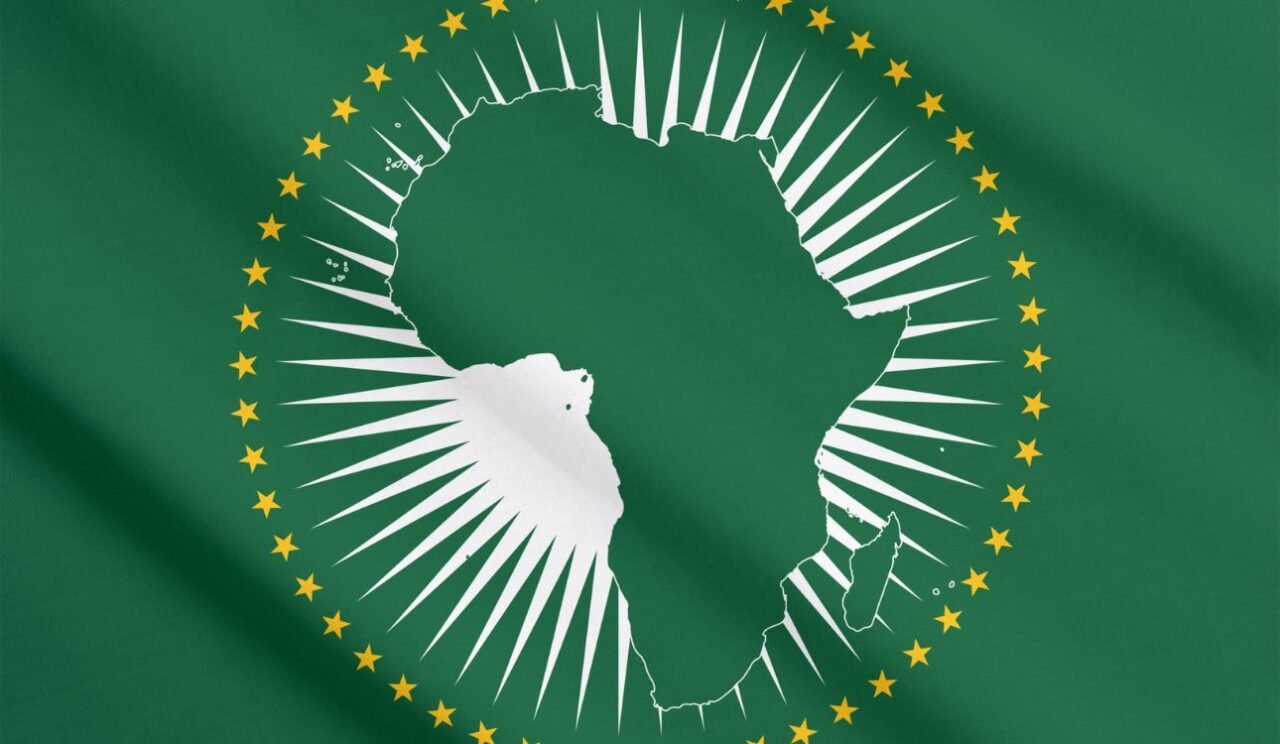
African-Union-AU-Summit-1280x744.jpg

1min15250
📅 Date: February 2025 📍 Location: Addis Ababa, Ethiopia (likely) Event: African Union (AU) Summit Description: The African Union Summit gathers African heads of state and government to discuss issues affecting the continent, including political, economic, and social matters. The 2025 summit will address critical issues such as regional integration, security, and economic development. Event Highlights: Political Unity: Discussions on fostering political stability and cooperation between African nations. Economic Development: Focus on accelerating intra-Africa trade and building sustainable economies. Climate and Security: Strategies to address climate change and ongoing regional security concerns. Ideal for: African policymakers, diplomats, business leaders, and civil society actors interested in African development.

admin3 December 2024
World-Health-Organization-WHO-Global-Health-Assembly-1280x744.jpg

1min40000
📅 Date: May 2025 📍 Location: Geneva, Switzerland Event: World Health Organization (WHO) Global Health Assembly Description: The World Health Assembly brings together health professionals and governments worldwide to discuss global health issues. In 2025, the assembly will focus on pressing global health challenges such as pandemic preparedness, universal health coverage, and health equity. Event Highlights: Health Systems Strengthening: Discussions on building resilient healthcare infrastructures globally. Global Health Initiatives: The rollout of new global health programs aimed at combating diseases like malaria, HIV/AIDS, and tuberculosis. Post-Pandemic Health Policies: A focus on preparing for future health crises and strengthening international collaboration. Ideal for: Public health professionals, policymakers, NGOs, and organizations focused on global health initiatives.

admin3 December 2024
EFCC-Secures-Single-Largest-Asset-Recovery-in-its-History-1280x744.jpg

4min12992
The Economic and Financial Crimes Commission (EFCC) has achieved its single largest asset recovery to date with the final forfeiture of a sprawling estate in Abuja, consisting of 753 units of duplexes and apartments. The estate, covering an area of 150,500 square meters, is located on Plot 109 Cadastral Zone C09 in the Lokogoma District. This  landmark  ruling,  delivered  by  Justice  Jude  Onwuegbuzie  on  Monday,  marks  a significant victory for the EFCC in its ongoing fight against corruption and financial crime. The property, which had been under investigation for its suspected ties to unlawful activities, has now been officially forfeited to the federal government. The case is the culmination of the Commission’s diligent efforts to ensure that proceeds from corruption and fraud are not enjoyed by perpetrators. The ruling was made based on the provisions of Section 17 of the Advance Fee Fraud and Other Fraud Related Offences Act No. 14, 2006, and Section 44 (2)(B) of the Constitution of the Federal Republic of Nigeria. Justice  Onwuegbuzie,  in  his  judgment,  emphasized  that  the  respondent  had  failed  to demonstrate any lawful grounds for retaining the property, which had been reasonably suspected of being acquired with illicit proceeds. “The property is hereby finally forfeited to the federal government,” the judge declared. The journey to the final forfeiture began with an interim order secured by the EFCC before the same judge on November 1, 2024. The investigation continues into the former government official responsible for the fraudulent acquisition and development of the estate. The forfeiture serves as a crucial mechanism for depriving individuals of the proceeds of their criminal activities, in line with the EFCC’s mission to combat corruption and ensure that illicit gains are not protected. A Strong Message in the Fight Against Corruption This ruling underscores the EFCC’s commitment to asset recovery as a key tool in the fight against corruption. According to the EFCC’s Executive Chairman, Mr. Ola Olukoyede, asset recovery plays an essential role in dismantling the financial power of criminals. He has often stressed the importance of asset tracing as a critical aspect of the Commission’s approach to investigating and prosecuting financial crimes. In a recent meeting with the House of Representatives Committee on Anti-Corruption, Olukoyede emphasized, “If you understand the intricacies involved in financial crime investigation and prosecution, you will discover that recovering one billion naira is like war. The moment we begin an investigation, we start asset tracing, because asset recovery is crucial in weakening the corrupt. One of the most effective ways to fight corruption is to strip criminals of the fruits of their crimes.” The EFCC’s persistent efforts in this area have led to significant successes in asset recovery, which have disrupted the financial backing of criminals and provided a strong deterrent to those involved in fraudulent activities.

admin3 December 2024
University-of-Cambridge-Discovers-350000-African-Artifacts-Unveiling-a-Colonial-Legacy-1280x744.jpg

3min22320
An astonishing 350,000 African artifacts, spanning human remains, photographs, manuscripts, and natural history specimens, have been uncovered in the collections of the University of Cambridge. This discovery sheds new light on the vast extent of the university’s historical ties to colonialism. The artifacts were unearthed by Dr. Eva Namusoke, Senior Curator for African Collections Futures at the University of Cambridge. Dr. Namusoke spent 15 months collaborating with university librarians, curators, and archivists to explore the extensive collections. Her work involved painstakingly sifting through the university’s archives and museum stores, revealing a diverse range of items from across the African continent—many of which have been stored for decades without display. Dr. Namusoke’s expertise, honed through her history PhD from Cambridge and a Master’s in African Studies from Yale, led the project to uncover these valuable pieces. Her research interests focus on East African postcolonial history, contemporary politics, and modern Commonwealth history, areas that have shaped her approach to addressing issues surrounding the colonial legacy in museum collections. While it is common for museums to hold large collections that are rarely exhibited, Dr. Namusoke was still taken aback by the scale and diversity of the materials she uncovered. “It was surprising to see this scale and diversity from the entire African continent, with many items having been there for decades,” she remarked. This project forms part of broader efforts by the University of Cambridge to confront the complex issues of colonization and enslavement within its museum collections. The majority of the artifacts discovered were acquired during the British colonial period, underscoring the university’s deep historical connections to colonial enterprises. The items were found across several of Cambridge’s renowned museums, the Botanic Garden, and the University Library, as well as in lesser-known collections within various university departments and institutions. Among the discoveries were Maasai armlets, donated by a colonial administrator, a small mammal collected from a Boer War concentration camp (1899-1902), early photographs of African people, and medieval Jewish manuscripts. The revelation of these items is expected to spark further discussions about the legacy of colonialism in academic institutions and the ethical implications of collecting cultural artifacts from colonized regions.