
Author: admin

admin2 January 2025
99999.jpeg

3min36700
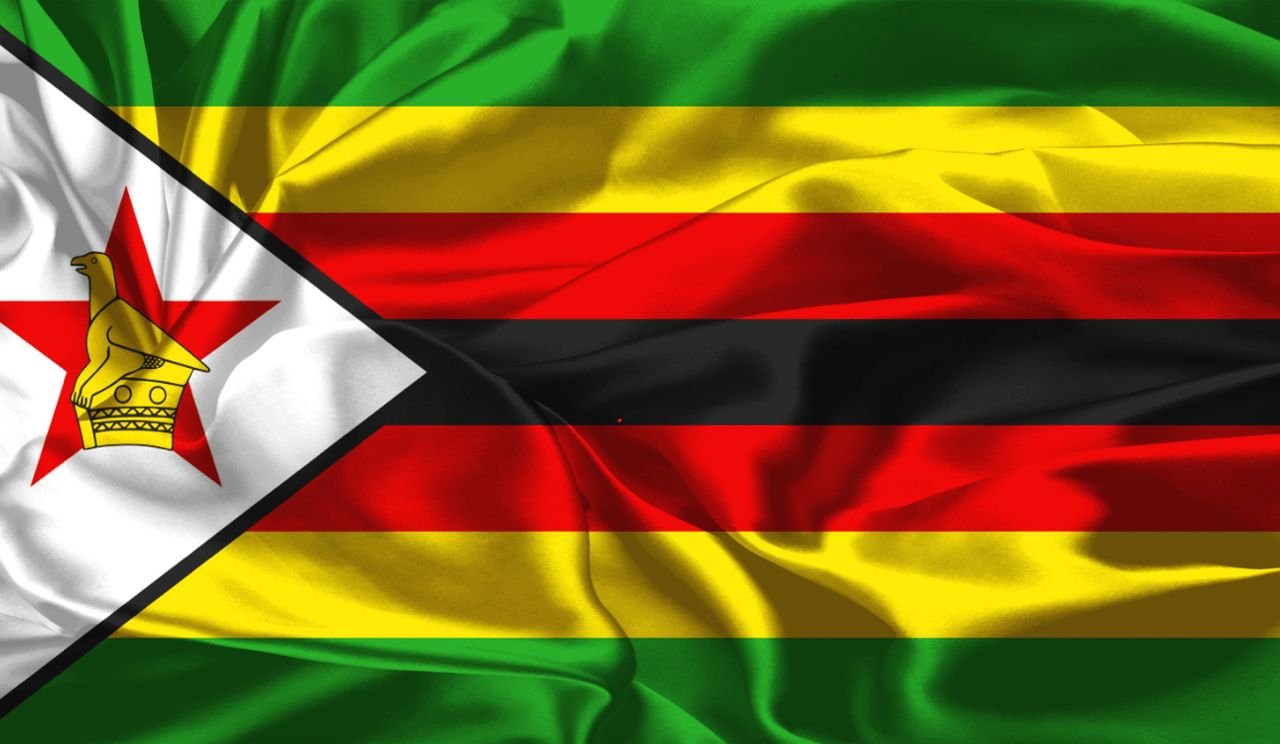
Zimbabwe has officially abolished the death penalty, marking a historic shift in the nation’s justice system. President Emmerson Mnangagwa approved the law with immediate effect, following a parliamentary vote earlier in December to scrap capital punishment.   Rights group Amnesty International celebrated the decision, calling it a “beacon of hope for the abolitionist movement in the region.” However, they expressed concern over a clause allowing the death penalty’s reinstatement during a state of emergency.   The death penalty in Zimbabwe dates back to British colonial rule. While the country last carried out an execution in 2005, courts continued to impose the sentence for severe crimes like murder. By the end of 2023, approximately 60 individuals remained on death row, according to Amnesty.   These inmates will now face re-sentencing, with judges instructed to consider factors such as the nature of the crime, time spent on death row, and personal circumstances.   Justice Minister Ziyambi Ziyambi hailed the reform as a profound statement of Zimbabwe’s dedication to justice and humanity. “This is more than a legal reform; it is a statement of our commitment to justice and humanity,” he remarked.   President Mnangagwa’s long-standing opposition to the death penalty is rooted in his own experiences. In the 1960s, he was sentenced to death for sabotaging a train during Zimbabwe’s fight for independence. His sentence was later commuted to 10 years in prison due to his young age at the time.   The Death Penalty Abolition Act was published in the Zimbabwean government gazette on Tuesday, solidifying the nation’s stance against capital punishment.   Zimbabwe’s decision places it among the growing number of African nations moving away from the death penalty. While challenges remain, including the conditional clause for reinstatement, this reform signals a broader commitment to human rights and justice in the region.  

admin2 January 2025
77777.jpeg

3min14640
In a move poised to reshape Nigeria’s financial landscape, President Bola Ahmed Tinubu has announced the establishment of a National Credit Guarantee Company (NCGC) set to launch in May. The initiative, aimed at expanding credit access for businesses and individuals, underscores Tinubu’s commitment to economic reforms that promote growth and financial inclusion.   Speaking on Wednesday, Tinubu emphasized the government’s determination to enhance credit opportunities and reduce lending risks for financial institutions. “To achieve this, the federal government will establish the National Credit Guarantee Company to expand risk-sharing instruments for financial institutions and enterprises,” he said.   The NCGC will operate in collaboration with key government entities such as the Bank of Industry, the Nigerian Consumer Credit Corporation, the Nigerian Sovereign Investment Agency, and the Ministry of Finance Incorporated. Private sector players and multilateral institutions will also partner in this transformative effort.   “This initiative will strengthen the confidence of the financial system, expand credit access, and support underserved groups such as women and youth,” Tinubu added. “It will drive growth, re-industrialization, and better living standards for our people.”  The launch of the NCGC builds on the government’s earlier efforts to improve access to credit. Eight months ago, Tinubu inaugurated the Nigerian Consumer Credit Corporation, designed to enhance credit availability for employed Nigerians. Initially focused on federal civil servants, the programme has since expanded to include the general public, setting the stage for broader financial inclusion.   The planned credit guarantee framework will bolster financial institutions’ confidence, reducing risks associated with lending to smaller enterprises and individual borrowers. This, in turn, is expected to spur entrepreneurial activity, create jobs, and revitalize industries critical to Nigeria’s economy.   President Tinubu, who assumed office in May 2023, has positioned economic reform at the heart of his administration’s agenda. By prioritizing credit access, his government aims to empower marginalized groups, particularly women and youth, who often face barriers in traditional financial systems.   The NCGC’s establishment is not only a step towards financial inclusion but also a bold stride toward reindustrialization, offering a pathway to sustainable economic development.  

admin31 December 2024
001.jpeg

2min7230
The US Treasury Department has reported a significant cybersecurity breach allegedly orchestrated by Chinese state-sponsored hackers. The attackers gained access to employee workstations and unclassified documents earlier this month, prompting the agency to label it a “major incident” in a formal notification to lawmakers.   The attack is part of a broader pattern of high-profile breaches in the US blamed on China, which has denied involvement, dismissing the accusations as “baseless.” The Treasury Department revealed that the hackers exploited a vulnerability in a third-party service provider, BeyondTrust, which offers remote technical support to employees. BeyondTrust has since been taken offline to mitigate further risks.   Initial investigations, involving the FBI, the Cybersecurity and Infrastructure Security Agency (CISA), and forensic experts, suggest the breach was carried out by a “China-based Advanced Persistent Threat (APT) actor.” Officials assured that no evidence indicates continued unauthorized access to Treasury data.   This incident follows other recent cyberattacks attributed to China, including a December hack targeting telecom companies that potentially exposed extensive phone records. The breach underscores ongoing challenges in protecting critical US infrastructure from advanced cyber threats.

admin31 December 2024
002.jpeg

1min5640
The SEA Empowerment Research Center has raised alarms about the implications of Nigeria’s $2 billion currency swap agreement with China. While the initiative is expected to ease trade by facilitating transactions in Naira and Yuan, the Center warns it could compromise Nigeria’s national resources if not carefully managed.   In its end-of-year report, the Center highlighted the growing trade imbalance between the two nations, with Chinese imports dominating Nigerian markets. According to Eugene Nweke, Head of Research at the Center, the deal reduces reliance on the U.S. dollar but increases Nigeria’s vulnerability to currency fluctuations and potential resource forfeiture if financial obligations are unmet.   The report also emphasized the need for transparency and strategic oversight to protect Nigeria’s economic sovereignty and ensure the agreement benefits both nations equitably.

admin31 December 2024
003.jpeg

2min7740
Nigeria has partially resumed operations at its Warri oil refinery, marking a significant step in the government’s efforts to revive the country’s long-neglected refining capacity. This development comes nearly a decade after the refinery was shut down due to disrepair and crude shortages.   The Nigerian National Petroleum Corporation (NNPC), led by its head Mele Kyari, announced the refinery is now running at 60% of its 125,000-barrel-per-day (bpd) capacity. Speaking during a facility tour with government officials, regulators, and journalists, Kyari said, “This plant is running. We have not completed 100%.”   The Warri refinery, located in the oil-rich Niger Delta, is one of four state-owned refineries with a combined capacity of 445,000 bpd. These include the 110,000 bpd Kaduna refinery in the north and two others in the Niger Delta. All have been plagued by years of neglect, damage, and mismanagement, leaving Africa’s largest crude oil exporter reliant on fuel imports.   In October, NNPC revived the 60,000 bpd Port Harcourt refinery, also in the Niger Delta, as part of a broader plan to rehabilitate all four facilities this year. The reopening of Warri signals progress, though the journey to fully restore Nigeria’s refining industry remains ongoing.   Presidential spokesperson Bayo Onanuga described the move as a “milestone” in a statement, emphasizing the government’s commitment to reducing dependence on imported fuel and boosting local production.   This development is a significant win for the Nigerian oil sector and highlights the government’s efforts to overcome years of challenges and inefficiencies in its refinery operations.

admin30 December 2024
333333333-1280x744.jpg

1min8540
The Federal Government has earmarked N298.4 billion for the National Science and Engineering Infrastructure (NASENI) in the proposed 2025 fiscal year budget. The allocation is part of the broader  N47.9 trillion “Budget of Restoration,” which is currently under review by the National Assembly.   This ambitious budget focuses on critical sectors such as security, infrastructure, education, agriculture, and health but also faces a significant N9 trillion deficit.   In a similar vein, the Nigerian Education Loan Fund (NELFUND) is set to receive N175.1 million in 2025. Of this, N124 million is allocated for personnel and salary expenses, with no funds designated for capital expenditure.   The Defence Research and Development Bureau has been allocated N8.6 billion, with N5.2 billion dedicated to recurrent expenditures. Notably, the defence sector as a whole has secured the largest portion of the budget, receiving over N14 trillion to address national security challenges.   These allocations reflect the government’s strategic focus on innovation, education, and defence, aiming to restore and strengthen critical sectors of the economy.

admin30 December 2024
Copy-of-pici-2-1222222-1280x744.jpg

2min7070
A tragic shark attack in Egypt’s Marsa Alam resort has left one tourist dead and another injured, according to a statement released by the Environment Ministry on Sunday.   The ministry did not disclose the nationalities of the victims, but reports from Italian media, including the news agency ANSA, identified them as Italian men.   Shark sightings in the Red Sea are uncommon, but they do occur. The ministry confirmed that the attack happened in deep waters outside the designated swimming areas near the jetties in northern Marsa Alam. Authorities emphasized that swimming beyond these zones is prohibited and announced that the jetties would be closed for two days starting Monday.   Marsa Alam, a popular coastal destination, is renowned for its coral reefs, marine biodiversity, and pristine beaches. However, this incident serves as a stark reminder of the potential dangers in open waters.   The last fatal shark encounter in the region occurred in June 2023, when a tiger shark killed a Russian tourist in Hurghada, another Red Sea resort north of Marsa Alam. Additionally, just last month, a tourist boat capsized in the same area, resulting in four fatalities and leaving seven people missing.   Authorities are urging visitors to follow safety guidelines to prevent further tragedies.

admin30 December 2024
Copy-of-pici-1-111111-1280x744.jpg

3min7460
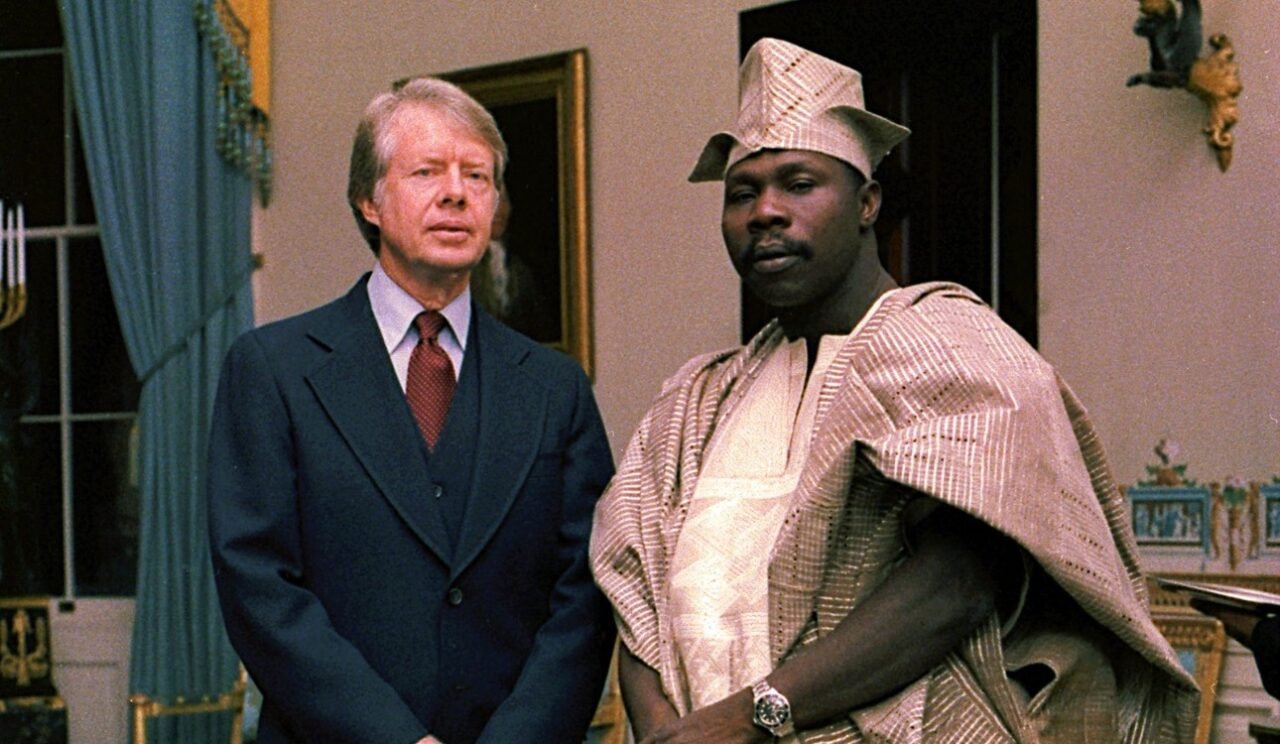
Jimmy Carter, the 39th president of the United States and a Nobel Peace Prize winner, has passed away at the age of 100. He died peacefully at his home in Plains, Georgia, surrounded by family. Carter, who lived longer than any other U.S. president, leaves behind a legacy of public service, humanitarian efforts, and global advocacy.   President Joe Biden described Carter as “a man of principle, faith, and humility,” emphasizing his dedication to building a better world. Former President Donald Trump also paid tribute, stating that Carter’s contributions had made a lasting impact on American life.   Born on October 1, 1924, in Plains, Georgia, Carter’s journey from a peanut farmer to the Oval Office remains an inspiring story. After graduating from the U.S. Naval Academy, he served in the Navy before returning to Georgia to manage his family’s farm. His political career began in the Georgia State Senate, and he later became governor of the state before ascending to the presidency in 1977.   Carter’s single term as president was marked by significant achievements and challenges. He brokered the historic Camp David Accords, bringing peace between Egypt and Israel, and he championed human rights and environmental conservation. However, his presidency faced setbacks, including the Iran hostage crisis and economic struggles, leading to his loss in the 1980 election to Ronald Reagan.   After leaving the White House, Carter devoted himself to humanitarian causes, founding the Carter Center in 1982. The center worked on advancing peace, eradicating diseases, and promoting democracy worldwide. In 2002, he was awarded the Nobel Peace Prize for his tireless efforts in promoting human rights and conflict resolution.   Carter’s later years were also defined by his role as a global elder, teaming up with leaders like Nelson Mandela to address pressing global issues. Despite his advanced age, he continued to inspire through his advocacy for justice and equity.   Jimmy Carter’s passing marks the end of an era but leaves behind an enduring legacy of service, compassion, and unwavering commitment to making the world a better place. Photocredit: Jimmy Carter with Fmr Lt. General, President Olusegun Obasanjo, 11th October 1977. https://creativecommons.org/publicdomain/zero/1.0/

admin29 December 2024
IMG_3205-1280x744.jpeg

2min17520
The battle for Africa’s vast mineral resources is heating up as the United States and China vie for dominance in one of the continent’s most resource-rich regions. At the heart of this competition lies the Democratic Republic of Congo (DRC), home to an astonishing 70% of the world’s cobalt reserve, a critical component in green technologies such as electric vehicle batteries and renewable energy storage.   The United States is taking significant steps to secure access to these resources. In a strategic move, it is modernizing a colonial-era railway connecting the Atlantic port of Lobito in Angola to the mineral-rich Katanga region in the DRC. This revamped railway line promises to create a vital transportation corridor, ensuring that cobalt and other minerals reach international markets efficiently and securely.   On the other side of the geopolitical chessboard, China has been strengthening its foothold in the DRC through its ambitious Belt and Road Initiative. Over the years, China has poured billions into Congolese infrastructure projects, including roads, bridges, and power plants. These investments often come with strings attached, such as exclusive mining rights and long-term resource deals.   While these developments are driving economic growth and infrastructure development in the DRC, they also raise questions about sovereignty and equitable resource distribution. Many observers worry that the intense competition could lead to environmental degradation and exploitation of local communities.   As the US and China continue their tug-of-war over Africa’s mineral riches, the stakes remain high not just for the superpowers but for the global transition to clean energy. For now, the DRC finds itself at the center of this new era of resource-driven diplomacy.

admin29 December 2024
IMG_3204-1280x744.jpeg

2min8160
In a heart-wrenching incident today, South Korea witnessed its deadliest air accident ever when a Jeju Air flight crash-landed at Muan International Airport, erupting into flames and claiming the lives of at least 174 people.   The ill-fated flight, 7C2216, was en route from Bangkok, Thailand, carrying 175 passengers and six crew members. The Boeing 737-800 attempted to land shortly after 9 a.m. local time (0000 GMT) but belly-flopped onto the runway before veering off course and slamming into a wall, triggering a fiery explosion.   Video footage shared by local media shows the plane skidding across the runway without its landing gear, engulfed in flames as debris scattered across the airport. “Only the tail part retains a little bit of shape, and the rest of the plane looks almost impossible to recognize,” said Muan Fire Chief Lee Jung-hyun during a press briefing.   Tragically, only two crew members, a man and a woman were pulled alive from the wreckage, rescued from the plane’s tail section. They are now receiving treatment for medium to severe injuries, according to local health authorities. The remaining passengers and crew are presumed dead, making this the most devastating crash involving a South Korean airline in nearly 30 years.   This catastrophe has left the nation reeling, with authorities now focused on uncovering what led to this tragic chain of events. For now, South Korea mourns the loss of so many lives in a disaster that has left an indelible mark on its aviation history.