

 admin
adminZimbabwe Abolishes Death Penalty in Landmark Move
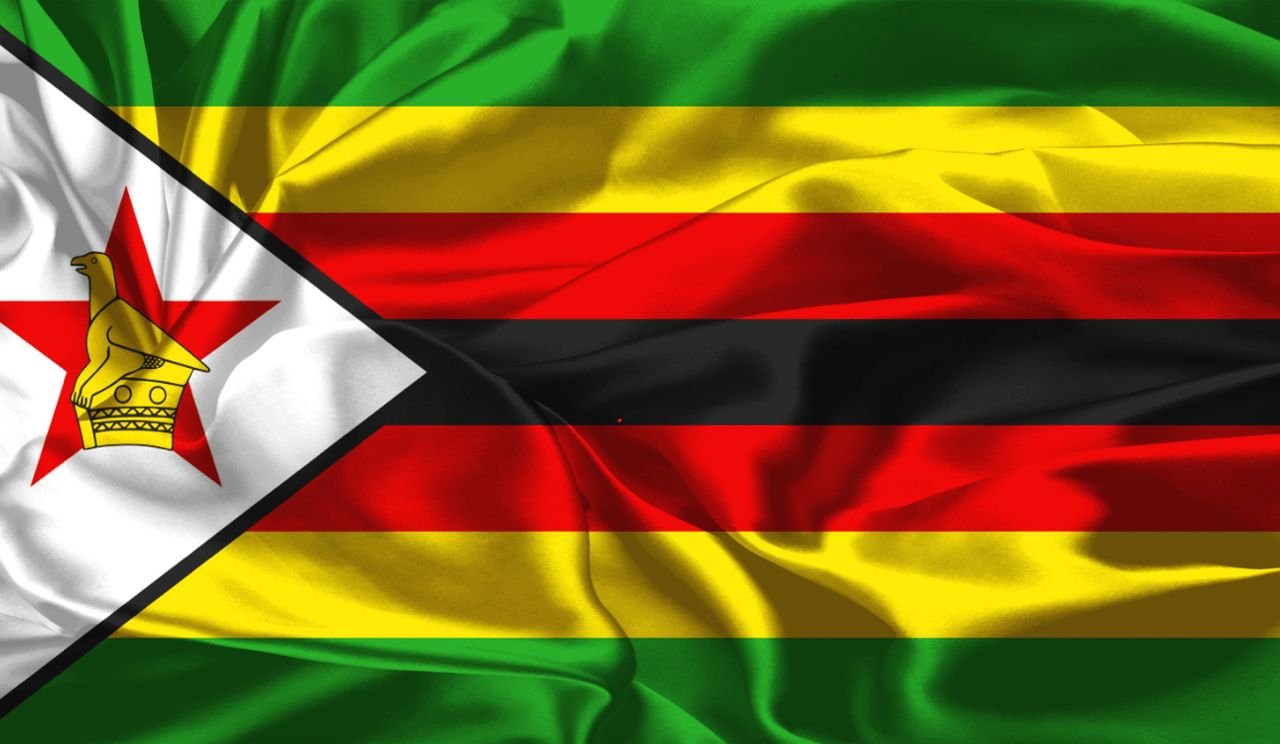
Zimbabwe has officially abolished the death penalty, marking a historic shift in the nation’s justice system. President Emmerson Mnangagwa approved the law with immediate effect, following a parliamentary vote earlier in December to scrap capital punishment.
Rights group Amnesty International celebrated the decision, calling it a “beacon of hope for the abolitionist movement in the region.” However, they expressed concern over a clause allowing the death penalty’s reinstatement during a state of emergency.
The death penalty in Zimbabwe dates back to British colonial rule. While the country last carried out an execution in 2005, courts continued to impose the sentence for severe crimes like murder. By the end of 2023, approximately 60 individuals remained on death row, according to Amnesty.
These inmates will now face re-sentencing, with judges instructed to consider factors such as the nature of the crime, time spent on death row, and personal circumstances.
Justice Minister Ziyambi Ziyambi hailed the reform as a profound statement of Zimbabwe’s dedication to justice and humanity. “This is more than a legal reform; it is a statement of our commitment to justice and humanity,” he remarked.
President Mnangagwa’s long-standing opposition to the death penalty is rooted in his own experiences. In the 1960s, he was sentenced to death for sabotaging a train during Zimbabwe’s fight for independence. His sentence was later commuted to 10 years in prison due to his young age at the time.
The Death Penalty Abolition Act was published in the Zimbabwean government gazette on Tuesday, solidifying the nation’s stance against capital punishment.
Zimbabwe’s decision places it among the growing number of African nations moving away from the death penalty. While challenges remain, including the conditional clause for reinstatement, this reform signals a broader commitment to human rights and justice in the region.

