Author: Edupreneur Editorial Team

1-1-1280x744.jpg

3min8300
TikTok Shop is set to officially launch in France, Germany, and Italy on Monday, marking a significant milestone in the platform’s European expansion. This innovative e-commerce service transforms TikTok into a vibrant digital marketplace where users can shop directly from the app, combining engaging social content with seamless purchasing options. TikTok Shop’s interactive platform allows users to discover and buy products through shoppable videos and live streams, turning casual scrolling into instant shopping experiences. In France, the service has already struck a deal with major supermarket chain Carrefour, providing access to a broad range of everyday products. Meanwhile, in Germany, partnerships with fast-fashion retailer AboutYou and cosmetics brand Cosnova underline the platform’s strategy to cater to diverse consumer interests, from trendy apparel to beauty essentials. Since its launch in the UK in 2021 and the U.S. in September 2023, TikTok Shop has rapidly gained traction by capitalizing on the growing trend of livestream selling and discounted product offerings. Despite some uncertainties regarding its future in the U.S., the company is confident that the European market holds strong potential for expansion. The new rollout is part of TikTok Shop’s broader ambition to diversify its product offerings and create a dynamic online shopping environment. By integrating entertainment with commerce, the platform aims to attract a new wave of customers eager for an engaging and interactive retail experience. As TikTok Shop enters these key European markets, it will continue to leverage its massive global user base and innovative technology to redefine the boundaries of social commerce, transforming the way consumers shop and brands reach their audiences in the digital age.

Untitled-design-2-3-1280x744.jpg

3min8560
The European Medicines Agency (EMA) has turned down Eli Lilly’s experimental Alzheimer’s treatment, Kisunla (donanemab), after determining that its modest benefits in slowing cognitive decline do not justify the risk of serious brain swelling. In its decision, the EMA cited that while the drug offers a slight deceleration in cognitive deterioration, the potential for dangerous side effects, including severe cerebral edema, poses an unacceptable risk to patients. This move places the spotlight on the safety profiles of emerging Alzheimer’s therapies amid a race to address a disease that affects millions across Europe. The rejection also bolsters the position of rival treatments, notably Eisai and Biogen’s Leqembi (lecanemab), which has already received conditional backing from the agency for use in certain patient groups. The EMA had initially raised concerns over Leqembi’s safety, but subsequent adjustments and targeted recommendations allowed it to gain favor as a potentially viable option for patients with a lower genetic predisposition to adverse effects. Eli Lilly, however, is not conceding defeat. The company has announced plans to appeal the ruling, with executive vice president Ilya Yuffa expressing optimism that further dialogue with the EMA might eventually pave the way for Kisunla’s approval. “We remain committed to advancing treatments for Alzheimer’s and will continue our efforts to ensure patient safety while delivering therapeutic benefits,” Yuffa stated. This decision comes at a time when the European healthcare community is under pressure to find effective treatments for Alzheimer’s disease, which currently affects an estimated 7 million people on the continent. As regulatory bodies weigh innovation against patient safety, the EMA’s cautious stance underscores the complex challenges of approving new therapies for a condition that continues to demand urgent medical breakthroughs. The appeal process is expected to unfold over the coming months, with industry experts closely watching whether additional data or revised protocols might sway regulators in favor of Kisunla.

Untitled-design-1-3-1280x744.jpg

2min8550
The U.S. government, under President Donald Trump, has announced plans to terminate its financial support for Gavi, the Vaccine Alliance, a global initiative that has helped immunize over 1 billion children and prevented millions of deaths in developing countries. According to documents from the U.S. Agency for International Development (USAID), the decision is part of a broader effort to reduce foreign aid under the “America First” policy. Historically, the United States has contributed around 13% of Gavi’s budget, a critical source of funding that has enabled the alliance to combat diseases such as polio, measles, and COVID-19. Gavi’s Chief Executive, Dr. Sania Nishtar, warned that this funding cut could have catastrophic consequences, potentially resulting in over 1 million preventable deaths worldwide. “U.S. support is crucial to sustaining immunization programs in low-income countries,” she stated, emphasizing that the decision could undermine decades of progress in global public health. The move has sparked immediate criticism from international health experts and humanitarian organizations, who argue that reducing support for Gavi would not only jeopardize vaccine distribution in vulnerable populations but also weaken global health security. They contend that the withdrawal of American funding may force other donor countries to increase their contributions to prevent a severe setback in the fight against infectious diseases. While the Trump administration defends the policy shift as a necessary reallocation of resources to prioritize domestic needs, Gavi and its supporters remain deeply concerned about the broader implications for public health. The alliance is now calling on other international donors to step in and help fill the potential funding gap. As the administration moves forward with the plan, global health advocates are closely monitoring the situation, anticipating further debate over the balance between domestic priorities and international aid commitments.

99999999999999.jpeg

2min5340
A massive fire broke out on March 25, 2025, engulfing a newly constructed female hostel at Sokoto State University (SSU) and sending shockwaves across the campus. The blaze, which quickly consumed the modern facility designed to address the student housing shortage, led to immediate panic among students and staff. Fortunately, no injuries have been reported. University officials confirmed that the building had been evacuated prior to the incident, though many residents were displaced from their new accommodations. Emergency services, including local firefighters, responded promptly to the scene and successfully extinguished the fire. The cause of the blaze remains under investigation, with authorities yet to determine what sparked the incident. In the aftermath, SSU is assessing the full extent of the damage to the hostel. University leadership has promised a thorough investigation and plans to provide support for affected students as they await temporary housing arrangements. This unfortunate event marks a significant setback in the university’s efforts to upgrade its student facilities and underscores the urgent need for enhanced fire safety measures in new constructions. The university community continues to express concern and calls for transparency as further details emerge.

Untitled-design-8-1280x744.jpg

2min5150
Nigerian singer-songwriter Bukola Elemide, better known as Aṣa, has been selected as one of the 16 global leaders for the 2025 Yale World Fellows Program. Hosted by Yale University’s International Leadership Center, this prestigious four-month residency brings together influential figures from a diverse range of sectors including arts, technology, human rights, and international development. Aṣa’s appointment to the fellowship highlights her significant contributions to the music industry as well as her broader impact as a cultural leader. The Yale World Fellows Program, established in 2002, has a long history of fostering global leadership by providing academic enrichment, leadership training, and mentorship opportunities. Over the years, it has welcomed more than 400 fellows from 101 countries. Emma Sky, director of Yale’s International Leadership Center, remarked on the importance of the program’s diverse cohort, noting that the fellows “are operating with remarkable savvy and often immense courage on the frontlines of the fight for a better world.” Aṣa’s participation underscores the growing recognition of artists as pivotal voices in global conversations on social change and cultural influence. As the 2025 cohort prepares to convene, Aṣa joins a dynamic group of leaders set to contribute innovative ideas and solutions to some of today’s most pressing global challenges. Her inclusion is widely seen as a testament to the transformative power of the arts in shaping public discourse and inspiring positive change worldwide.

Untitled-design-1280x744.jpg

2min10540
President Donald Trump has announced a sweeping 25% tariff on all imported vehicles and auto parts, a measure aimed at bolstering domestic manufacturing that is set to take effect on April 2, 2025. The administration asserts that the new tariff policy will help reduce the trade imbalance and is projected to generate approximately $100 billion in annual tax revenues. The tariff will cover a broad spectrum of automobiles, including passenger cars, SUVs, minivans, light trucks, and key auto components such as engines, transmissions, and electrical systems. Industry analysts warn that the additional cost could add up to $10,000 to the price of a new vehicle, potentially dampening consumer demand in an already challenging economic climate. The decision has sparked strong criticism and threats of retaliation from several U.S. allies. Canadian Prime Minister Mark Carney denounced the tariff as a “direct attack” on Canadian autoworkers, while European leaders expressed concerns that the measure could ignite further retaliatory actions, deepening global trade frictions. Major American automakers, including General Motors and Ford, saw declines in their stock prices following the announcement, reflecting investor anxiety over the potential impact on the auto industry. Critics argue that while the tariffs are intended to protect U.S. jobs and industry, they risk provoking a broader trade war that could harm both the U.S. economy and its international relations. As the implementation date nears, market stakeholders and global trade partners are closely monitoring the situation, anticipating further negotiations and countermeasures that could shape the future of international automotive trade.

Untitled-design-7-3-1280x744.jpg

13min5520
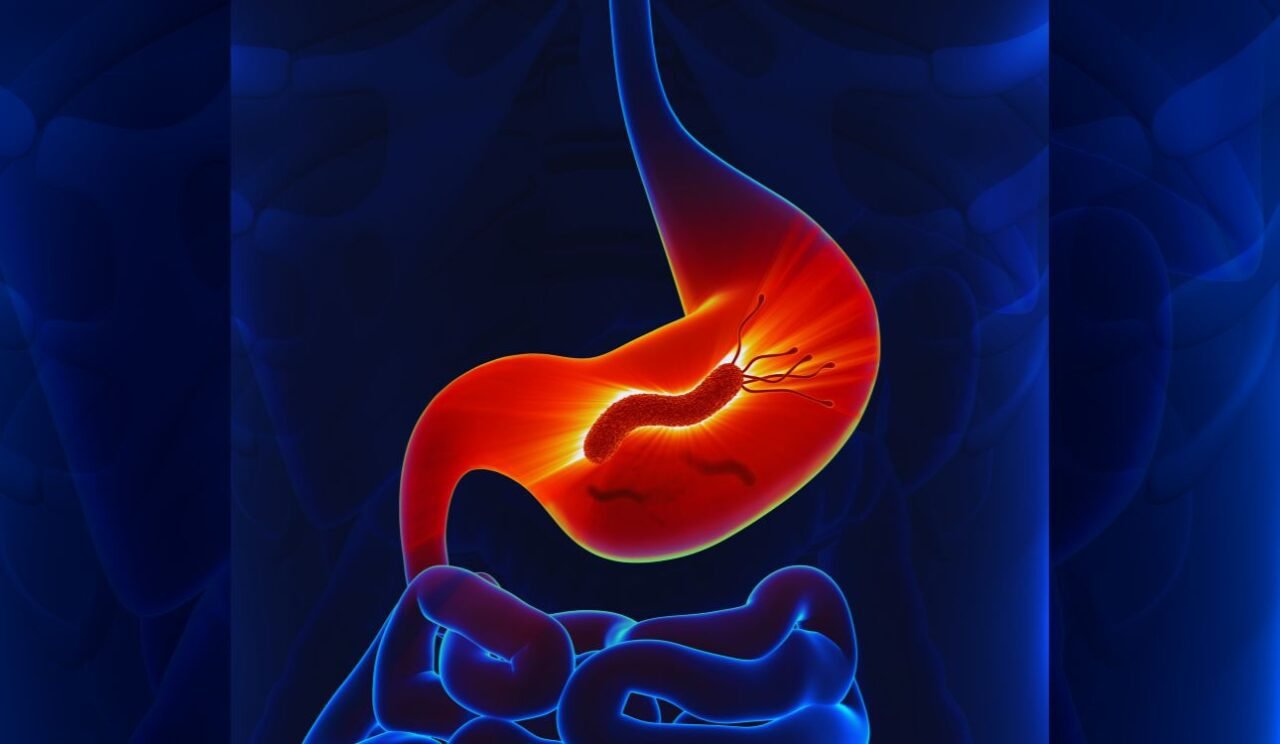
Stomach troubles are a common complaint in Nigeria and across Africa. Many attribute that persistent bloating, that gnawing abdominal pain, or even those troublesome ulcers to the usual suspects: stress, perhaps a bit too much pepper in the stew, or irregular eating habits. But what if there’s a more pervasive, often silent culprit at play? This article delves into the world of Helicobacter pylori (H. pylori), an ancient bacterium that is increasingly recognized as a significant factor in the gastrointestinal health landscape of Nigeria and the wider African continent. Understanding this “hidden culprit” is crucial for everyone, from parents caring for their young ones to teachers guiding students, from the cooks preparing our meals to the dedicated domestic staff who keep our homes running. Its rising relevance impacts our health and our way of life, making it a topic we can no longer afford to ignore. What Exactly is Helicobacter pylori? Imagine a tiny, spiral-shaped organism, so small it can only be seen with a microscope. This is Helicobacter pylori, a bacterium with a remarkable ability to thrive in one of the most inhospitable environments in our body: the stomach. Our stomachs are filled with strong acid, designed to break down food and kill harmful microbes. Yet, H. pylori has a unique adaptation that allows it to not only survive but also colonize this acidic niche. Classified as a gram-negative bacterium, it infects over half of the world’s population, with alarmingly high rates reported in developing regions, particularly in Africa. Studies indicate that in developing countries, the prevalence of this infection can range from a staggering 70 to 90%, a stark contrast to the 20 to 50% seen in more developed nations. In Africa, infection rates can soar as high as 80%, and often, this unwelcome guest takes up residence in our stomachs during childhood. While many individuals carrying H. pylori remain blissfully unaware of its presence, experiencing no symptoms whatsoever, this seemingly harmless colonization can trigger chronic inflammation in the stomach lining. Over time, this persistent inflammation can pave the way for more serious health issues, including the development of peptic ulcer disease and, in some cases, even gastric cancer. The stark difference in prevalence between developed and developing countries strongly suggests that socioeconomic factors and environmental conditions play a pivotal role in the spread and persistence of H. pylori. Developed nations typically benefit from advanced sanitation and hygiene practices, which likely contribute to their lower infection rates. This comparison underscores the urgent need to address these fundamental factors in regions like Nigeria. Furthermore, the fact that so many individuals harbor the infection without showing any signs means a significant portion of the population might be living with a potential long-term health risk, unknowingly. This highlights the critical importance of increasing awareness and understanding the potential consequences of leaving this infection untreated.  More Than Just a Stomach Ache: Recognizing the Risks While H. pylori often lurks silently in the stomach, causing no immediate discomfort for many, it’s important to understand that its presence is not always benign. A significant number of individuals infected with H. pylori may not experience any noticeable symptoms, allowing the infection to persist for years without detection. However, when symptoms do manifest, they can range from mild to severe and can significantly impact an individual’s quality of life. These symptoms can include: Chronic Gastritis: This refers to a persistent inflammation of the stomach lining, which can lead to a feeling of discomfort or irritation in the upper abdomen. Dyspepsia: Characterized by unexplained and recurring upper abdominal pain, often accompanied by nausea or a feeling of bloating. This can significantly interfere with daily activities and overall well-being. Peptic Ulcers: These are painful sores that develop in the lining of the stomach or the duodenum, the first part of the small intestine. Peptic ulcers can cause intense abdominal pain, often described as a burning sensation, and can lead to serious complications if left untreated. Beyond these more common symptoms, individuals with H. pylori infection might also experience a general ache or burning pain in the stomach, stomach pain that feels worse when the stomach is empty, loss of appetite, frequent burping, and unintentional weight loss . H. pylori infection has also been recognized as a cause of various gastrointestinal disorders, including gastritis, dyspepsia, and even gastric cancer , and is linked to digestive illnesses that manifest as indigestion. The Diagnosis Dilemma Several diagnostic methods are available for detecting H. pylori, but their availability and affordability vary significantly in Nigeria. The urea breath test (UBT) and stool antigen test are considered gold-standard non-invasive tests. While available in some centers, their utilization is often limited by their cost, which can be prohibitive for many individuals in Nigeria, and by resource limitations within healthcare facilities. The urea breath test, though highly accurate, is expensive and not easily accessible to a majority of the population in developing countries like Nigeria . Consequently, the H. pylori stool antigen test (HpSA) is often considered a more affordable and readily available alternative for both initial diagnosis and monitoring the effectiveness of treatment . Despite its reliability, few studies in Nigeria have utilized the urea breath test to determine the true prevalence of the infection . Stool antigen tests, on the other hand, have demonstrated high sensitivity and specificity and are becoming more widely available. Strategies to Fight Back While medical treatment plays a vital role in eradicating Helicobacter pylori infection, lifestyle adjustments and public health initiatives are equally crucial in preventing its spread and reducing its prevalence in Nigeria and Africa. Simple measures can have a significant impact on curbing the transmission of this bacterium. Improved sanitation is paramount in reducing the spread of H. pylori . Ensuring access to clean and safe water sources for drinking and food preparation is essential, as contaminated water is a known route of transmission . Proper waste disposal systems are also necessary to prevent the contamination of water and food supplies .  Adopting and maintaining good

Untitled-design-5-1-1280x744.jpg

3min4370
Papua New Guinea (PNG) has temporarily blocked access to Facebook as part of a government “test” aimed at reducing hate speech, misinformation, and explicit content. The move, announced by Police Minister Peter Tsiamalili, is being carried out under the country’s Anti-Terrorism Act 2024. The decision has sparked backlash from opposition leaders and media groups, who fear it could set a precedent for broader internet censorship. Opposition MP Allan Bird called the ban “draconian,” while the Media Council of PNG warned it could infringe on press freedom and human rights. Despite the ban, many PNG citizens have reportedly started using Virtual Private Networks (VPNs) to bypass the restrictions and regain access to Facebook. Meanwhile, the country’s telecommunications regulators, including the National Information and Communications Technology Authority (NICTA), have claimed they were not informed before the implementation of the ban. The government has not specified how long the restriction will last, but similar attempts in other Pacific nations, such as the Solomon Islands’ proposed Facebook ban in 2021, were ultimately abandoned due to public outcry.

Untitled-design-4-2-1280x744.jpg

3min13860
The University of Lincoln, along with other universities across the United Kingdom, is appealing to the government to reassess its recent decision to impose stricter visa regulations on international students. University leaders argue that these new restrictions could deter prospective students from choosing the UK as their study destination, potentially impacting the diversity and financial stability of higher education institutions.​ International students contribute significantly to the UK’s economy and cultural landscape. According to the Higher Education Policy Institute, they add over £25 billion annually to the economy. Universities UK, the collective voice for universities in England, Scotland, Wales, and Northern Ireland, has expressed concerns that the visa changes may undermine the UK’s global reputation as a welcoming place for international education.​ The government maintains that the revised visa policies aim to manage immigration levels and ensure that incoming students meet specific criteria. However, university officials are calling for a balanced approach that considers both immigration control and the substantial benefits international students bring to the UK.​ The University of Lincoln emphasizes the importance of creating an inclusive environment that attracts talent worldwide. The institution fears that stringent visa restrictions could hinder efforts to foster a diverse academic community and limit opportunities for cross-cultural exchange.​ This collective appeal from UK universities underscores the ongoing debate between governmental immigration policies and the higher education sector’s objectives to maintain the UK’s status as a leading destination for international students.

Untitled-design-3-2-1280x744.jpg

2min15720
The University of Nigeria, Nsukka (UNN) has appointed Professor Kamoru Olayiwola Usman as its new Deputy Vice-Chancellor (Academics). This historic appointment marks the first time a Yoruba Muslim from Oyo State has been elevated to this leadership role at UNN. The decision, approved by the university’s Senate during its recent meeting, comes after a rigorous selection process. Professor Usman, a distinguished scholar in Mathematics Education, previously served as the Provost of the Federal College of Education (Special) in Oyo, showcasing his strong academic leadership credentials. University leadership, including Vice-Chancellor Professor Charles Igwe, has lauded Professor Usman’s appointment, emphasizing that his track record and vision will be instrumental in advancing UNN’s mission of academic excellence, research, and inclusive administration. “Professor Usman’s appointment reflects our commitment to meritocracy and national unity,” Professor Igwe stated in an official release. While official statements and media coverage have highlighted the significance of this milestone, reactions from the broader university community appear mixed. Some stakeholders have welcomed the change as a progressive step toward greater diversity in leadership, while others have called for more clarity on how the new appointment will impact ongoing academic reforms. The overall acceptance among faculty and students is still emerging, with further comments expected as Professor Usman assumes his new responsibilities. The appointment is seen as a crucial move in strengthening UNN’s reputation as one of Nigeria’s leading academic institutions, reinforcing its dedication to fostering an environment of excellence and innovation in higher education.