Author: Ifunanya Okafor

Ifunanya Okafor28 February 2025
16-1-1280x744.jpg

2min6620
Researchers at Tokyo’s Waseda University have unveiled a prototype humanoid robot named AIREC, designed specifically to address Japan’s growing elderly care challenges. Weighing 150 kilograms, AIREC is engineered to perform crucial caregiving tasks such as repositioning patients to prevent bedsores and assisting with diaper changes, thereby potentially easing the strain on human caregivers. Japan faces a dual challenge: a rapidly aging population coupled with a declining birth rate and restrictive immigration policies. These factors have led to a significant shortage of caregivers, prompting innovators like Professor Shigeki Sugano and his team to explore technological solutions. While AIREC’s capabilities offer a promising glimpse into the future of elder care, the robot is still in its prototype phase and isn’t expected to be fully operational in care facilities until around 2030. Its estimated initial cost is at least 10 million yen (approximately $67,000), underlining both the potential and the financial investment required for this technology. Despite the high costs and developmental challenges, experts suggest that AI-equipped robots like AIREC could play a pivotal role in transforming elderly care. However, they stress that a collaborative approach where robots assist human caregivers rather than replace them entirely will be key to delivering comprehensive and compassionate care. For a closer look at AIREC in action, watch this demonstration video: Aging Japan turns to AI robots to care for older people This development not only marks a significant step forward in robotics and AI integration within the healthcare sector but also highlights the broader trend of leveraging technology to meet societal challenges in aging populations.   Photo and video credit: Reuters

Ifunanya Okafor27 February 2025
insta-1280x744.jpg

2min5560
Instagram is reportedly considering launching a separate app for its short-form video feature, Reels, as uncertainty looms over TikTok’s future in the United States. According to a report by The Information, Instagram chief Adam Mosseri discussed the potential move with employees this week. If implemented, the shift would signal Meta’s renewed push to dominate the short-form video space, particularly as TikTok faces regulatory scrutiny in the U.S. over its ties to China-based parent company, ByteDance. Meta has previously experimented with standalone video-sharing apps, including Lasso, which was discontinued due to low engagement. Earlier this year, the company also introduced Edits, a video-editing tool designed to compete with CapCut, a popular app owned by ByteDance. The potential spinoff of Reels into a separate platform could position Meta to attract more content creators, particularly if TikTok faces restrictions or an outright ban in the U.S. While Instagram has yet to confirm the report, the move aligns with the company’s broader strategy to strengthen its foothold in the short-form video market. As regulatory debates continue, the future of social media competition remains in flux, with tech giants vying for dominance in the lucrative digital content space. Source: The Information

Ifunanya Okafor27 February 2025
AstraZeneca-Powers-Up-with-Renewable-Energy-at-New-Biomethane-Plant-1280x744.jpg

2min10260
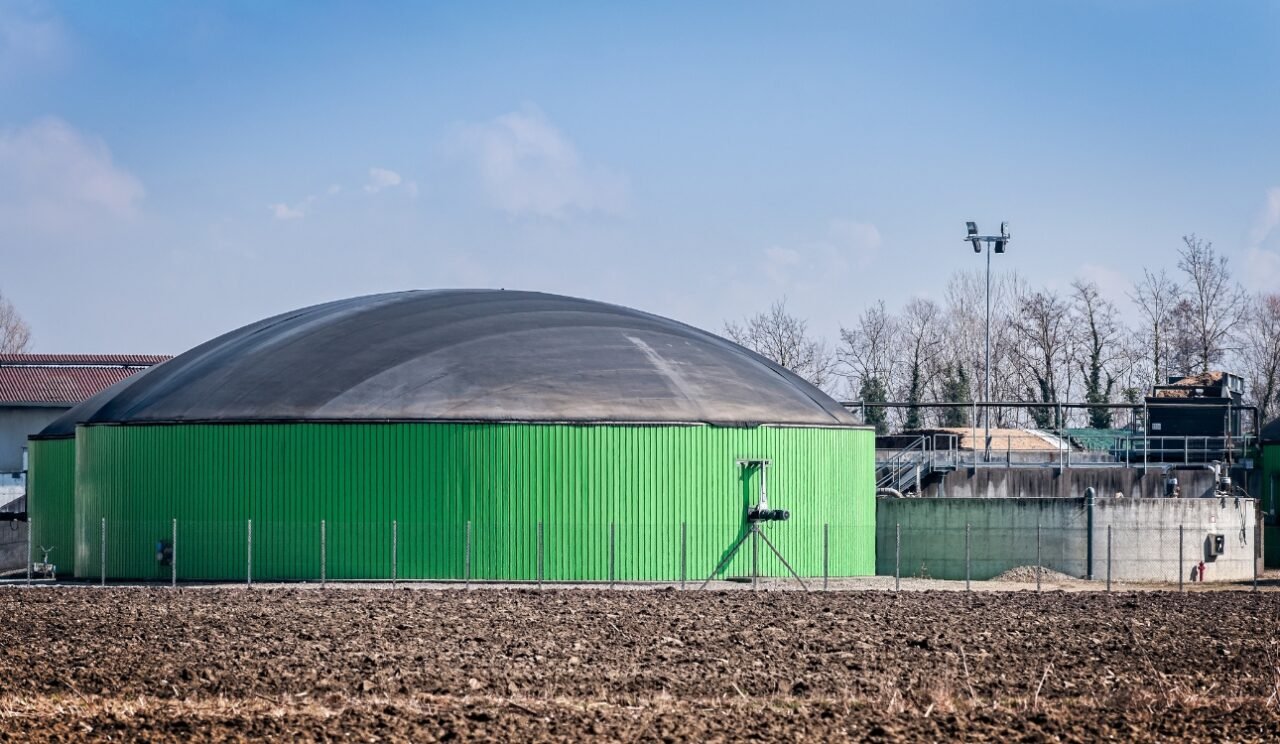
AstraZeneca has taken a major leap in its sustainability journey by opening a new biomethane plant in Lincolnshire, United Kingdom. The facility converts organic waste into renewable biogas, ensuring that by the end of this year, all of the company’s research and development and drug manufacturing operations in Britain will be powered by clean energy. Developed in partnership with Future Biogas, the plant is set to generate 100 gigawatt hours of renewable energy annually, enough to cover 20% of AstraZeneca’s global gas consumption. This initiative forms a key part of the company’s broader strategy to reduce its carbon footprint and move toward net-zero emissions by 2045. By embracing cutting-edge biogas technology, AstraZeneca is not only reducing its environmental impact but also setting a new standard for sustainability within the pharmaceutical industry. The move supports the UK’s ongoing efforts to decarbonize its energy infrastructure and offers a model for integrating renewable energy solutions into critical industrial operations. This forward-thinking project highlights the increasing role that renewable energy is playing in transforming how industries operate, paving the way for a cleaner, more sustainable future.

Ifunanya Okafor27 February 2025
2-12-1280x744.jpg

2min7970
The Canadian Radio-television and Telecommunications Commission (CRTC) has introduced a regulatory fee on Google to cover the costs of enforcing the Online News Act, a law requiring large internet platforms to compensate news publishers for their content. The decision reflects ongoing global efforts to hold tech giants accountable for their role in the digital news ecosystem. However, it also adds to growing tensions between Canada and the United States over trade policies, border security, and the taxation of U.S. technology firms. Google has criticized the additional levy, calling it an unfair regulatory burden, despite previously agreeing to pay C$100 million annually to Canadian news publishers to maintain news content in search results. Meanwhile, Meta, the parent company of Facebook and Instagram, has opted to block news content in Canada rather than comply with the law. The move comes amid broader international debates on digital services taxes, with the U.S. opposing such policies as discriminatory against American companies. As Canada proceeds with its regulatory framework, the issue is likely to remain a point of contention in global tech policy discussions.

Ifunanya Okafor27 February 2025
wfppp-1280x744.jpg

1min9520
The United Nations World Food Programme (WFP) has temporarily suspended food distribution in Sudan’s Zamzam displacement camp, North Darfur, due to escalating violence, raising fears of starvation for thousands of families. Intensified clashes between the Sudanese Armed Forces and the Rapid Support Forces (RSF) have forced humanitarian workers to evacuate, making it unsafe to continue aid operations. The camp, home to nearly 500,000 displaced people, has already been struggling with extreme food shortages since famine was declared in August 2024. The ongoing conflict has also destroyed Zamzam’s central market, cutting off access to essential supplies. WFP has urged for an immediate ceasefire and secure humanitarian corridors to resume life-saving food aid to those in desperate need. Source: World Food Programme

Ifunanya Okafor26 February 2025
8-2-1280x744.jpg

3min8980
In a move that underscores its commitment to sustainable agriculture, Switzerland-based agrochemical leader Syngenta has acquired a valuable repository of natural compounds and genetic strains from pharmaceutical giant Novartis. The deal, announced on Wednesday, is poised to significantly boost Syngenta’s development of innovative biologic crop protection solutions. The strategic acquisition not only grants Syngenta access to a diverse collection of natural molecules but also includes leasing state-of-the-art fermentation pilot facilities and science laboratories in Basel. In addition, a team of experienced biomolecular chemistry researchers from Novartis will join Syngenta, further enhancing its research and development capabilities. This move builds on a successful research collaboration between the two companies that dates back to 2019. Camilla Corsi, Syngenta’s Global Head of Crop Protection Research and Development, hailed the acquisition as a “new chapter” in the company’s drive to deliver cutting-edge biological solutions for farmers. “The integration of these world-class assets reinforces our commitment to developing sustainable crop protection technologies that reduce environmental impact while maintaining high productivity in agriculture,” Corsi said. This development comes at a pivotal time as the global agricultural sector seeks more eco-friendly alternatives to traditional chemical pesticides. By leveraging natural compounds and genetic strains, Syngenta aims to create biologic products that offer enhanced crop protection with a reduced carbon footprint. The company’s broader strategy includes integrating natural organisms, plant extracts, and bioactive molecules into its product portfolio to deliver more sustainable and resilient solutions to farmers worldwide. In a related expansion of its biologicals business, Syngenta has recently inaugurated a large-scale production facility in Orangeburg, South Carolina. This facility, its first in the United States, is set to meet growing demand for innovative biologic crop protection products across North and Latin America. Industry experts believe that this acquisition is not only newsworthy but also a significant step forward for sustainable agriculture. By harnessing cutting-edge biotechnology and natural resources, Syngenta is well positioned to address modern agricultural challenges, from climate change to the growing need for environmentally responsible farming practices. Overall, the Syngenta-Novartis deal is a promising development for the agricultural sector. It signals an important shift towards embracing biologic crop protection methods, which could lead to more resilient crop systems and reduced reliance on traditional synthetic pesticides. For both the industry and consumers, this initiative represents good news and a beacon of progress in the pursuit of sustainable and productive agriculture.

Ifunanya Okafor26 February 2025
7-2-1280x744.jpg

1min4280
AstraZeneca’s experimental treatment, camizestrant, has shown significant promise in improving survival for patients with advanced hormone receptor-positive, HER2-negative breast cancer, according to interim results from a late-stage clinical trial. The SERENA-6 trial tested camizestrant in combination with a standard-of-care therapy that suppresses tumor growth proteins. The study found that the drug improved progression-free survival, meaning it helped patients live longer without their disease worsening when used as a first-line treatment. “These findings mark an important step forward in our mission to provide more effective treatment options for patients battling advanced breast cancer,” AstraZeneca stated. Earlier trials had already highlighted camizestrant’s effectiveness, particularly in patients with ESR1 mutations, a genetic alteration known to make breast cancer resistant to traditional hormone therapies. The drug works by degrading estrogen receptors, preventing the hormone from fueling cancer growth. The promising results suggest that camizestrant could become a new standard of care for breast cancer patients, particularly those whose tumors have stopped responding to existing treatments. AstraZeneca plans to continue further studies to confirm the long-term benefits of the drug.

Ifunanya Okafor26 February 2025
9-2-1280x744.jpg

2min5270
The Nigerian government has launched a five-week Artificial Intelligence (AI) training program for 6,000 senior secondary school teachers nationwide, aiming to enhance teaching methodologies and equip educators with AI skills. The initiative, spearheaded by the Federal Ministry of Education, is part of the government’s broader strategy to integrate AI into Nigeria’s education system. Minister of Education, Dr. Tunji Alausa, emphasized that AI has the potential to transform classroom experiences, improve learning outcomes, and prepare students for a tech-driven future. “This training will enable our teachers to effectively incorporate AI into their teaching methods, making education more engaging, interactive, and impactful,” Alausa said. AI adoption in Nigerian education is steadily gaining traction. In Edo State, a recent AI-powered tutoring program yielded impressive results, helping students achieve learning gains equivalent to two academic years within just six weeks. Such initiatives demonstrate the potential of AI to bridge learning gaps and boost digital literacy among students. The government’s commitment to AI training aligns with global trends, as countries increasingly explore AI-driven solutions to enhance education. Experts believe that upskilling teachers in AI will not only improve their instructional techniques but also equip students with essential digital skills for the modern workforce. With Nigeria’s growing focus on education technology, stakeholders are optimistic that AI will play a crucial role in reshaping the country’s educational landscape.

Ifunanya Okafor26 February 2025
5-1-1280x744.jpg

2min7300
The Australian Renewable Energy Agency (ARENA) has allocated A$8 million ($5 million) to technology company Licella to conduct a feasibility study on developing a biorefinery in Queensland. The proposed facility will focus on converting sugarcane waste into sustainable aviation fuel (SAF) for Brisbane Airport. Licella plans to use its proprietary Catalytic Hydrothermal Reactor (Cat-HTR™) technology to process sugar mill residues into renewable fuels. If successful, the biorefinery, located at the Isis Central Sugar Mill, could produce approximately 60 million liters of low-carbon liquid fuels per year, with around 40 million liters designated for SAF. As part of broader efforts to decarbonize Australia’s aviation sector, ARENA is also investing A$2.4 million in fuel infrastructure upgrades at Brisbane Airport. The funding will help Viva Energy refurbish an existing fuel tank at the Pinkenba Terminal to store and supply blended SAF for commercial flights. ARENA’s Sustainable Aviation Fuels Funding Initiative has committed A$33.5 million across multiple projects to support domestic SAF production and reduce aviation emissions. Darren Miller, CEO of ARENA, emphasized that domestic flights contribute approximately 2% of Australia’s greenhouse gas emissions, making SAF development crucial to achieving national net-zero goals. Minister for Climate Change and Energy Chris Bowen highlighted that producing SAF domestically would strengthen Australia’s fuel supply while promoting cleaner, more secure energy sources. The Queensland biorefinery project is expected to create around 300 construction jobs and 100 permanent roles, contributing to regional economic growth. Australia’s national science agency, CSIRO, has indicated that the country possesses sufficient domestic feedstock to produce up to five billion liters of SAF annually by 2025, positioning it as a key player in sustainable aviation fuel production.

Ifunanya Okafor26 February 2025
11-1-1280x744.jpg

2min7150
Nigeria’s National Commission for Museums and Monuments (NCMM) has been given the responsibility of retrieving and preserving the priceless Benin Bronzes, following an agreement with the Oba of Benin, who was recognized nearly two years ago as the rightful owner and custodian of the artifacts. The decision marks a significant step in Nigeria’s ongoing efforts to recover the historic treasures, which were looted by British forces during the 1897 invasion of the Benin Kingdom. The Oba, Ewuare II, has now endorsed the NCMM to facilitate repatriation efforts, ensure proper conservation, and oversee public display of the artifacts. NCMM Director-General Abba Tijani emphasized that the commission has the expertise and infrastructure to care for the bronzes, which have been scattered across museums and private collections worldwide for over a century. The collaboration is expected to strengthen Nigeria’s case in negotiations for the return of more artifacts from institutions in Europe and the United States. In recent years, countries such as Germany, the United Kingdom, and the Netherlands have agreed to return stolen cultural treasures to Nigeria. This latest agreement between the NCMM and the Benin royal palace aims to ensure that the bronzes are housed and managed in a manner that respects both their historical significance and the heritage of the Edo people. The move comes amid growing global calls for former colonial powers to return looted artifacts to their countries of origin.