Author: Ifunanya Okafor

Ifunanya Okafor2 March 2025
1-1280x744.jpg

3min8640
U.S. President Donald Trump has initiated a national security investigation into imported lumber, a move that could pave the way for additional tariffs on wood products entering the United States. The investigation comes on the heels of existing duties on Canadian softwood lumber and is set against the backdrop of impending 25% tariffs on all Canadian and Mexican goods scheduled to take effect next week. The Commerce Department, acting under Section 232 of the Trade Expansion Act of 1962, will examine whether imported lumber, including derivative products such as furniture, undermines the nation’s economic prosperity and poses a threat to national security. The inquiry is expected to span approximately 270 days, during which U.S. officials will scrutinize the impact of foreign lumber on domestic markets. In parallel with the probe, President Trump signed an executive order aimed at bolstering domestic lumber production. The order seeks to streamline the permitting process for harvesting timber on public lands and to enhance the salvage of fallen trees from forests and waterways. Administration officials say these steps are designed to increase the supply of American timber, potentially reducing construction costs by lessening reliance on imported wood. White House trade adviser Peter Navarro has been vocal about the need for such measures, asserting that major exporters including Canada, Germany, and Brazil have been “dumping lumber into our markets” at the expense of U.S. workers and industries. This sentiment reflects long-standing tensions between the United States and Canada, with the latter already facing a 14.5% anti-dumping and anti-subsidy duty on its softwood lumber exports. Critics warn that further tariffs could have significant economic repercussions. Representatives from the Canadian lumber industry and U.S. homebuilders have expressed concerns that heightened tariffs might lead to increased construction costs and exacerbate the nation’s ongoing housing affordability crisis. The National Association of Home Builders has noted that a substantial portion of the softwood lumber and gypsum used in U.S. construction comes from Canada and Mexico, potentially translating tariff increases into higher costs for new homes. This latest move is the administration’s third tariff-related action in recent weeks, following similar probes into copper imports and digital services taxes imposed on U.S. technology companies. As the investigation unfolds, stakeholders from both sides of the border will be watching closely, with implications that could reshape North American trade dynamics in the lumber sector. Sources: Reuters, AP, Financial Times, Investopedia

Ifunanya Okafor1 March 2025
website-pictures.zip-41-1280x744.jpeg

2min3400
The Nigerian Supreme Council for Islamic Affairs (NSCIA), led by its President-General and Sultan of Sokoto, Alhaji Muhammad Sa’ad Abubakar III, has declared today, Saturday, March 1, 2025, as the first day of Ramadan 1446 AH. The announcement follows the sighting of the crescent moon on Friday, February 28, marking the end of the Islamic month of Sha’aban. In a video message released on Friday, Sultan Abubakar confirmed that credible moon sighting reports were received from various locations across Nigeria. After verification by the National Moon Sighting Committee and other relevant authorities, the council officially recognized the start of Ramadan. The Sultan urged Muslim faithful across the country to commence fasting in line with Islamic teachings. He also encouraged prayers for national peace and prosperity while calling on the wealthy to support the less privileged during the holy month. Ramadan, the ninth month of the Islamic calendar, is observed worldwide as a period of fasting, prayer, and spiritual reflection. The fast begins daily at dawn and ends at sunset, with Muslims abstaining from food, drink, and other physical needs during daylight hours. The month-long observance will conclude with Eid al-Fitr, a festival marking the end of fasting and the beginning of Shawwal, the next Islamic month.  

Ifunanya Okafor1 March 2025
website-pictures.zip-40-1280x744.jpeg

2min8520
Microsoft has announced that it will officially shut down Skype on May 5, 2025, marking the end of an era for the once-dominant video-calling service. The company is urging users to transition to Microsoft Teams, which offers similar communication features along with additional collaboration tools. Skype, launched in 2003, gained massive popularity in the early 2000s, revolutionizing online voice and video calls. Microsoft acquired the platform in 2011 for $8.5 billion, integrating it into its suite of communication services. However, in recent years, Skype has struggled to compete with newer platforms like Zoom, WhatsApp, and Microsoft Teams, leading to a decline in its user base. Microsoft has assured users that they will be able to access Teams using their existing Skype credentials. The company also stated that users will have the option to export their contacts and chat history before the shutdown date. The decision aligns with Microsoft’s strategy to consolidate its communication services under Teams, which has seen significant adoption, particularly in corporate and educational settings. With the shutdown, Skype joins the list of legacy communication tools that have been phased out as technology continues to evolve. Microsoft’s move reflects the shifting landscape of digital communication, where integrated collaboration platforms are becoming the preferred choice for businesses and individuals alike.

Ifunanya Okafor1 March 2025
website-pictures-1280x744.jpeg

1min5300
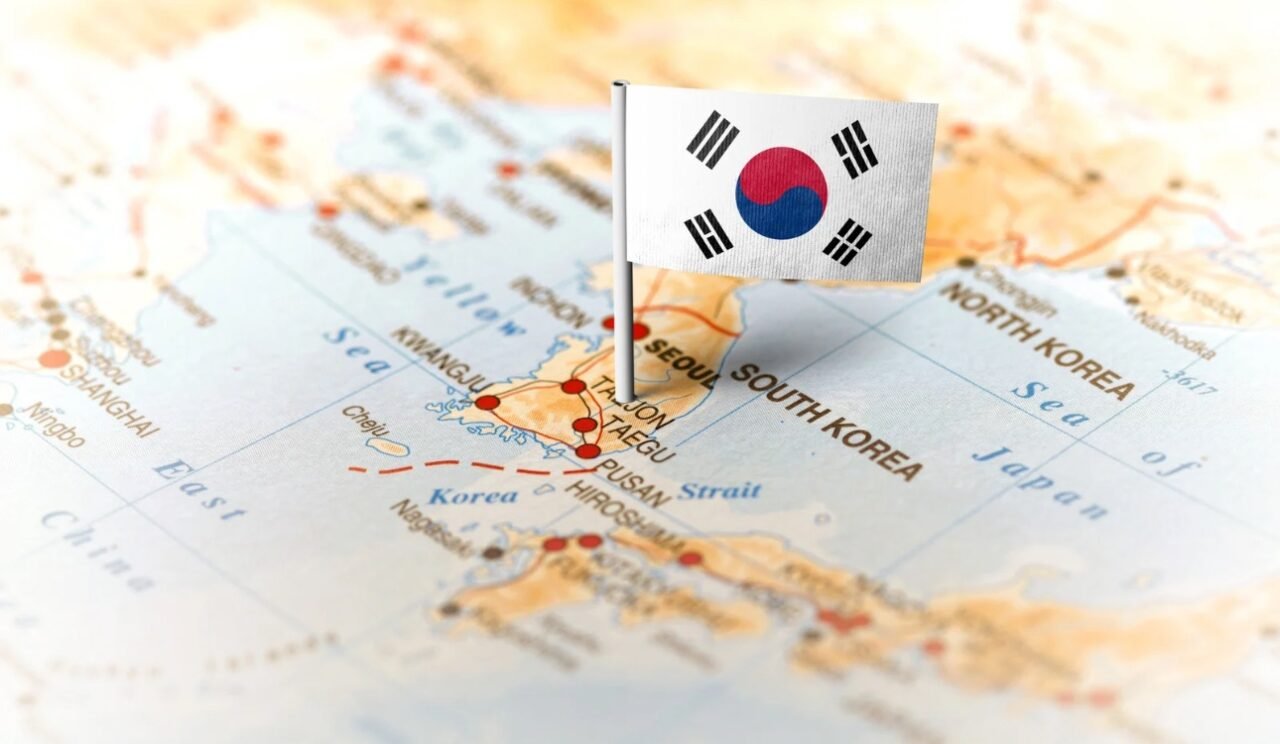
South Korea’s industry ministry reported on Saturday that the nation’s industry minister has formally requested an exemption from forthcoming U.S. tariffs. The request was made during discussions with U.S. officials, as Washington prepares to implement new trade measures that could impact South Korean exports. Officials in Seoul emphasized that the proposed tariffs, part of a broader U.S. strategy to adjust trade policies, may pose significant challenges to the nation’s export-driven economy. In light of these concerns, the ministry is actively engaging with U.S. representatives to negotiate terms that could shield South Korean industries from potential economic disruptions. While details of the negotiations remain limited, the move underscores growing trade tensions between the two countries as policymakers work to balance domestic economic interests with international trade commitments. Further updates on the discussions and potential outcomes are expected as talks continue.

Ifunanya Okafor1 March 2025
website-pictures.zip-39-1280x744.jpeg

1min5540
The U.S. Food and Drug Administration has mandated new labeling updates for testosterone products following a series of clinical and post-market studies. The revised labels reflect findings from a major clinical trial that examined the cardiovascular safety of testosterone replacement therapy in men with hypogonadism. Although the trial did not show an increased risk of adverse cardiovascular events, additional research using ambulatory blood pressure monitoring revealed that testosterone use may lead to elevated blood pressure levels. In response, the FDA now requires manufacturers to update their product labels to include warnings about potential increases in blood pressure. Testosterone therapies, which are approved for men with medically low testosterone levels, are available in several formulations including oral tablets, topical gels, transdermal patches, and injections. The agency stated that these changes are intended to ensure that both healthcare providers and patients receive clear and comprehensive safety information regarding the use of testosterone treatments.

Ifunanya Okafor28 February 2025
pic-1280x744.jpg

5min5460
In 2025, classrooms are experiencing a digital transformation that is reshaping how students learn and teachers teach. Cutting-edge tools, from AI-powered personalized learning systems to immersive augmented and virtual reality (XR) experiences are all being integrated into everyday education. However, even as technology brings new possibilities, maintaining the essential human connection in teaching remains critical. AI-Driven Personalized Learning AI tools, such as ChatGPT Edu, are now playing a vital role in personalizing education. These systems analyze each student’s learning style and performance to tailor content and pace accordingly. For example, when a student struggles with a math problem, an AI tutor can offer extra practice and step-by-step explanations immediately. This adaptive approach means every learner can progress at a comfortable pace without falling behind. Key Benefits: Adaptive Lessons: Courses automatically adjust in difficulty, ensuring challenges remain appropriate. Immediate Feedback: Instant corrections help students learn from their mistakes on the spot. Efficiency for Teachers: With routine tasks like grading streamlined by AI, teachers have more time for creative, high-impact teaching. Immersive XR Enhancing Engagement Alongside AI, immersive technologies like augmented and virtual reality are making their way into classrooms. XR tools allow students to take virtual field trips, explore interactive science labs, or even “step inside” historical events, all without leaving the classroom. These experiences not only capture students’ imaginations but also help them understand complex concepts through visual and hands-on learning. Highlights: Virtual Field Trips: Students can tour museums or ancient cities, enriching history lessons with vivid, interactive experiences. Simulated Labs: Science experiments become safer and more accessible through virtual simulations. Collaborative Learning: XR enables group projects in digital environments, encouraging teamwork and critical thinking.   Preserving Human Connection Despite these technological leaps, the value of human interaction in education remains irreplaceable. Teachers do more than deliver content; they inspire, guide, and connect with students on a personal level. As classrooms become more tech-driven, educators are finding creative ways to blend digital tools with traditional teaching methods. Strategies for Balance: Tech-Free Moments: Incorporating periods without digital devices can foster discussion, critical thinking, and personal interaction. Blended Learning: Combining online lessons with face-to-face activities ensures that technology enhances rather than replaces human connections. Professional Development: Ongoing training helps teachers use new technologies effectively while maintaining their unique teaching style and empathy. Looking Ahead: A Balanced Future The AI revolution in education offers exciting possibilities, from highly personalized learning to immersive XR experiences that bring lessons to life. However, the challenge for educators is to integrate these tools without sacrificing the warmth and insight that only a human teacher can provide. By embracing a balanced approach, schools can harness the power of technology to improve student outcomes while ensuring that learning remains a deeply personal experience. As we move further into 2025, the future of education will be defined by this delicate balance. Educators, tech innovators, and policymakers must work together to create environments where AI and XR serve as powerful allies, not replacements, for the human touch in teaching.  

Ifunanya Okafor28 February 2025
13-2-1280x744.jpg

2min5210
The National Agency for Food and Drug Administration and Control (NAFDAC) has officially discontinued the registration of the multi-dose anti-malarial dry powder for oral suspension containing Artemether/Lumefantrine. The decision comes after stability studies revealed that the reconstituted formulation becomes unstable over time, leading to a significant loss of efficacy and posing serious risks to patients. The discontinuation affects all brands of the product, both locally manufactured and imported. NAFDAC has announced that it will no longer accept new registration applications, renewals, or variations for these products. Authorities have urged importers, distributors, retailers, healthcare professionals, and caregivers to immediately cease the importation, distribution, sale, and use of the affected formulations. Health experts warn that the instability of these products could lead to treatment failures, increased morbidity, and even contribute to the development of antimalarial drug resistance. The potential consequences of such treatment failures include prolonged hospital stays, higher treatment costs, and, in severe cases, an increased risk of mortality. This decisive move by NAFDAC reinforces its commitment to ensuring that only safe, high-quality, and effective medications are available to the Nigerian public. The agency has also called on healthcare professionals and consumers to report any instances of sale or adverse reactions associated with these products to help prevent further health risks. By taking this proactive step, NAFDAC aims to protect public health and uphold stringent pharmaceutical standards across the nation.

Ifunanya Okafor28 February 2025
14-1-1280x744.jpg

2min8540
Singaporean authorities have charged three individuals with fraud in connection with an alleged scheme that domestic media have linked to the unauthorized movement of advanced Nvidia chips. The case is part of a broader investigation into potential export control violations involving high-tech equipment. Two Singaporean nationals, 41-year-old Aaron Woon Guo Jie and 49-year-old Alan Wei Zhaolun, are accused of conspiring to defraud a server supplier in 2024. They allegedly misrepresented that the equipment would not be transferred to unauthorized end users. Additionally, Chinese national Li Ming, 51, faces charges dating back to 2023 for fraud after falsely claiming that a Singapore-registered company, Luxuriate Your Life Pte Ltd, would be the end user of the sensitive items. This case comes amid increasing regulatory scrutiny over the movement of advanced technology components. The Nvidia chips in question are prized for their applications in artificial intelligence and other cutting-edge fields, and there is growing concern that such components could be diverted for purposes that violate export controls, especially in sensitive markets like China. Singaporean law enforcement has conducted extensive investigations, including multiple raids, to determine the full extent of the alleged fraud. If convicted, the accused could face up to 20 years in prison, fines, or both. Authorities emphasize that the case underscores the challenges in preventing the circumvention of export control measures designed to protect national and international security interests. This development not only highlights the ongoing global effort to regulate the trade of high-performance technology but also serves as a stern warning to others who might consider exploiting legal loopholes in the movement of sensitive equipment. As investigations continue, industry experts and regulators alike are closely monitoring the potential implications for global technology supply chains and international trade relations.

Ifunanya Okafor28 February 2025
4-2-1280x744.jpg

2min6640
OpenAI has launched its latest AI language model, GPT-4.5, now available to ChatGPT Pro subscribers and developers around the globe. The new model promises enhanced conversational abilities and a more emotionally intelligent response style compared to its predecessors. Designed to deliver more natural and engaging interactions, GPT-4.5 features an expanded knowledge base and improved processing capabilities. This upgrade not only reduces the risk of generating inaccurate information but also ensures a smoother user experience when tackling complex queries. Currently, the model is rolled out to a select group of paying users. OpenAI plans to expand access in the coming weeks, with ChatGPT Plus and Team subscribers expected to gain access next, followed by Enterprise and Edu users. Despite the significant advancements, OpenAI CEO Sam Altman has acknowledged the high operational costs associated with GPT-4.5, describing it as a “giant, expensive model.” Additionally, ongoing GPU shortages have contributed to the phased rollout approach. This release marks another significant milestone in AI development, underlining OpenAI’s commitment to pushing the boundaries of natural language processing and machine learning technology. As GPT-4.5 begins to reach more users, it is poised to transform interactions in industries ranging from customer service to creative content generation.

Ifunanya Okafor28 February 2025
15-1-1280x744.jpg

2min9120
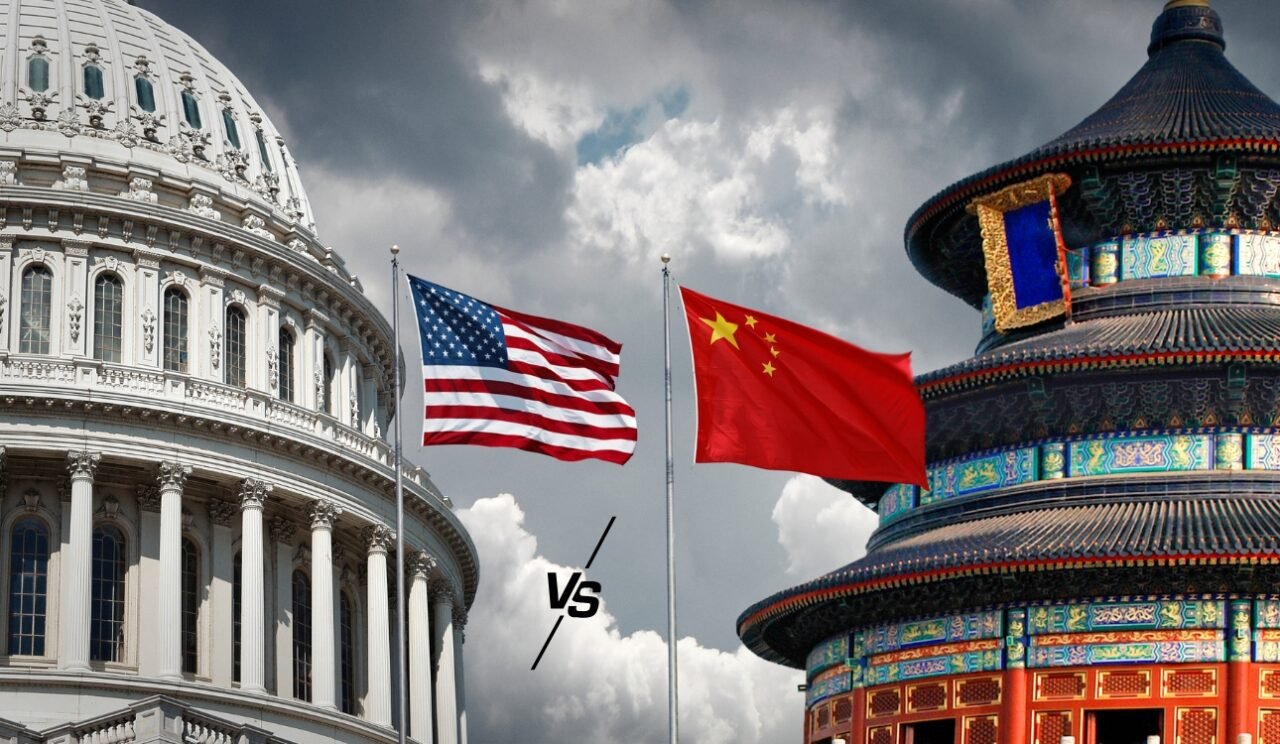
Beijing on Friday lashed out at Washington, accusing the United States of employing “tariff pressure and blackmail” following President Donald Trump’s decision to impose an additional 10% tariff on Chinese imports set to take effect next week. The U.S. administration has defended the move as a necessary step to combat the influx of fentanyl, holding China partly responsible for the opioid crisis. In a pointed response, China’s Foreign Ministry spokesperson Lin Jian condemned Washington’s tactics, stating that the U.S. had “used the fentanyl issue to insist on tariff pressure and blackmail.” Lin warned that such measures severely undermine bilateral cooperation particularly in joint efforts to tackle drug control challenges. The Chinese government has vowed to adopt “necessary countermeasures” to safeguard its national interests, although specific retaliatory actions have not been disclosed. This latest escalation comes at a time when trade tensions have already rattled global markets and cast uncertainty over the future of U.S.-China economic relations. Financial markets in Europe and across the Asia-Pacific region have reacted sharply to the tariff announcement. Key indices, including Germany’s DAX, Hong Kong’s Hang Seng, and Japan’s Nikkei, experienced significant declines. In contrast, the UK’s FTSE 100 remained relatively stable, buoyed by positive earnings reports from companies like IAG and Rolls-Royce. Analysts caution that such tit-for-tat measures may deepen the economic rift between the two nations, potentially disrupting global supply chains and undermining investor confidence. As both sides prepare for what could be a prolonged dispute, industry experts are calling for renewed dialogue to avert further economic fallout.