Author: Tech & Tools Desk

Tech & Tools Desk2 February 2026
Sanwo.png

3min7060
Governor Babajide Sanwo-Olu has said Lagos State is prepared to collaborate with the World Bank Group across key sectors including energy, agriculture, tourism and human capital development. He stated that the state was open to deeper partnerships and investment opportunities aimed at improving infrastructure and enhancing the standard of living for residents. Sanwo-Olu made this known on Sunday at Lagos House, Marina, while hosting a World Bank delegation led by the Managing Director for Operations, Ms Anna Bjerde. The delegation also included the International Finance Corporation (IFC) Regional Vice President for Africa, Mr Ethiopia Tafara. The governor reaffirmed Lagos’ commitment to reforms that attract international support, noting that the state was ready to meet the requirements for expanded World Bank assistance. “Lagos is prepared to do more to attract investments and partnerships that will deliver real benefits to our people. We welcome collaborations that strengthen infrastructure and drive inclusive growth,” he said. Sanwo-Olu highlighted the progress recorded under the THEMES+ agenda, explaining that its implementation had produced tangible benefits for millions of residents. He revealed that Lagos moved from 29th to first place in the national Ease of Doing Business ranking within four years. “We achieved this by doubling our performance in critical areas through deliberate reforms and improved efficiency,” he added. Earlier, Ms Bjerde said the World Bank Group was eager to deepen engagement with Lagos because of its strategic role and reform-focused approach. She described the state as a key stakeholder, pointing to the stability created by recent economic and policy reforms. According to her, the initiatives being implemented in Lagos reflect solutions that can be applied nationally, while policy consistency in Nigeria has improved predictability for investors. Bjerde commended the state for cutting down bureaucratic hurdles and strengthening the Ease of Doing Business environment. She disclosed that the World Bank planned a five-year country review to evaluate progress at both national and subnational levels, including Lagos. She added that the institution was ready to build on Lagos’ capacity to boost private sector financing across critical sectors.

Tech & Tools Desk1 February 2026
aa-1.jpg

3min3590
French technology giant Capgemini has announced plans to sell its US subsidiary following backlash over its work for the US Immigration and Customs Enforcement (ICE) agency. The decision comes after mounting pressure from French lawmakers over a contract signed by Capgemini Government Solutions, which provided services to help locate individuals for ICE enforcement operations. The controversy has intensified amid international scrutiny of ICE’s activities, particularly in Minnesota. Public outrage has grown following the fatal shootings of US citizens Renee Nicole Good and Alex Pretti by immigration agents in Minneapolis, incidents that sparked nationwide protests and renewed criticism of ICE practices. Records show that since 18 December, Capgemini Government Solutions has been contracted to provide “skip tracing services for enforcement and removal operations” a process used to track individuals whose whereabouts are unknown. The subsidiary was due to receive more than $4.8m (£3.5m) for the contract, which runs until 15 March, and holds a total of 13 contracts with ICE. In a statement, Capgemini said it had been unable “to exercise appropriate control over certain aspects of this subsidiary’s operations to ensure alignment with the Group’s objectives,” adding that the divestment process would begin immediately. Criticism of ICE has intensified in recent weeks, particularly after the killing of 37-year-old Alex Pretti, the second US citizen fatally shot since immigration agents expanded enforcement operations in several cities under President Donald Trump’s renewed push to increase deportations. While Pretti was killed by Border Patrol officers an agency that works alongside ICE Good was shot by an ICE agent. ICE has detained thousands since Trump returned to the White House, with enforcement actions increasingly carried out in public spaces, often triggering confrontations with protesters. Capgemini CEO Aiman Ezzat said on LinkedIn that the company had recently become aware of the nature of the ICE contract through public sources, noting that its scope “raised questions compared to what we typically do as a business and technology firm.” The revelations drew sharp reactions in France. Finance Minister Roland Lescure called on Capgemini to be transparent about its dealings with ICE, while left-wing MP Hadrien Clouet urged sanctions against French companies collaborating with the agency. Founded in 1967, Capgemini is one of France’s largest listed companies, employing more than 340,000 people worldwide and valued at about €22bn (£19bn).

Tech & Tools Desk1 February 2026
aa.avif

4min8860
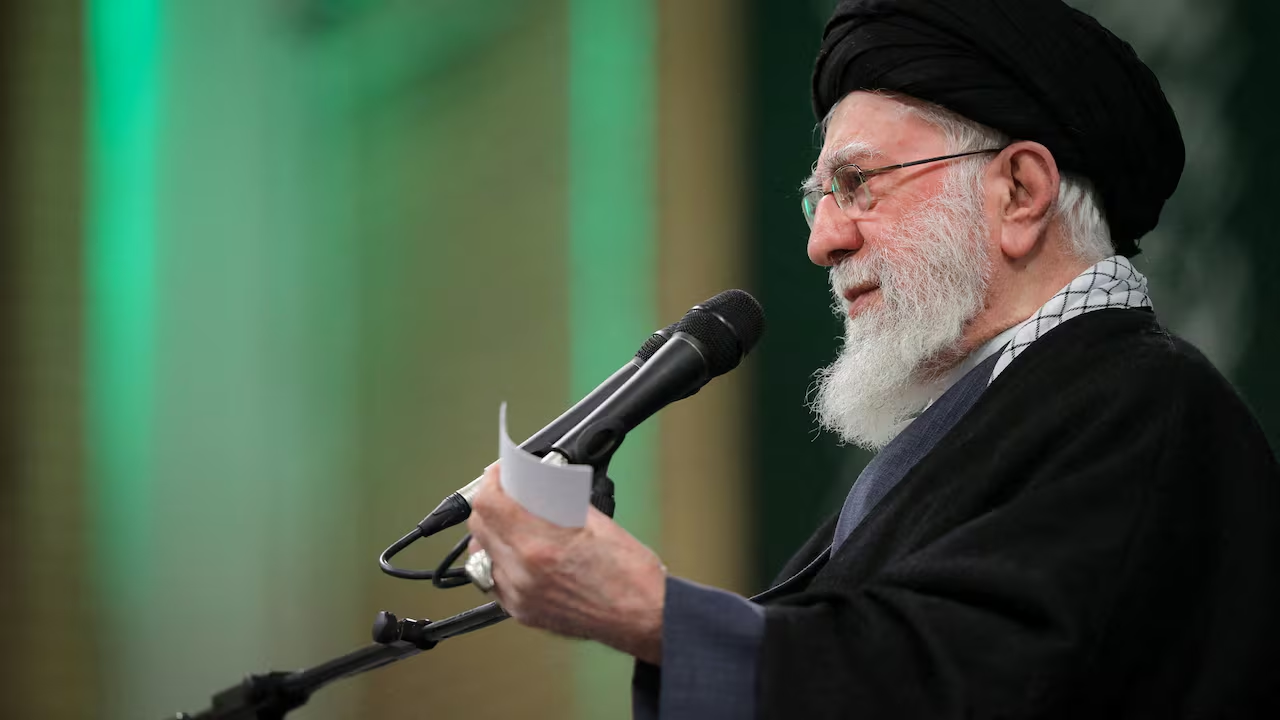
Iran’s Supreme Leader, Ayatollah Ali Khamenei, has warned that any military attack on the country would trigger a wider regional conflict, amid continued US military build-up near Iran. “The Americans should know that if they start a war, this time it will be a regional war,” Khamenei was quoted as saying by the semi-official Tasnim news agency. The warning comes as US President Donald Trump said Iran was engaged in “serious discussions” that he hoped would lead to an “acceptable” outcome. Iran’s top security official, Ali Larijani, also confirmed that a framework for negotiations was progressing. Tensions have risen after Trump threatened intervention over Iran’s nuclear ambitions and its violent crackdown on anti-government protests. As part of its military posture, the US has deployed the aircraft carrier USS Abraham Lincoln to the region, with US Central Command confirming operations in the Arabian Sea. Khamenei dismissed the US show of force, saying Iran would not be intimidated. “[Trump] regularly says that he brought ships… The Iranian nation shall not be scared by these things,” he said. Iran had earlier been expected to conduct a two-day live-fire naval exercise in the Strait of Hormuz, a vital global shipping route. However, Reuters quoted an Iranian official on Sunday as saying the Revolutionary Guards Corps (IRGC) navy had no plans for such drills. About one-fifth of the world’s traded oil passes through the Strait of Hormuz, which at its narrowest point is about 33 kilometres wide between Iran and Oman. Iran has previously threatened to close the waterway if attacked. The US has cautioned Iran against any “unsafe and unprofessional behaviour” near American forces in the region, a warning dismissed by Iran’s Foreign Minister, Abbas Araghchi. He accused Washington of attempting to dictate how Iran’s armed forces operate within their own territory. Meanwhile, two explosions in Iran over the weekend heightened public anxiety. Local authorities said a blast in the southern port city of Bandar Abbas, which killed one person and injured 14 others, was caused by a gas leak. Tasnim denied social media claims that an IRGC naval commander was targeted. In a separate incident in the south-western city of Ahvaz, at least four people were killed in another explosion, which officials also blamed on a gas leak, according to Iran’s Tehran Times. On Thursday, Trump said he had warned Iran it must meet two conditions to avoid US military action: abandon nuclear ambitions and stop killing protesters. The US-based Human Rights Activists News Agency says it has confirmed more than 6,300 deaths since unrest began in late December, while another 17,000 reported deaths are under investigation. The Norway-based Iran Human Rights group has warned the final toll could exceed 25,000. Protesters have told the BBC that the crackdown by security forces was unprecedented. Khamenei, however, accused protesters of attacking police, the IRGC and public facilities, saying, “The coup was suppressed.”

Tech & Tools Desk31 January 2026
aa-6-1280x720.jpg

5min4190
One of the first people in the UK to receive Elon Musk’s Neuralink brain implant has described the experience as “magical”, saying the technology has given him renewed hope and could transform life for people with severe paralysis. Sebastian Gomez-Pena, a volunteer in the UK’s first trial of the Neuralink device, said the implant has been life-changing since an accident left him paralysed from the neck down. “It’s a massive change in your life when you suddenly can’t move any of your limbs,” he said. “This kind of technology gives you a new piece of hope.” Seb was studying medicine when the accident happened. He is now one of seven participants in the UK safety and reliability trial. The Neuralink chip, connected to 1,024 electrodes implanted in his brain, was fitted during a five-hour operation at University College London Hospital. The procedure involved British surgeons and Neuralink engineers, with the electrodes inserted by the company’s specialised robotic system designed to place microscopic threads into delicate brain tissue. The electrodes were positioned around four millimetres into the part of Seb’s brain that controls hand movement. Signals from his brain are transmitted through ultra-thin threads to the chip, which sends data wirelessly to a computer. Artificial intelligence software then learns to interpret those signals, allowing Seb to control a cursor on a screen simply by thinking about moving his hand or fingers. “When I think about moving my hand, it’s amazing to see that something actually happens,” he said. “You just think it and it does it.” During a demonstration, Seb navigates his laptop with ease, opening files, highlighting text and scrolling through documents as smoothly as someone using a mouse or trackpad. The neurosurgeon leading the UK trial, Mr Harith Akram, said the level of control achieved so far is remarkable. “It’s mind-blowing to see how much control he has,” he said, adding that the technology could become a “game-changer” for people with severe neurological disabilities who currently have very limited options to regain independence. Neuralink’s technology has taken nearly a decade to develop, combining advanced implants, surgical robotics and AI systems. The first human implant took place in the US two years ago, and a total of 21 people across the US, Canada, the UK and the UAE have now received the device. All participants have severe paralysis caused by spinal injuries, strokes or neurodegenerative conditions such as ALS. While results from the trials have not yet been published in peer-reviewed journals or submitted to regulators, early indications are encouraging. Some users can already type on virtual keyboards by thought alone, while others have used robotic arms to feed themselves. In addition to restoring movement, other trials are exploring whether similar implants could help people regain speech after stroke or brain injury. The company has also outlined longer-term ambitions, including research into restoring vision and even allowing users to control humanoid robots remotely. Despite its promise, experts caution that larger and longer trials are still needed to prove the technology’s safety, reliability and long-term benefits before it can be approved for widespread use. For now, progress depends on volunteers like Seb, whose determination is helping to push the boundaries of what brain-computer technology might one day achieve.

Tech & Tools Desk30 January 2026
Police-Service-Commission-1.webp

4min5100
The Police Service Commission (PSC) has approved the promotion of 26,119 Inspectors to the rank of Assistant Superintendent of Police II, alongside the advancement of senior officers to higher positions. The announcement was made on Thursday by PSC spokesperson Torty Kalu, following the commission’s third plenary meeting. According to the statement, the commission also ratified the promotion of Assistant Inspector-General of Police Funsho Adegboye to Deputy Inspector-General of Police, as well as the elevation of Commissioners of Police Danjuma Aboki and Dansabo Idi to the rank of Assistant Inspector-General of Police. “The Police Service Commission has approved the elevation of one DIG, two AIGs, and over 26,000 Inspectors following its third plenary meeting,” the statement read. It added, “Assistant Inspector-General of Police Funsho Adegboye has been promoted to Deputy Inspector-General of Police. Commissioners of Police Danjuma Aboki and Dansabo Idi were promoted to Assistant Inspector-General of Police after a rigorous merit-based process, including written examinations and oral interviews conducted by the Commission.” Kalu noted that the promotion of the 26,119 Inspectors was based on their performance in the recently concluded Departmental Selection Board Examination. “In a landmark decision reflecting its commitment to career progression, the Commission also approved the promotion of 26,119 Inspectors to Assistant Superintendent of Police II,” he said. Before his promotion, Adegboye served as Assistant Inspector-General of Police in charge of the Police Mobile Force at the Force Headquarters, Abuja. His career includes roles in Operations, Training, and Administration, as well as command positions such as Divisional Police Officer, Area Commander in Ijero and Ile-Ife, Deputy Commissioner of Police Operations in Ondo State, and Commissioner of Police in Homicide, the Force Intelligence Department, and Edo State Command. He has also participated in United Nations missions in Kosovo, Liberia, Timor, and Somalia. Aboki previously served as Commissioner of Police in charge of the Imo State Police Command, while Idi was Acting Assistant Inspector-General of Police overseeing Research and Planning at Force Headquarters, Abuja. Idi’s prior postings include Divisional Police Officer in Kebbi and Kaduna, Officer-in-Charge of the Criminal Investigation Branch in Kebbi, Area Commander in Yauri, Owo, Awe, and Kosoboso, Commander of the 63 Police Mobile Force in Ikorodu, Deputy Commissioner of Operations for Zone 1, Lagos, Commandant of the Police College, Kaduna, and Commissioner of Police, Investment, Force Headquarters, Abuja. Congratulating the newly promoted officers, PSC Chairman DIG Hashimu Salihu Argungu (retd.) reaffirmed the Commission’s commitment to transparency and merit-based promotions, urging the officers to view their elevation as a call to greater responsibility and service. He also commended the PSC Standing Committee on Nigeria Police Force Matters, led by DIG Taiwo Lakanu (retd.), for its role in the examinations and interview processes. In December 2025, the PSC had approved the promotion of 774 senior police officers to higher ranks.

Tech & Tools Desk30 January 2026
NAFDAC-Sachet-Alcohol-22.webp

4min4740
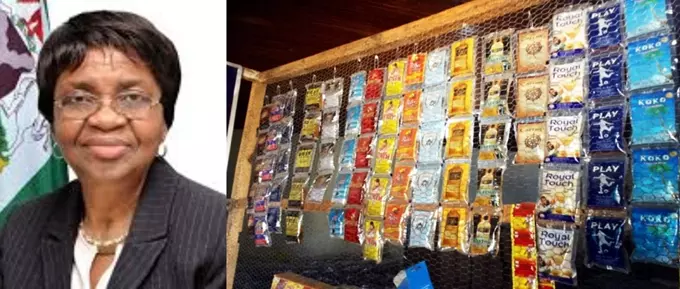
The National Agency for Food and Drug Administration and Control (NAFDAC) has resumed enforcement of the prohibition on the production and sale of alcoholic beverages packaged in sachets and in plastic or glass bottles smaller than 200 millilitres. The agency clarified that it has not shut down any alcohol manufacturing companies, explaining that the directive strictly targets the sale of alcohol in sachets and small-sized containers due to public health concerns. In a statement issued on Thursday, NAFDAC’s Director-General, Prof. Mojisola Christianah Adeyeye, said the renewed enforcement is intended to protect children, adolescents and young adults from the harmful effects of alcohol consumption. According to her, the enforcement aligns with a resolution of the Senate of the Federal Republic of Nigeria and falls within the agency’s public health responsibilities. She noted that the widespread availability of high-alcohol-content drinks in sachets and small containers has made alcohol cheap, easily accessible and easy to conceal, contributing to increased cases of underage drinking, addiction, domestic violence, road accidents, school dropouts and other social problems. Adeyeye added that warning labels such as “Not for children” have proven ineffective, as many parents are unaware that their children consume sachet alcohol due to its small size and low cost. She cited reports from schools highlighting troubling incidents, including a case where a student reportedly said he could not sit for an examination without first consuming sachet alcohol. NAFDAC recalled that in December 2018, the agency, alongside the Federal Ministry of Health and Social Welfare and the Federal Competition and Consumer Protection Commission, entered into a five-year Memorandum of Understanding with alcohol manufacturers to phase out sachet and small-volume alcohol packaging by January 31, 2024. The deadline was later extended to December 2025 to allow manufacturers time to exhaust existing stock and adjust their production processes. The Director-General said the current Senate resolution is consistent with the terms of that agreement and Nigeria’s commitment to the World Health Assembly’s Global Strategy to Reduce the Harmful Use of Alcohol. She stressed that the ban is intended to protect public health rather than punish businesses, noting that scientific evidence supports the move. Adeyeye emphasised that alcohol products packaged above 200ml remain approved by NAFDAC, adding that the restriction applies only to spirit drinks sold in sachets and small containers. The renewed enforcement has triggered reactions from industry groups, labour unions and members of the public. The Manufacturers Association of Nigeria and other stakeholders, including the Food and Beverage Tobacco Outgrowers and Bottlers, have criticised the policy, describing it as inconsistent and potentially harmful to the economy. On January 23, members of the Distillers and Blenders Association of Nigeria, the Nigerian Labour Congress and the Trade Union Congress staged a protest at NAFDAC’s Lagos office, warning that the directive could lead to job losses affecting millions of Nigerians. While acknowledging these concerns, NAFDAC urged manufacturers, distributors and retailers to comply fully with the directive, stating that no further extension will be granted beyond December 2025. The agency said it will continue working with relevant government bodies to intensify nationwide awareness campaigns on the dangers of alcohol misuse. NAFDAC reaffirmed its commitment to ensuring that only safe, wholesome and properly regulated products are available to Nigerians.

Tech & Tools Desk29 January 2026
Starmer-Xi-Jinping.webp

5min3810
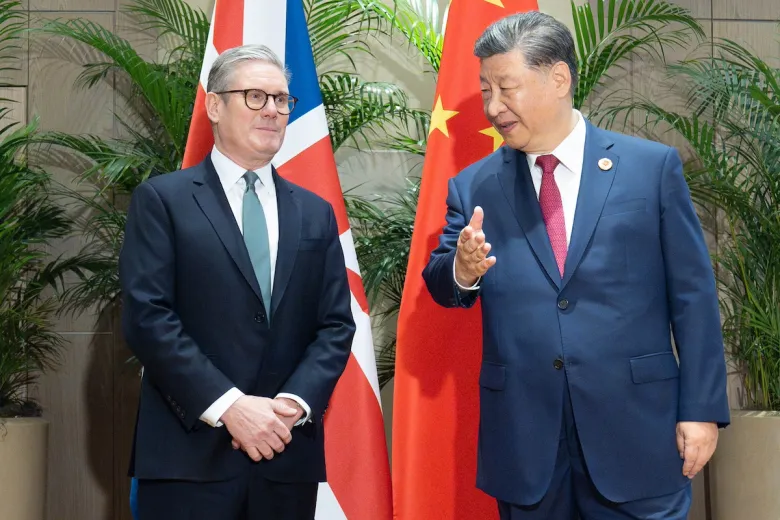
Sir Keir Starmer said he achieved “good progress” on tariffs and visa-free travel to China during his meeting with President Xi Jinping. The prime minister also raised sensitive issues, including the imprisonment of pro-democracy activist Jimmy Lai and the treatment of Uyghurs in Xinjiang. Starmer is the first UK prime minister to visit China in eight years, amid efforts to strengthen trade ties with Beijing. Critics, however, have warned that the UK should adopt a cautious approach given national security concerns and China’s human rights record. After the meeting at the Great Hall of the People in Beijing, which lasted around an hour and 20 minutes, Starmer said the discussions focused on how “huge opportunities” in China could benefit the UK. “We made really good progress on tariffs for whisky, on visa-free travel to China, and on information exchange and cooperation on irregular migration, particularly regarding small boats and engine parts,” he said. He described the talks as “constructive with real outcomes” in the UK’s national interest. China’s readout of the meeting said it would “actively consider” implementing unilateral visa-free entry for UK citizens. Currently, British passport holders still require a visa to enter China, while 70 other countries enjoy visa-free access. Under an agreement expected to be signed, UK and Chinese law enforcement will cooperate to disrupt the supply of small boat engines and equipment used by criminal gangs to smuggle migrants across the Channel. Last year, over 60% of the engines seized from smuggling gangs were Chinese-made. When asked about raising the cases of Lai and the Uyghurs, Starmer said: “We raised those issues, as expected. Engagement allows us to seize opportunities while having a mature discussion about points of disagreement.” Starmer travelled to Beijing with a delegation of British business and cultural leaders. At the start of his meeting, he said he wanted a “more sophisticated” relationship with China, stressing the domestic benefits of closer ties. “I promised 18 months ago that Britain would face outwards again,” he said. “Events abroad affect everything at home, from supermarket prices to our sense of security.” President Xi said UK-China relations had experienced “twists and turns” that did not serve either country’s interests and argued that dialogue was “imperative” in a turbulent world. He praised previous Labour governments for contributions to bilateral relations and said leaders who rise above differences would “stand the test of history.” Xi added: “Sometimes good things take time. As long as it serves the fundamental interests of the country and the people, leaders should not shy away from difficulties.” He also quoted a Chinese proverb: “Range far your eye over long distances,” and described Starmer’s visit ahead of Chinese New Year as “a sign of auspiciousness.” As a gift, Starmer gave Xi a football used in the Premier League match between Manchester United and Arsenal, reflecting their respective football loyalties. The visit occurs amid heightened trade tensions after US President Donald Trump threatened 100% tariffs on Canada for signing a “strategic partnership” with China. Opposition parties criticised the trip. Conservative leader Kemi Badenoch said she would not visit China at this time, arguing the UK should engage with countries aligned with its interests. The Liberal Democrats said the government’s approach had been “all give and no take” and urged Starmer to address China’s political interference and the repression of Hong Kong activists. The visit comes shortly after government approval for a new, large Chinese embassy in London, raising espionage concerns. UK officials in China are reportedly using burner phones and temporary emails amid security precautions.

Tech & Tools Desk29 January 2026
naira-redesign.jpg

3min4400
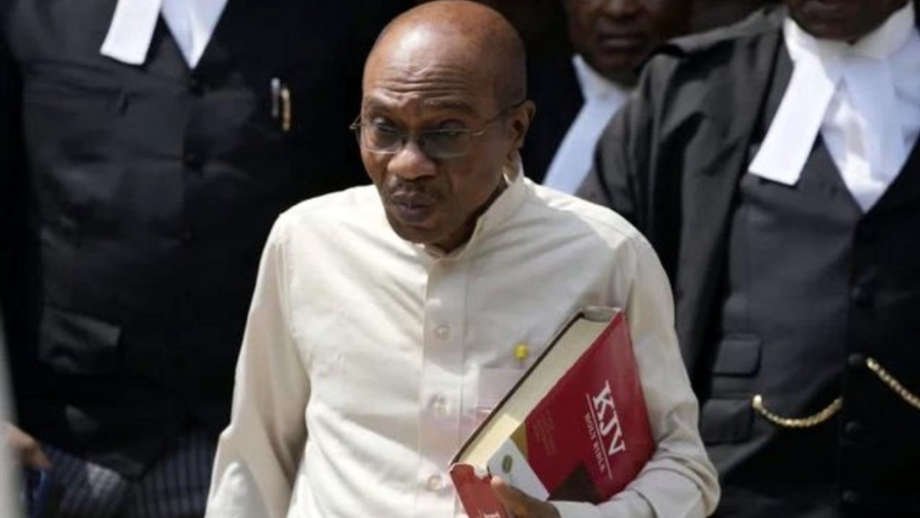
A High Court of the Federal Capital Territory in Abuja has scheduled ten additional hearing dates to wrap up the trial of former Central Bank of Nigeria Governor, Godwin Emefiele, over charges linked to the naira redesign brought by the Economic and Financial Crimes Commission. The trial judge, Justice Maryann Anenih, fixed the dates on Wednesday after both the prosecution and defence reached an agreement. The EFCC is represented by Rotimi Oyedepo (SAN), while Emefiele’s counsel is Olalekan Ojo (SAN). The hearings are slated for February 3 and 10; April 1 and 2; May 11, 12, 13, and 14; as well as June 9 and 10. The court indicated that the trial, which began in 2024, is expected to be concluded within this period. Justice Anenih urged both parties to strictly comply with the timetable, assuring them that the court would make necessary arrangements to ensure the proceedings run smoothly. At the resumed session on Wednesday, an EFCC witness, Emere Chinedu, testified that the naira redesign was approved by the Presidency during the administration of late former President Muhammadu Buhari. Chinedu, an EFCC operative who led the inter-agency probe panel investigating Emefiele, said the approval was formally communicated to the commission after its enquiry. He explained that the approval came with a condition that the redesigned naira notes must be printed locally, countering claims that the notes were produced outside the country under Emefiele’s leadership. “The State House approved the naira redesign, but with the proviso that it should be done locally,” he told the court. The witness further revealed that Emefiele made six extra-judicial statements before the probe panel on October 26, 27, 30, and 31, as well as November 1 and 2, 2023. During cross-examination, Chinedu declined to comment on Emefiele’s claim that a former EFCC chairman, Abdulrasheed Bawa, initially proposed the naira redesign to President Buhari. He maintained that the EFCC does not have the authority to recommend changes to the naira’s design, noting that any involvement by the commission would only be advisory. Chinedu also confirmed that video clips depicting hardship experienced by Nigerians during the naira redesign, which were presented by the EFCC, existed before the probe panel was set up. He said the videos were sourced online and submitted to illustrate the alleged impact of the policy, adding that staff of the television stations that produced the clips were not interviewed. Emefiele is facing trial under charge number FCT/HC/CR/264/2024 and has pleaded not guilty to the allegations.

Tech & Tools Desk28 January 2026
kanu-case.webp

4min6250
The Legal Aid Council on Tuesday formally withdrew from representing Nnamdi Kanu, leader of the Indigenous People of Biafra (IPOB), citing attempts by him to dictate the handling of his case. Following the withdrawal, the Federal High Court in Abuja struck out an ex parte motion filed by Kanu, in which he sought to be transferred from the Sokoto Correctional Centre to a facility closer to the Federal Capital Territory. Justice James Omotosho dismissed the application after Demdoo Asan, counsel from the Legal Aid Council, requested to withdraw from the case due to irreconcilable differences with Kanu. Speaking in court, Asan explained that repeated attempts to engage Kanu’s relatives in support of the motion had failed. “Since the last adjourned date, I have maintained constant phone communication with the applicant’s relatives. However, they did not come to our office to depose to the application, despite promises and calls,” he said. The lawyer further accused Kanu of attempting to control the proceedings, including dictating what counsel should say in court. “The applicant wants to direct the matter, even trying to write down what I would say. As an officer of the court, I cannot, in good conscience, accept that,” Demdoo added. After consulting with the Legal Aid Council leadership, a unanimous decision was made to withdraw, emphasizing that a client cannot control legal proceedings from detention. Kanu was convicted of terrorism-related offences on November 20, 2025, and sentenced to life imprisonment—a judgment his family has vowed to appeal. Following the conviction, he was moved to the Sokoto Correctional Centre after the court deemed the Kuje Custodial Centre in Abuja unsuitable. On December 8, 2025, Kanu filed a motion seeking transfer to a facility closer to Abuja, suggesting either the Suleja Correctional Centre in Niger State or a centre in Keffi, Nasarawa State. In his ruling, Justice Omotosho commended the Legal Aid Council for upholding the integrity of the court and granted the withdrawal. “Having listened to counsel from the Legal Aid Council, I will grant leave for them to withdraw from representing the defendant convict,” the judge said. On the transfer request, the judge ruled the motion incompetent and struck it out. “The motion itself was incompetent. In the interest of justice, the court directed that other parties be served with notice, but from December 8, 2025, until today, there is no proof of service before the court,” he added. Earlier in the trial, Kanu had dismissed his legal team led by former Attorney General Kanu Agabi (SAN) and opted to represent himself. During proceedings, he frequently clashed with the judge, challenging the court’s jurisdiction and at times being removed from the courtroom. He was noted to have shouted at the judge, “You don’t know the law,” while holding his case files. The judge repeatedly urged him to engage qualified legal counsel, stressing, “This is not economics; this is criminal prosecution. Consult experts properly. Criminal cases are not like other cases.”

Tech & Tools Desk28 January 2026
BANDICT-3.webp

5min5490
Ten days after armed assailants abducted worshippers from Kurmin Wali village in Kajuru Local Government Area of Kaduna State, at least 166 victims are still being held captive, heightening fear and distress among families, religious groups, and community leaders. The abduction occurred when bandits invaded three churches during worship services, firing shots indiscriminately, injuring several individuals, and forcing dozens of residents into the surrounding forest. Reacting to the incident, the Arewa Consultative Forum (ACF) expressed deep concern over the prolonged detention of the worshippers and called on security agencies to intensify efforts toward securing their immediate release. The ACF’s National Publicity Secretary, Prof. Tukur Muhammad-Baba, described the incident as a troubling reflection of Nigeria’s worsening security situation and warned of its broader implications for national stability. He said the group was profoundly saddened by the development, stressing that it underscored the urgent need for more decisive action against insecurity. Muhammad-Baba emphasized that rescuing the abducted worshippers should be treated as an absolute priority, noting that the victims were likely enduring severe hardship in captivity. He described the continued detention as unacceptable and raised serious humanitarian concerns, warning that authorities must not underestimate the scale of the security challenges confronting the country. He further called for uncompromising action against criminal and terrorist groups, insisting that those responsible must be decisively neutralized. While expressing confidence in the capabilities of the security forces, he stressed the need for adequate support, empowerment, and accountability, alongside stronger collaboration with local communities. “This is a national emergency that must be addressed without delay or compromise,” he said. The Northern chapter of the Christian Association of Nigeria (CAN) also reacted, with its chairman, Rev. Joseph Hayab, urging families of the abducted worshippers to remain calm and hopeful while assuring them that efforts were ongoing to secure their release. Hayab acknowledged that the period had been emotionally draining for families, especially amid initial denials and conflicting accounts of the incident. He noted that assurances were later received from the government that all necessary steps would be taken to rescue the victims. According to him, after reporting the incident to security agencies and committing the situation to prayer, discreet and strategic measures were now being pursued to ensure the safe return of those abducted. He added that behind-the-scenes engagements were ongoing and called for collective support to hasten a positive outcome. Meanwhile, the Senator representing Kaduna Central Senatorial District, Lawal Adamu Usman, visited injured victims receiving treatment at Barau Dikko Teaching Hospital in Kaduna, where he described the attack as reprehensible and unacceptable. The senator sympathised with the injured worshippers and assured them and their families that efforts were being made to ensure the safe return of their abducted loved ones. He disclosed that he was in constant contact with security agencies and other stakeholders, adding that the National Assembly would explore all legitimate avenues to support the rescue operation. Usman reaffirmed lawmakers’ commitment to strengthening security through legislative action and advocacy, particularly in vulnerable communities across Kaduna State. Following his hospital visit, the senator proceeded to Kurmin Wali community to meet with relatives of the abducted worshippers, encouraging them to remain hopeful and cooperate with security agencies by providing credible information. He also paid a courtesy visit to the traditional ruler of Agom Kufana Chiefdom, Chief Titus Dauda, who thanked him for the visit and appealed to both federal and state governments to increase security presence in Kajuru and surrounding areas. The monarch stressed the importance of sustained patrols and proactive intelligence gathering to restore public confidence, assuring continued community cooperation with security agencies while praying for the safe and speedy return of all abducted worshippers.