Author: Tech & Tools Desk

Tech & Tools Desk7 February 2026
aa.webp

3min5500
The Lagos State Environmental Taskforce has carried out another enforcement operation on Lagos Island, demolishing illegal shop extension structures along Breadfruit Street and surrounding areas. The exercise, aimed at curbing street trading and other environmental violations, targeted the display of goods on roadways and walkways, unauthorized road blockages, and illegal shop extensions erected in violation of the state’s master plan. Led by the taskforce chairman, Chief Superintendent of Police (CSP) Adetayo Akerele, the operation covered Marina, Davies Street, Breadfruit Street and adjoining roads. Officials removed traders who had encroached on highways, walkways and the Lagos Marina Expressway, creating obstructions and environmental nuisance. Speaking during the operation, Akerele expressed concern over the persistent disregard for environmental and traffic regulations by some traders. He described it as troubling that street trading activities had blocked the entrance to St Paul Primary School, causing hardship for pupils and school authorities. During the exercise, all goods displayed illegally along Davies and Breadfruit streets were confiscated, while order and cleanliness were restored to the affected areas. Davies Street, once a vibrant social hub on the island, has deteriorated due to unregulated street trading and the erection of illegal stalls on roads and walkways, the taskforce noted. In a related development, the taskforce also cleared street traders and unauthorized structures from the Iyana-Ipaja Underbridge, restoring the entire stretch for public use. Normal traffic flow has since resumed, improving movement for motorists, commuters and pedestrians. Akerele said all confiscated items would be forfeited to the Lagos State Government in line with the Lagos State Environmental Management and Protection Law of 2017. He warned traders against conducting activities on highways and road corridors that obstruct traffic and increase travel time, urging street traders and illegal occupants of public roads to desist or face enforcement action.

Tech & Tools Desk7 February 2026

aa-3.jpg

4min6740
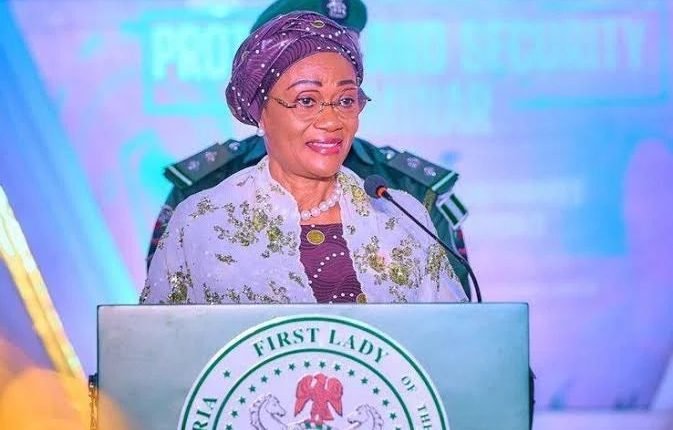
Nigeria’s First Lady, Senator Oluremi Tinubu, has said many Nigerian leaders are widely respected and honoured internationally but are frequently criticised, abused and undervalued by citizens at home, a situation she attributed to hate-fuelled narratives and political manipulation. Mrs Tinubu made the remarks in a Facebook post on Friday, days after US President Donald Trump publicly described her as a “very respected woman” during the National Prayer Breakfast in Washington, DC. The annual event, attended by members of the US Congress, religious leaders and international guests, saw Trump acknowledge the Nigerian First Lady while speaking on faith, leadership and global religious freedom. He praised her role as Nigeria’s First Lady and as an ordained pastor of the Redeemed Christian Church of God, one of the country’s largest Pentecostal denominations. “We’re honoured to be joined today by the First Lady of Nigeria, who also happens to serve as a Christian pastor at the largest church in Nigeria,” Trump said. “A very respected woman… It’s a great honour.” Reacting to the recognition, Mrs Tinubu lamented what she described as a growing gap between the respect Nigerian leaders receive abroad and the hostility they face at home. She said many Nigerians have been influenced by persistent negative narratives driven by political interests, resulting in intolerance and public disdain for leaders. “Most of our leaders are highly respected and honoured abroad, yet many Nigerians fail to value what they have because of hatred and narratives planted by political paymasters,” she wrote. She also criticised the culture of ridicule and online abuse directed at public office holders, warning that such behaviour undermines national unity and national development. “They bully these leaders, speak ill of them, demean them, curse them, and seize upon their mistakes to drag them across social media, ridiculing and mocking them,” she added. The First Lady stressed that Nigeria’s progress depends on unity, mutual respect and collective responsibility, urging citizens to support their leaders rather than tear them down. “Nigeria is built on love, unity and collective effort toward shared success. Let us support our respected leaders and work together to make our country great,” she said. Her comments come amid renewed international attention on Nigeria’s security challenges, following claims by Trump and some US lawmakers that Christians in the country face widespread violence. In late 2025, the United States designated Nigeria a “country of particular concern” over alleged attacks on Christians, a move strongly rejected by the Nigerian government. The Federal Government described the designation as inaccurate and divisive, insisting that Nigeria’s security problems stem from terrorism and criminality affecting citizens across religious and ethnic lines.

Tech & Tools Desk5 February 2026
BILL-GATEE.webp

3min10450
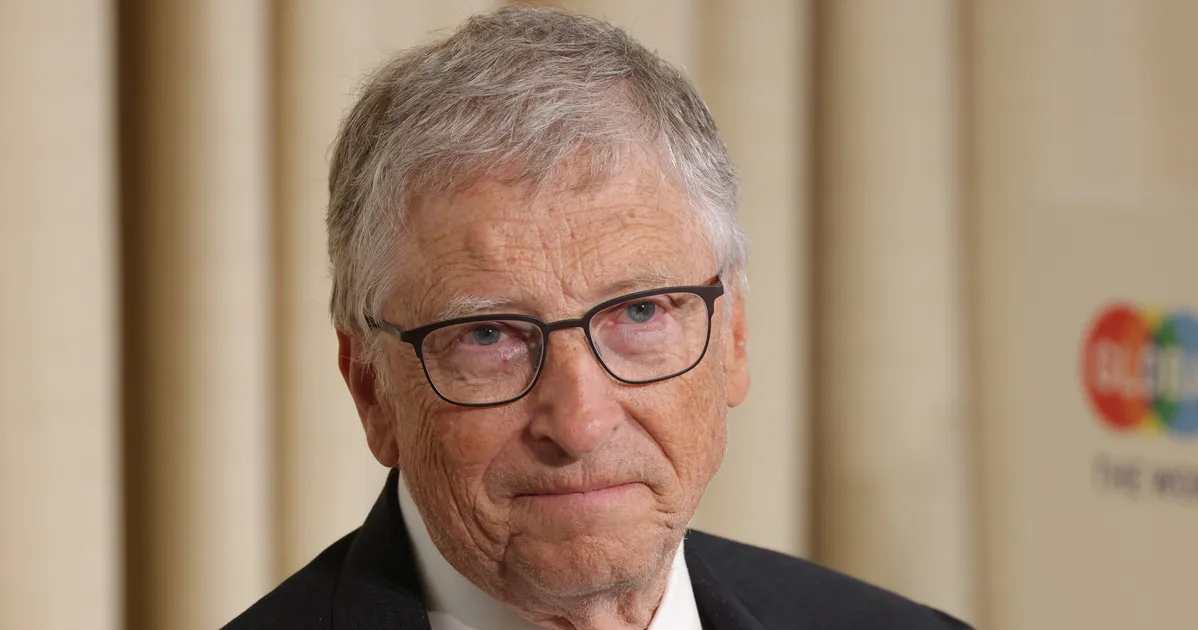
Bill Gates has expressed regret over “every minute” he spent with Jeffrey Epstein, even as his former wife, Melinda French Gates, said questions remain about his interactions with the convicted sex offender. Recently released US Justice Department documents included emails between Epstein and several prominent figures, revealing close ties, financial dealings, and private communications. One draft email from Epstein claimed Gates was involved in extramarital affairs, alleging that their interactions included “helping Bill to get drugs, in order to deal with consequences of sex with Russian girls, to facilitating his illicit trysts with married women.” “Every minute I spent with him, I regret, and I apologize,” Gates told 9News Australia in an interview aired Wednesday. “That email was never sent. The email is false. I don’t know what his thinking was there—was he trying to attack me in some way?” A Gates spokesperson echoed this denial, stating that the documents merely show Epstein’s frustration over not maintaining a relationship with Gates and his attempts to entrap or defame him. Melinda French Gates told NPR that the release of the documents brought back “memories of some very, very painful times in my marriage.” She added, “Whatever questions remain… those questions are for those people and for my ex-husband to answer, not me.” The couple divorced in 2021. Gates explained that he first met Epstein in 2011 and attended several dinners with him over three years, but never visited Epstein’s Caribbean island nor engaged in any sexual activity. “The focus was always, he knew a lot of very rich people, and he was saying he could get them to give money to global health. In retrospect, that was a dead end,” he said. While the documents highlight Epstein’s connections to public figures, inclusion of someone’s name does not imply wrongdoing, though it has raised scrutiny over previously downplayed or denied ties.

Tech & Tools Desk5 February 2026
us-tr.webp

3min4680
China on Thursday said it would not take part in nuclear negotiations “at this stage,” following the expiration of the New START treaty between the United States and Russia, a development that has raised concerns about a renewed global arms race. Advocacy groups have cautioned that the lapse of the treaty, which ended long-standing limits on the number of nuclear warheads deployed by Washington and Moscow, could prompt China to accelerate the expansion of its own nuclear capabilities. The United States has maintained that any future nuclear arms agreement must include China, but repeated international efforts to draw Beijing into fresh negotiations have so far been unsuccessful. Speaking at a press briefing, Chinese Foreign Ministry spokesperson Lin Jian said China has consistently held that progress on arms control and disarmament must be guided by the principle of safeguarding global strategic stability. He stressed that China’s nuclear forces are on a completely different scale compared with those of the United States and Russia, adding that China would not participate in nuclear disarmament talks at this point. The New START treaty officially expired on February 5 after US President Donald Trump did not act on a proposal by Russian President Vladimir Putin to extend the agreement’s warhead limits for another year. The United States and Russia together possess more than 80 percent of the world’s nuclear warheads, but bilateral arms control agreements have steadily eroded in recent years. While China’s nuclear arsenal is expanding, with estimates placing its strategic nuclear launchers at around 550, this remains well below the cap of 800 launchers previously imposed on both the United States and Russia under New START. Originally signed in 2010, the treaty limited each side to 1,550 deployed strategic nuclear warheads, representing nearly a 30 percent reduction from the limits set in 2002. It also provided for mutual on-site inspections of nuclear arsenals, though these inspections were suspended during the COVID-19 pandemic and have yet to resume.

Tech & Tools Desk4 February 2026
donald-trump-gettyimages-687193180-1280x640.jpg

2min10330
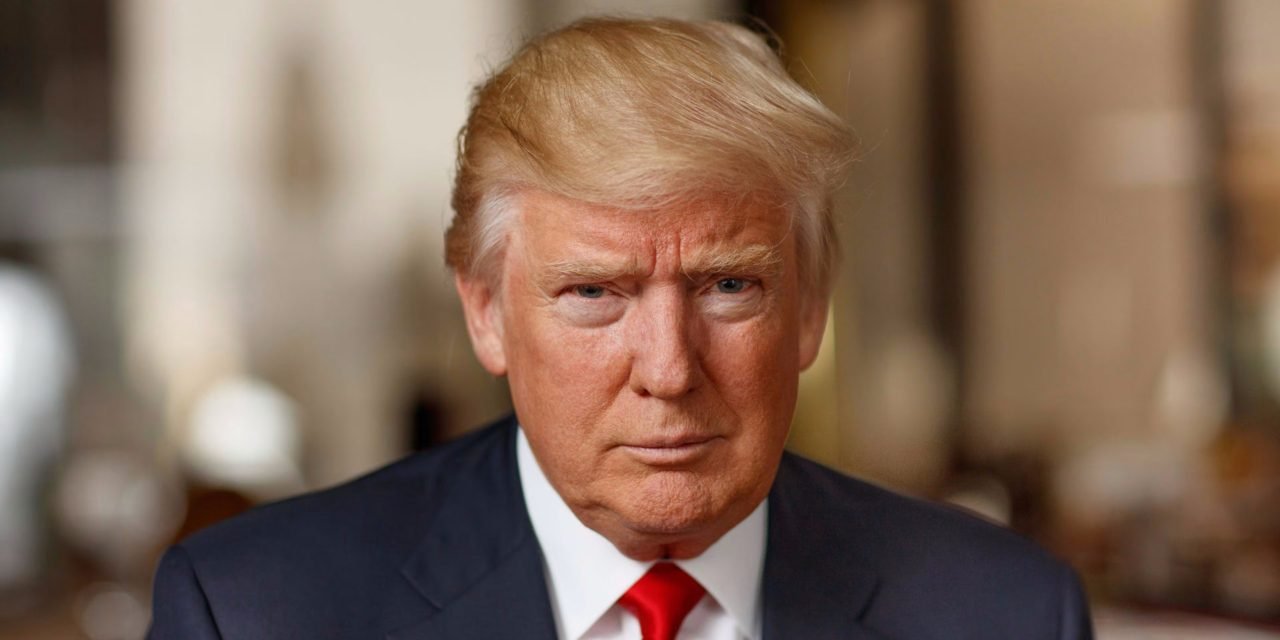
The United States has deployed a small team of troops to Nigeria, marking the first official US military presence on the ground since airstrikes targeted terrorist positions on Christmas Day 2025. The deployment follows airstrikes ordered in December 2025 by former President Donald Trump against what he described as “Islamic State targets” in the country, with further US military action in Nigeria indicated at the time. Prior to the strikes, the US had been conducting surveillance flights over Nigeria from neighbouring Ghana since at least late November 2025, providing intelligence support ahead of the December operations. The current deployment comes after an agreement between the Nigerian government and Washington to enhance cooperation against growing terrorist threats in West Africa. Head of the U.S. Africa Command, General Dagvin R.M. Anderson, said on Tuesday, “This has led to increased collaboration between our nations, including a small US team that brings some unique capabilities from the United States.” He did not provide details on the team’s size or specific roles but confirmed it would support Nigeria’s counterterrorism efforts. Defence Minister Christopher Musa also acknowledged the team’s presence without elaborating further. Security sources suggest the American personnel are likely engaged in intelligence gathering and assisting Nigerian forces in operations against groups such as Boko Haram and the Islamic State West Africa Province. Nigeria has faced pressure from Washington over its handling of terrorist attacks, particularly following Trump’s accusations that the government failed to protect Christians in the northwest — claims the Nigerian government has rejected. The federal authorities emphasise that their military operations target all armed groups attacking civilians, irrespective of religion.

Tech & Tools Desk4 February 2026
aiiiii-delta.jpg

4min4480
The organisers of The Nigeria Prizes have announced the opening of the 2026 competition cycle, with a focus on artificial intelligence, information and communication technology, poetry, and documentary filmmaking. In a statement released on Sunday, the organisers said the 2026 edition further strengthens The Nigeria Prizes’ standing as Nigeria’s leading platform for celebrating excellence in science, innovation, literature, and the creative arts. The Nigeria Prize for Science and Innovation will once again adopt the theme “Innovations in Information and Communication Technology, Artificial Intelligence, and Digital Technologies for Development”, following a no-award outcome in the 2025 cycle. Speaking on the choice of themes, NLNG’s General Manager, External Relations and Sustainable Development, Sophia Horsfall, said they were informed by rapid global and technological shifts. According to her, the 2026 themes reflect a world increasingly shaped by digital intelligence and creative expression, while reaffirming NLNG’s commitment to ideas and talents capable of delivering meaningful, long-term national impact. Horsfall also noted that the introduction of The Nigeria Prize for Creative Arts underscores NLNG’s belief in creativity as a catalyst for national development. Chairman of the Advisory Board for The Nigeria Prize for Science and Innovation, Professor Barth Nnaji, encouraged scientists and innovators to submit work that offers practical and scalable solutions. He stressed that the prize is rooted in the principle that scientific research must translate into real-world applications, particularly innovations with clear relevance to Nigeria’s development needs. Valued at $100,000, the Science and Innovation Prize is open to scientists and innovators worldwide and seeks digital and AI-driven solutions that can enhance efficiency and decision-making across key sectors of Nigeria’s economy. For the Nigeria Prize for Literature, the 2026 edition will centre on poetry. Nigerian poets at home and in the diaspora are eligible to submit poetry collections published from 2023 onwards. The literature prize is also valued at $100,000. Chairman of the Advisory Board for The Nigeria Prize for Literature and The Nigeria Prize for Creative Arts, Professor Akachi Adimora-Ezeigbo, described the Creative Arts Prize as a major milestone. She said it reflects the belief that excellence cuts across different forms of expression, including written, spoken, and visual storytelling. She added that the poetry focus highlights the genre’s enduring role in social commentary and critical reflection. The Nigeria Prize for Creative Arts will make its debut with a documentary film category themed “Identity”. Valued at $20,000, the prize is open to emerging Nigerian filmmakers aged 18 to 35 and aims to encourage storytelling that explores personal, communal, and cultural identities.

Tech & Tools Desk3 February 2026
DEAL-2.webp

5min4390
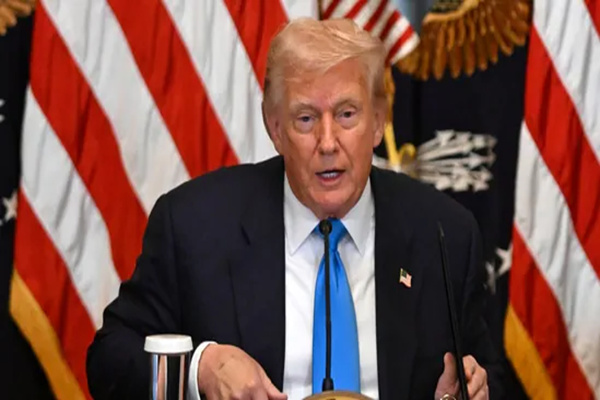
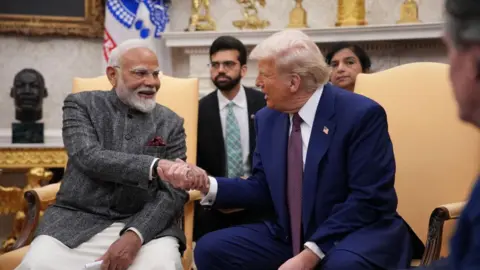
US President Donald Trump’s decision to reduce reciprocal tariffs on Indian goods from 50% to 18% has been welcomed in India, though many details of the agreement remain unclear. Last year, India faced some of the highest US tariffs after Trump increased import duties from 25% to 50%, citing New Delhi’s purchase of discounted Russian oil as supporting Moscow’s war effort in Ukraine. Following a call with Prime Minister Narendra Modi, Trump claimed that Modi had “agreed to stop buying Russian oil, and buy much more from the United States, and potentially Venezuela.” India has not confirmed these claims, but Modi expressed gratitude for the announcement, saying he hoped it would take US-India relations to “unprecedented heights.” The deal marks a thaw after a period of tension caused by Trump’s trade measures, which had hurt key Indian export sectors such as textiles, seafood, and jewellery. The tariffs also pushed India to accelerate other trade agreements and diversify its export markets. Last week, India and the EU finalised a major trade deal that eliminated tariffs on 80–90% of goods, marking Delhi’s ninth free trade agreement in four years. The agreement with the US, however, had previously stalled. The long-awaited announcement has been welcomed by Indian industry. Nilesh Shah, a fund manager, noted that while the full details are yet to be clarified, the reduction “removes a hanging sword over the rupee, equity, and rates market” and could be a “win-win” for both countries. The 18% tariff now aligns India with other Asian peers, such as Vietnam, Thailand, and Bangladesh, which face duties ranging from 19% to 40% on US exports. Analysts say this could enhance India’s appeal as an alternative manufacturing hub to China, citing advantages such as lower labour costs, political stability, and a large domestic market. Textile exporters in India also welcomed the development. The Confederation of Indian Textile Industry said the deal would enable them to compete more effectively in the US, which is the largest market for Indian textile and apparel exports. However, trade experts caution that many questions remain. Ajay Srivastava of the Global Trade and Research Initiative noted that Trump’s statements leave unclear which products are included, the timelines involved, and whether sensitive sectors such as agriculture will face zero tariffs and non-tariff barriers. US Secretary of Agriculture Brooke Rollins said the deal would allow the US to export more farm products to India, helping reduce the $1.3 billion agricultural trade deficit. India, however, has not commented on this aspect, as agriculture employs around half of the country’s population and remains a sensitive issue. Srivastava also warned that claims about India purchasing more than $500 billion of US goods, including energy, technology, and agriculture, should be treated with caution given current US-India trade volumes are under $50 billion. He emphasised that until a formal joint statement or negotiated text is issued, the announcement should be seen as a political signal rather than a completed deal. Nonetheless, the breakthrough after months of stalemate is seen as a positive step, with both governments indicating that further phases and negotiations are expected in the coming months. Geopolitically, the announcement is significant. Over the past year, India had strengthened ties with China and Russia, with leaders displaying solidarity at the Shanghai Co-operation Organisation Summit and Modi meeting Putin to further the “no limits” partnership. Analysts suggest that a renewed engagement with the US could now shift India’s strategic alignment back toward Washington. Shilan Shah of Capital Economics noted that if this rapprochement holds, India is likely to gravitate toward the US bloc, though many in the country still prefer a position of strategic non-alignment.

Tech & Tools Desk3 February 2026
Anti-Ssnake-Venom.webp

6min4740
At least half of health facilities in Nigeria are unable to adequately treat snakebite envenoming, according to a new report. The findings were released by the global Strike Out Snakebite initiative to commemorate World Neglected Tropical Diseases (NTDs) Day 2026, observed annually on January 30. The report highlighted how weak health systems, poor infrastructure and persistent shortages of life-saving antivenom continue to fuel preventable deaths and long-term disabilities, especially in high-burden countries such as Nigeria. The study surveyed 904 frontline healthcare workers in Nigeria, Brazil, India, Indonesia and Kenya — five countries with the highest snakebite burden globally. It found that 50 per cent of respondents said their facilities lacked full capacity to manage snakebite cases, while 99 per cent reported difficulties administering antivenom, the only treatment recognised by the World Health Organisation as essential for snakebite care. In Nigeria, the situation was described as particularly alarming, with 98 per cent of healthcare workers reporting challenges in administering antivenom. The report noted that Nigeria is home to 29 snake species, about 41 per cent of which are venomous, yet many victims struggle to access timely and effective medical care. Healthcare workers identified urgent needs such as improved access to care, better-quality antivenom, stronger regulation, expanded training, and increased community education to reduce risky behaviours. Key contributors to avoidable deaths and disabilities included delays in patients reaching health facilities (57 per cent), poor infrastructure and inadequate equipment (56 per cent), and lack of training and clinical guidelines (42 per cent). The report followed the recent death of Abuja-based music talent Ifunanya Nwangene, who reportedly visited two hospitals unable to administer antivenom before she died. It further revealed that 35 per cent of healthcare workers experience daily shortages of antivenom, while more than 77 per cent reported life-threatening delays in patients seeking care, often due to reliance on traditional remedies. According to the findings, 44 per cent of respondents said such delays had led to amputations or major surgeries, outcomes that frequently push affected families into poverty. Snakebite envenoming was described as a disease of inequality, disproportionately affecting rural communities, children and agricultural workers living far from well-equipped health facilities. Globally, the condition kills an estimated one person every five minutes, yet remains severely underreported and underfunded despite being preventable and treatable. Speaking on the findings, co-chair of the Global Snakebite Taskforce and Chancellor of the London School of Hygiene and Tropical Medicine, Elhadj As Sy, said the research was urgent, noting that snakebite envenoming causes up to 138,000 deaths annually and leaves about 400,000 people with permanent disabilities. He described it as troubling that one of the deadliest neglected tropical diseases remains largely invisible to global decision-makers, donors and funders. He called for urgent action to ensure that a preventable and treatable condition no longer claims lives across Nigeria and other vulnerable regions. As Sy also stressed that frontline healthcare workers are battling the disease within fragile and under-resourced systems, adding that political will and bold commitments from governments, partners and investors are needed to reverse the trend. The report highlighted that victims often endure long journeys to care, limited infrastructure and scarce, expensive antivenom, barriers that turn a treatable condition into a life-threatening emergency. It also pointed to simple preventive measures — such as wearing protective footwear, using mosquito nets, carrying torches at night and avoiding snake habitats — which could significantly reduce risk, particularly in rural communities. Calling for government action, As Sy urged the international community to prioritise snakebite prevention and treatment, noting that solutions already exist and deaths are preventable. Executive Secretary of the African Leaders Malaria Alliance, Joy Phumaphi, said snakebite envenoming continues to claim the lives of vulnerable people despite being preventable, reaffirming commitments to strengthen prevention and control through advocacy and country-led solutions. The report urged governments, philanthropists, multilateral agencies and industry players to increase investment in research, expand affordable and high-quality antivenom production, modernise health infrastructure and integrate snakebite prevention and treatment into national health plans. It warned that snakebite envenoming currently receives only a fraction of the funding required, despite causing up to 138,000 deaths and 400,000 permanent disabilities worldwide each year.

Tech & Tools Desk2 February 2026
Ms-ifunanya.webp

5min6170
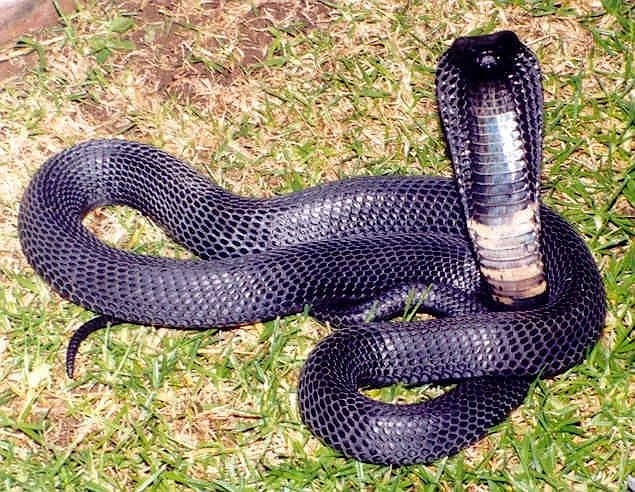
Ifunanya Nwangene, a rising Abuja-based singer, has died after being bitten by a snake, sparking renewed concern about emergency medical preparedness in the Federal Capital Territory. The 26-year-old soprano, a member of the Amemuso Choir, passed away on Saturday at the Federal Medical Centre (FMC), Abuja, after efforts to treat her were reportedly hampered by the limited availability of antivenom. Confirming her death, the Amemuso Choir released a statement on Sunday signed by its music director, Sam Ezugwu, mourning the loss of the talented singer. “We deeply regret to announce the sudden passing of our beloved soprano, Ifunanya Nwangene, who died yesterday, 31st January 2026, at the Federal Medical Centre due to a snakebite,” the statement read. The choir described Nwangene as a fast-rising talent within Abuja’s music scene, noting her death occurred at a pivotal stage of her career. “A rising star, Ifunanya was poised to share her remarkable talent with the world. Her voice and presence will be profoundly missed,” the statement added, while indicating that funeral arrangements would be announced later. Speaking on how the incident unfolded, Ezugwu explained that Nwangene was bitten while asleep in her residence and initially sought treatment at a private hospital in Lugbe. “She was bitten at home and rushed to Divine Health Hospital in Trademore, Lugbe. Unfortunately, the hospital did not have the antivenom,” he said. Transportation and antivenom shortages further delayed her transfer to FMC. “Her landlord tried to take her to FMC, Jabi, but the car failed. She then booked a Bolt to the hospital and explained her situation to the medical team,” Ezugwu added. Although she received care at FMC, the hospital reportedly had only one vial of antivenom available. Efforts to obtain a second vial were unsuccessful in time. “While we were trying to get the second vial, she unfortunately passed away,” he said. Following her death, a snake charmer was called to identify the snake species. The cobra that bit Nwangene was found inside her residence, while another snake was killed near the entrance. The incident occurred in the morning, and she died around 12:20 pm. The case has prompted public debate about emergency healthcare in Nigeria. Health advocates have criticised the lack of readily available antivenom in hospitals. Popular social media health commentator Aproko Doctor highlighted the systemic issues, noting that locally developed antivenom for Nigerian snakes, such as Echi-Tab, exists but is not sufficiently stocked in hospitals. “The lack of basic emergency supplies, not the snake itself, caused her death,” he stated. He also pointed to broader healthcare gaps, including poor infrastructure, strikes, and insufficient emergency response systems. This incident mirrors other recent snakebite fatalities in the FCT. In a separate case, the Jamigbe community in Abaji Area Council reported that a head teacher, Usman Mohammed, died after being bitten by a venomous snake in his office. Globally, snakebite envenoming causes up to 138,000 deaths and 400,000 permanent disabilities each year. Recognised by the World Health Organization as a priority neglected tropical disease, snakebite continues to disproportionately affect rural and vulnerable communities. In Nigeria, healthcare workers report widespread challenges in treating snakebite victims, including delays in patient arrival, poor hospital infrastructure, and gaps in clinical training, all contributing to preventable deaths.

Tech & Tools Desk2 February 2026
Doctors-strike.jpg

5min7490
The ongoing industrial action by the Joint Health Sector Unions (JOHESU) has entered its third month, severely disrupting services in government-owned hospitals nationwide. Patients have been left stranded, with many forced to seek care in private facilities. Critical departments such as hospital pharmacies, laboratories, and support services have been largely inactive, significantly affecting healthcare delivery. While federal health institutions have been most affected, state-owned hospitals in Ekiti and Benue have largely remained operational, easing the pressure on patients. In some state facilities, including the Benue State University Teaching Hospital, resident doctors, nurses, and midwives have also embarked on separate strikes over unpaid salaries, pension disputes, and poor infrastructure. At the Federal Teaching Hospital, Ido Ekiti, doctors and nurses continued to work, but other health staff stayed away. Ayodeji Ogunrinu, former JOHESU chairman at FETHI and current Chairman of the Nigeria Union of Allied Health Professionals, Ekiti State Council, described the strike as unfortunate, noting that it deprives both patients and hospital staff of essential medical services. He emphasized that all hospital personnel, from cleaners to health assistants, play vital roles in service delivery. Ogunrinu lamented that FETHI now resembled a “ghost town,” with no water, electricity, drugs, or functional laboratories. Ogunrinu urged the Federal Government to implement the 2018 circular from the Ministry of Labour regarding adjustments to the Consolidated Health Salary Scale (CONHESS) for JOHESU members, which forms the basis of the ongoing strike. In contrast, JOHESU members at Ekiti State University Teaching Hospital (EKSUTH), Ado Ekiti, have continued working as a mark of respect for Governor Biodun Oyebanji. Adewale Adeosun, acting JOHESU chairman at the facility, said patient turnout had increased as federal hospitals remained largely inactive. Oluwafemi Ajoloko, JOHESU State Chairman, expressed hope that the federal government would approve the requested CONHESS adjustment within one to two weeks. He noted that while federal health workers remain on strike, staff at state hospitals and primary healthcare centres have maintained services, but with increased workload. At Obafemi Awolowo University Teaching Hospital (OAUTHC), Ile-Ife, services have been scaled down, affecting medical training and postponing surgeries. JOHESU chairman Abdullateef Adeyeni reported that the facility had lost up to N1.5 billion in internally generated revenue over three months due to the strike, criticizing perceived inaction by the Coordinating Minister of Health. Similarly, hospitals in Ondo State, including the University of Medical Sciences Teaching Hospital, Akure, have seen reduced patient turnout. Offices of JOHESU staff, pharmacies, and laboratories remain closed, pushing patients toward private facilities. Dr. Olumuyiwa Alonge, chairman of the Nigerian Medical Association (NMA) in the state, confirmed that the strike has hindered smooth hospital operations, as roles like laboratory work and pharmacy services are essential for full functionality. At Lagos State University Teaching Hospital, Ikeja, pharmacies and laboratories are largely non-functional, forcing patients to purchase medicines from private pharmacies. Dr. Gbolahan Adenuga, chairman of the resident doctors’ association, said the workload has shifted to local staff and interns, creating delays. While JOHESU members in Benue State are not on strike, service has been partially affected due to ongoing industrial actions by resident doctors, nurses, and midwives at the State University Teaching Hospital, Makurdi. Issues include salary arrears, pension disputes, manpower shortages, delayed promotions, and poor infrastructure. Commissioner for Health in Benue, Dr. Paul Ogwuche, confirmed that the government has been addressing key concerns and anticipates that affected unions will resume work soon. He said an agreement is close to being signed, which will restore full healthcare services. The prolonged strike highlights the urgent need for government intervention to resolve payment, pension, and infrastructural issues to restore normalcy in public hospitals.