Author: Tech & Tools Desk

Tech & Tools Desk28 January 2026
NAMANI-headset-2.png

3min8060
Editor’s Note: This article contains affiliate links. As an Amazon Associate, I earn from qualifying purchases. In my journey as a Principal Facilitator, I’ve realized that an educator’s greatest asset isn’t just their knowledge—it’s their ability to multitask without losing focus. Whether you are leading a virtual workshop, coordinating with a “Gateway team” on curriculum, or simply trying to stay productive during a long commute, your tools should set you free, not tie you down. To stay effective in a digital-first school environment, you need a communication tool that offers professional-grade clarity without the weight of a traditional headset. The Multi-Tasking Must-Have: Pro Bluetooth Earpieces Modern education demands that we move. From the classroom to the administrative office, being tethered to a laptop by a wire is a barrier to “walking leadership.” The Comparison: Why This Choice Matters. While many educators look at high-end over-ear headphones (like Bose or Sony) or standard consumer earbuds (like AirPods), they often fall short for professional educational use: Over-Ear Headphones: Can feel heavy and isolating during an 8-hour workday, and they aren’t practical for “on-the-move” coordination. Standard Earbuds: Often have poor microphone isolation in noisy hallways and a battery life that won’t last through back-to-back parent-teacher conferences. Top Recommendation: NANAMI Bluetooth Headset V5.0 Why it works for you: The “Marathon” Battery: With up to 320 hours of standby time and nearly 24 hours of talk time, you can go a full week without worrying about a charge. Ultralight Comfort: At a fraction of the weight of over-ear models, it features a 180° rotatable ear hook. You can switch ears throughout the day to prevent fatigue. Crystal Clear Mic: The rotatable, noise-canceling microphone ensures that even if you’re in a busy staff room or driving to a facilitation site, your voice remains clear and authoritative. Facilitator Insight: I’ve found that the best tool is the one you forget you’re wearing. This earpiece lets you keep one ear open to your surroundings (essential for school safety and student supervision) while staying perfectly connected to your digital tasks. It is the ultimate bridge for the busy Edupreneur. Check on Amazon: NANAMI Bluetooth Headset (320Hrs Standby) – https://amzn.to/4k74mmP (Paid Link)

Tech & Tools Desk27 January 2026
india-eu-trade-deal_625x300_16_January_26.webp

4min6050
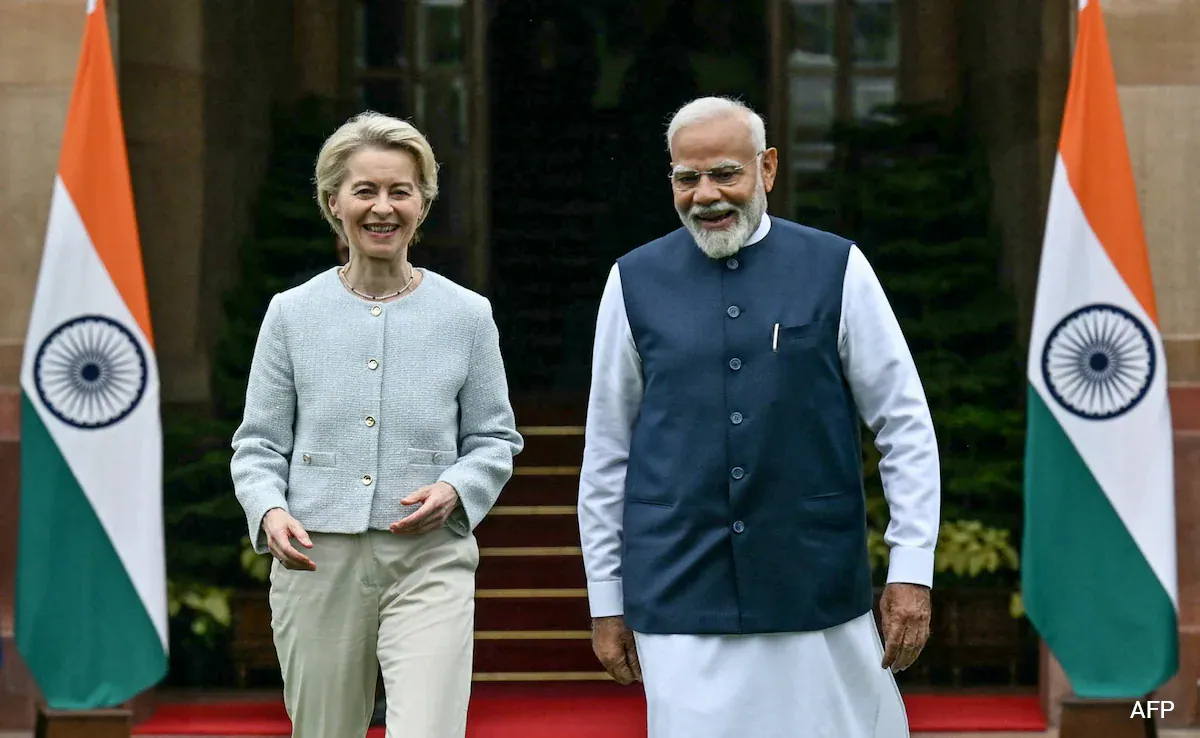
The European Union and India have announced a landmark trade agreement after nearly two decades of intermittent talks, aiming to strengthen economic ties amid global trade tensions. European Commission President Ursula von der Leyen described it as “the mother of all deals” after meeting Indian Prime Minister Narendra Modi in Delhi, who called the agreement “historic.” The deal will allow free trade of goods between the EU’s 27 member states and India, together representing nearly 25% of global GDP and a market of around two billion people. The agreement is expected to significantly reduce tariffs and increase market access for both sides. Von der Leyen and European Council President António Costa, who are in Delhi for a bilateral summit with Modi, said the deal will eliminate tariffs on most exports of chemicals, machinery, electrical equipment, aircraft, and spacecraft through phased reductions. Duties on motor vehicles, currently up to 110%, will be reduced to 10% under a quota of 250,000 vehicles. The pact will lower costs for European products entering India, including cars, machinery, and agricultural food items, while sensitive agricultural sectors such as dairy and sugar remain excluded. It is also expected to boost investment flows, improve access to European markets, and deepen supply-chain integration. “This is a historic agreement,” Modi said, adding that it will make access to European markets easier for Indian farmers and small businesses, while supporting growth in manufacturing, services, and innovation partnerships. The deal comes as both India and the EU navigate economic and geopolitical pressures globally. Von der Leyen highlighted that the free trade zone of two billion people will benefit both sides and strengthen their strategic partnership. Costa added that the agreement sends a clear message that India and the EU prefer trade cooperation over protectionist measures. Von der Leyen and Costa attended India’s Republic Day celebrations over the weekend and met Modi in Delhi, where the leaders’ cordial relations were evident. The formal signing is expected later this year after approval by the European Parliament and European Council. In addition to trade, India and the EU are advancing talks on security, defence cooperation, and climate action. India’s Defence Minister Rajnath Singh met with European Commission Vice-President Kaja Kallas to discuss joint opportunities in defence supply chains, cybersecurity, maritime security, and developing future-ready capabilities. Modi noted that the partnership represents 25% of global GDP and one-third of global trade. The EU is India’s largest trading partner in goods, with bilateral trade reaching $136 billion in 2024-25, nearly doubling over the past decade. Negotiations for the trade deal began in 2007 but stalled in 2013 over market access and regulatory issues, resuming formally in July 2022. Key sticking points included India’s automobile and agricultural markets and carbon-linked tariffs, which analysts will examine closely in the final agreement. The deal also comes as both India and the EU seek alternative markets for exporters, following recent trade agreements India signed with the UK, Oman, and New Zealand, and the EU’s recent deal with South American trade bloc Mercosur after 25 years of negotiation.

Tech & Tools Desk27 January 2026
c-and-ss.jpg

4min5360
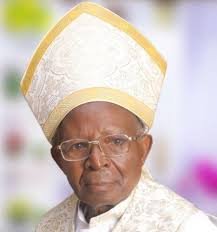
The Cherubim and Seraphim Unification Church of Nigeria has urged the Federal Government to step up efforts to address the country’s worsening security situation following the abduction of more than 160 worshippers in Kajuru Local Government Area of Kaduna State on January 18. The call was made by the church’s Supreme Head, Emmanuel Alogbo, on Monday during a world press conference held ahead of the church’s 2026 Annual General Conference at Seraphim Land in Ogun State. Alogbo described the incident as a painful national tragedy and appealed to the government to further equip the Armed Forces with modern tools and resources to enhance their effectiveness. He said the church was deeply concerned about the loss of innocent lives, the displacement of families, and the growing fear in many communities across the country. According to him, 151 members of the church remain in captivity after being kidnapped during a Sunday service on January 18, 2026, at Wali in Kajuru LGA. While acknowledging the efforts of the President Bola Tinubu-led administration in tackling insecurity, he noted that the recent surge in kidnappings requires urgent and decisive action. Alogbo added that the church is working with its state chapters to relocate worship centres from remote and high-risk areas to safer locations. He also said the church is using its platform within the Christian Association of Nigeria to push for stronger security measures nationwide. The church’s forthcoming Annual General Conference, themed “An Unhidden City” (Matthew 5:14), is scheduled to hold from January 29 to February 1 at Saviour’s Ministries (C&S), Alausa, Ikeja, Lagos State. The event aims to provide spiritual guidance and practical direction during a challenging period, with activities including plenary teaching sessions, leadership and ministers’ forums, youth and women empowerment programmes, prayers and intercessions, and strategic discussions on the church’s future beyond its centenary. Meanwhile, tension remains high in Kurmin Wali village in Kajuru LGA, where worshippers from three churches were abducted. Out of the 177 people initially taken, 11 later escaped, leaving 166 still in captivity more than a week after the attack. The victims include children as young as five, women, and elderly men. Christian Solidarity Worldwide Nigeria described the condition of the captives as distressing and life-threatening, noting that they are reportedly being forced to sleep outdoors in cold and harsh conditions without sufficient food or medical care. Its CEO, Rev. Yunusa Nmadu, said the prolonged captivity has worsened the trauma experienced by victims’ families and weakened public confidence, especially after initial reports of the abduction were denied before being confirmed. Kaduna State Governor, Senator Uba Sani, has since visited Kurmin Wali, where he met with community leaders and families of the abducted worshippers. The state government was commended for providing medical support to those who escaped, repairing access roads to the village, and deploying security personnel to maintain calm. However, Nmadu stressed that these steps are insufficient without the immediate rescue of those still held captive, urging security agencies to intensify efforts to secure their release and restore public trust. Residents of Kurmin Wali continue to live in fear and uncertainty, holding on to hope for the safe return of their loved ones as the days in captivity continue.

Tech & Tools Desk26 January 2026
trump.jpeg

5min11260
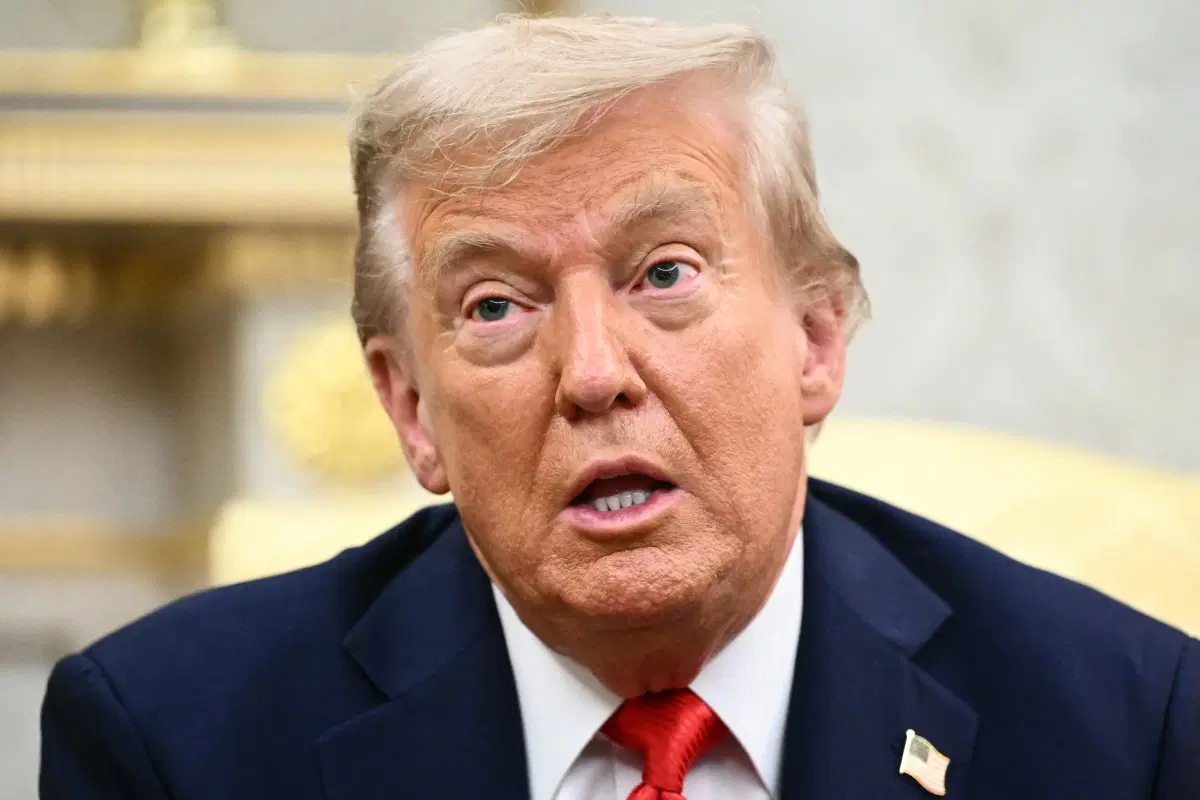
US President Donald Trump says his administration is “reviewing everything” following the fatal shooting of 37-year-old intensive care nurse Alex Pretti by immigration agents in Minneapolis on Saturday. In comments to the Wall Street Journal, Trump indicated that he would eventually withdraw federal agents from the city but did not specify a timeline. Protests continued in Minneapolis and other cities on Sunday, as Minnesota Governor Tim Walz described the nation as being at an “inflection point.” The details surrounding the incident—the second fatal shooting by federal agents of a US citizen in recent weeks—remain contested, fueling tensions between state and federal officials. The administration has defended the agent involved, with Homeland Security Secretary Kristi Noem claiming Pretti was “brandishing” a firearm. Local authorities dispute this, stating that the gun was legally registered and that Pretti was shot after it was removed. Trump told the Wall Street Journal, when asked whether the agent acted appropriately: “We’re looking, we’re reviewing everything and will come out with a determination.” He added: “I don’t like any shooting. I don’t like it. But I don’t like it when somebody goes into a protest and he’s got a very powerful, fully loaded gun with two magazines loaded up with bullets also. That doesn’t play good either.” Pressure has mounted on the administration from both Democrats and some prominent Republicans, calling for a full investigation. Senator Bill Cassidy urged a joint federal and state inquiry, while Congressman James Comer, an ally of Trump, suggested relocating immigration agents from Minneapolis, citing risks to their safety and the potential for further casualties. Trump reiterated that federal agents had done “a phenomenal job” but said they would eventually leave. Over the weekend, multiple vigils were held for Pretti in Minneapolis. Protesters of all ages rallied under slogans such as “No more Minnesota nice – Minneapolis on strike” and “ICE out now.” Community leaders and residents condemned the actions of federal agents, highlighting Pretti’s status as a lawful gun owner with no criminal record beyond minor traffic violations. The shooting has sparked a nationwide debate over immigration enforcement, the Second Amendment, and federal oversight. While some polls suggest about half of Americans support Trump’s efforts to deport undocumented immigrants, the public remains divided on the methods being used. Business leaders, including CEOs from 3M, Best Buy, and Target, called for de-escalation and cooperation between state and federal authorities to prevent further violence. Minneapolis Police Chief Brian O’Hara said state officers were blocked from accessing the scene by federal agents, complicating investigations. Trump’s administration has defended the operations in Minneapolis as a public safety measure targeting criminals, while critics argue that law-abiding citizens and immigrants with no criminal history are being affected. Pretti’s family condemned the administration’s characterization of him as a “domestic terrorist,” emphasizing that he had no criminal record and urging the public to know the truth about their son. Minnesota officials, including Walz, described the incident as a test of national unity, warning that divisions over the treatment of citizens could have far-reaching consequences. Republican leaders, including Oklahoma Governor Kevin Stitt and Louisiana Senator Bill Cassidy, echoed concerns over accountability and federal tactics. Former Presidents Bill Clinton and Barack Obama also criticized the events, with Clinton describing them as “horrible scenes” that should not occur in America. Meanwhile, Trump demanded cooperation from governors and mayors nationwide and called for an end to sanctuary city policies, blaming them for ongoing conflicts between federal agents and local communities. The latest shooting follows ongoing tensions in Minneapolis between ICE agents and Somali and other immigrant communities, part of a wider federal crackdown on individuals suspected of being in the US illegally.

Tech & Tools Desk26 January 2026
Trump-and-Tinubu-US-MILLITARY.webp

5min8530
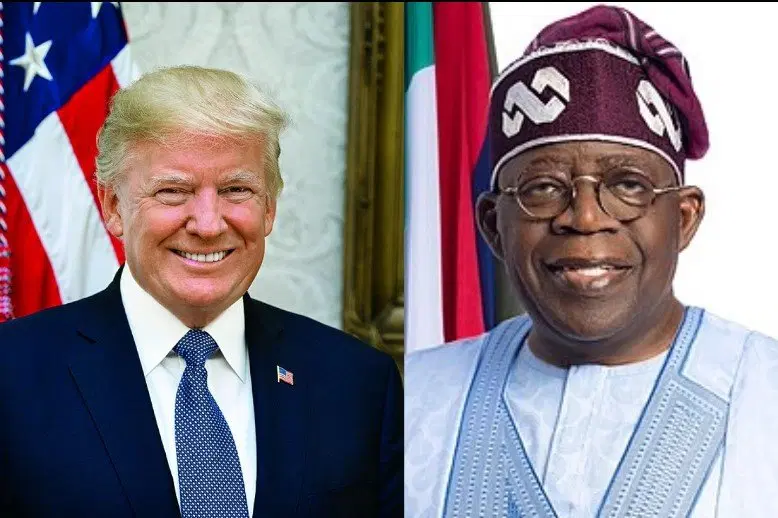
The United States military has stepped up the supply of equipment and intelligence sharing with Nigeria as part of a wider effort to support African forces in tackling militants linked to the Islamic State, according to the deputy commander of US Africa Command (AFRICOM). Lieutenant General John Brennan said the Pentagon is also maintaining communication with the armed forces of Burkina Faso, Niger and Mali, despite those Sahel countries being governed by military juntas. He explained that the expanded cooperation with Nigeria comes amid Washington’s growing concern over jihadist violence and a more assertive US posture toward Islamic State-affiliated groups across Africa. Under the Trump administration, Brennan said the US military has become more aggressive in working with partners to carry out kinetic operations against ISIS-linked threats. “From Somalia to Nigeria, these challenges are interconnected. Our aim is to disrupt these networks and provide partners with the intelligence they need to succeed,” he said. According to him, the focus has been on empowering partner nations by easing restrictions and supplying them with equipment and operational capabilities to improve their effectiveness. The renewed collaboration follows the first US–Nigeria Joint Working Group meeting held in Abuja last week, which came about a month after the US carried out surprise airstrikes on Christmas Day against Islamic State-linked targets in northwest Nigeria. While both countries appear eager to deepen security cooperation, tensions remain over US diplomatic pressure regarding claims of mass killings of Christians in Nigeria. Nigerian authorities and independent analysts have rejected that characterisation, arguing that the country’s conflicts are complex and not solely religious in nature. Religious sensitivity surfaced during the Abuja meeting when a senior US State Department official urged Nigeria to protect Christians, without referencing Muslim victims of violence. Nigeria is almost evenly divided between a largely Muslim north and a largely Christian south, and while many communities coexist peacefully, religious and ethnic identities remain sensitive issues. Brennan clarified that US intelligence support would not be limited to the protection of any single religious group. He said American assistance would focus heavily on intelligence sharing to support Nigerian air operations in both the northwest and the northeast, where Boko Haram and its rival faction, Islamic State West Africa Province (ISWAP), have waged an insurgency since 2009. He described ISWAP as the most concerning militant group currently operating in the region. Recent months have seen increased US intelligence flights over Nigeria, though some analysts question whether air power alone can defeat armed groups that benefit from poverty and weak state presence in rural areas. Brennan said future cooperation would cover extensive intelligence sharing, joint operational methods, and support for Nigeria to acquire additional equipment. The earlier US strikes, he noted, targeted militants linked to Islamic State Sahel Province, a group typically active in neighbouring Niger but feared to be expanding toward coastal West Africa. The effectiveness of the strikes remains unclear, with no independent confirmation of casualties. Nigeria’s information minister recently described the outcome as “still a work in progress.” Beyond Nigeria, Brennan said the US continues to share intelligence with military authorities in Burkina Faso, Mali and Niger, even though formal security cooperation has been reduced following coups that overthrew civilian governments between 2020 and 2023. “We still engage our military counterparts across the Sahel and have shared information to help target key terrorist threats, even if the cooperation is not official,” he said. He also stressed that the US is not seeking to establish new military bases in West Africa following its withdrawal from Niger. Instead, he said Washington’s priority is delivering the right capabilities at the right time, without pursuing long-term basing arrangements in the region.

Tech & Tools Desk25 January 2026
aa-6.webp

3min6200
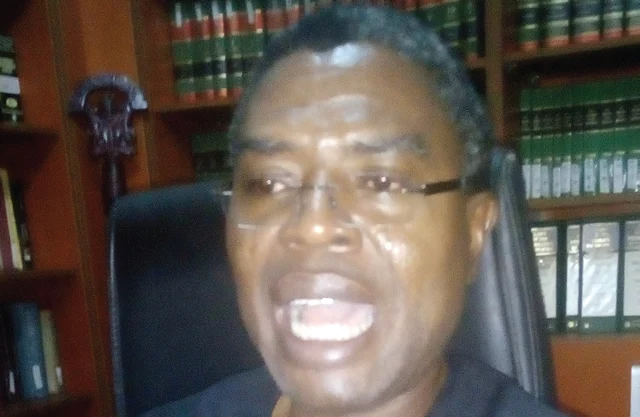
A federal commissioner at the Federal Civil Service Commission, Henry Idahagbon, has called for the total dismantling of godfatherism in Nigeria’s political system, describing it as a harmful practice uniquely invented in the country. Speaking in an interview with the News Agency of Nigeria (NAN) in Abuja on Sunday, Idahagbon, who represents Edo, Ekiti and Ondo states, said godfatherism remains one of Nigeria’s negative contributions to democratic development. According to him, while influential political figures exist in democracies across the world, including the United States, the Nigerian version of godfatherism is extreme and unmatched. “There are powerful political actors everywhere, but nothing compares with the Nigerian concept of godfatherism. It is a uniquely Nigerian creation,” he said. Idahagbon cited Edo and Rivers states as prime examples of the destructive effects of godfatherism, recalling the political crisis between former Edo State Governor, Godwin Obaseki, and his predecessor, Adams Oshiomhole. He recounted how tensions escalated to the point where Oshiomhole was declared persona non grata in a state he once governed, requiring private security escort from the airport to his residence. He added that Oshiomhole’s convoy was repeatedly attacked and that thugs once attempted to burn down his house. He noted that a similar situation is currently unfolding in Rivers State, where the Minister of the Federal Capital Territory is allegedly exerting undue influence over Governor Siminalayi Fubara after supporting his emergence. Idahagbon, a former attorney-general and commissioner for justice during Oshiomhole’s administration, stressed that Nigerian leaders must learn to disengage from power after leaving office. “When governors and presidents leave office, they should leave completely and stop trying to impose successors,” he said. He argued that the drive to handpick successors is often motivated by the desire for protection after leaving office, adding that leaders with clean records have nothing to fear. “If you have performed well in office, you don’t need to determine who succeeds you,” he said, citing Abia State Governor Alex Otti as an example. The commissioner urged Nigerians to embrace the principle of “one man, one vote” and reject godfatherism, calling for the mantra to become a national creed. “Godfatherism has far-reaching negative consequences for our polity. It is time we consciously say no to it,” he added.

Tech & Tools Desk24 January 2026
aa-4.webp

2min6250
The University of Ibadan (UI) has been ranked as Nigeria’s leading university in both law and medicine in the Times Higher Education (THE) World University Rankings by Subject 2026. The rankings, obtained on Saturday via the THE website, place UI among the top-performing institutions globally in the two disciplines. In the law category, UI and the University of Nigeria, Nsukka (UNN) were ranked in the 301–400 band, securing Nigeria’s representation among 425 leading law schools worldwide. The assessment was based on indicators such as teaching quality, research output, international outlook, and performance across constitutional, criminal, corporate, and international law. According to THE, the 2026 law rankings evaluate excellence in constitutional and administrative law, international law, commercial and corporate law, criminal law and justice, as well as legal theory and jurisprudence. Stanford University topped the global law ranking for teaching excellence. In medicine and health-related subjects, THE said the 2026 rankings assessed universities across medicine, dentistry, nursing, and other healthcare disciplines. The University of Oxford emerged as the world’s leading institution in the category for its strong performance in teaching, research, and industry engagement, with the University of California, Berkeley also making the global top 10. THE disclosed that 1,230 universities from 102 countries and territories were evaluated using 18 performance indicators, adjusted specifically for medical and health disciplines. Within Nigeria, UI led the medical and health rankings in the 301–400 band, followed by the University of Lagos in the 401–500 category. Ahmadu Bello University, Bayero University, the University of Benin, the University of Jos, and UNN were placed in the 601–800 band. Babcock University, Obafemi Awolowo University, and the University of Ilorin ranked in the 801–1000 band, while Lagos State University and the University of Port Harcourt were listed in the 1001+ category.

Tech & Tools Desk23 January 2026
DOCTORR.jpeg

6min6210
The President of the Paediatricians Association of Nigeria (PAN), Dr Ekanem Ekure, has criticised the 4.3 per cent health allocation in the 2026 national budget, describing it as a clear sign of insufficient investment in the health and future of Nigerian children. Ekure also called for urgent medical care and comprehensive remediation for victims of the Ogijo lead poisoning crisis linked to recycled battery factories, stressing that children make up the majority of those affected. She argued that the incident should prompt stronger regulatory enforcement and coordinated national action to protect vulnerable children. She made the remarks on Thursday in Abeokuta at the opening of PAN’s 57th Annual General Meeting and Scientific Conference, themed “Achieving SDG-3 and Child Health Care through Innovative Funding Models and Technology-Driven Solutions.” According to her, the theme reflected the urgent need to address Nigeria’s child health challenges and mobilise action from professionals, government, and other stakeholders. Highlighting the country’s ongoing struggles, Ekure said Nigeria continues to face a disproportionate burden of preventable childhood illnesses and high mortality rates. “Despite notable efforts, neonatal mortality remains at 41 per 1,000 live births and under-five mortality at 110 per 1,000. Persistent malnutrition, inadequate immunisation coverage, and unequal access to quality child health services continue to affect millions of children,” she said. On the Ogijo lead poisoning crisis in Ogun State, Ekure acknowledged the closure of the offending factories but emphasised that full remediation, medical intervention, regulatory enforcement, and national protection for affected children remain essential. She also highlighted other threats to children nationwide, including abductions from schools and markets, particularly in northern regions, as well as challenges from poverty, insecurity, climate change, and emerging health risks. She stressed that paediatricians, as daily witnesses to these realities, have a moral responsibility to speak out. Ekure noted that Sustainable Development Goal 3 (SDG-3) aims to ensure healthy lives and promote well-being for all, particularly by ending preventable deaths of newborns and children under five. “While Nigeria’s policies align with this goal, the country remains off track in achieving it,” she said. According to Ekure, achieving SDG-3 by 2030 will require accelerated action, sufficient financing, and innovative approaches beyond traditional methods. She lamented that allocating only 4.3 per cent to health in the 2026 budget — far below the 15 per cent Abuja Declaration target — reflects poor prioritisation of child health. She called for innovative funding strategies, including public-private partnerships, blended financing, and outcome-based funding linked to independently verified results. Ekure also highlighted the role of technology in improving immunisation coverage, disease surveillance, data utilisation, and access to healthcare through telemedicine and digital platforms. Reaffirming PAN’s commitment to translating knowledge into action, Ekure urged the Federal Government to demonstrate strong political will, treating child health as a national development priority rather than a sectoral issue. She also encouraged state governments to increase health sector allocations, with a focus on immunisation, nutrition, primary healthcare, and maternal and child health services. “Investing in child health is a cost-effective way to improve outcomes and drive social and economic development,” she added. Meanwhile, the Minister of State for Health, Dr Isiaq Salako, represented by the Deputy Director of Child Health, Dr Omokore Oluseyi, reiterated the government’s commitment to reducing child mortality. Salako said the National Child Survival Action Plan had been finalised, focusing on interventions such as newborn resuscitation, integrated nutrition services, and community-based management of childhood illnesses. “To support these initiatives, the ministry is digitalising the integrated community management platform to enhance real-time diagnosis, referrals, and data collection,” he said. Salako noted that Nigeria accounts for over 17 per cent of global under-five deaths, with preventable causes including prematurity, pneumonia, malaria, and malnutrition. He called on stakeholders to assist in implementing the plans and addressing operational challenges in newborn care, child nutrition, and digital health. In a keynote lecture, Professor Olugbenga Mokolu, a paediatrics expert at the University of Ilorin and Strategic Adviser to the Ministry of Health on Malaria Elimination, emphasised the critical role of innovative financing and technology deployment in achieving SDG targets, particularly in reducing child mortality.


Tech & Tools Desk23 January 2026
Donald-Trump-2.webp

6min5980
Donald Trump’s assertion that Nato forces stayed “a little off the front lines” during the war in Afghanistan has been criticised as disappointing by a UK minister. Health and Social Care Minister Stephen Kinnock said British forces and other allies had consistently stood alongside the United States and played an active role in US-led operations. He stressed that the UK and its partners had made significant sacrifices throughout the conflict. Labour MP Emily Thornberry described Trump’s remarks as an “absolute insult” to the 457 British service personnel who lost their lives, while Liberal Democrat leader Sir Ed Davey questioned how the former president could challenge the sacrifices made by allied troops. The UK joined the US-led intervention in Afghanistan in 2001 after Nato invoked its collective defence clause in response to the 9/11 attacks. Kinnock paid tribute to British soldiers killed in the conflict, describing the armed forces as a symbol of courage, professionalism, and dedication. He said their willingness to risk their lives in defence of the country made Trump’s comments deeply disappointing. Speaking separately, Kinnock said any attempt to diminish the contributions or sacrifices of allied forces was plainly wrong. Conservative MP Ben Obese-Jecty, who served in Afghanistan, said it was troubling to see the sacrifices of British troops and Nato partners dismissed so lightly. Trump made the comments during an interview with Fox News, saying he was uncertain whether Nato allies would support the US in a future crisis. He claimed the alliance had never truly been tested and suggested that while other nations sent troops to Afghanistan, they remained away from the front lines. He also argued that the US had done more for Europe than it had received in return, saying alliances must operate on a reciprocal basis. Reacting to the remarks, Thornberry said they went far beyond a simple error, accusing Trump of disrespecting those who fought and died. She said the UK had always supported the US when called upon and criticised Trump’s leadership style, arguing it undermined both allies and Nato itself. Conservative shadow cabinet member Stuart Andrew also condemned the comments as disgraceful, noting that many service members returned from Iraq and Afghanistan with life-altering injuries. He said the UK-US relationship remained vital for global security. Sir Ed Davey also criticised Trump on social media, highlighting that the former president avoided military service and questioning his right to cast doubt on the sacrifices of others. Dutch Foreign Minister David van Weel rejected Trump’s remarks as false, stating that European troops shed blood alongside American forces in Afghanistan. He said similar claims had already been challenged by Nato Secretary General Mark Rutte and stressed the importance of correcting the record when history is misrepresented. Obese-Jecty said his firsthand experience in Afghanistan showed the reality of the sacrifices made by British soldiers and argued that Trump’s comments did not reflect the views of US military personnel. Labour MP and former RAF officer Calvin Bailey, who served alongside US special forces, said Trump’s account bore no resemblance to the experiences of those who fought in the conflict. He said allied troops were united by shared values rooted in freedom and resistance to tyranny, values that shaped the response to the 9/11 attacks. A defence spokesperson later pointed to remarks by Defence Secretary John Healey, who said allied forces trained, fought, and in some cases died together in Afghanistan, making the ultimate sacrifice. The US-led invasion began in October 2001 with the aim of removing the Taliban, who were accused of sheltering al-Qaeda leaders responsible for the 9/11 attacks. Nato members contributed troops and equipment to the mission. By the time US forces withdrew in 2021, more than 3,500 coalition troops had died, roughly two-thirds of them American. The UK recorded the second-highest number of military fatalities after the US, with 2,461 deaths overall. The US remains the only Nato member to have invoked Article 5, which states that an attack on one alliance member is considered an attack on all.

Tech & Tools Desk22 January 2026
US-HOUSEE.webp

3min6800
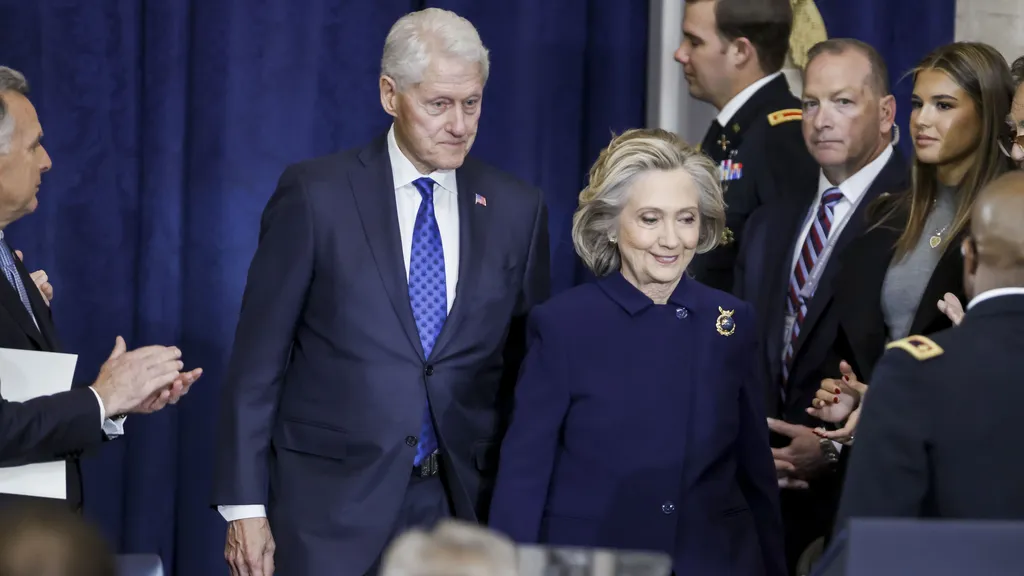
A key US congressional panel has voted to hold former President Bill Clinton and former Secretary of State Hillary Clinton in contempt of Congress for failing to comply with subpoenas related to its investigation of convicted sex offender Jeffrey Epstein. The Republican-led House Oversight Committee approved the measure, with support from several Democrats. The matter will now move to the full House of Representatives for a vote. If approved, it will be referred to the Justice Department. The committee had summoned both Clintons to testify about Epstein, with whom Bill Clinton was photographed in the 1990s and early 2000s. Bill Clinton has never been accused of wrongdoing by Epstein’s survivors and has denied any knowledge of his crimes. The Clintons’ lawyers described the subpoenas as “unenforceable” and said they had already provided all relevant information they possessed. On Wednesday, nine Democrats joined Republicans in voting to hold Bill Clinton in contempt, while three Democrats voted to hold Hillary Clinton in contempt. If the full House votes in favour, the Justice Department could pursue prosecution, a misdemeanor punishable by up to a year in prison and a fine of $100,000. Oversight Committee Chairman James Comer urged the full House to act, saying the vote sends a “clear message” that “no one is above the law, and justice must be applied equally—regardless of position, pedigree, or prestige.” The Clintons argued the subpoenas were politically motivated attempts to embarrass them, directed by former President Donald Trump. In a letter to Comer, their lawyers said the couple had “proactively and voluntarily” communicated with the committee and described the subpoenas as “untethered to a valid legislative purpose, seeking information not pertinent to Congress, and an unprecedented breach of the separation of powers.” Recently released photographs show Bill Clinton with Epstein at the late financier’s estate, including images of Clinton in a pool and in a hot tub. Clinton’s spokesman, Angel Ureña, said the photos are decades old and that Clinton ended his association with Epstein long before his crimes became public. Most of the documents related to the Epstein files have yet to be released. Those that have been made public include redactions, some of which obscure faces and names of individuals under investigation. Millions of documents remain unreleased.