Author: Tech & Tools Desk

Tech & Tools Desk22 January 2026
abia-govt.jpg

2min4720
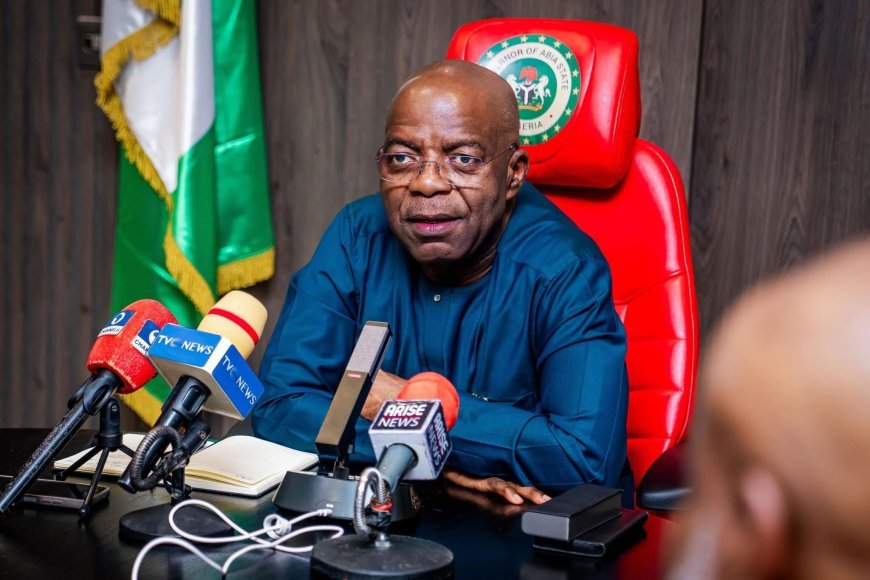
Ikwuano stakeholders in Abia State on Wednesday voiced strong approval of Governor Alex Otti’s administration, declaring that opposition efforts to unseat him in the 2027 governorship election would fail. The meeting was called in response to statements from three immediate past governors—Orji Uzor Kalu, Theodore Ahamefule Orji, and Okezie Ikpeazu—who had reportedly endorsed a campaign against Otti. Key attendees included Adolphus Okebugwu, Friday Eluwa, Okezie Chukwuemeka, Emetu Chikezie, Mercy Alamba, Innocent Elogu, Iroabuchi Chukwuemeka, and Christopher Elogu. Speaking at the gathering, Ikwuano LGA Mayor Anthony Nwaubani praised the state’s transformation under Otti, criticizing the opposition for failing to present viable alternatives. “There is no vacancy in Government House in 2027. We must defeat the opposition,” Nwaubani said. “Criticism should be factual, but when it distorts reality, it becomes a disservice to the public. The strides in infrastructure and other sectors under Otti are visible to all.” He added, “If you want to appreciate light, you must first experience darkness. Abia people know what it was like before Otti—businesses left, infrastructure decayed, and many considered relocating. Today, we see a state transformed. Abians who had moved away are returning, proud to identify with their state.” Deputy Mayor Lucky Awuwa led a motion in which stakeholders passed a vote of confidence in Otti’s second-term bid. “We are not influenced; Otti is a man of vision, determined and effective. Ikwuano will stand firmly behind him,” Awuwa said, urging residents to secure their Permanent Voters’ Cards ahead of the election.


Tech & Tools Desk22 January 2026
Federal-High-Court.jpg

4min5440
The Federal High Court in Abuja on Wednesday directed the Bauchi State Commissioner for Finance, Yakubu Adamu, and three other defendants to report weekly to the Department of State Services as part of the conditions for their bail in an ongoing terrorism financing trial. Justice Mohammed Umar issued the order while granting the defendants bail in the sum of N100 million each. The judge said the applicants had placed sufficient material before the court to justify the exercise of its discretion in their favour. As additional bail conditions, Justice Umar ordered each defendant to provide two sureties who must be a permanent secretary and a director within the civil service. He also directed them to surrender their international passports to the court registry. The matter was adjourned to February 26 for the commencement of trial. The Economic and Financial Crimes Commission is prosecuting Adamu alongside Balarabe Ilelah, Aminu Bose and Kabiru Mohammed on a 10-count charge bordering on terrorism financing and money laundering. The co-defendants are described as senior civil servants in Bauchi State. The defendants were previously denied bail in December by Justice Emeka Nwite, who held that the allegations were too serious to warrant their release. Following the reassignment of the case, they were re-arraigned before Justice Umar on January 16 and pleaded not guilty to all charges. Arguments on their bail application were heard and the ruling was delivered on January 21. In support of the bail request, defence counsel, Chief Chris Uche (SAN), told the court that fresh facts had emerged since the earlier refusal of bail. He argued that Bello Bodejo, President of Miyetti Allah Kautal Hore and a figure referenced in nine of the counts, had never been convicted of any terrorism-related offence. He added that although Bodejo was previously charged by the Federal Government in a separate case, the matter was withdrawn and dismissed on May 29, 2024. Uche also contended that there was no proscription order in the Federal Government’s Official Gazette designating Bodejo or his organisation as a terrorist entity, citing Section 48(1) of the Terrorism (Prevention and Prohibition) Act, 2022. He said this absence weakened the prosecution’s case and supported the grant of bail. The defence further relied on provisions of the Administration of Criminal Justice Act, 2015, urging the court to exercise its discretion in favour of the defendants. Adamu, a former branch manager of Polaris Bank Plc in Bauchi State, and the other accused were first arraigned on December 31, 2025. On January 5, 2026, Justice Nwite ordered their remand at the Kuje Correctional Centre, citing concerns over national security and public safety, before the case was later reassigned after the court vacation. The charge, marked FHC/ABJ/CR/705/2025, was filed on December 30, 2025 by EFCC counsel, Samuel Chime. One of the counts alleges that the defendants, along with two others said to be at large, conspired between January and May 2024 to provide $2.3 million in cash for the benefit of Bello Bodejo and his associates. The funds were alleged to have been approved by the Bauchi State Government and used wholly or partly to finance a terrorist group, an offence said to be contrary to Section 26(1) and punishable under Section 21(2)(a) of the Terrorism (Prevention and Prohibition) Act, 2022.

Tech & Tools Desk21 January 2026
ROAD1.jpg

3min3850
After decades of neglect and unsuccessful attempts at repair, the Federal Government has set April 28 as the completion date for major sections of the Enugu–Onitsha Expressway, expressing satisfaction with the progress and quality of work carried out by MTN Nigeria and its subcontractors. Minister of Works, David Umahi, made the announcement on Saturday after inspecting the project, describing the highway as one of the most challenging roads in the South-East and a long-standing symbol of infrastructure neglect. “We inherited a very problematic road, but under President Bola Ahmed Tinubu’s vision for the South-East, this prolonged neglect is finally being addressed. Previous administrations—eight governments in total—never undertook meaningful work on this road,” Umahi said. The 107-kilometre expressway, connecting Enugu and Anambra states, is being rebuilt under the Federal Government’s tax-credit scheme, with MTN Nigeria initially awarded the full project at a cost of N202 billion. Umahi noted that MTN had already completed work valued at approximately N50 billion before economic changes, including the naira’s float and subsidy removal, required adjustments to the project plan. The minister explained that MTN is executing the project in collaboration with subcontractors Nigercat and RCC, while SKC is handling specific sections. “We are satisfied with their work. Where there are issues, they have been identified, and corrections will be made,” Umahi said. Currently, around 72 kilometres of the road are under construction across four sections. Two sections—15 kilometres and 18 kilometres—are being built with reinforced concrete, while the remaining stretches will be paved with asphalt. “I want to announce that within the next two weeks, the 15-kilometre carriageway will be completed, leaving only the shoulders,” he added. Umahi also revealed that the Federal Government is considering awarding SKC a separate contract to install solar streetlights along the entire 107-kilometre corridor, except in areas already covered by the Anambra State Government. “That project will be remarkable, and all credit goes to President Bola Ahmed Tinubu for his commitment to the people of the South-East,” the minister said. He expressed confidence that the rehabilitation of the expressway will permanently end the hardship that motorists and residents have faced for years.

Tech & Tools Desk21 January 2026
house-of-rep.png

3min5670
Catholic bishops in the Ibadan Ecclesiastical Province have called on the Federal Government to implement current tax reforms with fairness, transparency, and compassion, warning that policies lacking a human-centred approach could worsen the hardship faced by millions of Nigerians. The appeal was contained in a communiqué issued on Tuesday at the conclusion of the bishops’ first provincial meeting for 2026, held at the Jubilee Conference Centre in Ibadan, Oyo State. The communiqué was signed by the provincial chairman, Most Rev. Gabriel Abegunrin, and the secretary, Most Rev. John Oyejola. The bishops noted that the tax reforms, introduced by the administration of President Bola Tinubu, were signed into law in June 2025 and came into effect on January 1, 2026. While acknowledging the government’s efforts to reform the tax system, they observed that the measures have generated widespread concern and uncertainty across the country, particularly among poor and vulnerable citizens. In the communiqué titled “Sustaining Hope and Strengthening Our Good Efforts,” the bishops urged Nigerians to remain patient but stressed that such patience must be accompanied by clear accountability from government and tax authorities. Beyond taxation, the Catholic leaders reflected on Nigeria’s broader socio-economic challenges, calling on governments at all levels to refocus on their core responsibilities, including securing lives and property, improving healthcare delivery, upgrading infrastructure, and creating an environment conducive to economic growth. They expressed deep concern over the prolonged strike by health workers, describing it as unacceptable and harmful to ordinary Nigerians, as it continues to limit access to essential healthcare services. They warned that failure to address the situation urgently could lead to avoidable suffering and loss of lives. The bishops also criticised the poor state of major road networks, especially those linking key cities in the South-West, and faulted some federal and state ministries for underperformance despite ongoing reform efforts. Reaffirming the Church’s commitment to social justice, the bishops encouraged Nigerians not to lose hope, urging them to combine prayer with responsible citizenship, diligence, and respect for justice and the rule of law. They emphasised that economic reforms must be guided by fairness, transparency, and accountability, calling on the government to give the tax reforms a human face by allowing vulnerable citizens time to adjust before enforcing strict compliance. The bishops cautioned that economic policies implemented without sensitivity could deepen inequality and heighten social tension, stressing that taxation should not further burden citizens already struggling with inflation, unemployment, and the rising cost of living.

Tech & Tools Desk20 January 2026
Sanwo.png

2min5790
The Lagos State Governor, Babajide Sanwo-Olu, has urged councillors from the state’s 377 wards to actively perform their oversight roles and advance grassroots governance. He made the call during the onboarding and retreat programme for councillors held at Novotel Hotels, Lekki, Lagos. Represented by the Special Adviser on Environment, Olakunle Rotimi-Akodu, the governor noted that local government is where citizens form their strongest impressions of governance, leadership, and democracy. “The people of Lagos State are counting on you to build a local government system that is responsive, inclusive, accountable, and development-driven, reflecting the T.H.E.M.E.S+ Agenda and the aspirations of our people. I urge you to view your tenure not merely in years served, but in the lives you impact and the legacies you leave in your communities,” he said. The Commissioner for Local Government, Chieftaincy Affairs, and Rural Development, Bolaji Robert, thanked the governor for approving the retreat, describing it as a clear demonstration of his commitment to strengthening local governance. In a goodwill message, the House Committee Chairman on Local Government, Chieftaincy Affairs, and Rural Development, Sanni Okanlawon, represented by the Chairman of the House Committee on Information and Strategy, Stephen Ogundipe, praised the ministry for the initiative. He noted that the programme reflects the state government’s dedication to promoting effective leadership and enhancing governance at the grassroots level. The Permanent Secretary of the ministry, Kikelomo Bolarinwa, encouraged participants to apply the knowledge and skills gained during the programme to foster sustainable development in their communities.

Tech & Tools Desk20 January 2026
Bola-Tinubu.webp

2min4490
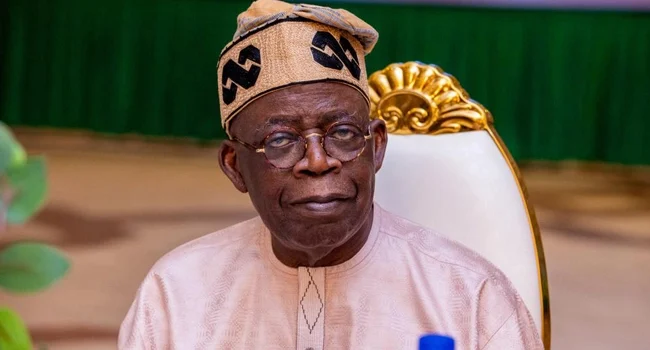
Kano State Governor, Abba Kabir Yusuf, has met with President Bola Tinubu at the Presidential Villa in Abuja, where he outlined key priorities of his administration focused on security, infrastructure development, and stronger collaboration with the Federal Government. The details were contained in a statement issued on Tuesday by the governor’s spokesperson, Sunusi Dawakin Tofa. The meeting, which took place on Monday behind closed doors, came amid speculation over the governor’s possible political realignment. However, the statement noted that the engagement was primarily used to brief the President on critical challenges and opportunities facing Kano State, particularly rising insecurity in some local government areas. Governor Yusuf drew the President’s attention to the recent killing of a housewife and her children, underscoring the urgent need for enhanced federal support to strengthen security operations and safeguard lives. He highlighted the contributions of the Kano State Neighbourhood Watch Corps in supporting security agencies and called for closer cooperation with federal security institutions. The governor also discussed Kano’s development plans, with emphasis on major infrastructure projects aimed at boosting economic growth and employment. According to the statement, Yusuf expressed appreciation to President Tinubu for the Federal Government’s intervention on the Wujuwuju Road, describing it as a significant step toward improving connectivity, economic activity, and job creation in the state. He further sought the President’s support to accelerate ongoing and planned federal projects, ensuring Kano derives maximum benefit from federal programmes and investments. In response, President Tinubu assured the governor of the Federal Government’s commitment to partnering with Kano State to address security challenges and promote sustainable development.

Tech & Tools Desk19 January 2026
Tinubu-and-sanwo-olu-best.jpg

3min7440
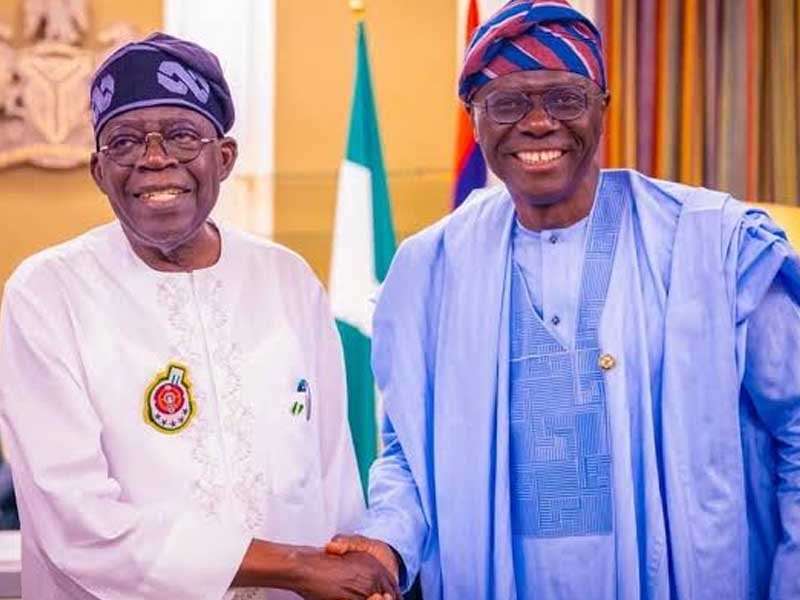
President Bola Tinubu has congratulated Lagos State Governor Babajide Sanwo-Olu on the successful hosting of the ninth edition of the All Africa Music Awards (AFRIMA), one of the continent’s largest gatherings of music stars. Held from January 7 to 11, 2026, in Lagos—designated as the host city by the African Union Commission on April 9, 2025—the event showcased Africa’s top musical talent. In a statement issued by his spokesman, Bayo Onanuga, President Tinubu praised the achievements of Nigerian artists at the grand finale on January 11. The President described the success of Nigerian musicians as evidence of the country’s growing creative industry and global influence. “I commend Lagos State for once again proving its capacity as Africa’s creative and entertainment capital. I congratulate Governor Babajide Sanwo-Olu and his administration for providing a safe, vibrant, and welcoming environment for delegates, artists, and guests from across the continent,” he said. Highlights for Nigerian artists included Rema winning Artiste of the Year, Best Male Artiste in Western Africa, and Best African RnB & Soul; Burna Boy securing Album of the Year; Shallipopi taking Song of the Year and Best African Collaboration with Burna Boy; Phyno winning Best African Hip-Hop; Qing Madi named Most Promising Artiste; and Yemi Alade receiving Best Soundtrack. Chella earned the African Fans’ Favourite, while Kenny Ogungbe and Dayo Adeneye were honoured with the AFRIMA Legendary Award. President Tinubu noted that these accomplishments reflect years of talent, dedication, and consistency. He said Nigerian music has become a powerful voice both across Africa and globally, with platforms like AFRIMA offering opportunities for African artists to compete at the highest level. “I warmly congratulate our outstanding Nigerian artistes for their remarkable achievements at the ninth AFRIMA. Your success not only brings pride to our nation but also highlights the depth of talent, creativity, and hard work in Nigeria’s music industry. You have projected our culture, amplified the voice of our youth, and strengthened our creative identity across the continent and beyond,” the President said. President Tinubu also reiterated his administration’s commitment to youth empowerment and the development of the creative economy, emphasizing the cultural and economic importance of music. “Culture is the soul of a people, and music remains one of Africa’s strongest voices. My government remains dedicated to initiatives that promote our culture, empower creative talents, and grow Nigeria’s creative economy,” he said.

Tech & Tools Desk19 January 2026
child-safety-on-social-media-1024x585-1.jpg

4min9920
Several countries, including France and the United Kingdom, are weighing the possibility of restricting children and some teenagers from accessing social media, following Australia’s recent decision, even as experts remain divided over how effective such measures would be. Advocates of a ban argue that urgent steps are needed to address the worsening mental health of young people. Critics, however, maintain that existing evidence is mixed and call for a more balanced, targeted approach rather than outright prohibition. Australia last month became the first country to bar under-16s from major social media platforms such as Instagram, Facebook, TikTok, and YouTube. In France, lawmakers are debating similar proposals for children under 15, including legislation backed by President Emmanuel Macron. In the UK, discussions have intensified after American psychologist Jonathan Haidt, a supporter of the Australian policy, was invited to brief government officials. In his 2024 book The Anxious Generation, Haidt argues that excessive screen time—particularly on social media—is reshaping children’s brains and fuelling a surge in mental health problems. While the book has gained traction among policymakers, it has sparked controversy among academics. Canadian psychologist Candice Odgers has criticised its conclusions, saying they are not firmly supported by scientific evidence. Researchers continue to disagree on the scale of social media’s impact on youth mental health. Michael Noetel of the University of Queensland said small negative effects, when spread across billions of users, can become significant. He acknowledged that while Haidt’s claims may overstate some conclusions, the overall risks justify policy intervention, describing a ban as “a bet worth making.” France’s public health authority, ANSES, recently concluded that social media has multiple harmful effects on adolescents—particularly girls—though it is not the sole cause of declining mental wellbeing. Studies also suggest a complex relationship between screen use and mental health. A large review of global research found that excessive screen time is linked to psychological distress, which in turn drives further screen use. However, other findings caution against blanket bans. Research tracking more than 100,000 young Australians showed that teenagers who used social media moderately fared better than those who used it excessively or not at all. Girls were most affected by heavy use, while complete restriction appeared more harmful for older teenage boys. French psychiatrist Serge Tisseron described social media as highly toxic but warned that bans could be easily bypassed by tech-savvy youths and might reduce parental responsibility. He called for carefully calibrated regulation rather than extreme measures. Some experts suggest observing Australia’s policy before wider adoption. Cambridge University researcher Amy Orben said clearer evidence on its effectiveness and potential unintended consequences should emerge within a year. Meanwhile, Australia’s online safety regulator has reported that technology companies have already blocked 4.7 million accounts belonging to users under 16.

Tech & Tools Desk18 January 2026
aa-10.jpeg

3min9540
Ugandan authorities on Sunday announced that restrictions on social media platforms would remain in place, even as a nationwide internet shutdown imposed ahead of the elections was lifted, hours after President Yoweri Museveni was declared the winner. Internet access was cut two days before voting began on Thursday, a move the government said was aimed at curbing the spread of misinformation. The decision, however, drew criticism from the United Nations, which described it as “deeply worrying.” While much of the country remained relatively calm following the polls, reports emerged of minor protests late Saturday after the announcement of results. Journalists in the capital, Kampala, reported hearing tear gas in some areas. By Sunday morning, security presence in Kampala had visibly eased, with residents returning to the streets and businesses reopening. However, the Executive Director of the Uganda Communications Commission (UCC), George Nyombi Thembo, confirmed that social media platforms would remain temporarily restricted. “Social media platforms remain restricted to safeguard against misuse that could threaten public order,” Thembo said, noting that most internet services had been restored. He defended the temporary shutdown as “necessary and proportionate,” explaining that it was intended to prevent the rapid spread of misinformation, disinformation and malinformation, curb potential electoral fraud, and reduce the risk of incitement to violence during a sensitive period. Thembo declined to provide a timeline for the full restoration of access, saying authorities did not want to commit to a specific deadline. “We do not expect this to last beyond a reasonable period needed to mitigate the risks we are seeing,” he added. The election was marked by low voter turnout and heavy security deployment, as the government sought to avert protests similar to those that erupted in neighbouring Tanzania during elections in October last year. Political analysts have long described Uganda’s elections as largely predictable, with President Museveni widely seen as maintaining firm control over state institutions and the security forces. AFP

Tech & Tools Desk18 January 2026
aa-2-1280x770.webp

3min9050
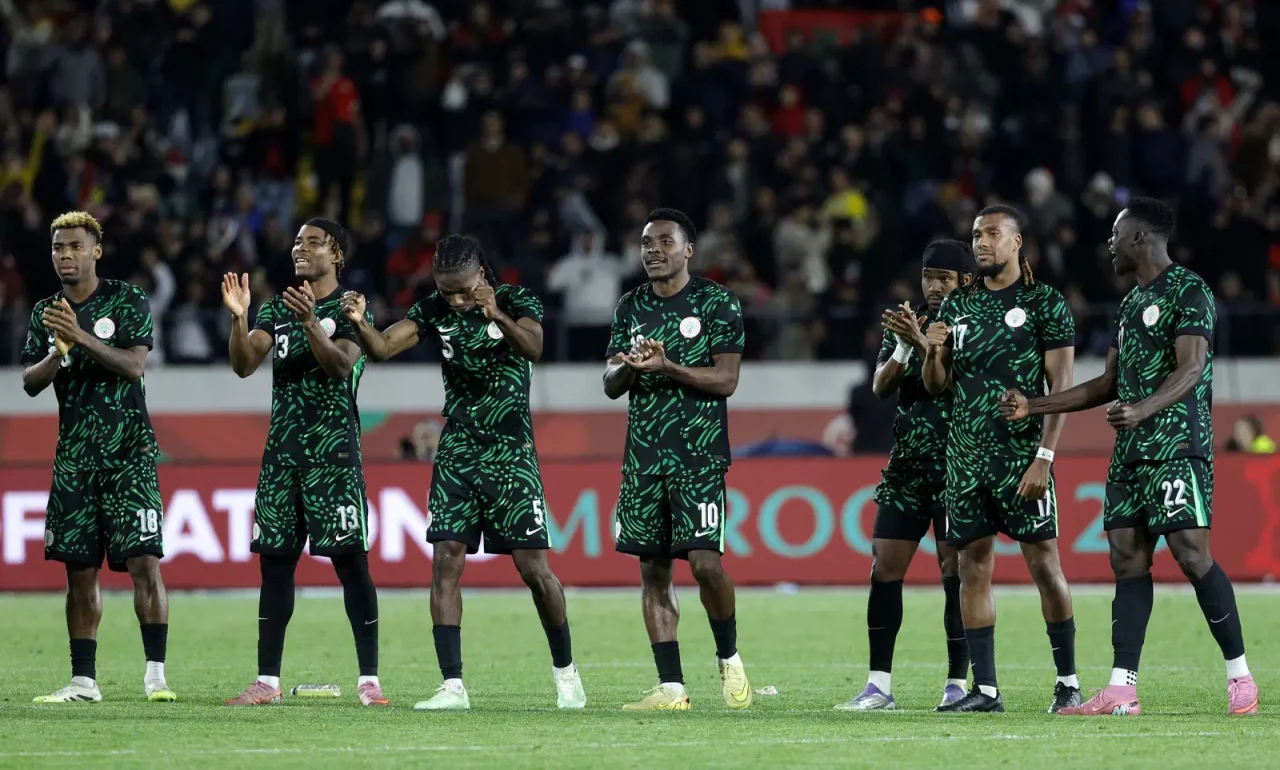
President of the Senate, Senator Godswill Akpabio, has congratulated the Super Eagles of Nigeria on their bronze medal finish at the 2025 Africa Cup of Nations (AFCON) in Morocco, describing the achievement as a major source of inspiration to Nigerians. In a statement issued on Sunday and signed by his Special Adviser on Media and Publicity, Eseme Eyiboh, Akpabio praised the national team for securing third place in the continental competition. He commended the Super Eagles’ performance against Egypt, noting that the encounter showcased their skill, resilience and determination. “The match against the Pharaohs of Egypt was a testament to your skills and determination. I commend you for your exceptional performance. Your victory reflects the talent and resilience for which Nigeria is renowned, and we are proud of how you represented the country on the international stage,” Akpabio said. He urged the players to take pride in the achievement and use it as motivation for greater success in future competitions. “Your accomplishment is an inspiration to millions of Nigerians. I encourage you to celebrate this moment and channel it into striving for even greater heights. We look forward to your continued success,” he added. Akpabio further congratulated the team, expressing hope that the bronze medal would remind them of their potential and what can be achieved through hard work and determination. The Senate President’s message comes amid widespread commendation for the Super Eagles following a demanding AFCON campaign in which Nigeria narrowly missed out on a place in the final. Nigeria claimed a record-extending ninth AFCON bronze medal after defeating Egypt 4–2 on penalties in a tense third-place play-off at the Stade Mohammed V in Casablanca on Saturday. The encounter ended goalless after 90 minutes, with neither side able to break the deadlock before the match was decided from the spot. The victory maintained Nigeria’s perfect record in AFCON third-place play-offs, with the Super Eagles now having won all eight such matches they have contested. The Super Eagles went into the encounter seeking consolation after their dramatic semi-final loss to host nation Morocco, where they were beaten 4–2 on penalties following another goalless draw. Egypt, meanwhile, were hoping to recover from a narrow 1–0 semi-final defeat to Senegal, which ended their run of dominance at that stage of the tournament.