Author: James Obasi

James Obasi19 January 2026
FUBARAS-IMPEACHMENT-ED-4py.jpg

5min8980
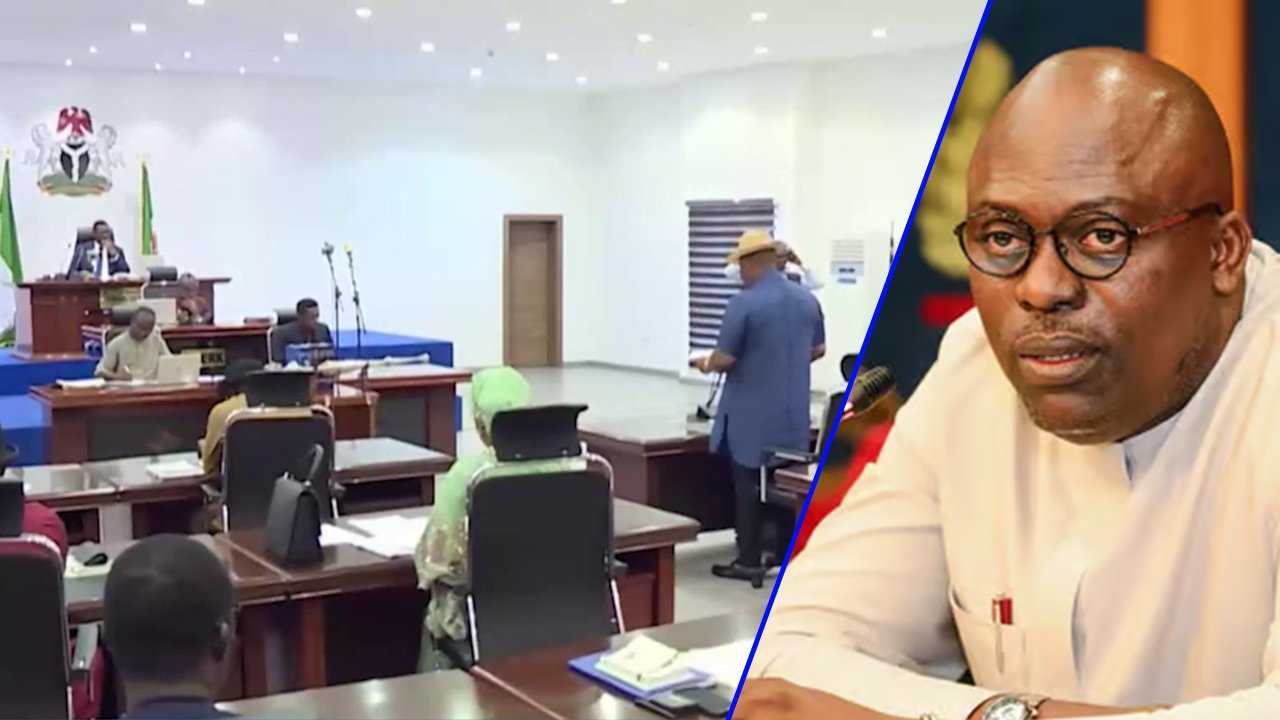
The Ijaw National Congress (INC) has warned that the people of Rivers State oppose the impeachment of Governor Siminalayi Fubara, urging the state Assembly, perceived to be loyal to former governor Nyesom Wike, to abandon the plan. Similarly, the Rivers State Elders and Leaders Council condemned the Martin Amaewhule-led Assembly over ongoing impeachment proceedings targeting Governor Fubara and his deputy, Prof. Ngozi Odu. Both groups argued that the attempt is likely to fail and accused lawmakers of pursuing personal interests under the guise of constitutional process. The INC described the impeachment effort as futile, particularly criticizing lawmakers of Ijaw descent who have publicly supported the move despite the governor being one of their own. In a Sunday interview, INC President Prof. Benjamin Okaba said the actions of certain Assembly members amounted to betrayal. “Yes, I am confident this will ultimately be a futile exercise,” Okaba said. “There is widespread public opposition because this is clearly a vendetta disguised as impeachment. It is not about democracy or development; it is about personal interest over the state’s interest.” He also criticized four lawmakers who initially withdrew from the impeachment process only to reverse their decision within 48 hours, describing the actions as lacking principle. “Some Ijaw members in the House claimed to support the impeachment. They do not speak for the Ijaw people, have not consulted their constituents, and lack Ijaw consciousness,” he added. Okaba further condemned lawmakers for allegedly accepting public funds while pursuing the impeachment. “Some collected vehicles worth N350 million during suspensions, and others benefited similarly. These actions clearly show self-interest,” he said. He accused Assembly Speaker Amaewhule of orchestrating the impeachment to position himself for a future governorship. “The Speaker should compete for office directly, not undermine the system to become governor from the backdoor,” Okaba said. The INC President also defended Deputy Governor Odu, emphasizing that she has done nothing to warrant impeachment. “Even if the governor faltered, what has the deputy done to be included? Such selfishness will set our democracy back years if allowed,” he said. Supporting the INC, Anabs Sara-Igbe of the Rivers State Elders and Leaders Council described the impeachment as embarrassing for both President Bola Tinubu and the people of Rivers State. “The Assembly members are not fighting Fubara—they are fighting Rivers people and trying to stall development,” Sara-Igbe said. He also criticized lawmakers for disregarding the emergency rule imposed in the state and alleged they had already benefited financially during that period. Sara-Igbe further condemned Wike for early political campaigning under the guise of ‘thank you’ visits, calling it disrespectful to the President and the state. Warning of potential destabilization, he said, “The impeachment will fail. As soon as the panel finds the governor not guilty, the matter ends. Rivers people are tired of these tactics.” He cautioned Wike and his supporters that continuing the impeachment could create wider problems in the state, region, and country. “If they persist, they should be prepared, but the process will not succeed,” he said. The warnings from the INC and Rivers elders come amid heightened political tension in the state, where impeachment proceedings have deepened divisions within the House of Assembly and sparked broader debate over governance, accountability, and political ambition.

James Obasi19 January 2026
ALAKE.webp

3min7010
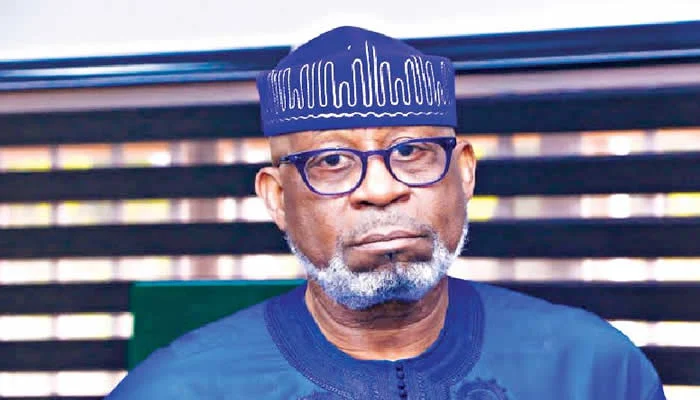
The Federal Ministry of Solid Minerals Development has rejected claims by the Northern Elders Forum that the Federal Government breached the federal character principle by locating a gold refinery in Lagos. In a statement issued on Sunday in Abuja by the Special Assistant on Media to the Minister of Solid Minerals Development, Segun Tomori, the ministry said the allegation distorted remarks made by the Minister, Dr Dele Alake, on the planned inauguration of a gold refinery project and reforms in the solid minerals sector. The ministry clarified that the Federal Government neither owns nor established a gold refinery in Lagos or anywhere else in the country. It stressed that at no point did the minister state that the refinery was a government-owned project. Tomori explained that Dr Alake had made it clear that several gold refinery projects are being developed across the country and that they are all privately owned by different companies. He further stated that the refinery cited by the Northern Elders Forum is a private initiative of Kian Smith, a wholly privately owned mining company, created to support the growth of Nigeria’s local gold industry. According to him, the Federal Government does not determine where private investors site their businesses, as such decisions are driven by commercial and operational considerations. The ministry urged the public to clearly differentiate between government projects and private sector investments, reaffirming its commitment to fostering an enabling environment for solid minerals development nationwide. Tomori also commended the determination of the company’s founder and Managing Director, Ms Nere Emiko, describing the project as a flagship achievement resulting from years of perseverance, enterprise, and leadership. He added that the refinery aligns with the solid minerals sector’s value-addition policy, which seeks to curb the export of raw minerals while promoting local processing and manufacturing.

James Obasi17 January 2026
aa-8.jpeg

4min7630
The Northern Christian Association of Nigeria (Northern CAN) has expressed deep sorrow over the death of the Chief Imam of Nghar village in Barkin Ladi Local Government Area of Plateau State, Imam Abdullahi Abubakar, hailing him as an enduring symbol of courage, faith, and shared humanity. In a statement, the association described the passing of the 92-year-old cleric as the loss of a rare moral light whose selfless actions transcended religious and ethnic divides at a critical period in Nigeria’s history. Imam Abubakar rose to national and international prominence in June 2018 after armed attackers invaded communities in Barkin Ladi. At great personal risk, he opened his mosque and residence to fleeing Christians, sheltering and reportedly saving nearly 300 people, even as his own life was threatened. His extraordinary act of compassion earned him global recognition, including the 2019 International Religious Freedom Award presented by the United States government. Reacting to his death, Northern CAN Chairman, Rev. Joseph Hayab, said the late Imam’s life was a profound reminder that true religion upholds the sanctity of human life. He noted that the cleric’s intervention during the height of the violence not only saved lives but also helped prevent further bloodshed in the troubled community. “He stood firm in the face of danger and chose humanity over hatred, peace over violence, and love over fear,” Hayab said. He described Imam Abubakar as a leader whose faith was demonstrated through courageous action, adding that his life showed that genuine leadership is rooted in sacrifice and compassion. “He was a moral compass in one of Nigeria’s darkest moments. His actions spoke louder than sermons and reminded us of our shared humanity,” the Northern CAN chairman added. Quoting the Bible, Northern CAN said, “The memory of the righteous is a blessing,” stressing that Imam Abubakar’s name and legacy would endure. The association noted that his life would continue to inspire generations and serve as a benchmark for peaceful coexistence across religious and ethnic lines. Hayab further emphasized that the late Imam’s example affirmed the belief that authentic religion promotes mutual respect, tolerance, and love, regardless of differences in faith or background. He called on religious leaders nationwide to draw lessons from the cleric’s life by consistently preaching peace, restraint, and compassion, especially during periods of tension. “The example he set reminds us that our words must be matched by actions that protect lives and promote harmony,” Hayab said. Northern CAN also urged Nigerians to uphold the values of unity and humanity exemplified by Imam Abubakar, noting that national healing and security could only be achieved through a collective commitment to peaceful coexistence. The association prayed for comfort for the family of the late Imam and extended its condolences to the Muslim community in Plateau State and across the country.

James Obasi16 January 2026
gg-ff.jpg

3min6740
Fuel supply in Nigeria improved in December 2025, with petrol availability rising to 74.2 million litres per day and national stock sufficiency extending to over 29 days, according to a factsheet released by the Nigerian Midstream and Downstream Petroleum Regulatory Authority (NMDPRA) on Thursday. The Dangote Petroleum Refinery significantly bolstered the domestic market, increasing its daily petrol output from 19.47 million litres in November to 32.01 million litres in December, supplying a total of 960.3 million litres, up from 584.1 million litres the previous month. The NMDPRA’s December report showed that the rise in domestic petrol supply, supported by the 650,000 barrels-per-day Dangote refinery and structured imports, lifted total PMS supply from 71.5 million litres per day in November to 74.2 million litres per day in December. Meanwhile, daily petrol consumption increased from 52.9 million litres to 63.7 million litres over the same period. Despite higher consumption, fuel availability improved, with stock sufficiency rising from 16.65 days to 29.20 days. The report noted that PMS supply under the DPRP framework climbed from 19.47 million litres per day to 32.01 million litres per day, while Automotive Gas Oil (AGO) supply fell from 20.4 million litres to 17.9 million litres daily, even as consumption grew from 15.4 million litres to 16.4 million litres per day. The regulator highlighted that domestic supply figures reflect volumes received at coastal depots and outputs from local refineries, with Dangote’s growing contribution reshaping fuel distribution nationwide. The refinery operated at an average capacity of 62.94% in December, supplying 32.012 million litres of PMS and 5.783 million litres of AGO daily, while state-owned refineries remained largely inactive. The Waltersmith Refinery in Imo State is set to boost domestic supply further, with Train 2 (5,000 barrels per day) completing pre-commissioning and hydrocarbon introduction expected by January 2026. Domestic natural gas supply also rose slightly from 4.684 billion standard cubic feet per day in November to 4.787 Bscf/d in December, reflecting gradual improvements in production and delivery. The December performance underscores the growing role of domestic refining in meeting seasonal demand spikes and highlights the impact of ongoing petroleum sector reforms under the Petroleum Industry Act, aimed at improving data accuracy, infrastructure utilization, and domestic fuel security.

James Obasi16 January 2026
US-STATEE.jpg

4min8480
US investors are increasingly betting that the stock market rally, long led by technology giants, will expand to include industrial, healthcare, and small-cap stocks, creating opportunities for these sectors to take on greater market leadership, according to Reuters. Tech leaders such as Nvidia, Alphabet, and Broadcom have powered a bull run that has lifted the S&P 500 by more than 90 per cent since the market bottom over three years ago. However, high valuations and uncertainty around the AI-driven rally have led investors to explore other areas of the market. “Conditions are likely in place for broader leadership to emerge, especially given elevated valuations in tech,” said Angelo Kourkafas, senior global investment strategist at Edward Jones. “There are pockets of value to be found beyond technology.” Since the end of October, industrial, healthcare, and small-cap stocks have outperformed the broader S&P 500, while tech stocks have shown some declines, Reuters reports. This points to a potential rotation in the market, with fourth-quarter 2025 earnings and 2026 projections expected to be key in determining whether the trend is sustainable. Analysts anticipate solid profit growth across a wide range of sectors this year. “Strategists have been predicting better earnings for a long time, but I really think it has legs this year,” said Nanette Abuhoff Jacobson, global investment strategist at Hartford Funds. “We are beginning to see AI benefits filtering through to a broader collection of sectors.” The “Magnificent Seven” tech companies, including Nvidia, Alphabet, and Apple, are projected to see earnings growth of 23.5 per cent in 2026, while the rest of the S&P 500 is expected to rise by 13 per cent, according to LSEG. Michael Arone, chief investment strategist at State Street Investment Management, noted that a narrowing of this earnings gap could further broaden market leadership. Analysts also highlight the equal-weight S&P 500, which tracks the performance of an average stock in the index, as evidence of the rotation: since the end of October, it has gained over five per cent, outperforming the standard index dominated by tech megacaps. “Investors are increasingly looking at sectors beyond technology, seeking value and growth across a wider market spectrum,” said Keith Lerner, chief investment officer at Truist Advisory Services. Despite the rotation, technology is expected to remain a major force in US equities. The sector accounts for roughly one-third of the S&P 500 and is projected to post earnings growth of more than 30 per cent in 2026, compared with 15.5 per cent for the overall index. Jack Janasiewicz, portfolio manager at Natixis Investment Managers, advised a balanced approach: “Tech still works; you don’t want to chase it, but you also don’t want to be underweight. At the same time, there is a wider range of opportunities in value-oriented sectors.” Analysts say the broadening of the rally could support the US stock market in 2026, with multiple sectors driving growth rather than relying solely on tech megacaps.

James Obasi16 January 2026
TAX.jpg

3min6870
The Chairman of the Presidential Committee on Fiscal Policy and Tax Reforms, Taiwo Oyedele, has explained that small-scale capital market investors are fully exempt from capital gains tax, stressing that the 2026 tax reform law is designed to protect low-income earners and boost disposable income. Oyedele made this known at the Cowry Quarterly Economic Discourse themed “Nigeria in 2026: Will Politics Trump Economic Reform?”, where he addressed concerns and misconceptions surrounding the new tax framework. He noted that the law grants automatic capital gains tax exemptions to individuals whose total proceeds from asset disposals do not exceed N150m, provided the gains are not more than N10m within a 12-month period. According to him, the exemption applies automatically without conditions or explanations. He added that pension fund administrators and real estate investment trusts also qualify for exemptions as long as proceeds are reinvested. High-net-worth individuals, he said, only become liable to capital gains tax when they permanently exit investments without reinvesting the proceeds. Oyedele described Nigeria’s capital gains tax regime as one of the most competitive globally, saying it promotes reinvestment, liquidity, and growth in the capital market. He assured investors that implementation guidelines are being developed to address grey areas, while any amendments requiring legislative approval will be forwarded to President Bola Tinubu. He also noted that most young Nigerians investing in digital and virtual assets do so on a small scale, making taxation fears largely unfounded. According to him, misinformation has discouraged youth participation in the stock market, with many wrongly believing investment returns attract taxes of up to 30 per cent. On the broader goals of the 2026 tax reform law, Oyedele said it aims to end the taxation of poverty, shield low-income earners, and ensure that those with greater capacity to pay contribute more fairly. He explained that Nigerians earning the national minimum wage are fully exempt from personal income tax, while the threshold for taxable income has been significantly raised after allowable deductions and reliefs. He recalled that earlier data presented to the government showed that about 96 per cent of personal income tax previously came from low-income earners, a situation he described as unfair and economically harmful, noting that such a system amounted to taxing poverty rather than supporting growth.

James Obasi15 January 2026
shipping.jpg

4min8310
he Sea Empowerment Research Centre (SEREC) has raised concerns over the sharp rise in shipping and ancillary port charges in Nigeria, noting that these increases have far outpaced improvements in service quality and operational efficiency. In a statement on Monday, signed by Head of Research Eugene Nweke, SEREC noted that traditional cost justifications—such as foreign exchange volatility, energy costs, and operational risks—have largely stabilised or moderated, yet charges continue to escalate. The group warned that unchecked increases are inflationary, affecting businesses, consumers, and the nation’s economic competitiveness. “Shipping and ancillary port charges have increased sharply over the years, far exceeding improvements in service quality and efficiency. The cumulative effect of these unchecked charges is inflationary, with direct consequences for businesses, consumers, and national economic competitiveness. These realities underscore the urgent need for reform, transparency, and regulatory oversight within the shipping and port services sector,” the group said. SEREC emphasised that while grievances in the sector are valid, tactics such as street-level shutdowns, blocking business premises, and other disruptive actions undermine the professional image and strategic goals of the maritime industry. The group warned that such approaches expose practitioners to legal, civil, and reputational risks and can undo years of effort to professionalise freight forwarding. “Uncoordinated industrial action creates avoidable collateral damage to cargo interests, importers, and indigenous businesses, distracts from substantive policy issues, and shifts attention to tactics rather than solutions,” it added. The group called for modern industrial advocacy to rely on structured engagement, evidence-based pressure, and institutional channels rather than physical confrontation. SEREC stressed the importance of a professional, data-driven approach to engagement, including cost benchmarking, trend analysis, and regional comparisons. It also urged collective, coordinated action anchored on unified demands, formal petitions, regulatory complaints, arbitration requests, and lawful service withdrawal where necessary, with media engagement focused on education and public understanding rather than sensationalism. SEREC identified a key driver of recurring disputes as a systemic regulatory deficit, noting that the absence of transparent, enforceable oversight of shipping line tariffs and ancillary charges has allowed arbitrary pricing and market abuses. The group called on the Nigerian Shippers Council to assert its statutory mandate firmly and transparently, including establishing tariff review and approval frameworks, enforcing cost disclosures, and consulting stakeholders on adjustments. The centre also lamented the failure of the regulatory architecture to consistently enforce standards, ethics, and orderly conduct. “A credible regulator must promote lawful and civil engagement, sanction practices that undermine industry credibility, and lead advocacy through institutional channels rather than street enforcement,” SEREC said. SEREC called for the immediate suspension of street-style shutdowns and urged the establishment of an industry shipping charges review forum involving regulators and stakeholders. Recommendations include developing a national port cost benchmarking framework, mandatory cost-justification disclosures by shipping lines, strengthened professional regulatory enforcement, and institutionalised dispute resolution mechanisms. SEREC is an independent maritime policy, research, and advocacy organisation focused on Nigeria’s shipping, ports, and logistics sectors, known for conducting evidence-based research and issuing policy recommendations to support regulatory reform and operational improvements in the industry.

James Obasi15 January 2026
VAT1.jpg

3min9630
The Federal Government has instructed all banks and fintech operators to collect and remit 7.5 per cent value-added tax (VAT) on selected electronic banking services, effective Monday, January 19, 2026, according to email notifications shared by payment platforms. The VAT will apply to service charges such as mobile money transfers, USSD transaction fees, and card issuance fees. For instance, a N100 transfer fee will attract a 7.5 per cent VAT on the fee itself, not the amount being sent. “From Monday, January 19, 2026, we are required to collect a 7.5 per cent VAT, to be remitted to the Nigerian Revenue Service. This applies to certain banking services including mobile banking fees, USSD transaction charges, and card issuance fees,” stated an email sent to customers by Moniepoint. Other banks and fintechs are expected to issue similar notifications to their customers. Exempt services include interest earned on deposits and savings, meaning tax will not apply to returns on customer accounts. The Nigerian Revenue Service (NRS) has set deadlines to ensure full compliance by commercial banks, microfinance banks, and electronic money operators. Moniepoint emphasised that the VAT collection is a statutory requirement, not a price increase. “Moniepoint is required to collect and remit VAT to the Nigerian Revenue Service,” the company said. The move is part of government efforts to standardise VAT collection on digital financial services and enhance revenue generation amid Nigeria’s growing digital economy. VAT on banking transactions is not entirely new, but the NRS is now enforcing uniform collection rules across all platforms. Customers are assured that the VAT will be clearly itemised on transaction statements. Separately, commercial banks recently informed customers that a N50 stamp duty will be applied on electronic transfers of N10,000 and above, following the new Tax Act provisions. The fee, previously referred to as EMTL, has now been reclassified as stamp duty and applies as a one-off charge on qualifying electronic transfers.

James Obasi15 January 2026
gg-ff.jpg

3min4880
The Dangote Petroleum Refinery has begun night-time petrol loading operations, marking a transition to full 24-hour activities at Africa’s largest refinery. This move aims to sustain a daily supply of over 50 million litres of Premium Motor Spirit (petrol) across Nigeria. The expansion comes as the refinery ramps up production, improves logistics, and strengthens fuel security, addressing concerns about potential maintenance-related disruptions. Originally designed for daytime loading, the facility now operates around the clock to match rising output with continuous product evacuation. At a press briefing on Wednesday, Managing Director David Bird said the shift to round-the-clock loading was necessary to meet market demand and reduce turnaround time. “We are consistently meeting the 50 million litres daily requirement, with output exceeding 52 million litres on some days,” he noted. Bird highlighted that the refinery has already achieved nighttime loading, with over a thousand trucks processed daily through its gantry, reflecting improvements in logistics and evacuation efficiency. He stressed that maintaining high production requires not just output but efficient distribution. “Supply stability directly supports economic activity. Affordable and abundant fuel stimulates demand, which in turn drives growth,” Bird said. The refinery’s flexibility allows it to maintain output even during planned maintenance, producing petrol via multiple routes, including crude processing, intermediate feedstocks, or blending components. “This resilience ensures we can meet domestic demand while maintaining export capabilities, producing fuels compliant with Euro-5 standards,” he added. Bird also emphasized the impact of domestic refining on Nigeria’s fuel market. “We’ve moved from scarcity to abundance, providing cleaner, high-quality fuels and reducing dependence on imports, which shields the market from global price volatility,” he said. While exports remain an option, Bird noted that prioritising the domestic market is key to stabilising prices and supporting national economic activity. “Our commitment to 24-hour operations ensures consistent supply, fuel security, and market stability across Nigeria,” he concluded.

James Obasi14 January 2026
NGX12.webp

2min5460
The NGX Pension Broad Index, which tracks pension-compliant equities on the Nigerian Exchange, delivered a return of 59.72 per cent in 2025, outperforming the wider market represented by the NGX All-Share Index. Exchange data showed that the index closed the year at 2,917.84 points, up from 1,826.89 points at the end of 2024. Over the same period, the All-Share Index rose by 51.19 per cent, underscoring the stronger performance of stocks eligible for pension fund investments. Designed in line with the investment guidelines of the National Pension Commission, the Pension Broad Index serves as a benchmark for Pension Fund Administrators seeking regulatory compliance while targeting competitive returns. The index features a diversified range of equities spanning financial services, telecommunications, consumer goods, industrials, and energy. Analysts attributed the index’s strong showing to its broad sectoral exposure, which supported performance amid heightened market activity and improving investor sentiment. In 2025, the Pension Broad Index outpaced the All-Share Index by over 850 basis points, highlighting the ability of pension-compliant equities to generate solid, risk-adjusted returns over the long term. Market watchers noted that the results reflect the increasing impact of pension assets on Nigeria’s capital market and the importance of transparent, rules-based indices in portfolio construction and long-term retirement planning. The Nigerian Exchange stated that it will continue collaborating with the National Pension Commission and Pension Fund Administrators to advance market education, data analytics, and the development of pension-focused investment products aimed at expanding participation in the equities market.