Author: James Obasi

James Obasi13 January 2026
Doctors-1.jpeg

4min5570
The Nigerian Association of Resident Doctors (NARD) has called on the Federal Government to complete the reinstatement of dismissed resident doctors in Lokoja and to ensure that outstanding professional allowances are captured and implemented in the January budget, among other demands. In an interview, NARD President Dr. Mohammad Suleiman expressed optimism that all 15 demands of the association would be addressed this month. He said, “We hope the processes to reinstate our members in Lokoja are finalised. We also expect professional allowances to be captured in the budget and implemented this January. Payment of these allowances is critical.” Suleiman emphasised that the association’s 15 demands are all essential for the welfare of resident doctors and the broader healthcare system, noting, “We don’t have just one demand. All 15 items on the table are important.” The association had previously postponed a planned strike scheduled for January 12 following engagements with government agencies. NARD had also staged an indefinite strike from November 1 to November 29, 2025, to press home its demands. A communiqué from NARD’s Secretary General, Dr. Shuaibu Ibrahim, detailed progress on the 15 demands. Regarding the Federal Teaching Hospital Lokoja situation, a reconciliation committee involving Chief Medical Directors, the Ministry of Health and Social Welfare, and NARD was established to ensure the smooth return of all members and resolve tensions between resident doctors and medical consultants at the facility. On arrears under the Consolidated Medical Salary Structure, verified lists have been forwarded to IPPIS, and the Ministry of Labour has written to the Ministry of Finance to ensure prompt payment. Suleiman added, “NARD will continue close follow-up to ensure these payments are made.” Progress was also reported on outstanding accoutrement allowances, promotion and salary arrears, with relevant ministries engaging to ensure clear and expedited payment plans. Regarding entry-level placements, the Ministry of Health will clarify that CONMESS 3 is the recognised starting grade. Committees have also been established to address locum practice, work hour regulation, house officers’ welfare, membership recategorisation, and implementation of professional allowances, including arrears. The association confirmed that the Ministry of Health has written to the Accountant-General’s Office for full implementation of the professional allowance beginning with January salaries, with 18 months of arrears expected to be included in the 2026 budget. Following commitments from key stakeholders, including the Ministries of Health, Labour, Finance, the Office of the Head of Civil Service, IPPIS, and the Vice President, the NARD National Executive Council resolved to suspend the resumption of its indefinite strike, allowing time to monitor progress ahead of the January 25 NEC meeting. Dr. Suleiman also highlighted the ongoing brain drain in the medical sector, noting that 4,700 doctors left Nigeria in 2024, with about 15,000 emigrating over the past seven years. He warned that the continuous exodus of medical professionals is significantly affecting healthcare delivery nationwide.
James Obasi13 January 2026
PENSIONNN.jpg

2min6640
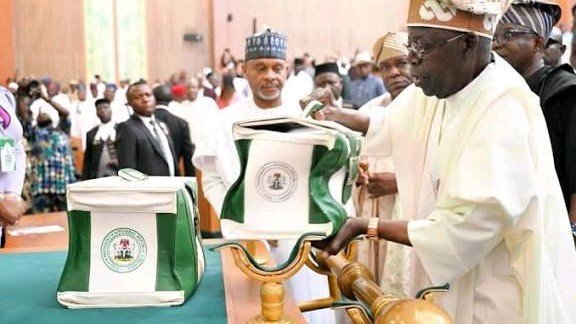
The 2026 Appropriation Bill allocates N1.38tn for pensions, gratuities, and retirement benefits across Federal Government agencies, security services, parastatals, and universities. Under the breakdown, the Office of the Head of Civil Service is set to receive N94.54bn for civilian pensions, covering gratuities, running costs, and unfunded liabilities, with civil service pensions alone accounting for N60.34bn. Arrears from the 2024 pension adjustments are estimated at N30.58bn. Military pensions and gratuities have been earmarked N486.04bn, including provisions for expected retirees (N130.38bn), pensions and gratuities (N237.25bn), death benefits (N98.53bn), and administrative expenses. Additional allocations cover medical retirees and arrears from January 2019 to December 2021. Security agencies are also included, with the Department of State Security allocated N28.61bn, the Nigeria Intelligence Agency N23.54bn, police pensions N18.53bn, and the Customs, Immigration and Prisons Pension Office N18.41bn. Parastatals and universities are set to share N207.81bn, while the National Pension Commission will receive N427.04bn for gratuities, pension protection, and consequential adjustments. Other provisions include benefits for former heads of service, retired professors, EFCC retirees, and group life assurance across all MDAs, bringing service-wide votes to a total of N2.19tn. These pension allocations represent a major component of the 2026 budget, underscoring the federal government’s commitment to meeting obligations to retirees and addressing arrears and unfunded liabilities.

James Obasi13 January 2026
NGX12.webp

4min9250
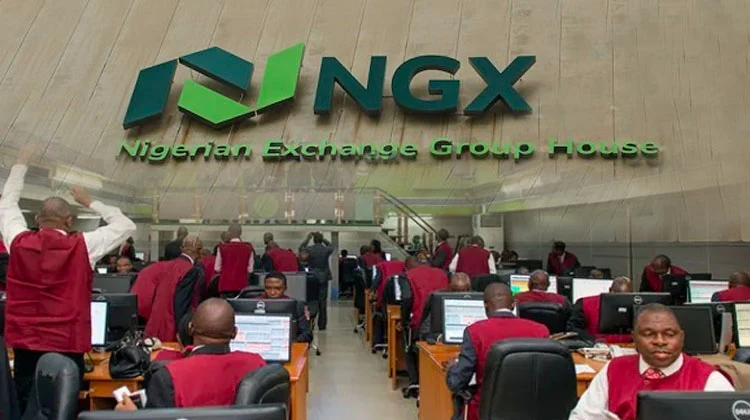
The Nigerian Exchange Limited kicked off the new trading week on a positive footing on Monday, as strong demand for key stocks pushed total market capitalisation up by N745bn, signalling improved investor confidence in the equities market. At the close of the session, market capitalisation rose to N104.52tn from N103.78tn in the previous trading day. The All-Share Index also gained 946.61 points, representing a 0.58 per cent increase, to settle at 163,244.69 points, up from 162,298.08 points. Trading activity showed notable improvement, with investors exchanging 1.15 billion shares valued at N19.21bn across 59,326 deals. This reflected an 84 per cent jump in trading volume, a four per cent increase in turnover, and a 35 per cent rise in deal count compared with the preceding session. Market breadth was largely positive, as 128 listed equities were active during the session. Forty-nine stocks recorded gains, while twenty closed lower, indicating a broadly bullish market sentiment. E-Tranzact International led the gainers, rising by 10 per cent to close at N16.50. Red Star Express also appreciated by 10 per cent to N11.55, while McNichols climbed 10 per cent to N6.05. UPDC advanced by 10 per cent to N5.50, RT Briscoe gained 10 per cent to close at N3.96, and Deap Capital Management and Trust added 10 per cent to end the day at N3.30 per share. On the losing side, Champion Breweries posted the steepest decline, shedding 8.51 per cent to close at N15.05. Eunisell Interlinked followed with an 8.01 per cent drop to N156.20, while Ikeja Hotel fell by eight per cent to N36.80. Guinea Insurance declined by 7.30 per cent to N1.27, Omatek Ventures slipped by 3.12 per cent to N1.24, and Lasaco Assurance eased by 2.99 per cent to close at N2.60 per share. In terms of volume, Sovereign Trust Insurance led trading activity with over 307 million shares exchanged. Fidelity Bank followed with about 158 million shares, while Linkage Assurance and Mutual Benefits Assurance also ranked among the most actively traded stocks. By value, Fidelity Bank topped the chart with trades worth N3.14bn. Aradel Holdings, Zenith Bank, Eunisell Interlinked and Sovereign Trust Insurance also recorded substantial value transactions, boosting overall market liquidity. Market analysts attributed the positive performance to renewed bargain hunting in select equities, particularly within the banking and insurance sectors, alongside stronger investor confidence driven by the market’s sustained position above the N100tn capitalisation level. They added that continued buying interest, supported by expectations of full-year corporate earnings and ongoing portfolio adjustments by investors, could sustain the upward trend in the near term, although periods of profit-taking may still occur. The strong opening to the week further underscores the NGX’s resilience, with market capitalisation firmly above N104tn, highlighting sustained strength in Nigeria’s equities market despite ongoing macroeconomic pressures.

James Obasi12 January 2026
NNPCCC-1280x720.jpg

3min9090
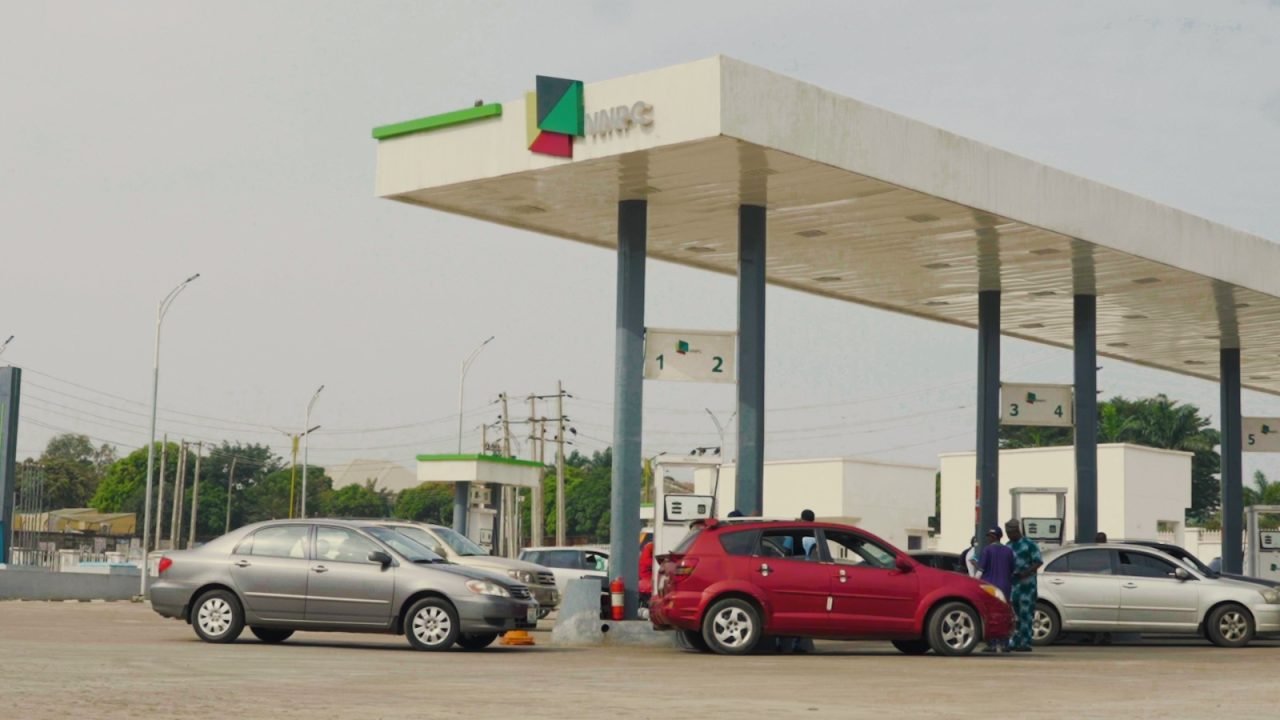
The Nigerian National Petroleum Company Limited (NNPC) is confronting significant legal exposure, with pending lawsuits against the state-owned energy firm estimated at around N2.27tn for the financial year ending 2024, according to an analysis of its 2024 Annual Report. The report revealed that while NNPC recognised N474.8bn as contingent liabilities in its financial statements, additional unresolved lawsuits valued at about N1.8tn remain across various courts, with no provisions made for them. This total represents a sharp increase of N1.63tn, or roughly 256 per cent, from the N638.38bn recorded in 2023. Contingent liabilities alone surged from N18.14bn in 2023 to N474.8bn in 2024—a rise of over 2,500 per cent. Similarly, unresolved lawsuits without provisions increased from N620.24bn in 2023 to N1.8tn in 2024, a jump of about 190 per cent. NNPC explained that the recognised contingent liabilities relate to cases where the likelihood of loss is deemed probable, based on advice from the company’s external legal counsel. “A provision has been made in the Financial Statements for contingent liabilities for lawsuits against the Group estimated at N474.8bn,” the report stated. For the additional N1.8tn in claims, legal advisers consider an adverse outcome only possible, not probable, which is why no provision was made in the financial statements in line with accounting standards governing contingent liabilities. “No provision has been made in the financial statements for contingent liabilities in respect of these lawsuits,” the report added. The growing legal exposure stems from NNPC’s long history of disputes inherited from its former status as the Nigerian National Petroleum Corporation, prior to its conversion into a limited liability company under the Petroleum Industry Act. Litigation includes joint venture cash-call disputes, crude oil supply contracts, pipeline construction and maintenance claims, debt recovery suits, arbitration awards, and disagreements with marketers and service providers. Some cases date back more than a decade and involve both domestic and international claimants. While contingent liabilities do not immediately require cash outlay, the scale of unresolved lawsuits poses potential risks to NNPC’s balance sheet, cash flow, and investment plans, particularly as the company navigates crude-backed loans, production challenges, and funding pressures. The disclosures highlight the legal and financial legacy challenges facing NNPC as it aims to operate commercially, enhance transparency, and restore investor confidence in Nigeria’s oil and gas sector.

James Obasi12 January 2026
WOODEN-BOATS.jpg

4min8740
The Minister of Marine and Blue Economy, Adegboyega Oyetola, has called on state governments nationwide to invest in modern fibre and aluminium boats to enhance safety and reduce accidents on Nigeria’s waterways. Oyetola renewed his appeal for an urgent ban on wooden boats for commercial water transport, highlighting the dangers posed by outdated and unsafe vessels. His statement, issued on Sunday by his Special Adviser, Dr Bolaji Akinola, came in the wake of recent boat accidents that claimed several lives, prompting condolences to the families of the victims. The minister urged waterway users to take personal responsibility for their safety by adhering to basic precautions. He stressed that replacing wooden boats with fibre-reinforced plastic and aluminium vessels would greatly improve safety. “Fibre and aluminium boats are more durable, stable, and resistant to corrosion, making them ideal for commercial operations. They offer better balance and buoyancy, reduce the risk of sudden breakage, and can be equipped with essential safety tools,” Oyetola said. He also cautioned against night travel due to poor visibility and increased risks and encouraged passengers to always wear approved life jackets. The former Osun State Governor reiterated that no journey is worth taking on overloaded or rickety boats. “Avoid night travel, wear life jackets, and prioritise safety above all else,” he stated, adding that the recurring tragedies highlight the urgent need to address the root causes of waterway accidents in Nigeria. Oyetola noted that many accidents result from poorly constructed, poorly maintained boats, especially when overloaded or exposed to harsh conditions. “Wooden boats deteriorate quickly in water, leading to cracks, leaks, and eventual collapse. They are unstable, easily capsized, often lack safety features, and are frequently operated without proper regulation, putting passengers at serious risk,” he said. Reaffirming the Federal Government’s commitment to waterway safety, the minister highlighted ongoing interventions, including the distribution of 35,000 life jackets to riverine states in 2025 to improve safety awareness. He urged state governments to complement these federal efforts by investing in modern, safe boats and ensuring passengers have access to standard life jackets. Oyetola emphasised that safeguarding Nigeria’s waterways requires collective action and political commitment at all levels. “Water transport is a key part of our blue economy,” he said. “It must be safe, regulated, and sustainable. Together, we can prevent these avoidable tragedies and protect lives.” Recent incidents underscore the urgency of the call. In December, six passengers died and four were rescued following a boat accident along the Nigerdock axis of the Igbologun Water Channel in Lagos.

James Obasi12 January 2026
urban.jpg

5min4600
Nigeria’s REIT market, while still developing, is attracting growing investor interest as rapid urban growth and population expansion fuel demand for income-producing real estate, according to a report by Knight Frank Real Estate. The report noted that Real Estate Investment Trusts have become a major investment instrument worldwide, offering investors exposure to property markets without the complexities of direct ownership. Across Africa, REITs are gradually gaining traction, supported by increasing urbanisation, demographic growth, and the need for diversified investment options. It explained that although Africa’s REIT market remains relatively small compared to global benchmarks, this gap presents both obstacles and significant growth opportunities. The global REIT market is estimated at about $4 trillion, with the United States accounting for nearly 80 per cent, or roughly $3.2 trillion. Africa represents only a small share of this total, with South Africa leading the continent at over $20 billion in market capitalisation. Despite its size, the African REIT market has recorded steady growth over the past decade, driven largely by South Africa, Nigeria, and Kenya. Nigeria’s REIT sector was described as still emerging but highly promising, given the country’s large population and fast-paced urbanisation. The report revealed that South Africa currently dominates the African REIT landscape with a market capitalisation of about $8.5 billion, followed by Nigeria and Kenya at approximately $600 million and $300 million, respectively, despite having introduced regulatory frameworks around the same period. Other countries, including Ghana, Morocco, and Egypt, have enacted REIT legislation and are exploring the market, although they are yet to launch fully operational REITs. The report highlighted that Ghana, Morocco, and Egypt are increasingly viewing REITs as tools for real estate development and foreign investment attraction. For instance, Ghana’s Affordable Housing REIT is designed to help address the nation’s housing shortage, while Morocco and Egypt are positioning REITs to draw international capital. Emerging trends across African REIT markets include growing interest in niche segments such as student accommodation, healthcare facilities, and affordable housing. Examples include Kenya’s Acorn Student Accommodation REIT, which has successfully leveraged rising demand for student housing in urban centres. Sustainability and green building practices are also gaining prominence, as environmentally responsible properties that meet environmental, social, and governance standards are attracting more investors due to lower long-term costs and improved returns. The report further pointed to the increasing adoption of technology in property management, with proptech solutions such as smart building systems and digital management platforms being incorporated to improve efficiency and tenant experience. Cross-border investment is another developing trend, as African REITs seek portfolio diversification and risk mitigation. South African REITs such as Growthpoint and Redefine have already expanded into other African markets and parts of Europe. For investors aiming to tap into Africa’s REIT potential, the report identified several promising focus areas, including affordable housing, which is in high demand due to rapid urbanisation and the expansion of the middle class. It also projected rising demand for offices, retail centres, and industrial properties as African economies grow. Additionally, niche sectors such as student housing, healthcare facilities, and logistics hubs were highlighted as less crowded markets with the potential for higher returns. REITs that emphasise sustainability and green development are expected to attract stronger investor interest over time, as ESG-aligned assets continue to gain global relevance. Overall, the report concluded that although the African REIT market is still at an early stage, it holds substantial growth potential. South Africa, Nigeria, and Kenya remain key drivers, while emerging markets such as Ghana and Egypt are showing increasing promise. Trends around niche assets, sustainability, technology adoption, and regional expansion are expected to shape the future of African REITs, offering diverse opportunities for investors.  

James Obasi9 January 2026
mtn-office.png

5min6030
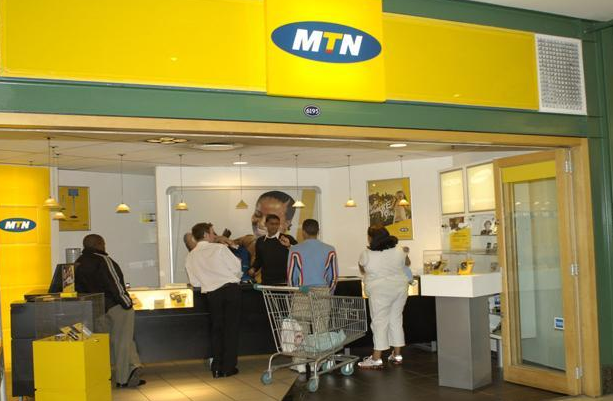
A Federal High Court in Lagos has dismissed a N1bn lawsuit brought against MTN Nigeria Communications Plc by Walls and Gates Ltd and its Managing Director, Okechukwu Udeichi, over alleged copyright infringement, breach of confidentiality, and trademark violations linked to MTN’s 20th anniversary promotion. Delivering judgment on Tuesday, Justice Ayokunle Faji held that the plaintiffs failed to demonstrate any legally protectable rights in their “20 for 20” proposal, describing the case as frivolous, speculative, and vexatious. The court dismissed the suit in full and awarded N3m in legal costs against the plaintiffs. The plaintiffs had filed the suit under Case No. FHC/L/CS/1935/2021, claiming that MTN used their “20 for 20” proposal, submitted on 17 September 2019, without consent. They argued that MTN’s anniversary promotion, which involved giving away 20 sport utility vehicles to subscribers, derived from their proposal, constituting copyright, confidentiality, and trademark violations. They sought N1bn in damages or, alternatively, an order for MTN to remit 50% of the revenue generated from the promotion. MTN denied the allegations, maintaining that the proposal was an unsolicited idea that imposed no contractual or confidential obligations. The company stated that its anniversary campaign was independently developed and that the plaintiffs’ submission was a general business concept not protected under Nigerian copyright law. MTN also contended that the plaintiffs lacked a registered trademark and could not show access to or copying of any protected work. In his ruling, Justice Faji noted that the plaintiffs admitted during oral submissions that they could not substantiate the trademark infringement claim, leaving only allegations of copyright and breach of confidentiality for consideration. Regarding confidentiality, the court found that no confidential relationship existed. The judge noted that the plaintiffs had submitted the proposal to the Nigerian Copyright Commission and relied on it for a trademark application before sharing it with MTN, placing it in the public domain. Additionally, the plaintiffs circulated the document to other organizations, nullifying any claim of confidentiality. The court held that MTN had no obligation to act on an unsolicited proposal without a contractual or fiduciary relationship or a non-disclosure agreement. On copyright, the court emphasized that Nigerian law protects original expressions, not ideas or business concepts. Justice Faji ruled that the plaintiffs’ proposal, described as a “20 for 20 Millennium Promotion,” was merely an idea for rewarding customers and lacked the originality required for copyright protection. The use of the phrase “MTN 20th Anniversary” by MTN was deemed a natural description of an event, not a work derived from the plaintiffs. The court also cited evidence that similar anniversary reward concepts had been used by MTN affiliates internationally before the plaintiffs’ proposal. Justice Faji described the suit as an attempt to coerce a commercial relationship with MTN and criticised the plaintiffs for leveraging MTN’s trademark without authorization to support a billion-naira claim. He highlighted that the case wasted judicial resources. While affirming the right to access the courts, the judge stressed that this right applies only to claims with prima facie merit. Consequently, the court awarded N3m in costs to MTN and ordered the plaintiffs to pay the amount.

James Obasi9 January 2026
TAX.jpg

4min9730
As Nigeria rolls out its new tax laws, North Central states are moving swiftly to domesticate the reforms, with Jigawa, Plateau, Kogi, Nasarawa, and Kwara taking steps to strengthen their revenue systems. According to statements from the Joint Revenue Board (JRB), these initiatives, backed by recently enacted legislation and executive approvals, aim to boost internally generated revenue, enhance financial autonomy, and create a transparent, predictable, and business-friendly tax environment, in line with the national tax reform agenda of President Bola Ahmed Tinubu. Jigawa State has joined the reform drive following the passage of the Harmonised Taxes and Levies Bill by its House of Assembly. The JRB described the legislation as a milestone in modernising the state’s revenue administration. The bill, awaiting the governor’s assent, seeks to streamline tax processes, eliminate multiple taxation, remove roadblocks for tax collection, leverage technology to improve transparency, plug revenue leakages, and clarify taxpayers’ obligations. These measures are expected to boost compliance, attract investors, and support economic development. The board also commended the collaboration between the state government, legislature, and the Jigawa State Internal Revenue Service. In Plateau State, Governor Caleb Mutfwang signed the Plateau State Harmonised Taxes and Levies (Approved List for Collection) Law on December 31, 2025. Officials said the law provides a coordinated framework for tax and levy collection, eliminating duplication, reducing revenue leakages, and supporting funding for critical infrastructure and social services. Nasarawa State has also modernised its fiscal framework. Governor Abdullahi A. Sule assented to the Nasarawa State Revenue Administration Law 2025 and the Harmonised Taxes and Levies Law 2025, establishing a unified system for tax and non-tax revenue collection. The reforms aim to tackle fragmented revenue practices, multiple taxation, and inconsistent enforcement while enhancing transparency, curbing arbitrary collections, restoring public confidence, and promoting economic activity, particularly among small and medium-sized enterprises. Kogi State joined the reform effort on January 1, 2026, when Governor Ahmed Usman Ododo approved the Kogi State Internal Revenue Service (Establishment) Law 2025 and the Kogi State Taxes and Levies (Approved List for Collection) Law 2025. These laws strengthen the legal and institutional framework for revenue administration and align state practices with national standards. While details were not provided for Kwara State, it is among the North Central states moving to implement the reforms, reflecting the region’s shared commitment to modernising revenue administration. Analysts said the new laws mark a shift from outdated, fragmented collection methods to a harmonised, technology-driven, and citizen-focused system. Key provisions include consolidating sub-national taxes into nine approved categories, removing roadblocks for collection, and improving fairness, efficiency, and predictability. The reforms are expected to reduce illegal and arbitrary collections, enhance transparency, and create a stable operating environment for businesses, with SMEs likely to benefit significantly. Observers note that the growing legislative momentum across North Central states signals a new era in fiscal governance, with sub-national governments positioning themselves to generate sustainable revenue while supporting economic growth.  

James Obasi9 January 2026
gg-ff.jpg

8min2730
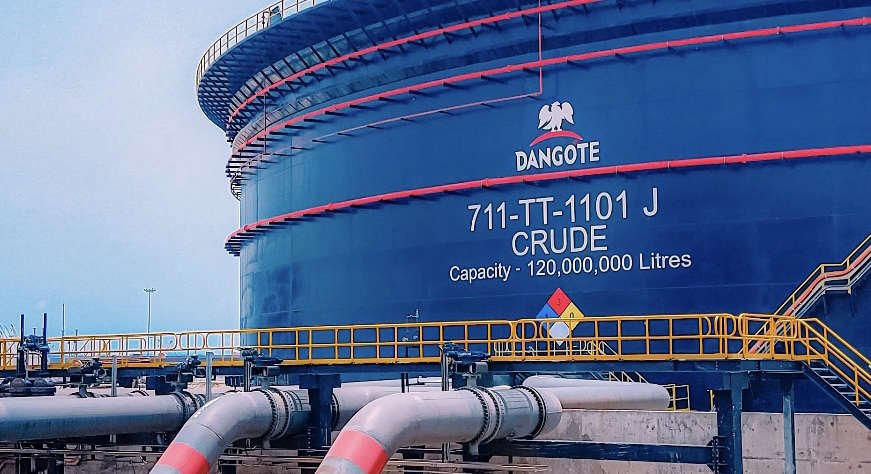
The fuel supply agreement between the Dangote Petroleum Refinery and 20 major petroleum marketers, which provided for the monthly offtake of about 600 million litres of petrol, has broken down following disagreements over pricing. The collapse of the arrangement is believed to have contributed to the sharp increase in petrol imports recorded in November 2025, when total import volumes rose to about 1.563 billion litres, according to data from the Nigerian Midstream and Downstream Petroleum Regulatory Authority (NMDPRA). The import figure was disclosed in the regulator’s November 2025 Fact Sheet on the State of the Midstream and Downstream Sector, which showed a significant rise in imported petrol volumes during the period the pricing dispute escalated. The agreement, reached in October 2025, was designed as a pilot scheme under which 20 depot owners were to collectively lift roughly 600 million litres of petrol monthly from the Dangote Refinery, with each marketer allocated about 30 million litres. The National Public Relations Officer of the Independent Petroleum Marketers Association of Nigeria (IPMAN), Chinedu Ukadike, had earlier explained that the arrangement followed a strategic meeting between the refinery and key downstream stakeholders aimed at stabilising supply and moderating pump prices. According to him, the meeting brought together representatives of major distributors, including A.Y.M. Shafa, A.A. Rano, NNPCL Retail, Salbas, and others, to streamline product distribution and reduce the role of multiple intermediaries blamed for price distortions. At the meeting, the refinery announced plans to sell petrol exclusively to 20 selected marketers, who would act as primary distributors to other dealers. Each marketer was expected to lift a minimum of two million litres monthly, translating to about 600 million litres in total. Industry sources, however, confirmed that the deal, which lasted less than a month, eventually collapsed after the refinery declined to adjust its gantry price in line with declining international petrol benchmarks. One stakeholder familiar with the agreement said it included a provision for monthly price reviews. Under the initial terms, petrol was sold at N806 per litre for coastal delivery and N828 per litre at the gantry. As part of the arrangement, the refinery temporarily halted direct sales to independent marketers, limiting them to purchases of 250,000 litres or less and requiring them to source supplies through the approved 20 marketers. The source explained that the arrangement initially worked smoothly, with products being loaded through ships and gantries, and more marketers gradually added to the approved list. However, problems emerged in November when international petrol prices fell below the refinery’s selling price. Importers reportedly observed that global benchmark prices suggested petrol should sell closer to N750 per litre, but the refinery was slow to reflect this decline. This price gap, the source said, encouraged a surge in petrol imports during the month. Although the refinery later reduced its gantry price to N699 per litre — the lowest recorded in 2025 — the adjustment came after many depot owners and marketers had already incurred losses from stocks purchased at higher prices. Data from the Major Energies Marketers Association of Nigeria (MEMAN) and petroleumprice.ng showed that the average landing cost of imported premium motor spirit fell to N829.77 per litre by October 30, down from earlier averages above N840 per litre. In contrast, the refinery’s gantry price remained as high as N877 per litre around October 24. Market participants said this disparity made imported fuel more attractive despite the push for local refining. Further industry sources disclosed that the breakdown of the agreement later spilled into a public dispute involving the refinery and the former leadership of the NMDPRA over the issuance of import licences, a situation that contributed to heightened tensions in the sector. Confirming the collapse, petroleumprice.ng Chief Executive Officer, Jeremiah Olatide, said the pricing framework for the agreement was tied to Eurobob, the international benchmark for European gasoline, with monthly reviews expected to track global crude oil movements. He noted that while the refinery implemented a price reduction after international benchmarks declined, the adjustment was not sufficient to match global prices, prompting marketers to turn to imports in November. According to him, the agreement between depot owners and the refinery lasted only about a month before falling apart, forcing the refinery to revert to open-market sales. Ukadike also confirmed that the agreement was no longer in effect, stating that the refinery had liberalised its sales strategy and reopened direct sales to marketers, including those able to lift as little as 250,000 litres. He explained that the move was intended to promote competition, prevent supply bottlenecks, and avoid artificial price increases. He also noted that some marketers had continued importing petrol even after signing the agreement, undermining its exclusivity. Currently, the refinery is selling petrol on an open-market basis to interested buyers. Meanwhile, fresh market data from MEMAN indicate that the spot price of imported petrol at the Apapa jetty has dropped to about N696 per litre, slightly below the refinery’s current gantry price of N699 per litre. MEMAN attributed the decline in spot prices to lower international benchmarks, reduced shipping costs, and relative stability in foreign exchange. The association added that similar downward trends have been recorded for diesel and kerosene, highlighting the continued sensitivity of domestic fuel prices to global market conditions.

James Obasi8 January 2026
electricity.webp

3min4730
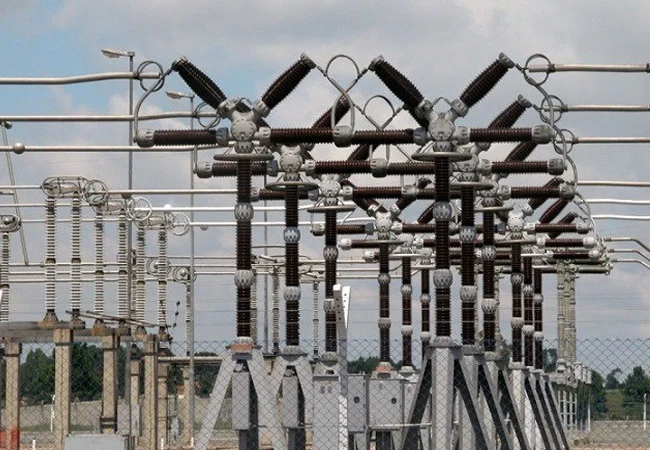
Power generation companies (GenCos) recorded an N80.56bn drop in total invoices in the third quarter of 2025, driven by a decline in electricity offtake by distribution companies (DisCos), according to industry data. The Nigerian Electricity Regulatory Commission (NERC) reported in its Q3 2025 bulletin that GenCos billed N782.46bn during the period, down from N863.02bn in Q2 2025. The decline in invoices reflected a 6.08 per cent reduction in energy offtake by DisCos, which also contributed to a lower Federal Government subsidy requirement, falling from N514.35bn in Q2 to N458.75bn in Q3. NERC noted that the current open-ended subsidy arrangement exposes the government to variable obligations due to volumetric risks and changes in generation costs, particularly when thermal generation increases overall costs. “The 6.08 per cent reduction in DisCos’ energy offtake between Q2 and Q3 2025 was the main factor behind the decline in total GenCo invoices (N782.46bn vs. N863.02bn) and subsidy obligations (N458.75bn vs. N514.35bn). The existing subsidy framework leaves the government vulnerable to indeterminate obligations due to volumetric risks and generation cost fluctuations caused by shifts in the energy mix,” the commission said. Monthly subsidy obligations during the quarter were N163.7bn in July, N153.32bn in August, and N141.72bn in September. Under the DisCos’ Remittance Obligation (DRO) framework, the government covers the gap between cost-reflective tariffs and approved tariffs, applying the subsidy to generation costs payable by DisCos to the Nigerian Bulk Electricity Trading Plc (NBET) at source. In Q3 2025, the DRO-adjusted invoice from NBET to DisCos was N323.70bn, while total remittances reached N308.25bn, representing a 95.23 per cent remittance performance. All DisCos except Kano, Benin, Jos, and Kaduna achieved full remittance. Jos DisCo improved by 4.29 percentage points compared to Q2, while Benin, Kaduna, and Kano saw slight declines. For transmission and administrative service costs billed by the Market Operator, DisCos remitted N73.03bn of N76.77bn, translating to 95.13 per cent compliance, with only Jos and Kaduna falling short. Analysts noted that the reduction in DisCos’ energy offtake would directly affect GenCos’ revenue while also lowering the volume of electricity distributed to end consumers.