Author: James Obasi

James Obasi8 January 2026
NERC.jpg

3min6710
Togo, Niger, and Benin owe Nigeria $17.8 million, equivalent to over N25 billion at current exchange rates, for electricity supplied under bilateral agreements, the Nigerian Electricity Regulatory Commission (NERC) has reported. In its Third Quarter 2025 report, NERC stated that these three international customers were invoiced a total of $18.69 million by the Market Operator for electricity supplied during the period, but they paid only $7.125 million, leaving an outstanding balance of $11.56 million. Additionally, legacy invoices from previous quarters amounted to $14.7 million, of which $7.84 million was settled, leaving a balance of $6.23 million. Combined, the total outstanding debt from Q3 2025 and previous quarters stands at $17.8 million, or N25.36 billion using an exchange rate of N1,425 to the dollar. The international offtakers were identified as Compagnie Énergie Électrique du Togo, Société Béninoise d’Énergie Électrique of Benin, and Société Nigérienne d’Électricité of Niger. NERC noted that electricity supplied to these countries was generated by grid-connected Nigerian generation companies and delivered through cross-border bilateral arrangements. For Q3 2025, the three international customers collectively remitted $7.125 million against the $18.69 million invoiced, representing a 38.09 percent remittance rate, with more than half of the billed amount remaining unpaid. In comparison, domestic bilateral customers performed significantly better, paying N3.19 billion out of N3.64 billion invoiced for the same period, a remittance rate of 87.61 percent. The report highlighted that some bilateral customers also made payments for invoices from previous quarters. The Market Operator received $7.84 million from international customers and N1.3 billion from domestic customers as settlements of past invoices. Furthermore, Nigeria’s 11 electricity distribution companies remitted a total of N381.29 billion to the Nigerian Bulk Electricity Trading Plc and the Market Operator in Q3 2025, out of N400.48 billion invoiced, achieving a remittance performance of 95.21 percent. NERC explained that these figures are based on reconciled market settlements submitted to the commission as of December 18, 2025, as part of its statutory review of the electricity market’s commercial performance.


James Obasi8 January 2026
Gas-780x470-1.jpg

3min4470
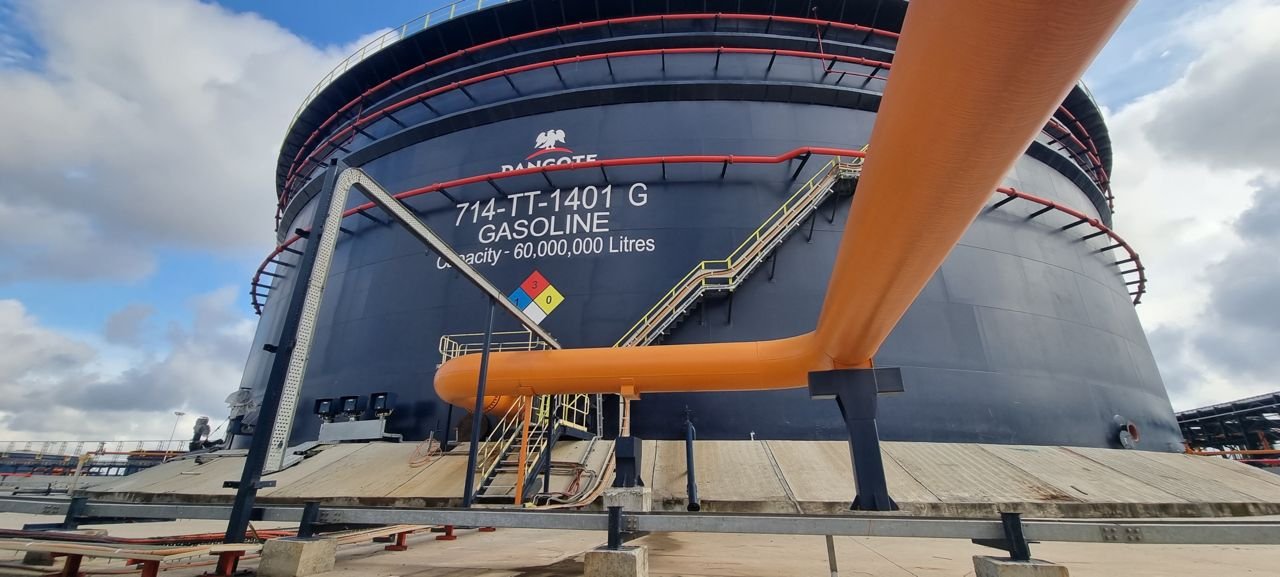
There is cautious optimism among liquefied petroleum gas (LPG) retailers as improved availability has helped stabilise prices, with cooking gas now selling between N1,000 and N1,400 per kilogramme, depending on location and seller. A recent market survey indicates that LPG supply improved toward the end of 2025, easing the acute shortages experienced in September and October last year. Consumers in Lagos, Ogun, Oyo and several other states reported purchasing cooking gas at prices ranging from N1,050 to N1,400 per kilogramme. Findings also revealed that some major marketers sold LPG directly to consumers at about N900 per kilogramme. For many buyers, current prices represent a significant improvement compared to the sharp increases recorded during the period when a dispute between the Dangote Refinery and the Petroleum and Natural Gas Senior Staff Association of Nigeria (PENGASSAN) led to the shutdown of gas facilities in September and October. Despite the relative stability, many consumers remain hopeful that prices will fall below N1,000 per kilogramme in the new year, noting that more affordable rates are crucial to promoting clean cooking. Commenting on the situation, the National Chairman of the Liquefied Petroleum Gas Retailers branch of the Nigeria Union of Petroleum and Natural Gas Workers (NUPENG), Ayobami Olarinoye, said the LPG market has become relatively stable, with some off-takers now receiving supplies in Apapa, Lagos. He stated that retail prices currently range between N1,300 and N1,400 per kilogramme, depending on neighbourhoods. According to him, prices may be lower at filling stations and gas plants, as factors such as location and logistics costs significantly influence final retail prices. Olarinoye explained that retailers currently purchase LPG from major marketers at between N960 and N1,050 per kilogramme. He added that sellers offering gas below N1,000 per kilogramme are mostly plant owners who sell directly to end users rather than through distributors. He recalled that cooking gas prices surged from an average of about N1,000 per kilogramme to nearly N2,000 per kilogramme in some areas in October following the industrial action by PENGASSAN during the dispute with the Dangote Refinery. The Dangote Refinery had previously pledged to drive down LPG prices by selling directly to consumers.

James Obasi7 January 2026
pension.jpg

5min9270
Pension operators in Nigeria face a major recapitalisation challenge, with analysts estimating that about N276.8 billion will be needed to meet the new minimum capital requirements set by the National Pension Commission (PenCom) during the first full year of the exercise. According to Coronation’s Year in Review and 2026 Outlook on Nigeria, only three Pension Fund Administrators (PFAs) — Stanbic IBTC Pension, Access ARM Pensions, and Leadway Pensure — had capital well above the N20 billion benchmark, highlighting the significant funding gap across the sector. In September 2025, PenCom raised the minimum capital requirement for PFAs to N20 billion and Pension Fund Custodians to N25 billion under the Pension Revolution 2.0 initiative. PFAs were categorised into three groups: Category A: PFAs with over N500 billion in Assets Under Management (AUM), requiring N20 billion plus 1% of AUM above N500 billion. Category B: PFAs with less than N500 billion in AUM, requiring a minimum of N20 billion. Category C: Special-purpose PFAs, including NPF Pensions Limited (minimum N30 billion) and Nigerian University Pension Management Company Limited (minimum N20 billion). While the original compliance deadline was December 2026, PenCom extended it to June 2027, giving operators an additional six months to meet the new requirements. To achieve the recapitalisation targets, PFAs are expected to leverage multiple strategies, including retained earnings, shareholder injections, rights issues, private placements, and mergers or acquisitions. Coronation analysts noted: “The immediate effect of the new capital requirement is that almost all PFAs will need to raise additional equity over the next 15 months. Out of 18 PFAs in Nigeria, only three — Stanbic IBTC Pension, Access ARM Pensions, and Leadway Pensure — had capital above N20 billion before the announcement. Collectively, the sector needs roughly N276.8 billion to comply by 2026.” The report details the capital shortfalls of key operators: Stanbic IBTC Pension:9 trillion AUM, shareholders’ funds N45.4 billion; requires N73.9 billion total, leaving a shortfall of ~N28.5 billion. Access-ARM Pension:5 trillion AUM, shareholders’ funds N22.8 billion; total requirement ~N50 billion, needing ~N27–28 billion additional. Leadway Pensure:8 trillion AUM; requires ~N33.1 billion, with an estimated N25.5 billion gap. Other PFAs: NPF Pensions, Premium Pensions, Trustfund Pensions, and FCMB Pensions need to raise N22.6 billion, N18.7 billion, N4.9 billion, and N12 billion respectively. Coronation predicts a wave of consolidation similar to the 2004 banking sector reforms. Smaller PFAs unable to meet the N20 billion threshold may merge with or be acquired by larger, stronger operators. Evidence of this is already emerging: in October 2025, Verod Capital sold its majority stake in Tangerine APT Pensions to APT Securities, citing PenCom’s recapitalisation mandate as a driver for the strategic restructuring. The analysts also highlighted potential globalisation of Nigeria’s pension assets, noting that by 2026, one or two PFAs may pilot dollar-denominated funds for qualified clients, investing in Eurobonds and other USD assets — a landmark for the industry. Meanwhile, Meristem Securities’ 2026 outlook forecasts growing PFA interest in infrastructure funding. Investments in infrastructure, which are lowly correlated with equities and bonds, offer diversification, inflation hedging, and resilience during market volatility. Pension fund allocations to infrastructure rose 49.4% year-on-year to N242.8 billion in H1 2025, up from N162.48 billion in H1 2024, reflecting stronger investor appetite for these assets. This recapitalisation push, coupled with strategic investments, is expected to reshape the Nigerian pension sector, enhancing both stability and long-term growth prospects.

James Obasi7 January 2026
NGX12.webp

4min9080
The Nigerian Exchange (NGX) maintained its upward momentum on Tuesday, as continued buying activity across key stocks lifted total market capitalisation by about ₦468 billion, keeping investor optimism high and sustaining the market above the ₦100 trillion mark. At the close of trading, total equities market capitalisation rose to ₦102.28 trillion from ₦101.81 trillion in the previous session, representing a 0.46 per cent gain in market value within a single trading day. The rise reflects persistent bullish sentiment following a strong start to the 2026 trading year. The All-Share Index climbed 0.46 per cent, adding 732.86 points to finish at 159,951.08 points, up from 159,218.22 points on Monday. This pushed the market’s year-to-date return to 2.79 per cent, signalling a firm start to the year as investors repositioned their portfolios. Market activity improved notably, with a total of 758.93 million shares traded in 54,199 deals valued at ₦19.83 billion. Compared with the previous session, trading volume rose by 9 per cent and turnover increased by 7 per cent, despite a 4 per cent drop in the number of deals executed. The higher volume and value indicate stronger investor participation, particularly in actively traded stocks, even as trades were concentrated in fewer but larger transactions. In total, 130 listed equities were active during the session. Market breadth closed positive, with 65 gainers against 21 losers, reflecting broad investor participation and an overall upbeat market sentiment. Meyer Plc led the gainers’ board, rising the maximum 10 per cent to close at ₦14.30 per share, followed by Jaiz Bank Plc, also up 10 per cent, and Associated Bus Company Plc, which gained 9.98 per cent. Multiverse Mining and Exploration Plc advanced 9.94 per cent. On the downside, Aluminium Extrusion Industries Plc posted the steepest loss, falling 9.96 per cent to close at ₦21.70 per share. Learn Africa Plc dropped 9.16 per cent, Oando Plc shed 7.69 per cent, and United Bank for Africa Plc lost 6.22 per cent. By trading volume, Linkage Assurance Plc led with 51.6 million shares, followed by Sterling Bank Plc with 49.1 million shares. Access Holdings Plc and Mutual Benefits Assurance Plc recorded 48.7 million and 34.7 million shares, respectively. Market performance was largely driven by heavyweight stocks, including MTN Nigeria Communications Plc, Access Holdings Plc, Guaranty Trust Holding Company Plc, Zenith Bank Plc, and United Bank for Africa Plc, which together contributed significantly to turnover and index movement. Overall, the equities market closed the session firmly bullish, extending the early-year rally and maintaining market capitalisation above ₦100 trillion. Analysts attribute the gains to renewed investor confidence, selective bargain hunting, and positioning ahead of anticipated corporate earnings and macroeconomic developments. On the commodities front, Brent crude oil closed at $61.82 per barrel, while gold traded at $4,418.82 per ounce, providing additional context for global market sentiment. With total market capitalisation at ₦102.28 trillion and trading activity strengthening, the NGX appears poised to sustain its positive momentum in the early stages of 2026, barring any unexpected macroeconomic or policy shocks. 

James Obasi7 January 2026
Electricity-Subsidy-Q1-2024.jpg

5min3630
Electricity distribution companies (DisCos) in Nigeria generated a combined ₦1.13 trillion in revenue from customers over a six-month period covering the second and third quarters of 2025 (April to September), according to monthly performance figures released by the Nigerian Electricity Regulatory Commission (NERC). The revenue was collected despite widespread complaints from consumers over inadequate power supply and frequent blackouts across many parts of the country. Within the period reviewed, the national power grid experienced a total system collapse that left many customers without electricity. At the same time, power generation companies reported reduced output due to low gas supply, largely linked to outstanding debts owed to gas suppliers. NERC’s report on monthly revenue performance and collection efficiency across the 11 DisCos showed that in 2025/Q3, total revenue collected stood at ₦570.25 billion out of ₦706.61 billion billed to customers, resulting in a collection efficiency of 80.70 per cent. This marked an improvement from 2025/Q2, when DisCos collected ₦564.71 billion from ₦742.34 billion billed, representing a 76.07 per cent collection efficiency. Combined figures for both quarters indicate that electricity consumers paid ₦1.13 trillion in total over the six months. Overall, DisCos recorded a 4.63 percentage-point increase in collection efficiency between the second and third quarters of 2025. In the third quarter, Ikeja DisCo recorded the highest collection efficiency at 100 per cent. Other DisCos that achieved collection efficiencies above 80 per cent included Eko (88.74 per cent), Benin (86.44 per cent), and Abuja (81.60 per cent). Kaduna DisCo posted the lowest performance, with a collection efficiency of 45.67 per cent. A comparison of quarterly performance showed improvements in collection efficiency for Ikeja (+17.58 pp), Port Harcourt (+8.83 pp), Yola (+8.72 pp), Abuja (+5.24 pp), Jos (+4.90 pp), Eko (+0.94 pp), and Benin (+0.89 pp). However, four DisCos recorded declines, with Kaduna (-2.70 pp) and Ibadan (-1.34 pp) experiencing the sharpest drops. Revenue collection in the second quarter totalled ₦564.67 billion, comprising ₦197.08 billion in April, ₦188.70 billion in May, and ₦178.89 billion in June. In the third quarter, collections rose slightly to ₦570.28 billion, with ₦190.52 billion recovered in July, ₦187.47 billion in August, and ₦192.29 billion in September. Although total billing declined between Q2 and Q3, the modest rise in collections contributed to the overall improvement in collection efficiency by 4.63 percentage points. September 2025 recorded the highest monthly collection figure during the period, suggesting a degree of stabilisation. Performance across DisCos varied significantly. Urban-based operators such as Ikeja exceeded 100 per cent efficiency in Q3, likely due to the recovery of legacy debts, while Eko led in recovery rates. In contrast, several northern DisCos, including Kaduna, Jos, and Kano, continued to lag behind. NERC attributed the improvement in collection and energy accounting efficiencies partly to reduced energy offtake during the quarter. The commission noted an inverse relationship between the volume of energy taken by DisCos and their collection efficiency, explaining that lower energy offtake often leads operators to focus on areas with historically better revenue recovery. The regulator also emphasised the importance of accurate metering in boosting revenue performance, describing customer enumeration and end-use metering as the most effective tools for improving energy accounting and collections. NERC disclosed that the first tranche of the Meter Acquisition Fund (MAF), which ended in June 2025, led to the installation of 107,461 meters for unmetered Band A customers. Following this, the commission approved the operationalisation of MAF Tranche B in September 2025, allowing DisCos to deploy up to ₦28 billion from the fund to meter Band A and Band B customers within their franchise areas.  

James Obasi6 January 2026
Doctorsthethoscope.webp

4min2560
Health experts have shared practical tips on how to enjoy meals without overeating, recommending strategies such as drinking water before eating and including high-fibre foods in your diet. The specialists explained that making smart food choices and practising portion control can help adults feel satisfied with smaller servings. In Nigeria, cultural beliefs that a chubby child indicates good health and parental wealth have reinforced the idea that one must eat until completely full, often referred to locally as “belle full.” Experts, however, warn that eating to this point can lead to overeating and stress the importance of focusing on meal satisfaction rather than sheer fullness. Overeating is linked to health risks such as heart disease, cancer, diabetes, obesity, and hypertension. Psychologists also note that consuming food for emotional comfort rather than nutritional need may indicate depression. According to MD Anderson Cancer Center, excessive eating forces stomach acid back into the esophagus, causing heartburn, organ strain, and increasing the risk of serious illnesses. Habitual overeating can also result in unwanted weight gain. Professor of Endocrinology at Lagos University Teaching Hospital, Mushin, Olufemi Fasanmade, advised Nigerians to eat in moderation, taking small portions throughout the day. He said, “Eat three to four times daily, but in small portions. Eating until completely full encourages overeating. For instance, one wrap of amala or a single slice of yam per sitting is sufficient.” Fasanmade highlighted that portion control is crucial for maintaining healthy eating habits and recommended adults stop eating once they feel satisfied, not full. Regular small meals also help limit calorie intake and support better weight management. Funmilayo Oluwasola, Assistant Chief Dietitian at the Federal Medical Centre, Abeokuta, explained the difference between eating for satisfaction and eating to fullness. She advised that drinking water before meals helps partially fill the stomach, reducing the quantity of food required to feel satisfied. Oluwasola also recommended high-fibre foods such as vegetables, oats, and whole grains, which help people feel full with less food. She suggested oatmeal as an effective option for achieving meal satisfaction with smaller portions. For moderately active adults, she advised a daily intake of around 1,800 calories, translating to manageable portion sizes. Examples include three to four slices of bread with tea and vegetables, or two average-sized wraps of fufu with plenty of vegetables. Rice portions should be limited to two to two and a half regular serving spoons. The dietitian emphasised that adults without health conditions could eat three times a day, with the largest meal timed during peak activity hours, typically around lunchtime. Evening meals should be lighter, such as smaller portions of rice or fufu paired with vegetables, or pap with vegetables, to avoid excessive calorie intake before rest. She stressed that meal timing, portion size, and food quality all play key roles in healthy eating habits. Nigerians were encouraged to focus on balanced meals, regular hydration, and mindful consumption to prevent health complications associated with overeating.

James Obasi6 January 2026
NNPCCC-1280x720.jpg

3min5070
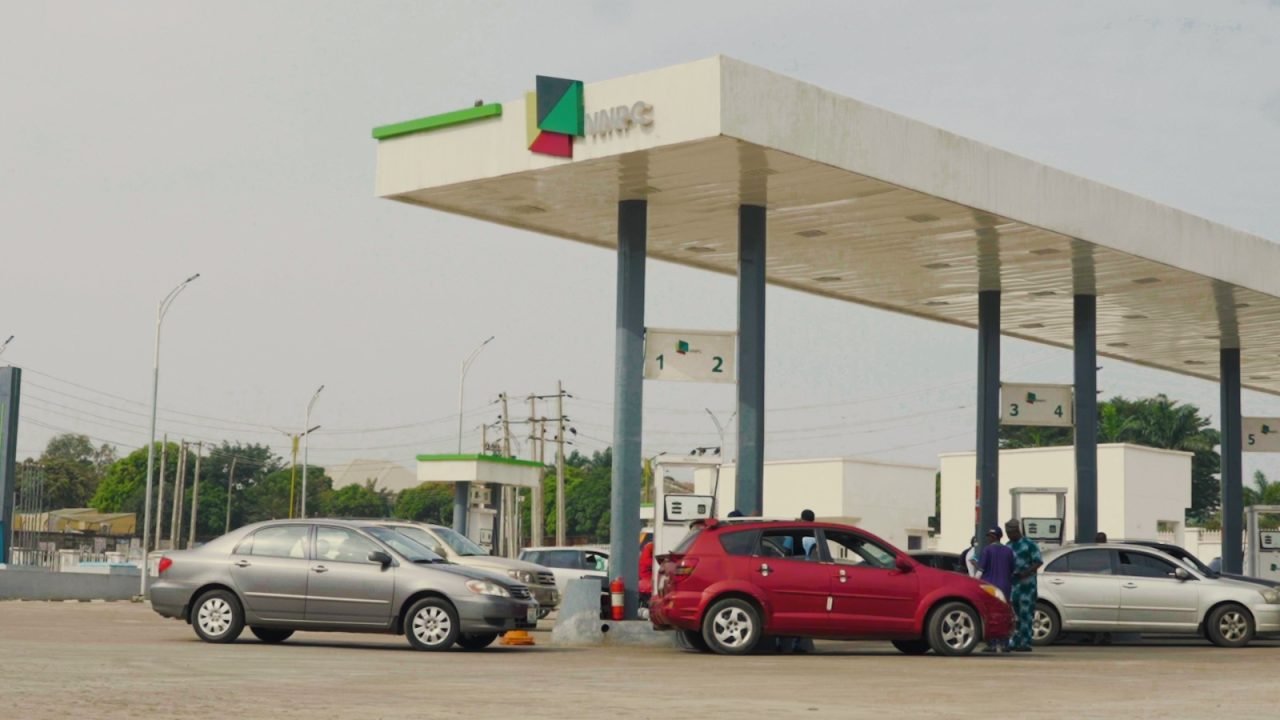
The Nigerian National Petroleum Company Limited (NNPC) has reduced the pump price of Premium Motor Spirit (petrol) at its retail outlets in Abuja to ₦815 per litre. The new rate marks a ₦20 reduction from the previous ₦835 per litre previously sold at NNPC stations. The revised price has been implemented at filling stations across the Federal Capital Territory, including Lugbe, Wuse Zones 4 and 6, the Keffi–Abuja Road, and the Kubwa Expressway. Despite the reduction, NNPC’s price remains ₦76 higher than the ₦739 per litre currently offered at Dangote Refinery-backed MRS outlets nationwide. Observations across Abuja on Monday showed notable price variations among different retail stations. Matrix stations sold petrol at ₦840 per litre, Sunlight outlets at ₦825, and Optima Energy at ₦835, while several NNPC stations, such as those in Lugbe and opposite Shoprite, reflected the ₦815 price. MRS stations continued to offer the lowest rate at ₦739 per litre. The latest price adjustment comes amid growing competition in Nigeria’s downstream oil sector following the large-scale supply of petrol from Dangote Petroleum Refinery. On December 19, 2025, NNPC had previously reduced its petrol price by ₦80, from ₦915 to ₦835 per litre, responding to a market-driven price war initiated by Dangote Refinery, which had lowered its ex-gantry price to ₦699 per litre on December 12, 2025—the lowest in about two years. The ongoing price movements reflect the early impact of deregulation and the expansion of domestic refining capacity, which has pushed marketers to respond to market competition rather than fixed pricing. While consumers benefit from the reductions, price volatility continues to affect the market. Independent marketers have expressed concerns over narrowing margins and inconsistent access to competitively priced petrol. The Federal Government has maintained that petrol prices will be determined by market forces, as Nigerians closely monitor how local refining output will influence supply and pricing in the months ahead.

James Obasi6 January 2026
dangote-refinery-1-.jpg

4min2740
Dangote Petroleum Refinery has cautioned that petrol pump prices could surge to as high as ₦1,400 per litre if Nigeria depends entirely on imported fuel, underscoring the role of large-scale local refining as a key stabiliser in the downstream petroleum sector. The refinery issued the warning on Monday while refuting claims that it was shutting down for maintenance, describing the reports as false, misleading and deliberately circulated to justify fresh increases in pump prices. In a statement, the company said recent price movements revealed a troubling reality, noting that without the operations of the Dangote Petroleum Refinery, fuel importers would operate unchecked, potentially driving petrol prices to ₦1,400 per litre in a post-subsidy environment. It added that its refinery has become a critical force in moderating volatility in the downstream market. The company alleged that reports of a shutdown were being pushed by fuel importers whose commercial interests were threatened by domestic refining, accusing them of spreading misinformation to exploit Nigerians and rationalise unjustified price hikes. According to the refinery, production remains steady, ongoing and uninterrupted. It said it currently has the capacity to supply between 40 million and 50 million litres of Premium Motor Spirit (PMS) daily, depending on market demand, through January and February. It disclosed that on January 4, the refinery produced 50 million litres of PMS and evacuated 48 million litres via its gantry, adding that existing stock levels were sufficient to cover more than 20 days of national consumption, effectively dispelling concerns over supply shortages. Clarifying issues around maintenance, the refinery explained that routine work on specific processing units does not affect overall output due to the integrated design of its facilities. It said that while maintenance may occur on units such as the Crude Distillation Unit and Residual Fluid Catalytic Cracking unit, other critical units remain fully operational. The refinery noted that it continues to produce PMS, Automotive Gas Oil and Jet A-1 through operational units including the Naphtha Hydrotreater, CCR Reformer and Hydrocracker. It further stated that since mid-December, it has maintained consistent PMS supply to the Nigerian market, with daily loading volumes ranging between 31 million and 48 million litres, figures that it said are verifiable through depot records maintained by the Nigerian Midstream and Downstream Petroleum Regulatory Authority. The company also reaffirmed its ex-gantry price of ₦699 per litre for PMS, stressing that the price is available to all marketers and bulk consumers without discrimination. It urged filling station operators, large-scale users and institutional consumers to prioritise locally refined products, arguing that domestic sourcing would help stabilise prices, conserve foreign exchange and support Nigeria’s economic recovery and energy security. Reiterating its commitment, the refinery advised the public to disregard false reports and remain alert to price manipulation, adding that it would continue to operate in the national interest by ensuring steady supply of high-quality, locally refined petroleum products while supporting economic stability, energy independence and industrial growth.

James Obasi5 January 2026
itel.webp

2min4640
Itel, the global tech empowerment brand, has teamed up with Pantone, the authority on colour standards, to launch a limited-edition collection inspired by PANTONE 11-4201 Cloud Dancer, the Colour of the Year 2026. According to Simeon Shagba, PR Supervisor at itel Nigeria, the collaboration brings this bright, airy white shade—symbolising freshness and vitality—into Nigeria’s tech market. Already a global trendsetter in fashion and design, Cloud Dancer now features on itel’s stylish accessories: the itel Buds 5 earbuds, MagSnap 10C power bank, and Classic 2 Pro Hair Clipper. The products combine Cloud Dancer’s clean, luminous look with advanced functionality designed for young Nigerians. The itel Buds 5 offer 32dB active noise cancellation, punchy bass, and up to 32 hours of playback for uninterrupted audio on commutes or workouts. The MagSnap 10C Power Bank provides magnetic snap-on charging in a sleek, portable form. The Classic 2 Pro Hair Clipper delivers precise, professional grooming with ease. Shagba said, “The collection merges global trends with local flair, letting Nigerians add runway-inspired style to their everyday routines.” As the world’s leading smartphone brand under $75 and the top feature phone brand in over 80 emerging markets, itel reaffirmed its commitment to affordable, expressive tech for youth. “Cloud Dancer isn’t just a colour—it’s a vibe,” the statement said. “This launch blends technology, fashion, and Nigerian energy, marking a fresh start to 2026.”

James Obasi5 January 2026
alpi.webp

4min3570
Justice Othman Musa of the Abuja High Court has ordered the sealing of a disputed waterfront property within the Lekki Peninsula Scheme area of Lagos State, pending the outcome of a civil suit arising from a commercial land transaction between private individuals. The order followed an ex parte application filed by one of the parties, Mr. Henry Ugonna Orabuchi, who is seeking judicial intervention over disputes relating to the ownership, documentation, and regulatory status of the property. Court filings show that Orabuchi stated he was introduced in 2022 to Mr. Elvis Eze, through an intermediary, as the purported owner of a waterfront property in Lekki. He was informed that part of the land was waterlogged and required sand filling, after which portions of the reclaimed land would be sold. Orabuchi said he entered into an agreement to purchase 3,000 square metres of the reclaimed land for an agreed sum, making additional payments at different stages based on representations made during the transaction. He explained that documents shown to him included a Lagos State Certificate of Occupancy for the adjoining land, alongside assurances that necessary consents for the reclaimed portion would be derived from the same root of title. The agreement, he added, also provided access to the waterfront section through the adjoining developed property. According to Orabuchi, issues emerged after the sand-filling exercise, particularly regarding regulatory assessments and the extent of land recognised by relevant authorities. He further alleged that disagreements arose over documentation and the perfection of title to the portion he contracted to acquire. He also referenced actions by Lagos State regulatory agencies during assessments carried out on the property, which he said raised concerns about compliance with planning and building regulations. These developments, he noted, led him to seek clarification and legal protection. Court documents further indicate that Orabuchi reported the matter to the Nigeria Police, after which it was referred for investigation. While the investigations were ongoing, he alleged that subsequent developments prompted him to approach the Federal High Court in Abuja for relief. In Suit No. FCT/HC/CV/4636/2025, Orabuchi asked the court to enforce his fundamental rights and grant interim measures to preserve the disputed property pending the resolution of the case. After reviewing the application, the court granted an interim order directing that the property be sealed and that all activities on the site be suspended until the substantive suit is heard and determined. In its ruling, the court restrained the respondents from arresting, harassing, or otherwise dealing adversely with the applicant in connection with the dispute. It also ordered the sealing and securing of the property identified as Plot No. A, Block 12, Lekki Peninsula Scheme, Lagos State, including the reclaimed 3,000 square metres, and directed that all works and access to the property be halted pending the determination of the suit.