Author: Lifestyle & Wellness Desk

terrif.jpg

2min7890
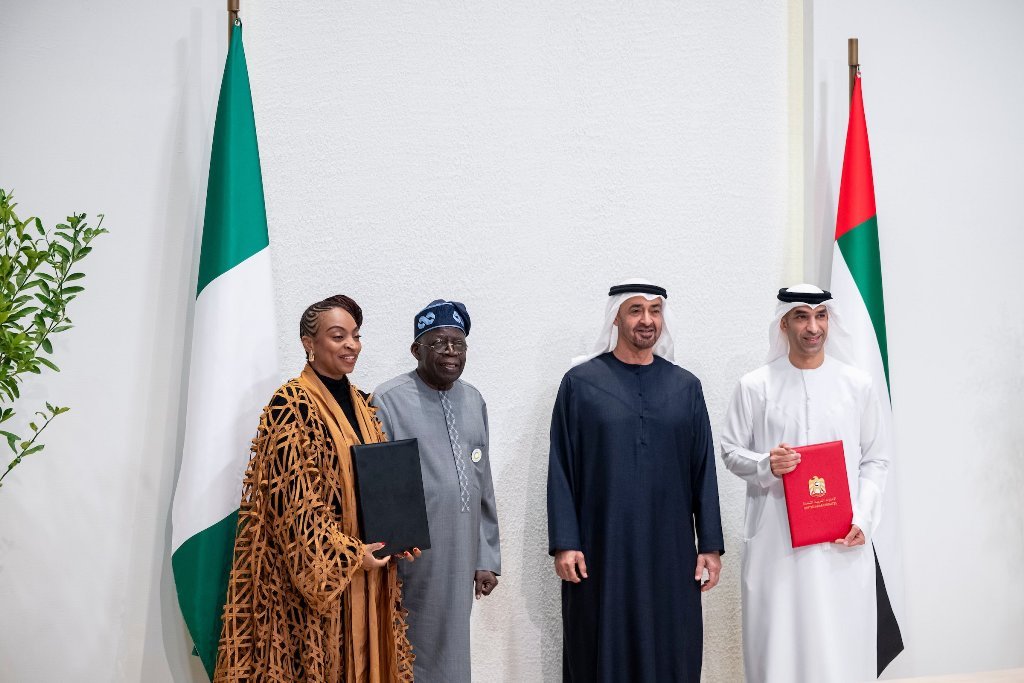
Nigeria and the United Arab Emirates have removed tariffs on more than 13,000 products under a new trade agreement, aimed at expanding market access for Nigerian goods, businesses, and professionals. The Federal Ministry of Industry, Trade, and Investment announced that Nigeria has eliminated tariffs on 6,243 UAE-imported products, while the UAE has removed tariffs on 7,315 Nigerian products. The Comprehensive Economic Partnership Agreement (CEPA), signed in January 2026, is designed to boost non-oil exports, attract investment, and support economic diversification. For Nigeria, tariffs on 3,949 products were removed immediately, with 2,294 products set for phased elimination over five years. The country excluded 123 products from liberalisation. The UAE removed tariffs on 2,805 products immediately, with 1,468 products phased out within three years and 3,042 over five years, while prohibiting 593 products. The CEPA covers agricultural, industrial, and manufactured goods. For example, the UAE will immediately lift tariffs on fish, cereals, oil seeds, fruits, raw hides, cotton, pharmaceuticals, chemicals, and paper products, while phasing out tariffs on cocoa, coffee, machinery, vehicles, and apparel. Nigeria will immediately remove tariffs on mineral fuels, machinery, vehicles, electrical equipment, and iron and steel, while phasing out tariffs on fish, fruits, vegetables, and apparel over five years. The agreement also opens doors for services and investment flows. Nigeria has commitments covering 99 services across 10 sectors, while the UAE covers 108 services across 11 sectors. Nigerian businesses can explore trade opportunities in the UAE and establish corporate entities there under the pact. The Federal Government said the agreement strengthens Nigeria’s position as a preferred destination for investors, accelerates non-oil exports, and aligns with obligations under the World Trade Organization, AfCFTA, and ECOWAS trade frameworks. Relevant agencies, including the Nigeria Customs Service and the Nigerian Export Promotion Council, will work to implement the agreement and support increased trade and investment between the two countries. Exporters and investors have been advised to consult the Ministry of Industry, Trade, and Investment for details on product coverage, rules of origin, and export procedures.

Saudi-Arabian-Airline.webp

3min5140
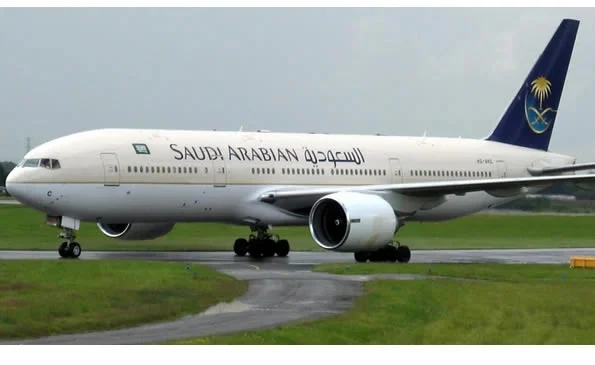
Saudi Airlines has faced widespread criticism after leaving 401 Kano-bound passengers stranded at Nnamdi Azikiwe International Airport, Abuja, for nearly 48 hours, sparking tension and raising security concerns. The Nigerian Civil Aviation Authority (NCAA) confirmed that adverse weather in Kano forced the airline to divert to Abuja but noted that the airline failed to make proper arrangements to transport passengers to their final destination. NCAA spokesperson Michael Achimugu, who shared a statement on his verified X handle on Monday, said he was personally involved in managing the situation. He described the ordeal as one of the most challenging moments in his career. “Yesterday, I had to turn back from my trip to the barber after receiving reports of a credible threat of extreme violence from stranded Saudi Airlines passengers in Abuja,” Achimugu said. He explained that other airlines also diverted to Abuja due to the same weather conditions, but unlike them, Saudi Airlines reportedly returned to its base without ensuring that its passengers were accommodated or flown onward. Achimugu recounted being surrounded by over 200 frustrated passengers, many of whom had waited for hours without clear information on onward travel. “I stood among more than 200 angry passengers, calming, advising, and resolving disputes. This is the most adrenaline-charged part of my role. It requires tact, firmness, and teamwork, and it can be risky because some passengers are extremely agitated,” he said. He added that one particularly angry passenger even threatened him physically, but he managed to de-escalate the situation through dialogue. While Saudi Airlines does not operate a base in Abuja, which complicated logistics, the NCAA emphasized that the situation could have been handled more professionally. Achimugu also met with the Saudi Ambassador to Nigeria, stressing that no airline can operate in the country without complying with consumer protection regulations. Thanks to coordinated efforts, the stranded passengers were eventually flown to Kano in batches on three UMZA-operated flights. The first flight carried 74 passengers and four crew members. The second flight transported 73 passengers and four crew members. The final flight took 34 passengers. In total, 189 passengers were successfully transported to Kano. The NCAA stated that Saudi Airlines has committed to compensating the affected travelers. “This concludes a nearly 48-hour disruption that began as a force majeure event, worsened due to poor passenger management, and ultimately ended with effective teamwork from the minister to the DGCA and all Consumer Protection Officers,” Achimugu said.

DOCTORR.jpeg

5min8090
Medical experts have warned that residing in homes with asbestos roofing and ceilings, as well as lead-containing paints and pipes, may put individuals at risk of chronic headaches, abdominal pain, lung cancer, infertility, and developmental issues in children. The physicians explained that while asbestos was commonly used in Nigerian homes between the 1970s and 1990s due to its affordability, prolonged exposure to asbestos and lead-based materials can have lasting harmful effects on the nervous, respiratory, and reproductive systems. Experts emphasised that pregnant women and children are particularly vulnerable to lead exposure, which can result in developmental delays, behavioural issues, and serious health complications. According to the World Health Organization, asbestos is a potent carcinogen responsible for a significant portion of occupational cancer deaths. Exposure to asbestos is linked to lung, larynx, and ovarian cancers, mesothelioma, and asbestosis. Combined exposure to asbestos and tobacco smoke further elevates the risk of lung cancer. National regulations, including Section 14 (I) of the National Environmental (Construction Sector) Regulations, 2011, prohibit the use of asbestos in construction. Section 13 (8) also bans lead-based paints in building structures. In 2018, the Lagos State Government issued warnings about the cancer risks associated with asbestos ceilings. Research shows that asbestos-containing materials were widely used in Nigeria’s construction industry from the 1970s to the 1990s, including in roofing sheets, ceiling panels, cement pipes, flooring, window putty, and other structural components. The affordability of these materials and weak regulatory enforcement allowed their widespread use. Even after the ban, asbestos roofs and ceilings remain in older homes, particularly those built over 30 years ago. Dr. Ekaete Tobin, a Public Health Physician at Irrua Specialist Teaching Hospital in Edo State, said that while asbestos was a cost-effective option decades ago, people living in homes with these materials face serious health risks. She noted that lead, commonly used in paints and pipes, can contaminate air and water, causing neurological, hematological, and reproductive harm. “Lead in pipes can leach into drinking water, accumulating in the blood and causing anaemia, chronic fatigue, headaches, memory loss, irritability, and poor concentration,” Tobin explained. “Pregnant women exposed to lead risk complications that can affect fetal development, while children are vulnerable to behavioural and developmental issues.” She added that undamaged asbestos poses minimal risk but becomes hazardous when broken, torn, or during replacement. “Replacement should be carried out by experts with respiratory protection and proper ventilation. Safer alternatives, such as PVC ceilings, should be considered.” Tobin advised residents to maintain hygiene and minimize exposure to dust from old materials. “Washing hands before meals, wet cleaning floors, and using modern, lead-free paints reduce exposure risks,” she said. Dr. Olusina Ajidahun, a physician of Internal Medicine, highlighted that homes built in the 1960s and 1970s often contain lead-based paints, pipes, and asbestos ceilings. Prolonged exposure can cause lead poisoning in children, resulting in headaches, constipation, weakness, and memory problems. Asbestos components also increase the risk of lung cancer, especially for builders or individuals frequently handling the material. Ajidahun explained that lead accumulates over time, affecting multiple body systems. Gastrointestinal accumulation can cause persistent abdominal pain and constipation, while neurological accumulation may trigger chronic headaches and memory issues. Lead exposure also raises the risk of infertility and can cause stillbirths or developmental issues in children. He urged individuals living in such homes who experience related symptoms to seek medical evaluation and treatment. Ajidahun further recommended health, safety, and environmental surveys to ensure that high-lead materials are not used in residential construction, alongside public education and the demolition of old homes with asbestos, lead-containing pipes, and paints.

HEALTH-CAREE.jpg

4min7070
In a move to enhance healthcare access in Imo State, the Uzotex Charity Foundation has constructed a Primary Health Care (PHC) Centre in Umuchima community, Ideato South Local Government Area. The foundation said the new PHC would improve access to quality medical services and aligns with Governor Hope Uzodimma’s administration, which prioritises affordable healthcare for all residents. Alongside the modern PHC, the foundation built residential quarters for doctors, installed over 300 solar-powered streetlights, and provided a 300kVA transformer to support the facility and the surrounding community. Uzotex Charity Foundation, founded over a decade ago by businessman and philanthropist Festus Mbisiogu, who serves as Chairman of the Board of Trustees and principal financier, focuses on improving the health and well-being of Nigerians, particularly women and children. At the commissioning event, which included a free medical outreach benefiting more than 500 patients, Mbisiogu described the PHC as “a testament to responsive and people-centred humanitarian initiatives” and encouraged community leaders, health workers, and residents to take ownership to ensure its sustainability. “I urge health workers, community leaders, and residents to take ownership of this centre,” he said. Citing global standards, the United Nations Children’s Fund notes that primary healthcare can address up to 90 per cent of diseases. Similarly, the Federal Government aims to expand functional PHCs from around 1,800 in 2023 to 17,000 by 2027, according to Coordinating Minister of Health and Social Welfare, Prof Muhammad Pate. Mbisiogu also praised former Imo State Commissioner for Youths and Sports, Kenneth Emelu, and House of Representatives member Ikenga Ugochinyere for their support, as well as Governor Uzodimma for his administration’s progress in roads, education, and healthcare delivery. Noting that the PHC is the sole medical facility for Umuchima and neighbouring communities, Mbisiogu called on the state government to deploy permanent doctors, nurses, and other health staff. He emphasised that his philanthropic work is purely humanitarian. “Government cannot do it alone. Individual participation through charitable partnerships is essential,” he said. He further announced that women delivering at the PHC would do so free of charge, with the first 50 mothers receiving N50,000 each upon discharge. Ugochinyere commended Uzotex Charity Foundation for its consistent support to the community and described Mbisiogu as a selfless philanthropist investing in healthcare, education, water, solar lighting, youth and women empowerment, and welfare initiatives. He also contributed N5m to support PHC operations. The event’s chairman, Obinna Mbagho, highlighted the commissioning of the doctors’ quarters, streetlights, and transformer, all funded by Mbisiogu, and praised all stakeholders for their dedication to the community’s development.

FairMoneyY.jpg

4min7340
The Managing Director of FairMoney Microfinance Bank, Henry Obiekea, has stated that collaboration between banks and fintechs is crucial to deepening financial inclusion and advancing the Federal Government’s $1tn economic growth target. In a thought leadership article released on Monday, Obiekea highlighted that combining the financial strength of traditional banks with the agility of fintechs can bring more Nigerians into the formal financial system. He said, “Nigeria is at a defining point in 2026. Following years of bold macroeconomic reforms, including foreign exchange unification and structural adjustments, the country is moving from stabilisation to expansion. With the Central Bank restoring confidence in the naira and foreign reserves reaching a five-year high of over $45bn, the next phase of growth depends on how effectively Nigerians can engage with the formal financial sector. “Technology-driven banking is central to this transition. Commercial banks provide balance sheet strength, regulatory depth, and long-term capital essential for national development. Yet, in a nation of over 220 million people, physical access alone cannot deliver financial inclusion at scale.” Obiekea emphasised the role of mobile-first and digital financial services in bridging the inclusion gap: “Licensed microfinance banks and other regulated digital institutions extend banking beyond physical branches, bringing millions into the formal economy. Achieving the $1tn GDP target requires efficient capital flow. In the first quarter of 2025, Nigeria recorded over N295tn in electronic payment transactions. Secure and fast financial infrastructure supports commerce, strengthens trade, and boosts productivity.” He also highlighted the impact of technology on Micro, Small, and Medium Enterprises (MSMEs): “Using alternative data responsibly allows small-ticket working capital loans to reach businesses that need them, building a pipeline of enterprises that can mature into larger corporate clients. Digital financial services also enhance public revenue mobilisation through transparent transactions and expanded tax collection, supporting fiscal sustainability.” Obiekea commended the Central Bank of Nigeria’s Open Banking framework, set for phased rollout in 2026, noting that it provides consistent regulatory oversight while enabling secure data sharing, allowing customers’ financial histories to move seamlessly across institutions. “At FairMoney Microfinance Bank, we see this as a social contract. NDIC insurance and clear dispute resolution mechanisms give customers the confidence to participate actively in the economy. The future of Nigerian banking lies in structural harmony: traditional banks bring depth and stability, while fintechs provide reach, speed, and accessibility. Together, they transform financial access into economic resilience, ensuring every Nigerian can contribute to our shared $1tn future,” he concluded.

DISABILITY.webp

3min7050
Nigerian-born tech innovator Hanu Agbodjie has donated AI-powered smart glasses to hearing-impaired Nigerians, demonstrating his commitment to leveraging technology for social inclusion and expanding access to opportunities for persons with disabilities. The first recipients of the initiative are Joylyn Oge Jacobson, a Lagos-based video production assistant and content creator, and Sodiq Olopade, a student at Bayero University, Kano. They received the devices in Lagos, alongside their families. The smart glasses are designed to assist people with hearing impairments by capturing spoken conversations and surrounding sounds within a 270-degree range. The AI technology transcribes speech in real time, displaying readable text directly on the lenses. This enables users to follow conversations without relying on sign language interpreters or lip-reading. The glasses feature an ergonomic, lightweight design for comfortable all-day use, operate via Bluetooth, and connect to a mobile app that allows users to customise settings and receive software updates. Agbodjie described the initiative as more than a donation of devices, saying it represents the potential of technology to transform lives: “Today shows what’s possible when technology meets purpose. AI offers an unprecedented opportunity to create a world where disability does not define limits. Technology can restore dignity, independence, and access to possibilities. This future begins with Joylyn and Sodiq.” For Joylyn, who works behind the scenes in the creative industry, hearing difficulties have made everyday interactions challenging. “I miss out on instructions, jokes, and simple conversations. These glasses allow me to see conversations as they happen, changing how I work, interact, and feel confident. I’m so happy,” she said. Sodiq said the device has had a transformative effect on his academic and social life. “Hearing challenges affect lectures, discussions, and friendships. These glasses help me follow conversations without embarrassment or dependence on others. Communication has become much easier,” he said. Family members praised the impact, noting the emotional and social challenges often associated with hearing impairment. Christiana, Joylyn’s cousin, said: “We’ve watched Joylyn struggle quietly for years. This is more than a device; it restores her freedom and confidence.” Medical professionals also endorsed the innovation. Dr. James Nnowaluem, who coordinated the outreach, called the AI-powered glasses a major advancement in assistive technology. “Hearing loss affects mental health, productivity, and social connection. This device bridges communication gaps in real time and greatly improves quality of life,” he said.  

NERCCC.webp

7min6920
Electricity distribution companies nationwide billed customers a total of N255.19bn for power supplied in October 2025 but recovered only N210.92bn, resulting in substantial losses from unbilled energy and unpaid bills that continue to weigh on the power sector’s liquidity. The figures were contained in the latest commercial performance factsheet issued by the Nigerian Electricity Regulatory Commission. According to the report, the 11 distribution companies received electricity valued at N303.85bn from the national grid in October, an 8.73 per cent increase from September. However, the value of energy billed declined by 5.65 per cent to N255.19bn, indicating that not all power received was converted into billable revenue. This created a shortfall of N48.66bn, representing electricity delivered but not billed to customers during the month. Consequently, industry-wide billing efficiency fell to 83.99 per cent, down 2.45 percentage points from September, meaning more than 16 per cent of energy supplied to DisCos was not captured in customer bills. Despite the drop in billing efficiency, revenue collection improved. Total collections rose by 7.48 per cent month-on-month to N210.92bn, pushing collection efficiency up to 82.66 per cent from 81.26 per cent in September. The commission noted that cases where collection efficiency exceeded 100 per cent were largely driven by the recovery of outstanding debts from previous months. Nevertheless, significant revenue gaps persisted. Of the N255.19bn billed in October, DisCos failed to collect N44.27bn, adding to losses from unbilled energy. Combined, these weaknesses resulted in a recovery efficiency of 82.49 per cent, reflecting the proportion of allowed revenue actually realised by operators. NERC’s data showed that while the allowed average tariff for the month stood at N116.25 per kilowatt-hour, the actual average collection dropped to about N95.85/kWh, a 1.23 per cent decline from September. This growing disparity between approved tariffs and realised revenue continues to strain cash flows across the electricity value chain, affecting remittances to the Nigerian Bulk Electricity Trading Plc and other market participants. Performance varied widely among the DisCos. Ikeja Electricity Distribution Company recorded the strongest results, billing N41.26bn out of N43.72bn worth of energy received, for a billing efficiency of 94.36 per cent. It collected N42.11bn, surpassing its billings and lifting collection efficiency to 102.07 per cent, while recovery efficiency reached 108.17 per cent. Eko DisCo also ranked among the top performers, despite a slight decline in billing efficiency to 95.71 per cent after billing N40.29bn of the N42.10bn received. It collected N37.67bn, translating to a collection efficiency of 93.50 per cent and a recovery efficiency of 101.65 per cent. Abuja DisCo received electricity valued at N46.32bn but billed N38.93bn, resulting in a billing efficiency of 84.05 per cent, a sharp drop from the previous month. It collected N34.39bn, posting a collection efficiency of 88.35 per cent, with recovery efficiency at 88.30 per cent. Port Harcourt DisCo billed 80.32 per cent of the energy it received, slightly below September’s level, but improved its collection efficiency to 87.07 per cent, lifting recovery efficiency to 82.97 per cent. Several northern DisCos continued to record weak commercial performance. Jos DisCo posted the poorest results, collecting just N5.26bn out of N13.50bn billed, leaving collection efficiency at 38.98 per cent and recovery efficiency at 42.28 per cent, despite a marginal improvement in billing. Kaduna DisCo improved its billing efficiency to 84.62 per cent but collected only 43.03 per cent of billed revenue, with recovery efficiency at 43.70 per cent. Enugu DisCo saw a decline in billing performance, billing N20.95bn out of N26.11bn received for a billing efficiency of 80.23 per cent. Collection efficiency improved to 80.74 per cent, although recovery efficiency slipped to 77.67 per cent. Ibadan DisCo recorded one of the strongest gains in collections. While billing efficiency edged down to 73.51 per cent, collection efficiency jumped to 84.49 per cent, with N22.56bn recovered. Recovery efficiency rose to 74.16 per cent. Benin, Yola, and Kano DisCos remained in the mid-range for recovery performance. Benin DisCo billed N19.84bn out of N30.38bn received, leaving billing efficiency at 65.32 per cent, while recovery efficiency stood at 65.16 per cent. Kano DisCo achieved a high billing efficiency of 98.05 per cent but collected only 58.67 per cent of its billings, resulting in a recovery efficiency of 68.65 per cent. Yola DisCo recorded billing efficiency of 66.03 per cent and collection efficiency of 69.35 per cent. The October results come amid ongoing regulatory and structural reforms aimed at strengthening the financial sustainability of Nigeria’s power sector. NERC has repeatedly emphasised the need for improved metering, reduced energy theft, and stricter enforcement of commercial performance benchmarks. Despite recent tariff adjustments and reforms under the amended Electricity Act, the data indicate that persistent challenges in energy accounting, customer enumeration, and revenue protection continue to drain billions of naira from the sector each month, raising concerns about the long-term stability of the electricity market.

shipping.jpg

5min6830
Maritime agents on Monday shut down operations at the Apapa office of Mediterranean Shipping Company following a recent increase in freight charges, warning that the move would worsen inflationary pressures in an already fragile economy. The action was carried out by agents operating across the maritime sector, including members of the African Association of Professional Freight Forwarders and Logistics of Nigeria and the Association of Nigeria Licensed Customs Agents, Western Zone. The agents gathered in large numbers at the shipping company’s office, insisting that operations remain suspended from 6 a.m. on Tuesday until the charges are reversed to previous levels. According to the protesting agents, the rising accumulation of port-related fees is steadily driving up import costs, with the final burden expected to fall on consumers. Speaking after the shutdown, the National President of the African Association of Professional Freight Forwarders and Logistics of Nigeria, Frank Ogunojemite, blamed the Nigerian Shippers’ Council for what he described as a failure to adequately regulate the sector. He warned that the council’s office could also be shut if the issue remains unresolved. Ogunojemite said agents had already written to the Presidency and alleged compromises within the regulatory framework, adding that further actions would be considered after consultations. He stressed that unchecked increases across the industry were fuelling inflation and placing unnecessary strain on businesses and consumers. Meanwhile, the Sea Empowerment Research Centre described the ongoing industrial actions as a reflection of deeper structural problems within Nigeria’s port cost system. In a position paper signed by its Head of Research, Eugene Nweke, the group acknowledged that concerns over arbitrary and excessive tariff increases were valid but cautioned that protest methods should align with global best practices in industrial relations. Nweke, a former president of the National Association of Government Approved Freight Forwarders, argued that the industry’s core challenge lies in weak regulation and poor stakeholder engagement. He called for intelligent advocacy, stronger regulatory accountability, and institutional reforms rather than disruptive shutdowns. Also reacting, the Ports and Terminal Multiservice Chapter Chairman of the National Association of Government Approved Freight Forwarders, Thomas Alor, criticised the freight hike and faulted the timing of a proposed stakeholders’ meeting, which he said was scheduled during the holiday period when most participants were unavailable. He insisted that shipping companies must clearly justify any increase through proper consultation. A source familiar with developments within the freight forwarding community also raised concerns over what was described as poor container refund policies, alleging prolonged delays and operational bottlenecks. The source questioned the basis for higher charges amid unresolved refund issues and said the matter would be escalated to the Nigerian Shippers’ Council. The Western Zone Coordinator of the Association of Nigeria Licensed Customs Agents, Femi Anifowose, warned that unchecked shipping charges and persistent port inefficiencies were undermining trade facilitation and intensifying inflation in Nigeria’s import-dependent economy. He also accused shipping firms of failing to demonstrate adequate social responsibility despite benefiting significantly from the country’s trade activities. In response, a source at the Nigerian Shippers’ Council said discussions were ongoing and assured that stakeholders would be engaged soon to address the concerns. On his part, the MSC Africa Regional Controller for Finance and Administration, Jesse Chege, said the freight increase had been under discussion with the Nigerian Shippers’ Council for about two years. He explained that rising operating costs informed the decision and noted that the revised charges received regulatory approval in December 2025.

trump1-1-1280x853.avif

2min5050
U.S. and UK financial stocks retreated on Monday after President Donald Trump called for a 10 per cent cap on credit card interest rates, a proposal that could pressure a major source of bank revenue. Shares of leading U.S. banks moved lower, with JPMorgan Chase down 2.5 per cent, Bank of America falling 1.6 per cent, Citigroup sliding 3.7 per cent, and Wells Fargo easing 1.5 per cent. In the UK, Barclays dropped 2.2 per cent, touching its lowest level in nearly a month. Consumer finance firms recorded steeper losses. Synchrony Financial, Bread Financial, and Capital One declined between 8 per cent and 11 per cent, while American Express fell 3.8 per cent. Payment companies Visa and Mastercard also slipped by 1.8 per cent each. Analysts cautioned that the proposal, which suggests implementing the cap from 20 January, faces significant legal and legislative hurdles. They noted that any interest rate limit would likely require Congressional approval and could be challenged if pursued through executive action. Market participants also warned that a cap on credit card rates could prompt banks to tighten lending standards, reduce credit limits, or close accounts for higher-risk borrowers, potentially pushing consumers toward alternative and more expensive lending options. Data from the Federal Reserve shows that average U.S. credit card interest rates stood at 20.97 per cent in November. Attention is now turning to upcoming earnings reports, as major U.S. banks begin releasing fourth-quarter results this week. JPMorgan is set to report first, followed by Bank of America, Citigroup, and Wells Fargo in the coming days.

oil02.jpg

4min4070
The competition in Nigeria’s petroleum sector has intensified, with some retail outlets now selling Premium Motor Spirit (PMS) below the N739 per litre recommended by Dangote Petroleum Refinery. Since the Dangote refinery reduced petrol pump prices from around N900 to N739 in December, many importers and depot owners have reported losses. To remain competitive, several operators have had to sell petrol at rates below their landing costs. A weekend survey showed that some filling stations now offer PMS at lower prices than MRS Oil, the primary partner supporting the Dangote price cut. NIPCO sold PMS at N738 per litre, SAO stations at N735, and Akiavic at N737, while an AP station in Mowe, Ogun State, dropped prices to N736 per litre. Filling stations in the same area closely monitor competitors’ pricing to avoid losing customers. Motorists are flocking to the outlets offering the cheapest rates, leaving higher-priced stations struggling. According to the Major Energies Marketers Association of Nigeria, the average landing cost of petrol is N762.38 per litre, while Dangote’s ex-gantry price is N699. Despite this, importers adjusted pump prices to remain competitive with Dangote-backed MRS. Operators stressed that the price reductions are a market strategy to maintain market share, not a reflection of whether imported petrol is cheaper. “This is about strategy, not a war against any marketer or refinery,” an operator said on condition of anonymity. The Dangote refinery shocked depot owners in December by cutting the gantry price from N828 to N699 per litre. The Group President, Aliko Dangote, had warned marketers against maintaining higher pump prices and directed MRS stations to sell at N739 per litre. The Independent Petroleum Marketers Association of Nigeria (IPMAN) noted that competition is now driven by pricing. Marketers who fail to adjust risk losing customers, while those keeping up with competitive pricing protect their capital from mounting bank interest. Many filling stations are now selling petrol below N800 per litre as the price war continues. Dangote Refinery stated that it began supplying PMS to marketers in October 2025 with an offtake volume of 600 million litres, which rose to 900 million litres in November and 1.5 billion litres in December. The refinery reduced minimum purchase volumes and introduced a 10-day credit facility to enhance liquidity, support small and medium operators, and boost domestic product usage. The refinery also clarified that the spike in petrol imports in November was due to import licensing approvals exceeding domestic demand and not related to its production capacity. It reaffirmed its commitment to reliable supply, competitive pricing, and collaboration with regulators to strengthen Nigeria’s downstream petroleum market.