
Author: Lifestyle & Wellness Desk

Donald-Trump.jpg

4min2030
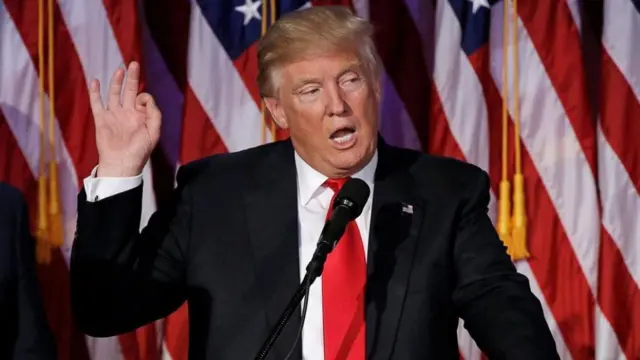
Trump pledges economic surge, blames Biden for high prices in national address President Donald Trump vowed an economic boom for the United States in a national address on Wednesday, while attributing rising prices to the policies of his Democratic predecessor, Joe Biden. “Good evening, America. Eleven months ago I inherited a mess, and I’m fixing it,” the 79-year-old said during a live White House broadcast marking the end of his first year back in office. Despite his reassurances, many Americans remain concerned about the cost of living, prompting fears among Republicans about potential setbacks in the 2026 midterm elections. Trump asserted that prices for gas and groceries were “falling rapidly, and it’s not done yet. But boy, are we making progress.” In a surprise announcement, Trump said that 1.45 million U.S. service members would each receive a $1,776 “warrior dividend” bonus before Christmas, funded by revenues from tariffs. He noted that the amount commemorates the year of the nation’s founding, in celebration of the 250th anniversary next year. Trump also forecasted a record-setting economic surge in 2026, coinciding with the U.S., Canada, and Mexico co-hosting the FIFA World Cup. However, much of the speech focused on familiar targets. Trump repeatedly criticized Biden, the Democrats, and migrants, claiming they “stole American jobs.” Democrats responded sharply, with Senate Majority Leader Chuck Schumer stating that Trump “lives in a bubble completely disconnected from the reality everyday Americans are seeing and feeling.” He added, “The facts are that prices are going up. Unemployment is going up. And there’s no end in sight.” Trump’s remarks come after a year of high-profile policy moves, including stricter migration controls and actions targeting political opponents. Yet public concern remains on rising prices, partly driven by tariffs imposed on global trading partners. Polls reflect voter unease: a PBS News/NPR/Marist poll released Wednesday found 57 percent of Americans disapprove of Trump’s handling of the economy, while a YouGov survey showed 52 percent believe the economy is worsening under his leadership. Trump has also faced criticism from within his MAGA base for prioritizing foreign peace deals in Ukraine and Gaza, and tensions with Venezuela, over domestic economic issues. During Wednesday’s address, he highlighted the Gaza ceasefire, U.S. actions against Iran’s nuclear program, and efforts to combat drug trafficking. With midterm elections approaching in 2026, Trump has increased domestic travel to promote his economic agenda. Last week in Pennsylvania, he pledged to “make America affordable again,” and he is scheduled for another campaign-style rally in North Carolina on Friday. Vice President JD Vance, positioning himself for a potential 2028 presidential run, encouraged voters to remain patient in a speech on Tuesday.  

custommm.jpeg

3min1710
The Nigeria Customs Service has cautioned designated banks that any delay in remitting collected customs revenue will attract penalty interest set at three per cent above the prevailing Nigerian Interbank Offered Rate for the period of default. The warning follows reported cases of delayed revenue remittances by some designated banks after reconciliation of collections processed through the B’odogwu platform. In a statement issued on Wednesday, the National Public Relations Officer of the service, Abdullahi Maiwada, said such delays violate agreed remittance obligations and undermine the efficiency, transparency, and integrity of government revenue administration. He noted that, in line with the Service Level Agreement between the Nigeria Customs Service and designated banks, enforcement actions have commenced against institutions found to be in breach of remittance timelines. According to the statement, any designated bank that fails to remit collected customs revenue within the stipulated period will be charged penalty interest calculated at three per cent above the prevailing NIBOR for the duration of the delay. Affected banks will receive formal notices detailing the outstanding amount, applicable penalties, and deadlines for settlement. The service added that repeated or persistent non-compliance with the SLA could result in further regulatory and administrative sanctions, as provided under the agreement and relevant laws governing customs revenue collection. The NCS reiterated that prompt, accurate, and complete remittance of customs revenue is a core responsibility of designated banks. It warned that payments made into unauthorised accounts, whether intentionally or in error, would be treated as serious violations and handled in accordance with the SLA and applicable legal frameworks. Designated banks were therefore urged to strengthen internal controls, strictly observe remittance timelines, and fully comply with the terms of the SLA. The service reaffirmed its commitment to enforcing accountability, protecting government revenue, and promoting a transparent and predictable financial system in support of national economic development. Under the Nigeria Customs Service Act, all customs duties, excise taxes, and related charges are payable to the service. Any intermediary, including banks, that collects such revenues and fails to remit them appropriately may face prosecution and penalties, including fines or imprisonment, as provided by law.  

Cardoso-CBN-510x340-1.jpg

6min4910
Deposit money banks are reinforcing their capital positions as the Central Bank of Nigeria tightens regulatory oversight, deepening its focus on governance, transparency and risk management to safeguard financial system stability. The CBN Governor, Olayemi Cardoso, has said Nigeria’s banking system remains stable and resilient but noted that the regulator is staying alert to emerging risks, including cyber threats, credit concentration and operational weaknesses. According to him, these risks are being addressed through enhanced risk-based supervision and the transition to Basel III, which is expected to strengthen capital quality, boost resilience and improve liquidity monitoring as recapitalisation progresses. Members of the Monetary Policy Committee have also affirmed the soundness of the banking sector. At the 303rd MPC meeting in Abuja, the committee expressed satisfaction with the sector’s performance, noting that key financial soundness indicators remain within regulatory thresholds. They acknowledged notable progress in the recapitalisation programme, with 16 banks already meeting the revised capital requirements, and urged the apex bank to ensure the process is completed successfully. With fewer than four months to the end of the exercise, Cardoso confirmed that recapitalisation remains on track. Speaking at the recent Bankers’ Dinner in Lagos, he said several banks have already crossed the new capital thresholds, while others are making steady progress toward the 31 March 2026 deadline. “So far, 27 banks have raised capital through public offers and rights issues, and 16 have already met or exceeded the new requirements,” he said, describing this as evidence of the depth and resilience of Nigeria’s banking industry. He added that recent stress tests show the system remains fundamentally strong, with most prudential indicators meeting regulatory benchmarks. As part of efforts to protect the estimated N4.14tn being raised through recapitalisation, the CBN is overhauling the sector’s credit-risk framework. Cardoso said the apex bank is enforcing stricter governance, transparency and accountability standards to ensure the new capital is properly managed and to prevent a repeat of boom-and-bust cycles seen after past recapitalisation exercises. He explained that a newly established Compliance Department, now fully operational, is strengthening oversight in areas such as financial crime supervision, market conduct, enterprise security, corporate governance and environmental, social and governance issues. In addition, the CBN’s Credit Risk Management System has been upgraded to a web-enabled platform, allowing banks to conduct borrower checks and submit statutory returns more efficiently, with plans underway to integrate it into banks’ internal systems. A Deloitte report estimates that Nigerian banks will raise about N4.14tn by March 2026, noting that higher minimum capital requirements—ranging from N50bn to N500bn depending on licence type—are necessary to address inflation, high interest rates, exchange rate volatility and external shocks. The report said stronger capital buffers would enhance banks’ ability to absorb losses and support larger transactions. Cardoso reiterated that while the system is sound, vigilance remains essential. He added that the Basel III transition will further reinforce resilience, while operational discipline is being strengthened to improve efficiency across the financial system. Measures taken include a comprehensive review of the cash lifecycle, revised cash-printing models, tighter controls on ATM and branch closures, sanctions for cash-dispensing failures, and enhanced supervision of point-of-sale operators nationwide. These interventions align with the Federal Government’s ambition to grow Nigeria’s economy to $1tn by 2030. Cardoso stressed that a well-capitalised banking sector is critical to achieving this goal, warning that without decisive action, banks may lack the capacity to support such an expansion. The ongoing recapitalisation, he said, will position banks to finance growth, attract larger transactions and support economic development. The CBN has reassured depositors and the public that the sector remains secure, emphasising that it continues to monitor all financial institutions under robust early-warning and risk-based supervision frameworks. The recapitalisation programme, announced in March 2024, raised minimum capital requirements for banks based on licence categories, with full compliance expected by March 2026. Cardoso said the policy would promote inclusive growth by enabling banks to extend more credit to MSMEs and invest in technology and innovation, expanding digital financial services and access nationwide. He added that key indicators such as non-performing loan and liquidity ratios remain within regulatory limits, while stress tests continue to affirm the system’s overall strength. Industry leaders have also described the recapitalisation drive as timely, saying it will help banks withstand economic shocks and finance large-scale infrastructure and industrial projects. Under the CBN Act of 2007, the apex bank is mandated to promote financial system stability, a responsibility it continues to pursue through reforms, stronger governance standards and enhanced supervisory frameworks aimed at sustaining confidence in the banking system and supporting long-term economic growth.  

importt.avif

6min2430
Stakeholders have cautioned that lingering structural flaws and poor inter-agency coordination could expose importers and the broader economy to significant losses, warning that these challenges may undermine the effective rollout of the National Single Window (NSW). The concerns were raised on Wednesday in Lagos at the 10th annual seminar for maritime journalists and the unveiling of the Centre for Maritime Media and Capacity Development. The event, organised by First Mediacon Network Limited in collaboration with the Nigerian Shippers’ Council, was themed “A decade of collaboration for impact: Strengthening maritime journalism for the future.” Participants expressed fears that the NSW, slated to commence operations in 2026 to simplify port procedures, could face serious setbacks if the current overlap of regulatory interfaces is not addressed. Speaking at the forum, the National Vice President of the Association of Nigerian Licensed Customs Agents (ANLCA), Segun Oduntan, noted that despite the NSW framework, operators still navigate multiple platforms operated by different government agencies, alongside internal systems covering enforcement, scanning, gate operations and cargo clearance. Oduntan, represented by ANLCA’s Senior Special Adviser on Media, Suleiman Ayokunle, recalled earlier digital platform launches by regulatory agencies, which initially resulted in severe disruptions, including a near-total halt in cargo evacuation for about three weeks. While acknowledging that such challenges are common with technology-driven reforms, he warned that without proper management, the economic impact could be far-reaching. He further highlighted the financial consequences of regulatory overlaps, citing recurring disputes between the Nigerian Shippers’ Council and the Maritime Police. According to him, unless the NSW successfully harmonises agency roles and procedures, such losses could persist and erode the efficiencies the system is designed to deliver. Oduntan expressed optimism that the NSW would follow global best practices, offering a truly integrated platform that reduces delays, lowers costs and resolves long-standing inter-agency frictions at the ports. Adding to the discussion, a former acting Vice President of ANLCA, Kayode Farinto, said previous digital transitions in the maritime sector had come at a high cost. He recalled instances where connectivity failures delayed declarations and even properly submitted documents were not recognised by new systems. Farinto also drew attention to additional charges imposed by regulatory agencies, pointing to examination fees demanded by the Standards Organisation of Nigeria despite importers holding valid conformity certificates. He said such fees, ranging from N3,000 to N7,000 per container, discourage trade and promote avoidance practices. He further criticised police interventions in cleared cargo, warning that excessive or arbitrary enforcement could fuel extortion and weaken trade facilitation. The Executive Secretary and Chief Executive Officer of the Nigerian Shippers’ Council, Dr Pius Akutah, said the increasing complexity of the maritime sector—driven by digitalisation, evolving trade dynamics, regulatory reforms and global logistics changes—requires a more adaptive and informed media. Represented by the council’s Director of Special Duties, Moses Abere, Akutah reaffirmed the council’s commitment to efficiency, transparency and competitiveness as the port economic regulator. He described the event’s theme as a reflection of the importance of collaboration in building a stronger maritime industry, noting that maritime journalists have long played a critical role in highlighting sectoral challenges and opportunities. He added that the council views the media as vital partners in informing stakeholders, shaping public perception and strengthening accountability. In his opening remarks, the Chief Executive Officer of First Mediacon Network Limited, Sesan Onileimo, said maritime journalists must continually upgrade their skills amid the pressures of artificial intelligence, digitalisation and social media. He explained that the newly launched centre was created to help journalists remain relevant and competitive, regardless of their level of experience on the maritime beat. Onileimo added that the centre is open to partnerships with corporate stakeholders committed to collaboration and capacity building for the benefit of Nigeria’s maritime industry. The National Single Window is a trade facilitation platform designed to allow importers, exporters and other stakeholders to submit standardised trade information and documentation through a single electronic portal to meet all regulatory requirements for the movement of goods.

NGX.webp

3min1890
The Nigerian Stock Exchange (NSE) added N13 billion at the close of trading on Tuesday, buoyed by strong performances in consumer and industrial sectors. Market capitalisation now stands at N95.3 trillion. The All-Share Index rose by 21.23 points to 149,459.11, marking a one-week gain of 1.71 per cent, a four-week gain of 3.08 per cent, and a year-to-date increase of 45.21 per cent. Other advancing indices included the Insurance Index, up 0.36 per cent; the Consumer Goods Index, up 0.21 per cent; and the Pension Index, up 0.07 per cent. A total of 912,582,020 shares changed hands in 23,678 deals, representing a market value of N20.2 billion. Compared with Monday’s session, trading volume rose by 65 per cent, turnover increased by 52 per cent, while the number of deals fell by 18 per cent. Of the 129 listed equities traded, 31 stocks recorded gains while 26 posted losses. Leading the gainers was Aluminium Extrusion Industries with a 10 per cent rise, closing at N9.35 per share. Guinness Nigeria followed with a 9.98 per cent increase to N263.40, MeCure Industries gained 9.95 per cent to N45.85, and Multiverse Mining and Exploration rose 9.95 per cent to N12.15. Other notable gainers included Sovren Insurance, up 9.89 per cent to N4.11, and Sunu Assur, up 7.96 per cent to N4.34. On the losing side, Haldane McCall led with a 9.93 per cent drop to N3.72, followed by LivingTrust Mortgage Bank down 9.09 per cent to N3.50; Veritas Kapital Assurance down 9.09 per cent to N1.60; Linkage Assurance down 5.71 per cent to N1.65; and Champion Breweries down 5.63 per cent to N13.40. Access Holdings recorded the highest trading volume of 385,834,219 shares, followed by Sterling Bank (85,488,191), FCMB Group (75,689,568), First HoldCo (51,923,443), and AIICO (36,690,774). Access Holdings also led in value at N7.72 billion, followed by First HoldCo (N1.83 billion), GTCO (N1.50 billion), Zenith Bank (N0.92 billion), and MTN (N0.80 billion). On Monday, the NSE had posted a modest gain of about N3 billion as investors adopted a cautious approach amid mixed sectoral sentiment.

mandilas-group-limited.jpg

3min1590
Mandilas Group has reiterated its dedication to the development of the Nigerian economy as it celebrated its 75th anniversary with a Christmas concert, jointly organised with the Musical Society of Nigeria (MUSON) at the MUSON Centre in Lagos. At the event, Mrs. Ola Ayo-Adeloye, Executive Vice Chairman of Mandilas Trust Co. Ltd, highlighted the company’s positive impact on Nigeria over the past seven and a half decades, noting that Mandilas continues to embody the resilience, diversity, and ambition that define the Nigerian dream. The 2025 MUSON–Mandilas Christmas Concert featured performances by the MUSON Choir and Orchestra, alongside the Mandilas Choir. Ayo-Adeloye described the event as a symbolic celebration of Mandilas Group’s 75 years of operation, calling it a deeply meaningful milestone. “Seventy-five years is no small achievement. Many companies have not survived this environment for that long. It speaks to the resilience and commitment of Mandilas to Nigeria. We are a Nigerian company, and we aim to excel. Our dedication to Nigeria has always been evident, and the Nigerian market has supported us tremendously,” she said, emphasising that customer loyalty remains central to the company’s identity. Reflecting on the company’s growth, Ayo-Adeloye likened Mandilas to “fine wine,” noting that public expectations have increased alongside the company. “Without our customers, we would not be here. At 75, we are reaffirming our commitment to all our customers and to Nigeria. We will continue this journey for the next 75 years and beyond. Our reliability is proven — even during COVID, we maintained all salaries and did not lay off staff. People value job security, and we have consistently supported our employees,” she added. Ayo-Adeloye also emphasised Mandilas’ broader mission as a family- and community-focused organisation, committed to running a profitable business sustainably and with positive societal impact. “Yes, we conduct business, but we do so with a good heart,” she said. The concert was attended by dignitaries including Mandilas Group’s Group Managing Director, Mr. Vlassis Liakouris, his wife Rebecca, director Gregory Ezeokafor, Mrs. Ayo-Adeloye, and MUSON’s Director of Music and Conductor, Emeka Nwokedi, among others.

seapport.jpg

3min3540
The Lekki Deep Seaport has reported reaching nearly half of its designed operational capacity, with consistent month-on-month growth in container throughput since September. Mr. Wang Qiang, Managing Director and CEO of Lekki Port LFTZ Enterprise Limited, shared the update during an end-of-year media briefing at the port on Tuesday. Wang noted that the port is now operating at close to 50 percent capacity, reflecting growing confidence from shipping lines and cargo owners in Nigeria’s first deep seaport. “We already reached almost 50 per cent of our port capacity now,” he said, highlighting a steady increase in the number of twenty-foot equivalent units handled each month. He emphasised that efficient multimodal connectivity is crucial for sustaining and accelerating growth. Barge operations, in particular, have become a key evacuation channel. Wang also pointed to the ongoing Lagos–Calabar Coastal Road project, which is expected to ease congestion and improve access to the port. Rail connectivity remains a priority, especially given the scale of industrial activity developing in the Lekki corridor. “With the level of industrial activities in this region, we expect the train option to be provided,” he added. While reiterating that Lekki Port is a fully automated terminal, Wang acknowledged that delays may still occur until all stakeholders, including government agencies, fully align with end-to-end digital processes. Customs procedures, such as physical cargo examinations, need full digitalisation to significantly reduce cargo dwell times. “We must work closely with customers and all operations for automation to yield results,” he said. He further explained that integration between the customs system, the terminal operating system, and customers is already part of a scheduled implementation plan. “For automation to work efficiently, all players—customers, government, and stakeholders—must be ready. Only then can we have a fantastic system,” Wang added. Improved connectivity, he noted, could allow the port to effectively double its capacity through performance optimisation without expanding its physical footprint. Located in Ibeju-Lekki, Lagos State, within the Lagos Free Zone, the Lekki Deep Seaport is Nigeria’s first deep-sea port and one of West Africa’s largest maritime infrastructure projects. The media tour included visits to the customs examination area, scanners, and shipside operations.

oil-blockage-1280x853.avif

5min1600
Equities mostly rose on Wednesday, despite U.S. jobs data doing little to increase expectations for an interest rate cut next month. Oil prices surged following President Donald Trump’s announcement of a blockade on “sanctioned” Venezuelan tankers. Federal Reserve officials have signalled that borrowing costs are unlikely to be lowered for a fourth consecutive meeting, keeping market sentiment subdued amid concerns over tech valuations and AI spending. Investors had awaited delayed non-farm payroll reports, which showed November’s unemployment rate rising to a four-year high of 4.6 percent, reinforcing signs of a slowing U.S. labour market. Analysts noted that a 105,000-job decline in October was influenced by the extended government shutdown, while November’s 64,000-job increase slightly exceeded expectations. Overall, the data had minimal impact on rate-cut predictions, with markets pricing in roughly a 20 percent chance of a move next month. National Australia Bank senior economist Taylor Nugent said the higher unemployment rate highlights the Fed’s ongoing labour market concerns but is unlikely to prompt immediate easing. “It would take another significant jump in unemployment to alter expectations for a January cut,” he added. Wall Street investors largely shrugged at the data, as concerns grow that the tech-led rally of the past two years may have overextended and that AI investments might not yield immediate returns. Asian markets were mixed on Wednesday. Tokyo, Hong Kong, Shanghai, Seoul, Manila, Bangkok, and Jakarta posted gains, while Sydney, Singapore, Taipei, Mumbai, and Wellington fell. In Europe, London rose after data showed UK inflation slowed more than expected in November, with Paris and Frankfurt also making modest gains. Oil prices jumped over one percent after Trump declared on Truth Social that he was “ordering a total and complete blockade of all sanctioned oil tankers going into, and out of, Venezuela.” The move escalates U.S. pressure on Caracas, following months of military buildup in the Caribbean aimed at combating drug trafficking, and is viewed as an attempt to challenge Venezuelan President Nicolas Maduro. The surge partially offset Tuesday’s 2.7 percent losses after the U.S. indicated progress toward a potential end to the Ukraine war, which could ease sanctions on Russian oil and raise oversupply concerns. In currency markets, the yen strengthened against the dollar ahead of an expected Bank of Japan interest rate hike to a 30-year high. The Indian rupee rose 1 percent following central bank intervention after hitting a record low against the dollar, improving to 89.9662 from over 91 earlier in the day. In corporate news, Chinese chipmaker MetaX Integrated Circuits Shanghai soared more than 550 percent on its debut, raising $585.8 million in its IPO. Semiconductor firm Moore Threads also rose over 500 percent earlier in the month after its $1.1 billion IPO. In contrast, shares of Hong Kong’s largest licensed cryptocurrency exchange, HashKey, fell around two percent on their first day, raising $205 million. Key Market Figures: Tokyo – Nikkei 225: +0.3% at 49,512.28 Hong Kong – Hang Seng: +0.9% at 25,468.78 Shanghai – Composite: +1.2% at 3,870.28 London – FTSE 100: +0.8% at 9,759.85 Dollar/Yen:50 (down from 154.80) Euro/Dollar: $1.1712 (down from $1.1747) Pound/Dollar: $1.3324 (down from $1.3422) Euro/Pound:92 pence (up from 87.52) WTI Crude: +1.6% at $56.13 per barrel Brent Crude: +1.5% at $59.81 per barrel New York – Dow: -0.6% at 48,114.26

detain-sodier.jpg

3min2030
The House of Representatives on Tuesday agreed to engage senior officials from the Ministries of Defence and Foreign Affairs over the detention of a Nigerian military aircraft and its crew in Burkina Faso. The resolution followed the adoption of a motion of urgent public importance sponsored by Ekiti lawmaker Rufus Ojuawo. Lawmakers urged the Federal Government, under President Bola Tinubu, to leverage regional and continental platforms such as the Economic Community of West African States (ECOWAS) and the African Union to promote cooperation and secure the prompt release of the aircraft and detained personnel. They also called on the Office of the National Security Adviser to lead interagency coordination, ensuring that national security concerns are properly addressed without escalating tensions. In addition, the House advised the government to issue accurate public briefings where necessary to curb misinformation, while safeguarding sensitive diplomatic and security processes. The aircraft involved, a Nigerian Air Force C-130, was reportedly en route to Portugal for routine and mandatory depot maintenance when it made a precautionary landing in Burkina Faso on December 8, 2025. The House noted that the flight was properly documented and carried out in line with international aviation regulations, including provisions allowing diversions for safety reasons. According to lawmakers, the landing was strictly a safety measure and complied with established aviation procedures. They stressed that the aircraft was not on an operational assignment and was not involved in intelligence, surveillance, or reconnaissance activities. The House expressed concern over the continued detention of both the aircraft and the military personnel onboard. Following the motion’s adoption, it directed its Committees on Foreign Affairs, Defence, Nigerian Air Force, and National Security to engage the Ministry of Defence and relevant security agencies, address all outstanding issues surrounding the incident, and submit a report to the House within two weeks.

trump-restriction-of-nigeria-1.webp

6min1350
President Donald Trump on Tuesday signed a new proclamation tightening entry into the United States for nationals of countries considered high-risk due to what the administration described as “persistent and serious shortcomings in screening, vetting, and information-sharing” that pose threats to U.S. national security and public safety. Nigeria is among 15 additional countries newly placed under partial travel restrictions. Details of the decision were released in a White House fact sheet titled “President Donald J. Trump Further Restricts and Limits the Entry of Foreign Nationals to Protect the Security of the United States,” dated December 16, 2025. Trump had earlier, on October 31, designated Nigeria a “country of particular concern,” citing allegations of widespread violence against Christians. Explaining Nigeria’s inclusion, U.S. authorities said extremist groups such as Boko Haram and the Islamic State operate freely in parts of the country, creating major challenges for effective screening and vetting. According to U.S. overstay data, Nigeria recorded a 5.56 percent overstay rate for B-1/B-2 visas and an 11.90 percent overstay rate for F, M, and J visas. The White House described the move as a data-driven effort to bolster national security through what it called “common-sense restrictions.” The proclamation maintains full entry restrictions on nationals of the original 12 countries listed under Proclamation 10949: Afghanistan, Burma, Chad, Republic of the Congo, Equatorial Guinea, Eritrea, Haiti, Iran, Libya, Somalia, Sudan, and Yemen. It also imposes full restrictions on five additional countries—Burkina Faso, Mali, Niger, South Sudan, and Syria—as well as on individuals traveling with Palestinian Authority–issued documents. Laos and Sierra Leone, previously under partial limits, are now subject to full restrictions. Partial restrictions remain in place for nationals of Burundi, Cuba, Togo, and Venezuela. In addition, partial entry limitations now apply to 15 more countries: Angola, Antigua and Barbuda, Benin, Côte d’Ivoire, Dominica, Gabon, The Gambia, Malawi, Mauritania, Nigeria, Senegal, Tanzania, Tonga, Zambia, and Zimbabwe. The fact sheet clarifies that exemptions exist for lawful permanent residents, current visa holders, certain visa classes such as diplomats and athletes, and individuals whose entry aligns with U.S. national interests. The document further notes that some family-based immigrant visa exemptions linked to “demonstrated fraud risks” have been tightened, though waivers may still be granted on a case-by-case basis. According to the White House, the proclamation is intended to prevent the entry of individuals for whom the United States lacks sufficient information to properly assess risk, encourage cooperation from foreign governments, enforce immigration laws, and support broader foreign policy, counterterrorism, and national security goals. Trump was quoted as saying it is the president’s responsibility to ensure that those entering the country do not pose a danger to Americans. The administration said the decision followed consultations with cabinet officials and assessments conducted under Executive Order 14161, Proclamation 10949, and country-specific security evaluations. Trump, the statement added, concluded that further restrictions were necessary to protect U.S. security and public safety. The fact sheet explains that the measures are tailored to each country’s circumstances, citing issues such as corruption, unreliable civil and criminal records, weak birth registration systems, refusal to share law enforcement data, abuse of citizenship-by-investment programmes, high visa overstay rates, failure to accept deported nationals, and the presence of terrorist or criminal networks. The White House framed the action as part of Trump’s broader security agenda, reaffirming his commitment to stricter travel controls and border enforcement. It also referenced a previous Supreme Court ruling that upheld similar measures as being within presidential authority and grounded in legitimate security objectives. Finally, the fact sheet noted that Turkmenistan has made progress in cooperating with U.S. authorities, leading to the lifting of restrictions on nonimmigrant visas for its nationals, while immigrant entry from the country remains suspended.