Author: Lifestyle & Wellness Desk

us-tr.webp

3min1820
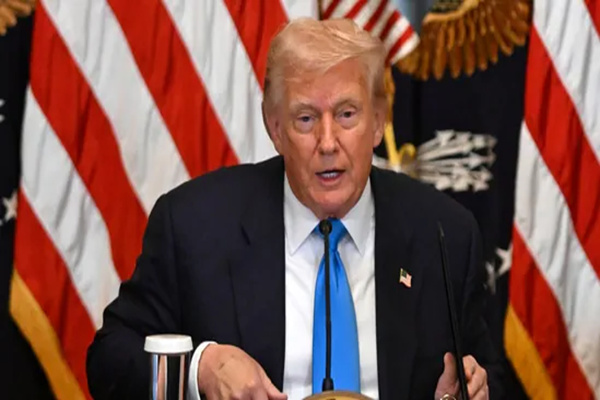
US President Donald Trump on Monday filed a lawsuit seeking at least $10 billion from the BBC over a documentary that allegedly misrepresented his 2021 speech to supporters ahead of the US Capitol riot. The lawsuit, filed in federal court in Miami, demands “damages in an amount not less than $5,000,000,000” for each of two counts against the broadcaster, citing defamation and violation of the Florida Deceptive and Unfair Trade Practices Act. Earlier on Monday, Trump, 79, had indicated that the lawsuit was imminent, claiming the BBC had “put words in my mouth,” suggesting they might have even used AI. The documentary aired last year on the BBC’s flagship current affairs program, “Panorama,” prior to the 2024 election. According to Trump’s legal team, the video edited two separate sections of his January 6, 2021 speech in a way that made it appear he explicitly urged supporters to attack the Capitol while lawmakers were certifying Joe Biden’s 2020 election victory. “The formerly respected BBC defamed President Trump by intentionally, maliciously, and deceptively doctoring his speech in a brazen attempt to interfere in the 2024 Presidential Election,” a spokesperson for Trump’s lawyers said. The statement also claimed the broadcaster “has a long pattern of deceiving its audience in coverage of President Trump, all in service of its own political agenda.” The BBC, whose audience spans far beyond the United Kingdom, faced renewed scrutiny last month after media reports highlighted the edited clip, prompting the resignation of its director-general and top news executive. Trump’s lawsuit asserts that the fabricated segment was aired one week before the 2024 Presidential Election in an attempt to influence the election outcome to his detriment. The BBC has denied the claims of legal defamation, though BBC chairman Samir Shah issued a letter of apology to Trump and acknowledged before a UK parliamentary committee that the broadcaster should have acted sooner after discovering the error. This lawsuit is the latest in a series of legal actions Trump has pursued against media organizations, several of which have previously resulted in multi-million-dollar settlements.    

elon-musk-10th-Annual-Breakthrough-Prize-Ceremony-13-April-2024_BLU_A93774470.jpg

2min2880
Elon Musk has become the first person ever to surpass a net worth of $600 billion, with Forbes estimating his wealth at $677 billion as of 12 p.m. U.S. Eastern Time on Monday. The jump in Musk’s fortune was largely driven by a sharp increase in the valuation of his private space company, SpaceX. Earlier this month, SpaceX completed a tender offer valuing the company at $800 billion, up from $400 billion in August, according to investors. Musk owns roughly 42% of SpaceX, meaning the higher valuation added around $168 billion to his net worth. The tender offer comes as SpaceX prepares for a potential IPO in 2026, which could value the company at about $1.5 trillion, potentially making Musk the world’s first trillionaire, even without factoring in his other holdings. Forbes estimates that SpaceX, at $336 billion, is Musk’s most valuable asset, surpassing his 12% stake in Tesla, worth approximately $197 billion. Tesla stock options from his 2018 CEO performance award, previously voided by a Delaware judge in January 2024, are currently valued at $69 billion, pending the outcome of Musk’s appeal to the Delaware Supreme Court. Musk’s AI venture, xAI Holdings, also contributes significantly to his wealth. The company is reportedly raising funds at a $230 billion valuation, more than double the $113 billion valuation cited when xAI was formed in March through its merger with Musk’s social media company X. Musk owns 53% of xAI Holdings, valued at about $60 billion. With an estimated $425 billion lead over the world’s second-richest person, Google co-founder Larry Page, Musk is closer to reaching $700 billion than losing his position as the world’s richest individual.  

US-VISA.webp

2min7140
The United States Embassy in Abuja has warned Nigerians about the serious repercussions of visa fraud, stressing that providing false information or submitting forged documents can result in permanent visa bans. In a post on X on Monday, the embassy stated: “Visa fraud has serious consequences. Lying or providing fake documents can lead to permanent visa bans under US immigration law. This means you will never go.” The advisory came alongside a meeting between US Ambassador Richard Mills and Nigerian Foreign Minister Yusuf Tuggar, during which both officials discussed areas of bilateral cooperation. “The United States looks forward to continuing to work together with Nigeria on issues of mutual concern,” the embassy added. The discussions also took place amid heightened diplomatic focus on Nigeria’s internal security challenges. In recent months, some US lawmakers have described attacks on communities—particularly in the North and Middle Belt—as serious violations of religious freedom, calling for stronger collaboration between the US and Nigerian governments to protect vulnerable populations.

Nailbitebad.jpg

8min3900
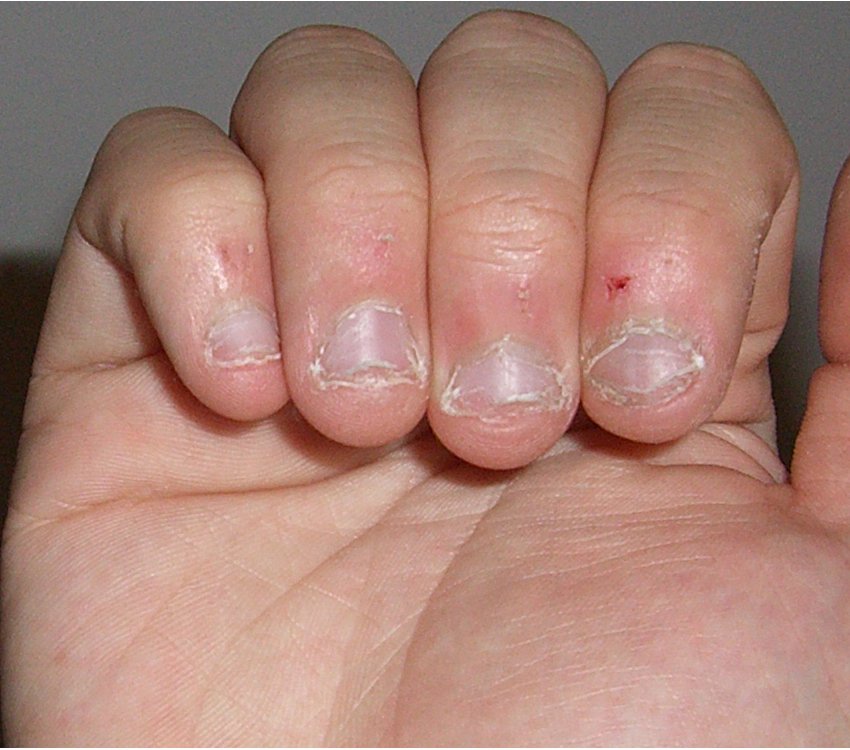
Health experts have cautioned that people who habitually bite their fingernails face a higher risk of stomach and gut infections, dental problems, and permanent damage to their nails. According to medical professionals, the habit—known clinically as onychophagia—creates a direct route for bacteria, viruses, and parasites to enter the body. Fingernails often trap germs that routine handwashing may not completely remove, making nail biting a significant health risk. The experts explained that persistent nail biting can lead to long-term complications, including damage to tooth enamel, jaw disorders, gum disease, and irreversible nail deformities. They advised individuals who struggle with the habit to consider behavioural modification techniques. Research shows that nail biting and nail trimming with the teeth are common behaviours among both children and adults, often done unconsciously without awareness of the associated health dangers. The American Academy of Dermatology Association notes that nail biting typically begins in childhood and can persist into adulthood if deliberate efforts are not made to stop. The association also warns that repeated nail biting can damage the nail growth tissue, resulting in abnormal nail appearance, while facilitating the transfer of harmful microbes from the fingers to the mouth and back again. Medical findings indicate that fingernails can harbour numerous strains of bacteria and parasites, increasing the risk of infections, diarrhoea, and food contamination—especially among individuals who keep long nails or eat with their hands. Health professionals have also warned parents against using their teeth to trim infants’ fingernails, describing the practice as unhygienic and capable of exposing babies to infections. Speaking on the issue, public health physician Dr Tuyi Mebawondu explained that nail biting is more than a bad habit, noting that it is classified as a Body-Focused Repetitive Behaviour and affects up to 30 per cent of the population. He said the behaviour often begins in early childhood and may persist into adulthood. Dr Mebawondu noted that while stress is a common trigger, studies suggest nail biting can also occur during boredom or intense concentration. Because the hands constantly interact with the environment, he explained that nail biting acts as a direct pathway for germs to enter the body through the hand-to-mouth route. He warned that nails trap dirt, bacteria, and viruses that may escape routine handwashing, and biting them transfers these germs directly into the digestive system. As a result, habitual nail biters are more likely to ingest harmful bacteria such as E. coli and Salmonella, which can cause diarrhoea, vomiting, and stomach infections. In some cases, parasites like pinworms may also be swallowed. The physician further identified paronychia—a bacterial or fungal infection of the skin around the nail—as a common complication, often causing redness, swelling, pain, and pus that may require medical treatment. He also warned that nail biting can spread viral infections, such as transferring warts caused by the human papillomavirus to the mouth, or spreading the herpes virus between the mouth and fingers, leading to painful conditions like herpetic whitlow. Beyond infections, Dr Mebawondu explained that chronic nail biting can cause lasting damage to teeth and nails. The repeated grinding of teeth against hard nails can chip enamel, misalign teeth, and strain the jaw joint, potentially resulting in temporomandibular joint dysfunction marked by pain and clicking sounds. Sharp nail fragments can also injure the gums, leading to inflammation or infection. He added that severe nail biting can damage the nail matrix—the root where the nail grows—causing permanent nail abnormalities such as ridges, bumps, shortening, or deformity. On the psychological aspect, the physician noted that while nail biting may simply be a boredom-related habit for some people, it can also be linked to emotional regulation and attention control. He said there is a strong association between nail biting and Attention Deficit Hyperactivity Disorder, as the behaviour may provide sensory stimulation that aids concentration. It is also recognised as a coping mechanism for anxiety or social stress, and in some cases, has links to conditions such as separation anxiety, oppositional defiant disorder, or, rarely, obsessive-compulsive disorder. Dr Mebawondu advised against punishing or shaming individuals who bite their nails, stating that such approaches are usually ineffective. Instead, he recommended identifying personal triggers by keeping a simple log of when and why the behaviour occurs. He suggested Habit Reversal Training, where individuals replace nail biting with a competing action such as clenching fists, squeezing a stress ball, or sitting on their hands when the urge arises. Other strategies include using bitter-tasting nail polish, wearing gloves or bandages during high-risk periods, and keeping nails neatly trimmed to reduce temptation. He emphasised that effective management should involve healthcare professionals, parental support where applicable, and a supportive environment. In a related view, public health expert Dr Michael Olugbile warned that keeping long nails increases the likelihood of harbouring harmful microbes, which can easily contaminate food and lead to infections—especially in people with weakened immune systems. He stressed the importance of proper hand hygiene and good nail care as simple but effective measures to reduce exposure to disease-causing organisms.


us-Riley-Moore.jpg

4min4300
The Convener of The Alternative, Otunba Segun Showunmi, has cited comments by United States Congressman Riley Moore, warning that Nigeria’s Presidency may be downplaying the seriousness of the country’s worsening security situation, particularly in the North, and that existing measures are inadequate. According to Showunmi, Moore stressed the importance of Nigeria being open and forthright with the United States in addressing its deepening security and humanitarian challenges. Showunmi disclosed this after a high-level engagement with senior U.S. lawmakers in the United States, including Congressman Moore, who is actively involved in congressional discussions on Nigeria’s security concerns. Speaking in Jos on Sunday after the meeting, he said the United States now views Nigeria’s internal crisis with exceptional seriousness, describing Washington’s stance as firm, focused, and deeply concerned. He explained that U.S. authorities have held extensive consultations with government officials and civil society actors both in Washington and Nigeria. Their assessment, he said, is that the situation in several areas—especially Benue, Plateau, Southern Kaduna, the Middle Belt, and parts of the North, including moderate Muslim communities—has gone beyond routine security challenges. Showunmi noted that the humanitarian consequences of the violence have attracted significant international attention, with the United States increasingly viewing the situation not as a political disagreement but as a structural crisis with wide-ranging implications. While the U.S. is willing to support Nigeria, he said it expects genuine commitment and seriousness from the government. He added that American officials are uninterested in political spin, denial, or internal blame-shifting, and are instead looking for clear, decisive actions taken within Nigeria. Showunmi expressed concern that the Nigerian Presidency may be underestimating the depth of the crisis, cautioning that the current approach risks widening the gap between official narratives and the lived experiences of citizens. He warned that inconsistencies in government communication are becoming more visible internationally, posing the danger of Nigeria losing control of its own narrative. He further highlighted internal issues weakening national credibility, including fragmented messaging, evasion of responsibility, rising ethnic rhetoric, and inconsistent communication, all of which he said are eroding public trust and damaging Nigeria’s image abroad. The convener called on the government to urgently review its communication strategy by adopting a unified national voice, openly acknowledging the crisis, clearly outlining its response strategy, and reducing internal political distractions. This, he said, is essential to prevent misinformation from shaping international perceptions of Nigeria. “If we lose control of both the narrative and the reality on the ground continues to worsen, external actors will define Nigeria’s situation for us,” he warned. While expressing faith in divine protection over the country, Showunmi emphasised that faith must be matched with responsibility, describing the current moment as more critical than many realise. He called for unity, clarity, and decisive action in confronting Nigeria’s security and humanitarian challenges.

Tinubu-1280x731.webp

4min1890
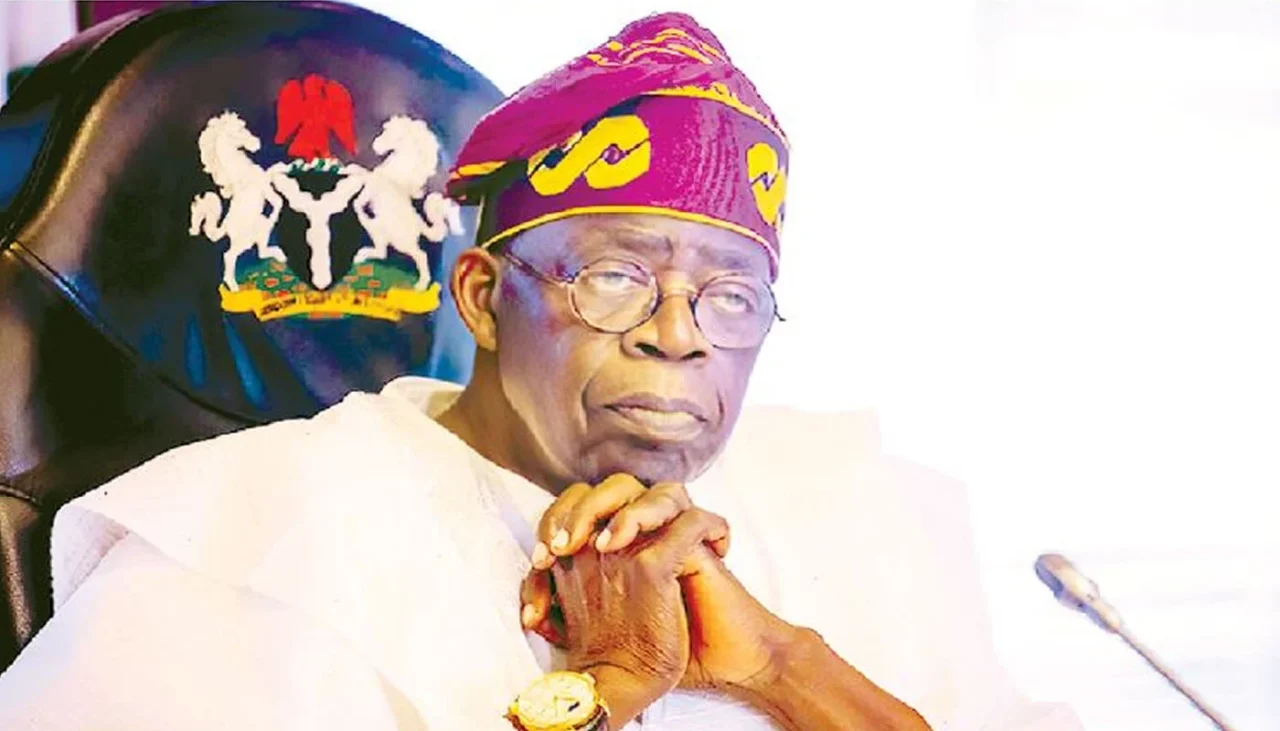
President Bola Tinubu on Monday evening held a closed-door meeting with the nation’s Service Chiefs at the Presidential Villa, Aso Rock, Abuja. The meeting commenced at about 6:01 pm, with the security chiefs arriving at the Villa’s forecourt before proceeding to the President’s office. It was Tinubu’s first engagement with the military high command since the swearing-in of General Christopher Musa (retd.) as Minister of Defence on December 4, 2025. Although details of the discussions were not made public, the meeting took place against the backdrop of growing security challenges nationwide. These include the continued captivity of 115 students abducted from a Catholic boarding school in November, as well as the Senate’s recent approval for the deployment of Nigerian troops to Benin Republic following an attempted coup. The meeting also coincided with intensified military operations, particularly a precision air interdiction mission carried out by the Nigerian Air Force on December 14, 2025, at Dabar Masara in the Southern Tumbuns of Borno State. The operation, executed by the Air Component of Joint Task Force Operation HADIN KAI, targeted a terrorist workshop and vehicles concealed under thick vegetation and identified as a major logistics hub. According to the Director of Public Relations and Information of the Nigerian Air Force, Air Commodore Ehimen Ejodame, post-strike assessments confirmed the destruction of the targeted vehicles and the neutralisation of terrorist elements. He noted that intelligence-led precision air operations remain vital to disrupting terrorist networks and improving security across the North-East. The Southern Tumbuns, a marshland area around Lake Chad, has long served as a key hideout for terrorist groups, with combined air and ground operations ongoing to weaken insurgent capacity. Meanwhile, troops of Joint Task Force Operation Enduring Peace recorded significant successes during operations conducted in Kaduna and Plateau states between December 11 and 13, 2025. The JTF spokesperson, Major Samson Zhakom, disclosed that several kidnappers were neutralised and multiple abducted victims rescued during the period. On December 11, troops carried out clearance operations in Dangoma and Godogodo villages in Jema’a Local Government Area of Kaduna State, eliminating three notorious kidnappers, while others escaped. On December 12, a covert operation in Plateau State led to the neutralisation of a suspected kidnapper and gunrunner linked to multiple crimes in Bassa and Jos North local government areas. Recovered items included a pistol, ammunition, a dagger, a mobile phone, and cash. On December 13, troops acted on intelligence about a planned attack in Gidan-Saki Village, Zangon Kataf LGA of Kaduna State, forcing the criminals to abandon their plan. Later that day, an ambush in Jengre, Plateau State, following the abduction of four persons at Rimi Village in Jere District, resulted in the rescue of all victims and the neutralisation of one kidnapper. An AK-47 rifle, a magazine, and 13 rounds of 7.62mm ammunition were recovered. Major Zhakom reaffirmed the task force’s resolve to maintain sustained operations against criminal groups and ensure the safety of residents within its areas of responsibility.

Dangote-Refinery.jpg

2min5530
Nigerian billionaire Aliko Dangote, President of the Dangote Group, has said that Donald Trump is “more than happy” with the operations of the Dangote Refinery. Dangote rejected claims of US opposition, explaining that rather than being a rival, the United States is a major supplier of crude oil to the refinery and a key beneficiary due to the scale of trade involved. Speaking on Sunday at a press briefing at the Dangote Petroleum Refinery in Lekki, Lagos State, he said the refinery still relies on crude oil imports from Ghana and other countries because domestic production is insufficient. “Nigeria is not producing enough crude to meet our needs, so we buy from Ghana, a few other African countries, and also from the U.S.,” Dangote explained. He stressed that the United States is a significant supplier of crude oil to Nigeria and dismissed claims that former President Trump is dissatisfied with the refinery or its funding arrangements. “The U.S. has been one of our major crude suppliers. So when people say Trump is unhappy with our refinery, it’s not true. He is more than happy because of the scale of business involved,” Dangote said. He added that Nigeria imports at least 100 million barrels of crude oil from the U.S. annually, a figure that could rise to around 200 million barrels if supply is doubled. Dangote also noted that Nigeria exports aviation fuel and gasoline to the U.S., highlighting the mutually beneficial nature of the trade relationship.

nuccc.jpg

4min2710
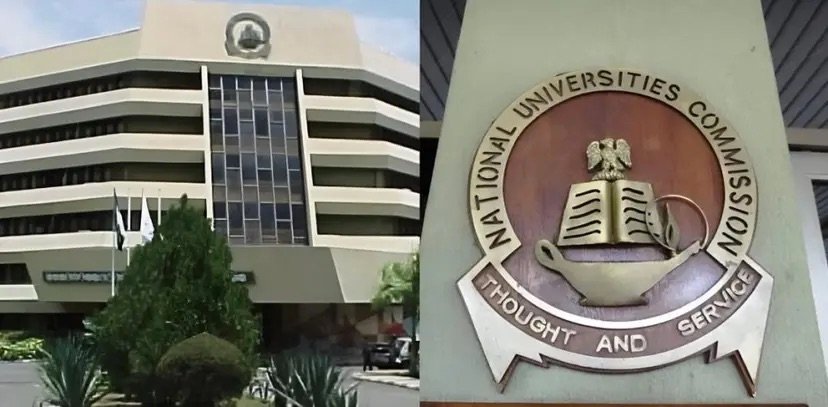
The National Universities Commission (NUC) has lifted the ban on the establishment and operation of foreign universities in Nigeria. NUC Ex ecutive Secretary, Professor Abdulahi Yusufu Ribadu, announced the decision over the weekend during the 10th Convocation of Gregory University, Uturu (GUU) in Abia State, stating that the move aims to attract foreign direct investment into the education sector and enhance the global competitiveness of Nigerian universities. Represented by Offor Chukwuemeka, Prof. Ribadu highlighted that the Commission has implemented broad reforms to ensure graduates from Nigerian universities are globally competitive. He explained that partnerships with foreign institutions can now take place through six models: franchise, branch campus, twinning/articulation, open and distance learning (ODL), acquisition, and teaching institutions. Prof. Ribadu also noted that NUC has introduced a governance code for private universities to standardise operations and embarked on curriculum re-engineering, shifting from Benchmark Minimum Academic Standards (BMAS) to Core Curriculum and Minimum Academic Standards (CCMAS). Under the new framework, 70% of core courses are provided by NUC and mandatory for graduation, while universities retain 30% flexibility to tailor courses to their unique strengths. The reforms aim to equip students with 21st-century employability skills, and NUC commended GUU’s management for its contributions to advancing education in Nigeria. In his remarks, Governor Alex Otti praised Professor Gregory Ibe, founder of GUU, for establishing an institution that has positively impacted many lives. Represented by the Commissioner for Tertiary Education, Professor Uche Eme Uche, Otti reaffirmed his commitment to driving educational development in the state. The Vice Chancellor of GUU, Professor Cele Njoku, said the university has grown from three to 12 colleges with over 53 departments in 13 years. She added that all eight courses submitted to NUC in 2024 received full accreditation, and new programs, including Artificial Intelligence (AI) and major foreign languages, have been introduced. The VC urged graduates to serve as ambassadors of the institution. Founder Professor Gregory Ibe, represented by the Pro-Chancellor, Professor Augustine Uwakwe, reiterated his vision of providing accessible, quality education. He expressed pride in the students’ achievements and encouraged graduates to contribute solutions to societal challenges. The overall best graduating student, Master Onyechere Chinedum Yadirichukwu, who earned a 4.91 CGPA, dedicated his achievement to his parents and emphasized the need to build the Nigeria they envision. Honorary doctorate degrees were awarded to former Enugu State Governor Ifeanyi Ugwuanyi, the Chairman of the Abia State Council of Traditional Rulers, HRM Eze Linus Nto Mba, and Dr. Okenze Sylvester Obinna, Chairman of the Manufacturers Association of Nigeria, Imo State.

parrtty.jpg

3min2750
Prominent opposition leaders have sounded the alarm over what they describe as a deliberate effort by President Bola Ahmed Tinubu’s administration to weaken Nigeria’s multi-party democracy through the politicisation of anti-corruption agencies. In a joint statement released on Sunday, the leaders accused the Federal Government of using institutions such as the Economic and Financial Crimes Commission (EFCC), the Nigeria Police, and the Independent Corrupt Practices and Other Related Offences Commission (ICPC) to intimidate and target political opponents under the guise of fighting corruption. The statement was signed by former Vice President Atiku Abubakar; former Senate President and African Democratic Congress (ADC) National Chairman, Senator David Mark; Labour Party’s 2023 presidential candidate, Peter Obi; former Edo State Governor, Chief John Odigie-Oyegun; former PDP Deputy National Chairman (South), Chief Olabode George; and former Minister of State for Defence, Mallam Lawal Batagarawa. They warned that Nigeria is at risk of drifting toward a one-party state, alleging that opposition governors and political leaders are being pressured by anti-graft agencies to defect to the ruling All Progressives Congress (APC). “State power is being deployed not for a genuine fight against corruption, but for the systematic persecution of perceived political opponents ahead of the 2027 general election,” the statement said. The opposition figures accused the EFCC of selective enforcement, claiming that while opposition figures are subjected to aggressive investigations and media trials, allegations against ruling party members are ignored or quietly dropped. They pointed to public perceptions of unequal justice, including previous statements attributed to a former APC national chairman suggesting that defectors’ “sins are forgiven,” arguing that such narratives have eroded public trust in anti-corruption institutions. The leaders called for an independent review of federal, state, and local government accounts from 2015 to 2025 to expose selective prosecution and restore confidence in anti-graft efforts. They also proposed embedding anti-corruption operatives within government payment systems to prevent financial crimes and amending the EFCC Act to strengthen the agency’s independence and preventive mandate. Finally, the leaders urged Nigerians to remain vigilant in defending the country’s democratic space, warning that unchecked political injustice could threaten national stability.

tinubo56.webp

7min5790
President Bola Tinubu on Sunday called on West African leaders to unite against renewed threats to democracy, pointing to the recent attempted coup in Benin Republic and fresh political instability in Guinea-Bissau. Tinubu, who was represented by Vice President Kashim Shettima, made the call while delivering the opening address at the 68th Ordinary Session of the ECOWAS Heads of State and Government held at the State House in Abuja. His remarks came as Chabi Yayi, son of former Beninese president and current opposition leader Thomas Boni Yayi, was arrested at his residence early Sunday, according to relatives. No official reason was given for the arrest, which followed the foiled coup attempt in Benin a week earlier. Family members and associates said it was unclear whether the arrest was linked to the incident. Since the December 7 coup attempt, several arrests have been made in Benin, including that of former defence minister and prominent opposition figure Candide Azannai, who was detained on allegations of conspiracy against the state and incitement to rebellion. Authorities have also issued an international arrest warrant for pan-Africanist activist Kemi Seba, who responded defiantly in a video message on Sunday. Addressing leaders at the ECOWAS meeting, Tinubu said the region faced mounting external and internal threats that required collective action. He listed terrorism, violent extremism, unconstitutional changes of government, organised crime, arms proliferation, cyber insecurity, climate shocks, food insecurity and irregular migration as key challenges confronting West Africa. He warned that the region was most vulnerable not from external pressure but from internal divisions, stressing that ECOWAS is bound by shared history, culture and collective aspirations. According to him, persuasion, solidarity and dialogue—not force—should guide the bloc through its current difficulties. Tinubu noted that recent disagreements had strained regional unity but emphasised that ECOWAS can only succeed when member states uphold justice, fairness and democratic values within their borders. He urged leaders to speak with one voice on security, governance and economic issues, arguing that no country could achieve lasting stability in isolation. The meeting comes after years of turbulence in the region, marked by coups in Mali, Burkina Faso and Niger, which eventually led to the withdrawal of Niger, Mali and Burkina Faso from ECOWAS in early 2024. More recent concerns include the attempted coup in Benin on December 7, 2025, and renewed unrest in Guinea-Bissau, previously described by former Nigerian President Goodluck Jonathan as a “ceremonial coup.” Following the Benin incident, Tinubu approved the deployment of Nigerian jets and troops at the request of the Beninese government. The Nigerian Senate later endorsed the decision, authorising the deployment of troops to help restore stability. Benin’s foreign ministry has since confirmed that about 200 West African soldiers, mainly from Nigeria and Côte d’Ivoire, are supporting the country’s security efforts. ECOWAS Chair and Sierra Leonean President Julius Maada Bio praised the swift regional response, condemning unconstitutional power grabs and warning that instability in one country threatens the entire region. He reaffirmed ECOWAS’ zero tolerance for coups and commended Nigeria’s leadership role in the Benin intervention. Bio described the current moment as critical for the 50-year-old regional bloc, citing the spread of terrorism, violent extremism and organised crime. He outlined plans to operationalise the ECOWAS Standby Force for counter-terrorism, supported by a sustainable financing framework, with efforts underway to raise a 1,650-strong counter-terrorism brigade by the end of 2026. Beyond security, Bio called for deeper economic integration to strengthen democracy and public trust. He highlighted progress toward a single ECOWAS currency by 2027 and announced plans to reduce the cost of air travel across West Africa from January 1, 2026, including the removal of air transport taxes and a 25 per cent reduction in passenger and security charges. President of the ECOWAS Commission, Dr Omar Touray, also praised the bloc’s coordinated political and military response in foiling the Benin coup attempt. He noted that ECOWAS leaders had demonstrated both moral and military resolve in defending constitutional order. Touray said the Authority would take key decisions beyond routine matters as it confronts shifting global dynamics, security pressures and challenges to multilateralism that could affect the bloc’s Vision 2050 goals. He stressed the need to revitalise regional integration in light of changing geopolitical realities. He also announced the launch of the ECOWAS Business Council to strengthen private sector participation in regional integration, revealing that industrialist Aliko Dangote had accepted to serve as its pioneer chair. The council, he said, would serve as a platform for government–business dialogue and support regional investment, with plans for a West African economic investment summit in the future. Sunday’s session was described as a special debate focused on the future direction of the ECOWAS community.