
Author: Lifestyle & Wellness Desk

Ogun-map.webp

4min1510
Ogun State has secured a $400,000 healthcare leadership award after finishing as first runner-up in the South-West zone at the third edition of the Primary Health Care Leadership Challenge Award organised by the Nigeria Governors’ Forum. The award, which carries a $400,000 cash prize, aims to promote excellence, accountability and innovation in primary healthcare delivery across Nigeria. Commenting on the achievement, the Commissioner for Health, Dr Tomi Coker, described the recognition as an affirmation of the targeted investments and reforms introduced by the administration of Governor Dapo Abiodun, particularly within the primary healthcare sector. She said the government’s emphasis on strengthening healthcare at the grassroots had led to notable improvements in service delivery across the state, adding that Ogun’s performance reflected a strong commitment to the health and wellbeing of its people. “This award is dedicated to our hardworking governor, His Excellency Prince Dapo Abiodun, whose strategic health sector reforms have prioritised access to quality healthcare, especially at the primary level,” Coker stated. According to her, the rehabilitation, upgrading and equipping of primary healthcare centres across the state’s 20 local government areas have contributed to significant gains in maternal, newborn and child health outcomes. She also noted that the state had invested heavily in human capital through the recruitment and continuous training of doctors, nurses, midwives and community health workers to deliver efficient and patient-focused care. In addition, she said the expansion of the Ogun State Health Insurance Scheme had helped reduce out-of-pocket expenses while improving access to affordable healthcare, particularly for vulnerable and underserved groups. Coker added that the NGF-backed award would further motivate the state to sustain ongoing reforms and deepen investments geared towards achieving universal health coverage. In a separate remark, the Executive Secretary of the Ogun State Primary Health Care Development Board, Dr Elijah Ogunsola, said the honour reflected strong leadership, effective coordination and teamwork across the state’s primary healthcare system. He explained that the board had implemented key initiatives to revitalise primary healthcare centres, strengthen disease surveillance, improve routine immunisation and enhance community participation across the state. Ogunsola added that improvements in key health indicators were driven by data-informed planning, robust monitoring mechanisms, collaboration with local government chairmen and partnerships with development agencies and other stakeholders. The Primary Health Care Leadership Challenge Award recognises states that demonstrate innovation, accountability and political commitment to strengthening primary healthcare nationwide. Ogun State’s zonal runner-up position and accompanying $400,000 prize further underscore its growing profile as a model for sub-national leadership in healthcare delivery under the Abiodun administration.  
colonia-abuse.webp

3min1950
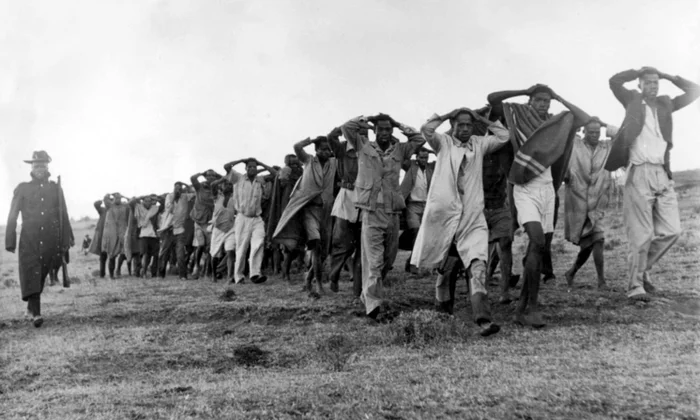
Fresh details have emerged on plans by a number of African leaders to pursue compensation from the United Kingdom over abuses committed during the colonial era. The initiative gained renewed momentum at a recent high-level meeting in Algiers, where African policymakers convened to develop a coordinated legal and diplomatic framework for seeking reparations from former colonial powers, with Britain identified as a key focus. Participants at the conference agreed that colonial-era violations must be formally acknowledged, treated as crimes, and addressed through reparative justice mechanisms. The discussions underscored a growing push for a united continental approach to reparations and historical accountability. The move builds on a resolution adopted earlier this year by the African Union, which calls for justice and compensation for victims of colonialism across Africa. At the AU summit held in February, leaders proposed designating colonisation as a crime against humanity and crafting a common continental position to advance reparation claims. Nigeria has taken a prominent role in the effort. In September, Senator Ned Nwoko submitted a formal claim to the British government, demanding $55 trillion in reparations for the economic, social and cultural damage Nigeria suffered under British colonial rule. The British government, however, has repeatedly rejected calls for colonial reparations. UK officials have described such demands as hypocritical and have maintained that Britain prefers to concentrate on contemporary partnerships with African countries rather than accept legal responsibility for historical actions. The campaign has also been fuelled by renewed public debate following the release of a documentary titled From Slavery to Bond, which examines the legacy of the British Empire. The film argues that colonial practices such as resource exploitation, imposed borders and cultural dispossession contributed significantly to many of Africa’s present-day political and economic challenges. Going forward, African leaders are expected to focus on aligning historical evidence, strengthening legal arguments and reaching consensus on the scale and structure of compensation claims.

aa-8.webp

2min1780
The Nigerian Education Loan Fund (NELFUND) has said the N100bn annual scholarship programme introduced by the Aliko Dangote Foundation will significantly improve access to education financing in Nigeria. In a statement issued on Saturday by its Director of Strategic Communications, Oseyemi Oluwatuyi, NELFUND described the initiative as a strong example of private-sector collaboration in support of President Bola Tinubu’s Renewed Hope Agenda and efforts to expand access to quality education. The scholarship scheme was unveiled in Lagos in the presence of Vice President Kashim Shettima, who represented the President. According to the statement, the Managing Director of NELFUND, Akintunde Sawyerr, commended the President for encouraging partnerships that strengthen the education sector. He said the Dangote Foundation’s annual N100bn commitment aligns with the administration’s goal of removing financial barriers for students and developing future Nigerian talent. Sawyerr noted that the 10-year programme, which targets public secondary schools, public tertiary institutions and includes a strong focus on science, technology, engineering and mathematics (STEM), would complement national efforts to broaden access to education funding. He also expressed NELFUND’s readiness to work with the Dangote Foundation and relevant government agencies to ensure transparency, efficiency and wide-reaching impact. He added that the fund remains committed to ensuring that financial constraints do not prevent Nigerians from accessing education. NELFUND further stressed the importance of collaboration among government, the private sector and development partners in building a more inclusive and resilient education system. The N100bn annual scholarship scheme, unveiled on December 11, 2025, is expected to begin in 2026. It will start with 45,000 beneficiaries and expand to about 155,000 scholars annually by its fourth year, with a projected reach of approximately 1.3 million students across the country over its lifespan. A key component of the programme is the Aliko Dangote STEM Scholars initiative, which will support 30,000 undergraduate students each year in public universities and polytechnics.

aa-3.jpeg

2min4010
The Chairman of the Presidential Committee on Fiscal Policy and Tax Reforms, Taiwo Oyedele, has said that banks will be mandated to request a Tax Identification Number (TIN) from all taxable Nigerians under the federal government’s new tax administration framework, which becomes effective on January 1, 2026. Oyedele made this known in an interview shared on his X account on Thursday. He explained that Section 4 of the Nigerian Tax Administration Act (NTAA), which takes effect next year, makes it compulsory for all taxable persons to possess a tax ID. However, he stressed that the directive does not affect students or dependents, who are exempt from needing a tax ID to keep or operate a bank account. According to him, the requirement is not entirely new, as it was first introduced under the 2020 Finance Act, but the NTAA now provides the legal framework necessary for full enforcement. He added that individuals and businesses already assigned TINs will not need to apply for new tax IDs. “Yes, but with some exemptions. A section of the NTAA requires a taxable person to register and obtain a tax ID,” he said. “A taxable person is anyone who earns income through trade, business, or any economic activity. So banks must request a tax ID from taxable persons. This means that individuals who do not earn income, such as students and dependents, do not need to obtain a tax ID. “Any taxable entity without a tax ID may have difficulty running their bank account in the near future,” he added. The clarification follows rising public concern that bank accounts without a tax ID might soon face limitations. President Bola Tinubu signed the new tax laws in June 2025, with implementation scheduled for January 2026.

aa-7.webp

2min1910
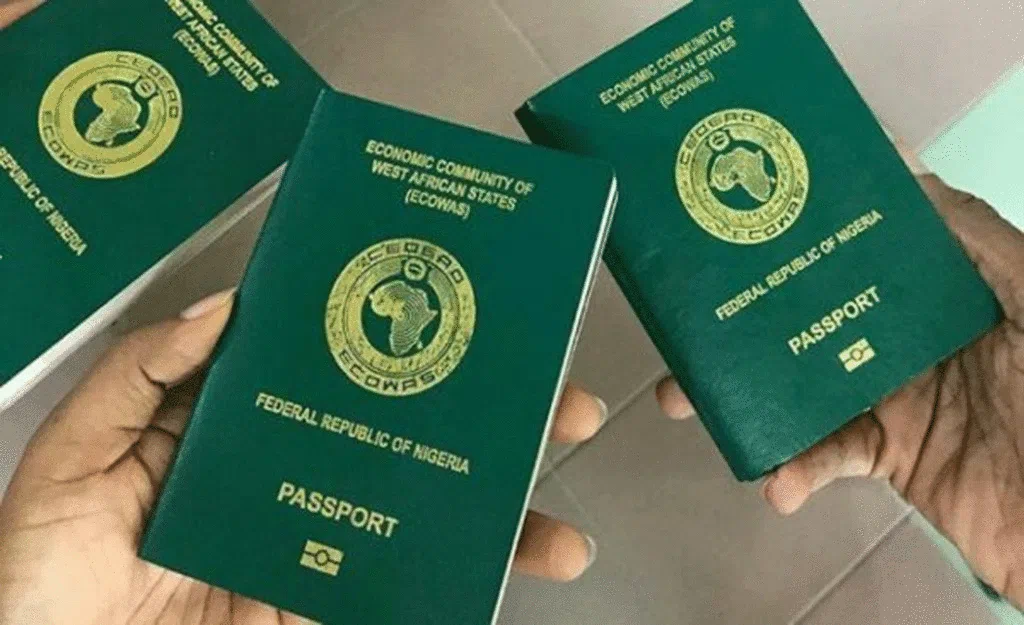
The Nigeria Immigration Service (NIS) has notified the public that its Passport Digital Platform will experience temporary disruptions due to scheduled routine maintenance. According to the service, the maintenance exercise will run from 12:00 a.m. on 12 December to 6:00 a.m. on 14 December 2025 (GMT). The announcement was contained in a public notice shared on its X handle on Friday and signed by the Public Relations Officer, ACI AS Akinlabi. The statement explained that the maintenance is intended to boost system efficiency and enhance user experience. “The Nigeria Immigration Service wishes to inform the general public that it is carrying out routine maintenance on its Passport Digital Platform to enhance system performance and overall user experience. “During this period, users will experience temporary service interruptions, slow response times, or limited access to selected NIS Passport Services,” it said. The NIS appealed for patience, stressing that the exercise is crucial to ensuring a secure and efficient digital passport environment. “Our technical teams are working round the clock to ensure full service restoration within the stated timeframe,” the notice added. The service also advised users who require support during the maintenance window to reach out via email at support@immigration.gov.ng or through its official social media channels. In a related update, the NIS announced on Tuesday that it had activated temporary complaint-response channels on social media following the takedown of its support accounts. The new platforms were introduced to ensure continuous communication with applicants facing challenges with passport and visa applications. Affected individuals can now lodge complaints through the temporary X handles @InquireAtNaija, @nigimmigration, and @InquireAtNaija_, as well as via Instagram.

ai-classroom.jpg

4min1850
Schools across the UK are experimenting with AI-powered teachers and even hiring remote staff to deliver lessons from hundreds of miles away. The move comes as artificial intelligence becomes increasingly integrated into education, with the government highlighting its potential to transform learning and reduce administrative burdens for teachers. Educators and school leaders remain divided on the impact of these technologies. Emily Cooke, a maths teacher at The Valley Leadership Academy in Lancashire, strongly opposes the school’s use of a virtual maths teacher. “Will a virtual teacher celebrate achievements with students in person or provide the same support in everyday school life?” she questioned. Since September, top-set pupils in Years 9, 10, and 11 have been taught by the remote teacher based 300 miles away in Devon. Teachers at the school have staged strikes over the initiative. The school maintains it is a “small-scale initiative,” but the National Education Union (NEU) has called it “unacceptable.” Cooke argues that the teacher-student relationship, which is essential for learning, cannot be replicated through a screen. In contrast, at other academies, AI is being used to support staff rather than replace them. Shane Ierston, CEO of Great Schools Trust, says AI helps free teachers’ time so they can focus on character-building, leadership, and resilience in students. Teachers can already use AI to mark assessments and mock exams more accurately. AI tools can identify gaps in learning and provide tailored lesson plans. After marking, an AI-generated video offers personalised feedback for each pupil. The trust plans to trial the system further this year and gather input from staff, students, and parents. Ierston describes the technology as a “leveller,” ensuring every child receives personalised support while teachers remain in the classroom to guide learning. Deepfake and AI tools will also help absent students catch up and translate messages for parents in 46 languages spoken across the schools. “There will always be concern about change, but we want to lead it rather than leave it to Silicon Valley,” he said. Some parents, like Nicola Burrows, are cautiously optimistic. Her daughter, Lucy, in Year 11, could benefit from AI-driven personalised feedback. Burrows says parental involvement is essential to address concerns about safety and efficacy. Parents, however, remain sceptical. Frank Young, chief policy officer at Parentkind, a national parents’ charity, said only 12% of parents support AI in the classroom, though he believes acceptance will grow with proper guidance on safety and benefits. While there are no official statistics on AI use in schools, Ofsted is collecting evidence. A Teacher Tapp survey found that AI use by teachers rose from 31% in October 2024 to 58% by October 2025. Oak National Academy reports over 40,000 teachers have used its experimental AI lesson-planning tool since its launch last September. At The Valley, Cooke insists online lessons cannot replace face-to-face teaching and warns of widening learning gaps from COVID-era remote teaching. A school spokesperson said remote teaching is “structured, supported, and takes place in school” and is designed to address shortages of specialist maths teachers. Three virtual teachers are currently deployed in situations where high-quality subject specialists are difficult to recruit. The Department for Education emphasises that technology must enhance, not replace, critical thinking and creativity in learning. Meanwhile, NEU general secretary Daniel Kebede reaffirmed the union’s opposition to remote teaching, declaring they will “never tolerate the imposition of a virtual teacher.” The trust managing The Valley says it remains committed to working with the union to resolve the matter.

aso-rockk.webp

4min2550
Experts in international relations and political science have urged the Federal Government to exercise caution in seeking support from the United States in Nigeria’s fight against terrorism. The advice came during a roundtable on Wednesday at the Nigerian Institute of International Affairs (NIIA), Lagos, themed “Nigeria–USA Relations: Matters Arising.” Participants included Prof. Femi Otubanjo, Prof. Hassan Saliu, Prof. Funke Okoome, Prof. Jibo Ibrahim, Prof. Dapo Thomas, Magnus Onyibe, Prof. Adele Jinadu, and Prof. Eghosa Osaghae. The scholars acknowledged the importance of engagement with the US but warned that foreign assistance is not always altruistic. Prof. Funke Okoome, a political science expert, noted that the US is likely motivated by strategic and business interests. She stressed that Nigeria should prioritise national interest in negotiations and not rely solely on foreign intervention. Okoome added that the government has historically delayed fulfilling its core security responsibilities until prompted by external actors. “Weak countries like ours can work with stronger nations, but we must recognise there is no magnanimity. The US operates transactionally,” she said. Prof. Dapo Thomas highlighted Nigeria’s failure to maintain a standing committee on US relations, noting that it was only following former President Trump’s threat that a special committee, led by National Security Adviser Nuhu Ribadu, was formed to negotiate with the US. He stressed the importance of continuous engagement while asserting Nigeria’s sovereignty. Prof. Femi Otubanjo observed that a breakdown in traditional government-to-government channels forced the US to engage directly with Nigerians for security updates. He noted that while US support is needed, the country must hold its leaders accountable and not wait for foreign pressure to act. Other experts, including Magnus Onyibe, called for strategic engagement with the US, stressing Nigeria’s need for help in both security and economic development. Onyibe criticized the administration’s earlier focus on economic reforms while security and international relations were neglected until external pressure arose. Prof. Hassan Saliu described Nigeria–US relations as historically “volatile,” citing differences over human rights, decolonisation, mineral resources, and foreign policy. Prof. Jibo Ibrahim labelled Trump’s threat as an attempt to pressure weaker nations, noting the US prioritises its interests first and may be seeking influence in Africa following shifts in the Sahel region. Prof. Adele Jinadu raised concerns over Nigeria’s diminishing focus on Africa in its foreign policy, pointing to closer ties with France and internal political elite divisions. She urged the government to strengthen Africa-centered policies and assert its position on the continent. Prof. Eghosa Osaghae, NIIA Director-General, supported continued engagement with the US while calling on the government to demonstrate stronger domestic security measures before discussing long-term strategies. The roundtable concluded that Nigeria must maintain a careful, strategic approach in its international partnerships, balancing the need for external support with the protection of national sovereignty and long-term interests.

ecowas-1280x744.png

4min2120
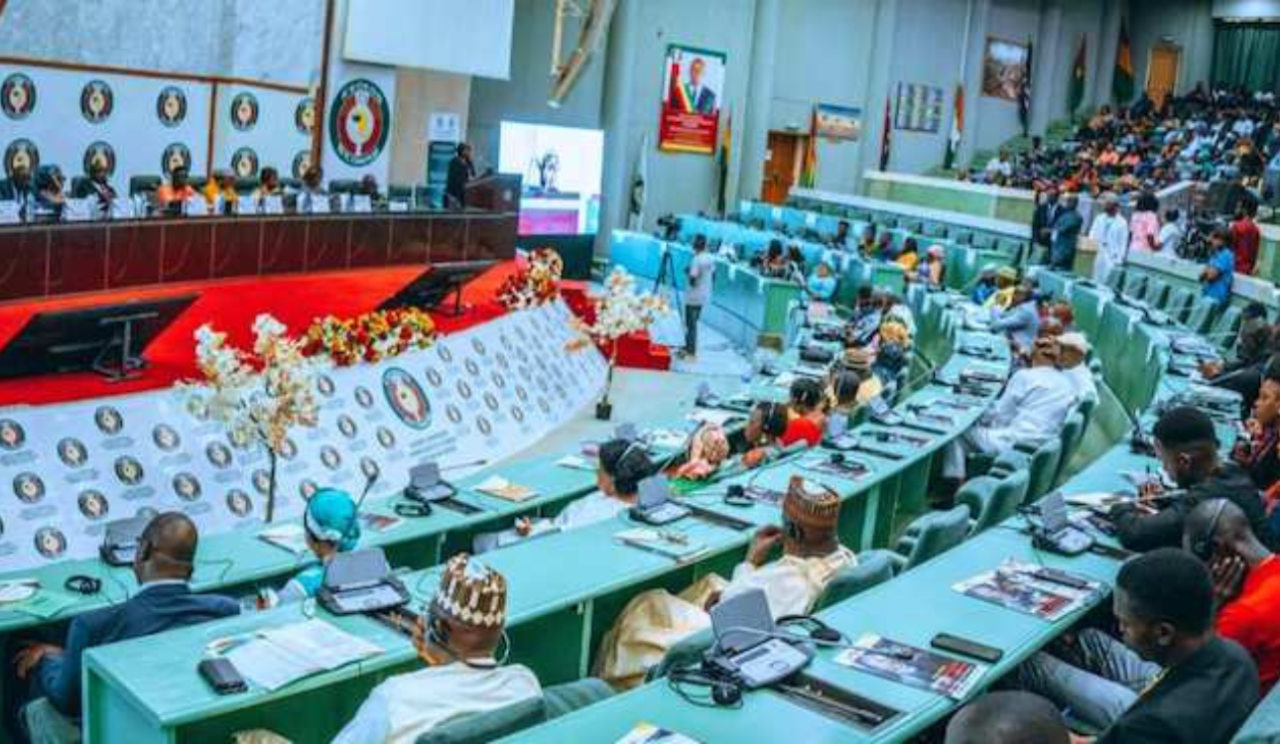
senting enforcement statistics for the region on Wednesday during World Human Rights Day, the Court’s Deputy Chief Registrar, Gaye Sowe, noted a persistent pattern of non-compliance among member states, with Nigeria accounting for the largest backlog. According to Sowe, Nigeria currently has 50 outstanding judgments yet to be enforced. “Nigeria has a total of 125 cases. Of these, 67 were dismissed, 10 enforced, and 48 remain unenforced. Adding recent developments brings the number to about 50,” he said. He explained that the court has delivered 492 judgments involving the 12 active ECOWAS member states, of which 192 are enforceable, meaning the member states or defendants are required to take specific actions. Sowe provided a breakdown of judgments by country: Benin: Total 19; dismissed 13; unenforced six; enforced 0 Cape Verde: Total 3; dismissed 2; unenforced 1; enforced 0 Côte d’Ivoire: Total 28; dismissed 19; unenforced 9; enforced 0 Ghana: Total 13; dismissed 6; unenforced 7; enforced 0 Guinea-Bissau: Total 1; unenforced 1 Guinea: Total 25; dismissed 7; unenforced 18; enforced 0 Liberia: Total 15; dismissed 10; unenforced 4; enforced 1 Nigeria: Total 125; dismissed 67; enforced 10; unenforced 50 Senegal: Total 35; dismissed 23; unenforced 9; enforced 3 Sierra Leone: Total 18; dismissed 6; unenforced 11; enforced 1 The Gambia: Total 13; dismissed 5; unenforced 5; enforced 2; 1 struck out Togo: Total 58; dismissed 26; unenforced 29; partially enforced 1; amicably settled 1; withdrawn 1 The ECOWAS Commission itself, which appears before the Court as a respondent, has 36 judgments against it: dismissed 18; enforced 14; unenforced 3; amicably settled 1; abandoned 1. Sowe highlighted that more than half of all judgments delivered since the Court’s inception have been dismissed, raising concerns about the nature of cases filed. He emphasized that outreach and sensitization in member states would continue to address this issue. He also noted that most member states have established competent national authorities to enforce court judgments, with only Benin and Cape Verde yet to do so. President of the ECOWAS Community Court of Justice, Ricardo Gonçalves, observed that the Court has delivered numerous judgments advancing human rights, including freedom of expression, assembly, education, and a healthy environment. However, most remain unimplemented by member states. He urged ECOWAS countries to fully enforce judgments, cooperate with national and regional human rights bodies, and ensure victims have access to justice. Gonçalves also called for stronger protection of civil society groups, the media, and human rights defenders. “The Court has issued progressive rulings covering civil, political, economic, social, cultural, and third-generation rights, holding states accountable for violations. Yet, without full implementation, the promise of human rights protection under the 2005 Supplementary Protocol remains unfulfilled,” he said.

Hisbah.jpg

3min2110
The Kano State Road Traffic Agency (KAROTA) has handed over three truckloads of assorted beer, worth millions of naira, to the Kano State Hisba Board. The vehicles, carrying 410 cartons of beer, were intercepted by KAROTA personnel during night patrols on major streets across Kano metropolis. According to a statement by the agency’s Public Relations Officer, Abubakar Sharada, the Managing Director of KAROTA, Faisal Mahmud Kabir, officially handed over the trucks to the Commander-General of Hisba. The shipment contained 4,920 bottles of beer, intended for distribution at various locations within the city. The Managing Director, represented by KAROTA’s Director of Administration and General Services, Mahmud Haido, explained that the seizure was part of the agency’s mandate to detect suspicious goods on the streets and report offenders to the appropriate security authorities. Haido assured that KAROTA would continue to monitor the importation of intoxicants that may pose health risks to citizens. Receiving the trucks, Hisba Commander-General Sheikh Aminu Daurawa commended KAROTA personnel for their vigilance and affirmed that due process would be followed before the final destruction of the impounded beer. Represented by the Head of the Intoxicants Unit, Sani Rimo, he added that the board would maintain collaboration with KAROTA to track and prevent the circulation of prohibited goods in the state. Kano is among northern Nigerian states that enforce Sharia regulations, including restrictions on the sale and consumption of alcohol. While Nigeria operates a secular federal system, several northern states began implementing Sharia-based laws in 1999–2000, with Kano establishing a formal enforcement structure shortly thereafter. The Kano State Hisba Board serves as the government-backed moral policing agency tasked with enforcing aspects of Sharia law, including alcohol prohibitions. The board routinely destroys seized alcoholic beverages and conducts joint operations with other state agencies. Established in 2012, KAROTA primarily manages traffic and enforces transport regulations in the state. However, the agency also participates in joint security operations and occasionally intercepts prohibited goods during traffic patrols or routine inspections.

aids.jpg

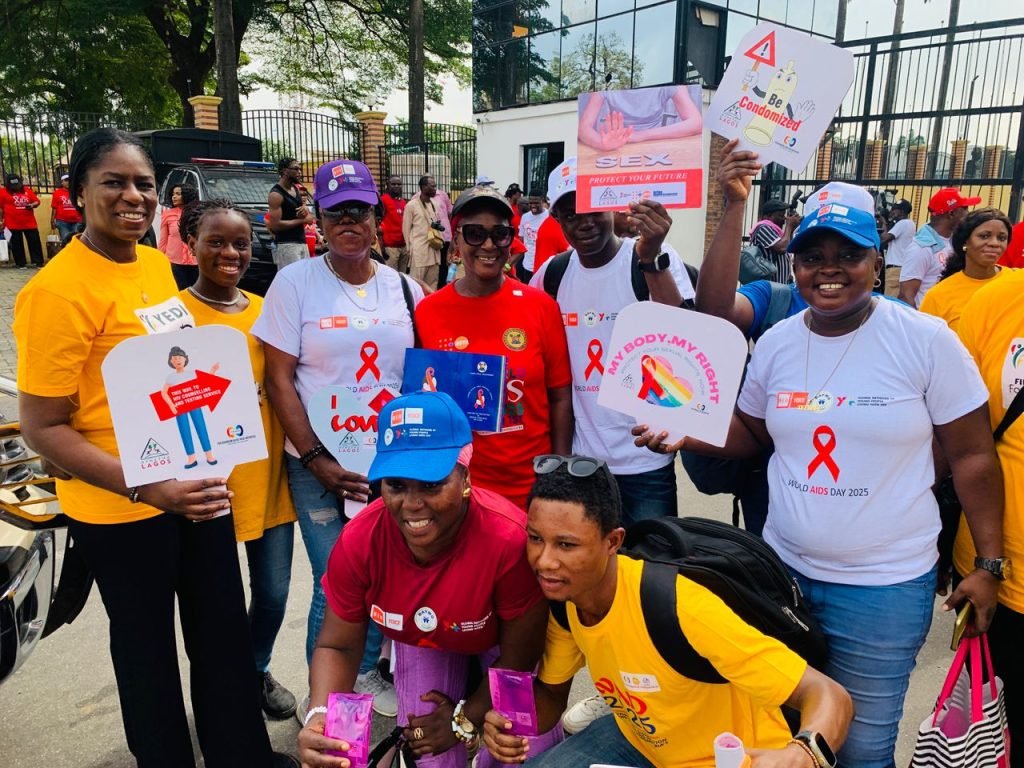
5min7470
At least 500 residents of the Abete community in Yaba, Lagos State, have received free medical services through an outreach organised by the Youth Development and Empowerment Initiative to commemorate the 2025 World AIDS Day. The annual programme, held in partnership with Grassroot Soccer and supported by the FIFA Foundation, offered community members an opportunity to know their HIV status. The outreach, conducted at the Abete Playing Ground, provided free HIV testing, counselling and referrals. The initiative aimed to bridge gaps in testing while increasing local awareness of HIV prevention, treatment and stigma reduction. With the theme “Overcoming Disruption, Transforming the HIV Response,” the event also featured a football tournament, along with free malaria and hepatitis B screening and the distribution of medications. World AIDS Day, marked every December 1, is dedicated to raising awareness about HIV/AIDS, promoting global solidarity and assessing progress toward ending the epidemic. It also serves as a reminder of the ongoing need for access to treatment and support services. Speaking at the event, YEDI’s Executive Director, Adeoye Oluwatomisin, stressed the importance of early testing in achieving the global HIV 95-95-95 targets by 2030. The UNAIDS 95-95-95 goals aim for 95 per cent of individuals living with HIV to know their status, 95 per cent of diagnosed individuals to be on sustained treatment, and 95 per cent of those on treatment to achieve viral suppression by 2030. Oluwatomisin explained that the Abete community was chosen due to its high population density and increased risk factors for HIV infection. She noted that although prevalence rates are gradually dropping, new infections remain a major concern. She added, “Living with HIV is not a death sentence. People must be encouraged to know their status and understand the importance of reducing stigma.” Despite global reductions in funding, Oluwatomisin reaffirmed YEDI’s commitment to providing HIV-related interventions nationwide. She urged partners and donors to remain consistent in supporting Nigeria’s journey toward meeting the 2030 targets. “Our goal in Abete is to reach at least 500 people, and nationally, we aim to reach over one million Nigerians with messages on HIV screening, prevention and treatment. Beyond HIV testing, we are also conducting malaria and hepatitis B screenings, and anyone who tests positive is referred for appropriate care,” she said. According to the National Agency for the Control of AIDS, Nigeria recorded an estimated 1,400 new HIV infections each week and about 50,000 AIDS-related deaths in 2023, underscoring the need to strengthen prevention and treatment efforts. Medical experts note that HIV is primarily transmitted through unprotected sexual intercourse or the sharing of needles and other injection equipment. A doctor at the Lagos State University Teaching Hospital, Ikeja, Dr. Adeola Obasanya, emphasized the importance of knowing one’s HIV status, explaining that testing is the only reliable method of detection and that early treatment enables individuals to live healthy lives while preventing further transmission. Some beneficiaries at the outreach praised YEDI for providing free health screenings and vital health information.