Author: Lifestyle & Wellness Desk

Dr.-Olugbenga-Owoeye.webp

2min3010
President Bola Tinubu has approved the reappointment of Dr. Olugbenga Owoeye as the substantive Medical Director of the Federal Neuro-Psychiatric Hospital, Yaba, for another four-year tenure. A statement issued by the hospital’s Director of Administration, Dr. Adeyinka Antwi, noted that the renewed appointment takes effect from June 1, 2025. Owoeye’s initial tenure concluded on May 31, 2025, after which he continued in an acting capacity while awaiting confirmation from the Federal Ministry of Health and Social Welfare. Currently the most senior consultant in the facility, Owoeye has spent over two decades at the hospital. He graduated from Obafemi Awolowo University, Ile-Ife, in 1994 and became a certified psychiatrist in 2003. He later earned a Master’s degree and a PhD in Clinical Psychology from the University of Lagos in 2005 and 2009, respectively. He is affiliated with several professional bodies, including the Nigerian Medical Association, the Association of Psychiatrists in Nigeria, the Medical and Dental Consultants Association of Nigeria, the Nigerian Psychological Association, the Nigerian Institute of Management, and holds International Certified Addiction Professional (ICAP I & II) credentials. Owoeye has chaired numerous committees focused on improving mental health services and has secured multiple research grants. He has authored more than 30 publications and a book, and has participated in various trainings and conferences within and outside the country.  

cort.jpeg

1min2180
Justice Catherine Ogunsanya of the Ogun State High Court in Ijebu Ode has set aside the impeachment of Wale Adedayo as Chairman of Ijebu East Local Government. In her ruling on Monday, the judge also directed the local government to pay Adedayo N30 million in damages, along with all his outstanding entitlements as a former council chairman. Adedayo was removed from office in September 2023 by seven councillors after he wrote to former governor, Chief Olusegun Osoba, alleging diversion of local government funds. He had taken the matter to court, arguing that the impeachment process violated the law. Justice Ogunsanya held that the councillors failed to comply with the Ogun State Local Government Law of 2006, thereby rendering the impeachment invalid. Reacting to the judgment, Adedayo described the decision as a positive step for democracy, expressing gratitude to God for the outcome and stating that he served the people with sincerity.

aa-6-1280x731.webp

1min7630
Telecommunications company Glo has issued an apology to subscribers following a nationwide disruption to its data services that began on Tuesday morning, December 9, 2025. In an official statement, the company confirmed that the outage, which started at about 8:30 a.m., affected data connectivity across several locations nationwide. Glo said its technical team is actively working to resolve the fault and restore services as quickly as possible. The company acknowledged the inconvenience caused and expressed appreciation to customers for their patience and understanding. “We recognise how essential reliable connectivity is and sincerely apologise for the disruption experienced,” the statement said, while also thanking customers for their continued trust and loyalty. Glo also reached out to subscribers via its social media channels, reaffirming its commitment to promptly restoring full service.

aa-5.webp

7min7460
A treatment once considered the stuff of science fiction has succeeded in reversing aggressive, incurable blood cancers in some patients, doctors have revealed. The therapy works by precisely rewriting the DNA of white blood cells, transforming them into a cancer-killing “living drug” that hunts down and destroys malignant cells. The first child to receive the treatment whose case was first reported in 2022 remains cancer-free and now hopes to become a cancer researcher. Since then, eight more children and two adults with T-cell acute lymphoblastic leukaemia (T-ALL) have undergone the therapy, with almost two-thirds (64%) now in remission. T-cells normally act as the body’s defenders, searching for and eliminating harmful threats. In T-ALL, however, these cells become cancerous and multiply uncontrollably. For patients enrolled in the trial, standard treatments such as chemotherapy and bone-marrow transplants had already failed, leaving palliative care as the only remaining option. “I genuinely believed I was going to die and would never grow up to do the things every child deserves,” said 16-year-old Alyssa Tapley from Leicester. Alyssa became the first person in the world to receive the treatment at Great Ormond Street Hospital. Three years later, she is back to living a full life. The process involved destroying her existing immune system and rebuilding it from scratch. She spent four months in hospital and had to stay isolated from her brother to avoid infection. Her cancer is now undetectable. She only needs annual check-ups and is currently completing her A-levels, working towards her Duke of Edinburgh Award, learning to drive, and planning a future in science. “I’m looking at doing an apprenticeship in biomedical science and hopefully working in blood cancer research one day,” she said. The team from University College London (UCL) and Great Ormond Street Hospital used an advanced technique known as base editing. DNA is written in four chemical “letters”, or bases — adenine (A), cytosine (C), guanine (G) and thymine (T). The sequence of these bases forms the genetic instructions that control how the body develops and functions. Base editing allows scientists to target a precise point in the genetic code and chemically convert one DNA letter into another, effectively rewriting faulty instructions. Researchers aimed to harness the natural killing power of healthy T-cells and redirect it against the cancerous T-cells. This required a complex genetic redesign to prevent the therapeutic cells from destroying themselves or attacking the patient’s body. They began with healthy donor T-cells and made four key genetic changes: First, they switched off the cells’ normal targeting system so they would not attack healthy tissues. Second, they removed a surface marker called CD7 found on all T-cells to stop the modified cells from killing each other. Third, they made the cells resistant to a chemotherapy drug, allowing them to survive treatment. Finally, they programmed the engineered cells to hunt and attack any cells displaying the CD7 marker. As a result, the modified cells would destroy all other T-cells, whether healthy or cancerous, but not attack one another. The engineered cells are infused into the patient, and if no cancer is detectable after four weeks, the patient proceeds to a bone-marrow transplant to rebuild the immune system. “A few years ago, this would have sounded like science fiction,” said Prof Waseem Qasim of UCL and Great Ormond Street Hospital. “We effectively have to dismantle the whole immune system. It’s an intense and demanding treatment, but when it works, it works remarkably well.” The study, published in the New England Journal of Medicine, reports outcomes from the first 11 patients treated at Great Ormond Street and King’s College Hospital. Nine achieved deep remission and were able to proceed to bone-marrow transplantation. Seven remain disease-free between three months and three years after treatment. One of the most serious risks is infection while the immune system is suppressed. In two cases, the cancer cells lost their CD7 marker, allowing them to evade the treatment and return. “Given how aggressive this type of leukaemia is, these results are extremely striking,” said Dr Robert Chiesa from the bone-marrow transplant team at Great Ormond Street Hospital. “It’s very rewarding that we’ve been able to offer hope where there previously was none.” Dr Deborah Yallop, a consultant haematologist at King’s College Hospital, added: “We’ve seen remarkable clearance of leukaemia that previously seemed untreatable this is an extremely powerful approach.” Dr Tania Dexter, senior medical officer at the UK stem cell charity Anthony Nolan, said the results bring renewed hope: “For patients who previously had very low chances of survival, findings like these suggest that advanced treatments will continue to improve and reach more people.”

aa-4.webp

3min8300
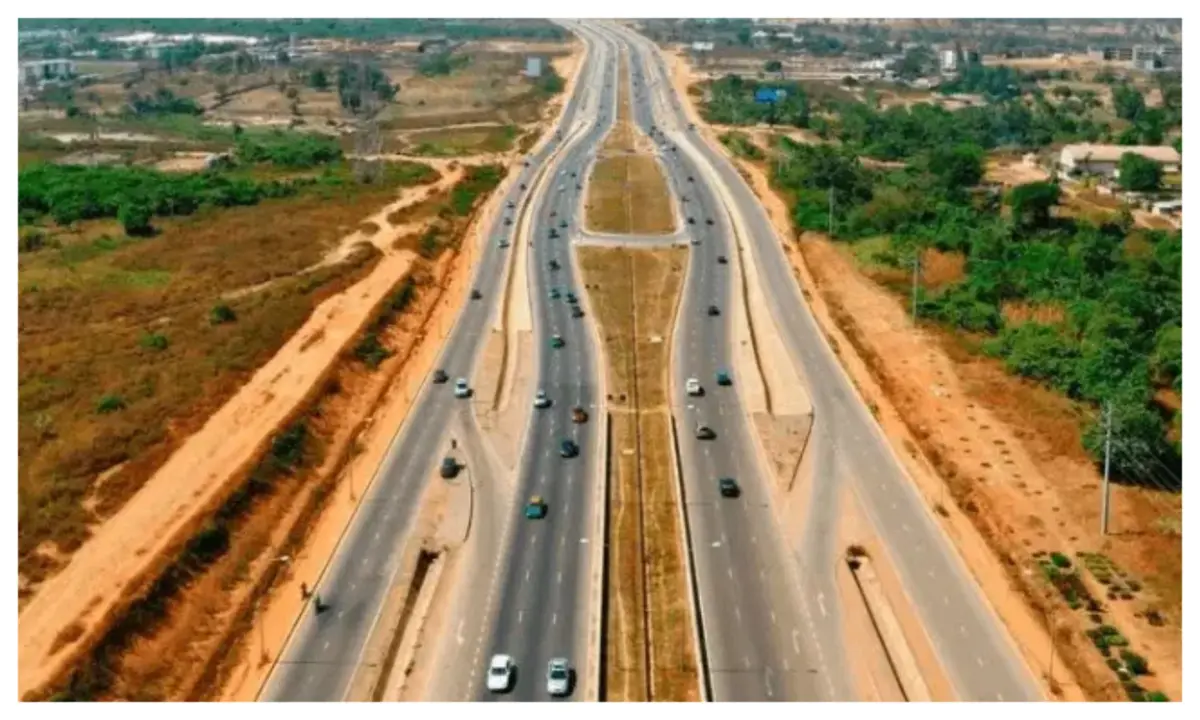
The Federal Government has disbursed N1bn as compensation to Cross River State residents whose properties were affected by the construction of the Lagos–Calabar Coastal Highway. This was disclosed by the Federal Controller of Works in the state, Yinka Onafuye, during an inspection tour of the Calabar–Itu Road and Sections 3A and 3B of the 750km highway by the Minister of Works, David Umahi. Onafuye said the compensation process is ongoing, noting that farmlands and buildings impacted by the project have been assessed and payments are already being made to beneficiaries through banks. He revealed that between 700 and 1,000 people from 12 communities in Akamkpa and Odukpani Local Government Areas have so far benefited, with total payments reaching N1bn. Speaking at Awi in Akamkpa Local Government Area, Minister Umahi highlighted key safety features of the highway, including relief stations, solar-powered street lighting and CCTV cameras, which are designed to improve security and enable quick emergency responses. He added that the project would include facilities at strategic locations to support travellers and security agencies. Umahi also said President Bola Tinubu remains committed to completing the coastal highway, describing it as a long-held vision that dates back more than two decades. The Managing Director of HITECH Africa Construction Company, Dany Aboud, assured that the firm would deploy more personnel and equipment to ensure both sections of the project are delivered within the 36-month contract timeline. Chairman of the Senate Committee on Works, Senator Mpigi Barinada, said the size and cost of the project were justified by the quality of work and the complex earthworks required due to the swampy nature of the terrain. Similarly, Dr Alex Egbona, who represents Abi/Yakurr Federal Constituency, said many residents were impressed by the pace of work, adding that the highway is expected to drive significant development across Cross River State.

aa-3.jpg

3min5280
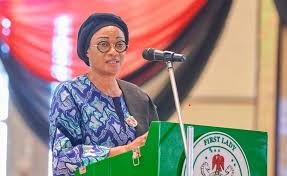
Nigeria’s First Lady, Senator Oluremi Tinubu, has expressed optimism about the country’s economic future, saying Nigeria will reach a level of prosperity that will enable it to lend money to other nations by 2026. She made this statement on Sunday in Ile-Ife, Osun State, shortly after being honoured with the chieftaincy title Yeye Asiwaju Gbogbo Ile Oodua during the ceremony marking the 10th coronation anniversary of the Ooni of Ife, Oba Adeyeye Ogunwusi. The event attracted several prominent dignitaries, including former President Olusegun Obasanjo, the wife of the Vice President, Nana Shettima, former First Lady Patience Jonathan, Governors Ademola Adeleke (Osun), Babajide Sanwo-Olu (Lagos) and Dapo Abiodun (Ogun), as well as former Speaker of the House of Representatives, Dimeji Bankole. Other notable attendees included former Ogun State Governor Ibikunle Amosun, Lagos State Deputy Governor Dr Obafemi Hamzat, Lagos Assembly Speaker Mudashiru Obasa, Osun Deputy Governor Kola Adewusi and former Osun First Lady Kafayat Oyetola. Traditional rulers present included the Sultan of Sokoto, Alhaji Sa’ad Abubakar, the Olu of Warri, Ogiame Atuwatse III, the Orangun of Ila, Oba Abdulwahab Oyedotun, and the Soun of Ogbomoso, Oba Ghandi Olaoye. Mrs Tinubu thanked the Ooni and the people of Ile-Ife for the honour, saying the country was entering a season of joy and progress. Speaking in a mix of Yoruba and English, she said Nigerians would soon witness remarkable achievements under President Bola Tinubu’s administration, adding that the nation would attain the level of prosperity needed to support other countries financially by 2026. In his remarks, Oba Ogunwusi said the First Lady had shown consistent support for the throne since his ascension and acknowledged the role played by former President Obasanjo in strengthening the institution. The Sultan of Sokoto offered prayers for the Ooni’s long reign and called for prayers for Nigeria’s leaders to guide the country in the right direction. Governor Adeleke praised the Ooni for modernising traditional leadership and projecting Yoruba culture globally. He said the Osun State Government would continue to partner with the palace to develop Ile-Ife as the cultural capital of the Yoruba people, noting that 14 roads had been completed in the town, with more projects ongoing, including the first-ever flyover in Ile-Ife.

s2.png

5min7590
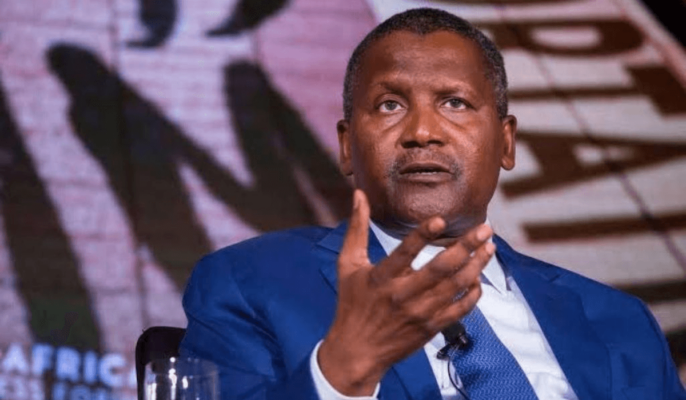
Chairman of the Dangote Group, Aliko Dangote, has assured Nigerians that the era of fuel queues during the Christmas and New Year holidays is over. Speaking to State House correspondents on Friday after meeting President Bola Tinubu at the Presidential Villa, Abuja, Dangote announced that his refinery has formally notified the Nigerian Midstream and Downstream Petroleum Regulatory Authority of its readiness to supply 50 million litres of Premium Motor Spirit (PMS) daily well above the country’s current consumption. “Since 1972, Nigeria has struggled with fuel queues. For the first time, we are ending them through local production, not imports,” he said. “Even while maintaining the refinery, there were no queues. I can assure Nigerians that fuel queues are now history.” Dangote added that the refinery will soon be producing surplus volumes, noting that by February it will supply 15–20 million litres more than national demand, enabling Nigeria to export fuel to neighbouring countries and reduce regional shortages. Industrial Growth and Refinery Expansion The industrialist also announced that local manufacturers, particularly those in the plastics sector, will now benefit from stable access to domestically produced feedstock, eliminating reliance on imports valued at about $400 million annually. He revealed plans to expand the refinery’s capacity to 1.4 million barrels per day by 2028, surpassing India’s Reliance refinery the world’s largest at 1.25 million barrels per day. “We’ve signed all necessary agreements. Construction piling starts before the end of January, and we will deliver on schedule,” he said. Dangote further disclosed plans to scale urea production to 12 million tonnes per year, positioning Nigeria to overtake Russia and Qatar as the world’s biggest producer. “Our aim is to supply the entire African continent,” he stated. Fuel Prices, Smuggling, and Economic Policy He attributed the recent drop in petrol and diesel prices to increased competition and reduced smuggling. “Prices are falling because we must compete with imports. Smuggling has gone down significantly, though not completely,” he said. Describing the refinery as a long-term national investment, Dangote noted: “We’re not here to recover $20 billion overnight. The legacy I want to leave is ensuring that Nigerians have what they need fuel, fertiliser, power.” Logistics, Ports, and New Deep-Sea Port Project Dangote also highlighted logistics challenges affecting Nigeria’s solid minerals industry, stressing that the country’s main ports are overstretched. “Apapa is full, Tin Can is full, and Lekki mainly handles containers. You can’t export coal or copper if there’s nowhere to ship from,” he said. To address this, he announced that the Group is developing what will become West Africa’s largest deep-sea port at Olokola, expected to be completed in two to two-and-a-half years. Backing Naira-for-Crude Policy and Call for Local Investment The business mogul expressed support for President Tinubu’s naira-for-crude policy, describing it as a patriotic effort to strengthen the currency, despite resistance from international oil companies. “It’s a teething problem, but it will be resolved, either through legislation or administrative action,” Dangote said. He dismissed fears about global competition, emphasizing that the refinery will succeed: “Our goal is to make Nigeria the refining hub of Africa. All African countries import fuel. We want what we consume to be produced here.” Dangote also endorsed the Nigeria-first industrial policy and urged wealthy Nigerians to invest in productive sectors rather than luxury assets. “If you have money for a private jet, invest in industries and create jobs,” he said, adding that domestic investors must lead the way for foreign investment to follow. “Nobody advertises a good restaurant when the food is good, word spreads.” He described his meeting with President Tinubu as a routine economic consultation, calling it “very fruitful.”

aa-1.jpeg

4min5760
A cancer patient and social media user, Mensah Omolola popularly known on X as AuntieEsther has ignited widespread debate after refusing a doctor-recommended blood transfusion, citing her beliefs as a Jehovah’s Witness. The decision has drawn criticism from Nigerians, especially following the more than ₦30 million raised publicly for her treatment. The fundraising was led by charity advocate Wisdom Obi-Dickson (@Wizarab10), who confirmed that ₦30.7 million had been collected as of December 1, 2025. In an update posted on her X account, Omolola said recent tests showed the cancer remained localized in her breast and armpit. She wrote: “My results don come out… Doc say she want to start chemotherapy but I go take injection. I respect everyone’s opinion but my family and I choose the injection and food wey go boost my blood.” She added that her doctor accepted the decision and would proceed gradually with her treatment plan. She also thanked Nigerians for their support, writing: “I appreciate everybody. Thank you… I am getting better. God bless.” Church Threatens Disciplinary Action The situation escalated after Obi-Dickson revealed that Omolola’s church had warned she could face disciplinary measures including possible disfellowshipping if she accepted a transfusion. According to him, doctors presented two options: A transfusion-supported procedure, which was affordable with the current funds, and A more expensive alternative designed to avoid transfusion. Omolola chose the second option in line with her religious doctrine. Obi-Dickson wrote that although this route would prolong treatment and significantly increase costs, her choice must be respected. He stressed that all donations would continue to be used exclusively for her medical expenses. However, he later expressed frustration, saying Omolola, her family, and church leaders were “uncompromising” in rejecting transfusion under any circumstance. He suggested that if religious convictions outweighed medical advice, it might be best for her church community to assume responsibility for future decisions. Supporters and Critics Clash Online Another supporter, media personality #AUNTYMUSE_, confirmed that Omolola’s refusal of transfusion was made clear from the outset even before donations began. She said doctors had provided two viable pathways and Omolola deliberately chose the non-transfusion option. Still, many Nigerians expressed anger, arguing that the donated funds should be redirected to other patients in urgent need. X user @Tmama_toma wrote: “She should leave the hospital and go to church for deliverance. Use the money for people who actually want treatment. Or return everything.” Another user, Hud Adeyinka Katayeyanjue, argued: “Belief shouldn’t end the life God is sustaining… Sometimes the most spiritual decision is to stay alive.” Reality TV star Tacha (Simply Tacha) criticized the situation bluntly: “If someone wants to die, let the person be… This isn’t religion anymore it’s madness.” Donation Transparency and Controversy Over Spending Obi-Dickson has continued to share financial updates to demonstrate transparency. In his latest post, he displayed a receipt showing ₦74,000 spent on soup and delivery after Omolola requested her preferred meal. He noted that the remaining balance as of December 1 stood at ₦30,776,252. “Aunty Esther wanted soup… That’s the bill. Thank you for your kindness,” he wrote. The case has intensified national debate on the balance between religious conviction and life-saving medical care, especially when public donations are involved. Many Nigerians have questioned whether faith-based decisions should affect the use of funds contributed with the intention of preserving life.

aa-1.jpg

5min5300
The United Kingdom has rolled out two major economic reform programmes valued at £12.4 million to support Nigeria’s efforts toward macroeconomic stability, fiscal resilience, and private-sector growth. The initiatives—the Nigeria Economic Stability and Transformation (NEST) Programme and the Nigeria Public Finance Facility (NPFF)—were officially unveiled on Thursday at the British High Commissioner’s residence in Abuja. In her opening remarks, the Head of Development Cooperation at the British High Commission, Cynthia Rowe, described the launch as “an important step in the partnership between the UK and Nigeria.” She noted that the programmes were aligned with Nigeria’s economic priorities and were designed to reinforce ongoing reforms. “Together, these programmes signal a coherent and long-term UK commitment to Nigeria’s economic trajectory from stabilisation to reform and to growth,” Rowe said. Rowe explained that NEST, worth £4.9 million, would support macroeconomic stability, enhance the quality of reforms, and promote economic diversification. NPFF, valued at £7.5 million, would strengthen tax policy, public expenditure management, and debt strategy. Both programmes will complement the forthcoming UK-Nigeria Growth Programme, which aims to support market-driven reforms and equip Nigerian businesses to become more competitive, productive, and export-ready. Representing the Federal Government, Special Adviser to the President on Finance and the Economy, Sanyade Okoli, expressed gratitude for the support, describing it as timely and strategic. “A huge thank you to the British government for steadfast support and enduring commitment to Nigeria’s development,” she said, noting that the initiatives align closely with the government’s growth agenda. “This is the kind of support required to help us achieve our objectives.” The British Deputy High Commissioner in Lagos, Jonny Baxter, emphasised that the support forms part of a broader partnership that spans development finance and commercial collaboration. He highlighted the UK’s continued backing of Nigeria’s reform efforts despite the challenges. “We Recognise how challenging the reforms have been and the effort it has taken to maintain progress. We want to stand alongside you with that,” he said. Baxter added that macroeconomic stability, fiscal discipline, and sound policies were critical to restoring investor confidence. He also confirmed that the £12.4m support is a grant intended to provide technical assistance to Nigerian institutions. Mahesh Mishra, Head of the Growth, Trade and Investment Group at the British High Commission, said the reforms were already yielding visible results. “It’s good to see the naira stabilising, becoming more competitive, and Nigeria improving its rating,” he said. However, he stressed that reforms must ultimately improve livelihoods. “Reforms are not an end in themselves. The real goal is how to attract more private investment that will create jobs and raise the standard of living for the average Nigerian,” he added. The NEST and NPFF programmes are funded by the UK Foreign, Commonwealth and Development Office and implemented by Tetra Tech International Development Europe. NEST will run from 2025 to 2028, while NPFF will operate from 2025 to 2029. Both are designed to strengthen macroeconomic management, enhance fiscal stability, and reduce Nigeria’s reliance on external financing. In September 2025, the British High Commissioner to Nigeria, Richard Montgomery, noted that trade volume between the two countries had reached an unprecedented £7.9 billion. He credited the UK-Nigeria Enhanced Trade and Investment Partnership for removing non-tariff barriers and improving cooperation in key sectors. Similarly, in November 2025, the Nigerian-British Chamber of Commerce reaffirmed its commitment to working with the Federal Government to advance policies that support investment growth, economic competitiveness, and sustainable trade relations between both nations.


aa.jpg

3min3610
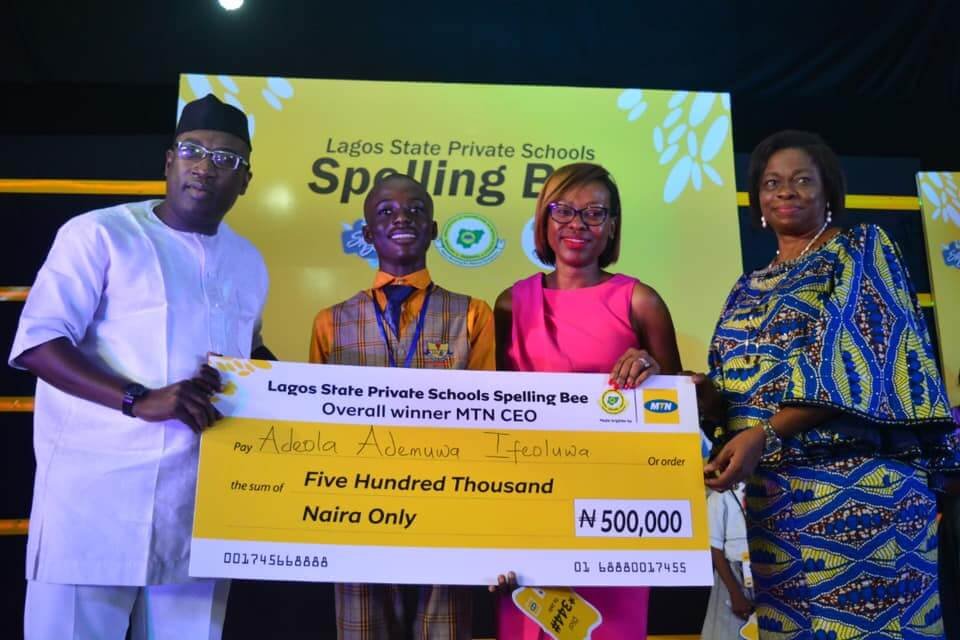
Three students from Education District II have won a combined cash prize of N2.2 million at the 21st Annual Lagos State Spelling Bee Competition (Secondary School Category), organised by the Office of Education Quality Assurance (OEQA) in collaboration with the New Era Foundation. The event also produced the one-day governor and deputy governor for the coming year. According to a statement issued on Friday by the Deputy Director of Public Affairs, OEQA, Adepeju Adeyemi, Etiyeyemonu Esther of Senior Model College, Igbokuta, Imota, emerged the overall winner and received N1 million. Awoyemi Dorcas of Ikosi Senior Secondary School, Ikosi–Isheri, and Salami Jumai Olaide of Angus Memorial Senior High School, Somolu, finished as first and second runners-up, receiving N700,000 and N500,000 respectively. In her goodwill message, the First Lady, Senator Oluremi Tinubu, represented by the Executive Secretary of the New Era Foundation, Barr. Grace Giwa, congratulated the winners and commended their dedication and discipline. “This positive feedback reaffirms my belief that investing in education is investing in the collective future of our young learners,” she said. The Lagos State Commissioner for Basic and Secondary Education, Mr. Jamiu Alli-Balogun, praised the students’ performance, noting that Lagos students consistently excel. He referenced the recent educational trip to Singapore by public school students as further proof of the state’s academic achievements. Representing the Head of Service, Mr. Olabode Agoro, the Tutor-General/Permanent Secretary of Education District I, Dr. Idowu Olufunke Oyetola, described the competition as a celebration of intellectual strength and perseverance. “Whether or not you go home with a trophy, you are symbols of excellence, courage, and commitment,” he told the students. The Tutor-General/Permanent Secretary of Education District III, Teacher Olusegun Olawale Osinaike, encouraged participants to embrace sportsmanship. “Every competition teaches us something valuable, and one of the greatest lessons is learning to rejoice with those who excel today,” he said. Dr. Sulaimon Ogunmuyiwa, Director of Private Education and Special Programmes at OEQA and Chairman of the Planning Committee, highlighted that the Spelling Bee goes beyond spelling words, stressing that preparation and focus play major roles in the contestants’ success. In her victory speech, overall winner Etiyeyemonu Esther described the achievement as deeply fulfilling and expressed hope that it would inspire other students, especially young girls. “Winning this competition shows that hard work truly pays off. I hope my success encourages others to aim high and never give up on their dreams,” she said.