Author: Lifestyle & Wellness Desk

Sanwo.png

1min6420
LAGOS — The Lagos State government has issued a seven-day ultimatum to estate developers operating without approved layout plans to regularise their documents or face sanctions. Dr. Oluyinka Olumide, Commissioner for Physical Planning and Urban Development, led an on-the-spot sensitisation and warning exercise along parts of the Eti-Osa corridor, noting that the warning follows the expiration of a previously granted grace period for flagged estates. The state had earlier identified 176 illegal estate developments, mainly in the Eti-Osa, Ajah, Ibeju-Lekki, and Epe areas. Olumide emphasised that all estate promoters must secure proper approvals before carrying out land subdivision, sales, or construction. “The state government will no longer tolerate developments that undermine orderly and sustainable urban growth,” he said, stressing that the seven-day notice represents the final opportunity for compliance. He warned that estates failing to meet the deadline would face sanctions, including heavy fines or demolition, depending on the severity of the violation.      

cort.jpeg

3min7320
In his sworn testimony dated June 13, 2025, and presented in court on November 20, Simon claimed that Ms. Maria Mahat exploited his father’s declining mental health to influence him to act in ways that suited her interests. He further argued that any alleged marriage between his father and Mahat, prior to his parents’ official divorce on January 22, 2021, was invalid. Simon maintained that his father’s relationship with Mahat directly caused the deterioration of his relationship with his mother, ultimately leading to their separation and divorce. To support his claims, Simon submitted extensive documentation, including emails and other company records amounting to approximately 50 gigabytes of data, provided to him by his father’s former aide, Mike Luger. The defendants’ counsel challenged the validity of these documents, arguing that they were unreliable and inadmissible in court. On the first two days of hearings, lawyers debated the admissibility of the documents. Lead counsel to the defendants, Mrs. Funke Adekoya, SAN, described the evidence as “hearsay,” claiming it did not originate from the original maker or recipient, a view supported by co-counsels Etigwe Uwa, SAN, and Adeyinka Aderemi, SAN. However, Dr. Babatunde Ajibade, SAN, representing Simon, argued that the documents were fully tenable. After reviewing the facts, the trial judge ruled the documents admissible, allowing them to be formally submitted into evidence. During cross-examination, Adekoya, SAN, questioned Simon about his physical absence from his father, highlighting a perceived gap in their relationship. Simon, who left Nigeria at age nine to attend boarding school in the United Kingdom and had not seen his father since 2015, insisted that their bond remained strong, maintained through regular telephone contact. He cited several instances where his father created roles for him within his companies, visits to his workplaces abroad, and both parents attending his wedding in Australia as evidence of a cordial relationship. Uwa, SAN, representing Mahat, suggested the relationship gap between father and son existed prior to Mahat’s involvement. Aderemi, SAN, asked if Simon suffered from dementia, to which he responded negatively as his cross-examination concluded. Earlier in the proceedings, other witnesses, including Mr. Rakesh Lal, Project Manager of Sea Trucks Group in Singapore, and Marie-José Groenen, a niece of the deceased, also testified, pointing to instances that they say demonstrate the deceased was allegedly influenced by Mahat.      

patient-hospital-senior-man-nurse-monitor-600nw-2475091965.webp

3min10160
Senior health professionals have emphasized that patients who understand and accept their diagnosis, remain calm, and follow medical guidance are more likely to recover faster and achieve improved treatment outcomes. Experts noted that acknowledging an illness and being aware of its progression and treatment options helps patients mentally prepare, adhere to medical advice, and avoid complications. According to the specialists, patients with a positive mindset and commitment to their treatment plan generally respond better to care, regardless of the severity of their condition. They encouraged individuals managing chronic illnesses such as cancer, diabetes, stroke, and hypertension to stay hopeful, warning that fear and negative thinking can hinder recovery. The United States National Cancer Research Institute reports that well-informed patients are more likely to follow treatment plans and recover from cancer faster than those who are not fully aware of their condition and options. “Once people accept that they have cancer, they may feel hopeless. However, patients who trust their treatment often experience better outcomes,” the institute noted. Dr. Juliet Ottoh, a Clinical Psychologist at the Department of Psychiatry, Lagos University Teaching Hospital, Idi-Araba, said successful treatment requires patient acceptance of their health condition. She explained, “When a person acknowledges that something is wrong, they remain calm and are open to the best treatment options available. Conversely, individuals who are irritable or irrational struggle to absorb or retain health information. A calm, receptive mindset allows a patient to reason with the doctor and engage effectively with the treatment plan. “If a patient is not calm, open-minded, and optimistic, it could delay recovery or lead to unsuccessful outcomes. In mental health, medication alone is not enough—without the right mindset, even the correct treatment may fail to work effectively.” Ottoh further highlighted the importance of attitude in treatment effectiveness, saying, “Acceptance and optimism significantly influence recovery. Two patients on the same medication can have very different outcomes depending on their adherence and mindset. A positive outlook helps the brain recognize and support the treatment process.” She advised patients to avoid negative thoughts during treatment, noting, “The brain drives the body’s responses. Positive thinking can reinforce treatment effectiveness, while fear and pessimism can undermine it. In many chronic conditions, it is often the negative mindset rather than the illness itself that impacts survival.” Dr. Amara Nwachukwu, a Lagos-based medical practitioner, added that knowledge about their health often improves patients’ emotional well-being. “Understanding their condition helps patients feel less anxious and better prepared for what lies ahead. Conversely, those unaware of their illness may experience frustration, agitation, or aggressive behaviour due to cognitive or physical limitations,” she explained.


5min11510
Akwa Ibom State Governor, Umo Eno, has signed an Executive Order banning the activities of masquerades on streets and highways across the state in the interest of public safety and order. The development was announced on Wednesday through a statement released via the Government House media platform. The governor had earlier disclosed the decision last week, citing repeated incidents in which masquerade activities allegedly led to the harassment of residents, extortion, and serious threats to public safety. Speaking while signing the order at the Government House in Uyo, Governor Eno directed security agencies to begin strict enforcement of the ban. “By the authority of my office as Governor of Akwa Ibom State, I hereby issue this directive. Anyone caught violating it will be arrested and prosecuted. These activities have been used to cause chaos in several local government areas. As the chief security officer of the state, I have directed the Commissioner of Police and other security agencies to enforce this order. Let people live in peace and without fear,” the governor stated. While acknowledging the cultural significance of masquerade traditions, Eno stressed that the restriction became necessary to curb rising insecurity, public disturbance, and disorder linked to street performances. The governor recalled several troubling incidents, including cases where masquerades halted traffic on highways, created panic, and even caused physical harm to residents. “Many of us have personally witnessed the disruption and embarrassment these activities cause. On our roads, vehicles are sometimes forced to stop suddenly, creating serious risks of accidents. Recently, a young woman was reportedly attacked and flogged by masqueraders. While I respect culture, every citizen has rights. No cultural practice should be used to harm others,” he said. Governor Eno also referenced existing legal provisions which require police clearance for masquerade activities, adding that such displays should be restricted to designated community locations. “If you want to display masquerades, do so in your village square and with proper approval. Do not take it to our streets and highways. Do not use it to disturb public peace,” he warned. He further urged residents not to take the law into their own hands or hide behind cultural practices to disrupt public order. “I am not banning culture. I am saying do not allow culture to become a tool for chaos. Restrict these activities to appropriate locations,” he added. The governor also linked the decision to his administration’s efforts to boost tourism and promote a peaceful image of the state under the ARISE Agenda. “We are working to position Akwa Ibom as a tourist destination. We must not create an atmosphere that scares visitors or suggests that disorder is tolerated,” he stated. Meanwhile, the Commissioner of Police, CP Baba Azare, commended the governor for what he described as a bold and timely decision. Azare noted that masquerade activities had increasingly posed security threats, led to violence, and disrupted legitimate daily activities in many communities. He added that the Executive Order provides a clear legal framework for enforcement. The police boss assured the governor that operational directives have already been issued to area commanders and tactical units to ensure full compliance with the order across all 31 local government areas of the state.

araabiaa.jpg

3min7000
The Federal Government has secured the release of three Nigerian citizens who were detained in Saudi Arabia over an alleged attempt to smuggle prohibited substances through Jeddah’s King Abdulaziz International Airport. The development was confirmed in a statement issued on Wednesday by the spokesperson of the Ministry of Foreign Affairs, Kimiebi Ebienfa. According to the statement, the three Nigerians — Abdulhamid Sadieq, Maryam Hussein Abdullahi, and Bahijah Aminu Abdullahi — were arrested in August 2025 after prohibited items were found in luggage that had been fraudulently linked to their flight tickets at the Mallam Aminu Kano International Airport, Kano, without their knowledge. Following their arrest, the Consulate General of Nigeria in Jeddah, led by Ambassador Muazam Nayaya, immediately engaged Saudi authorities and informed the headquarters in Abuja. The mission also requested the intervention of the National Drug Law Enforcement Agency (NDLEA) to assist with investigations. The Nigerian mission maintained constant communication with Saudi officials, ensured regular access to the detainees, and arranged legal representation for them throughout the investigation process. After thorough investigations, Saudi authorities cleared the three Nigerians of all allegations and released them on September 14 and 15, 2025. A temporary travel restriction placed on them during the investigation has now been fully lifted. The ministry disclosed that Maryam Abdullahi and Bahijah Abdullahi returned to Nigeria on November 5, 2025, while the travel ban on Abdulhamid Sadieq was lifted on December 2, 2025. Arrangements for his return to Nigeria are currently ongoing. The Ministry of Foreign Affairs expressed appreciation to the Saudi government for its cooperation and professionalism in handling the matter. It also acknowledged the critical roles played by the NDLEA and the Nigerian Consulate in Jeddah in securing a fair outcome. The ministry added that the successful resolution of the case reflects Nigeria’s continued commitment to the safety, dignity, and welfare of its citizens abroad, in line with the 4D Foreign Policy Doctrine of President Bola Ahmed Tinubu.

voterrrss.jpg

5min5290
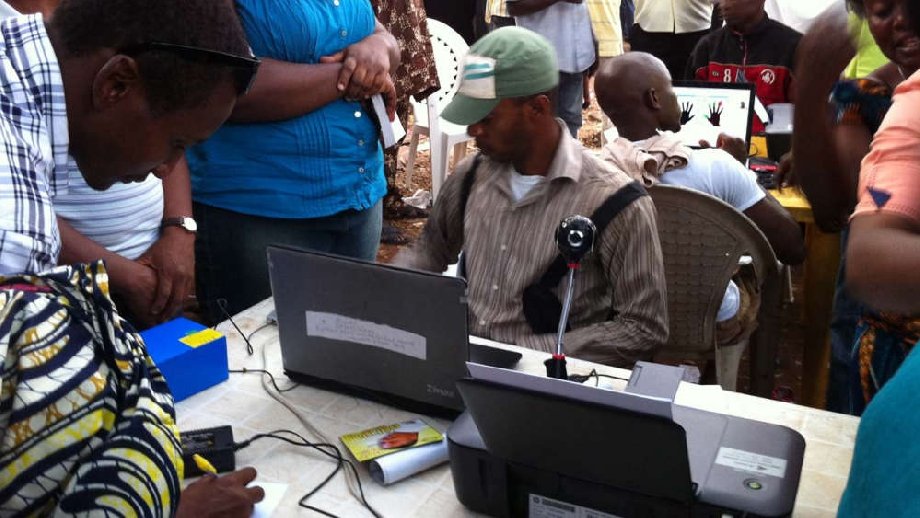
The Independent National Electoral Commission (INEC) has concluded the first quarter of its nationwide Continuous Voter Registration (CVR) exercise, clearing the way for the public display and review of the voter register. The initial phase of the exercise began with online pre-registration on August 18, 2025, followed by physical registration across all 774 local government areas and the Federal Capital Territory. The phase officially closed on Wednesday, December 10, 2025. This was disclosed in a statement issued on Wednesday by INEC’s Director of Voter Education and Publicity, Victoria Eta-Messi. INEC announced that the display of the voter register for public verification, claims, and objections will take place from December 15 to 21, 2025, in line with the provisions of Section 19 of the Electoral Act 2022. The exercise will be conducted at the respective local government offices where registration took place. The commission advised all newly registered voters, as well as those who transferred or updated their biodata, to seize the opportunity to carefully verify their information and raise any necessary objections. According to INEC, a total of 9,891,801 online pre-registrations were recorded nationwide by the end of the 13th week of the exercise. Out of this figure, 2,572,054 registrations have been fully completed, comprising 1,503,832 online registrations and 1,068,222 physical registrations as of November 28, 2025. The commission noted that voter registration activities remain suspended in Anambra State and the Federal Capital Territory due to ongoing electoral engagements, adding that new dates will be communicated in due course. Eta-Messi reaffirmed that the second phase of the CVR exercise is scheduled to resume on January 5, 2026, according to the commission’s earlier timetable. She emphasized INEC’s commitment to maintaining a credible, inclusive, and transparent voter register, calling on citizens to continue supporting the electoral process. Meanwhile, in Plateau State, female voters have taken the lead in collecting their Permanent Voter Cards (PVCs), reflecting strong participation among women in the electoral process. The state’s Resident Electoral Commissioner, Mallam Mohammed Abubakar Sadiq, disclosed this during a stakeholders’ meeting held in Jos on Wednesday. Sadiq explained that the CVR exercise in the state followed the national timetable, beginning with online pre-registration on August 18 and in-person registration on August 25. He described voter registration as a critical foundation of the electoral system. He revealed that within the three-month period, the state recorded 76,451 applications, with 25,290 new registrations successfully completed. According to him, 610 females have so far collected their PVCs, compared to 394 males. He added that 7,019 applicants are yet to be fully captured, with 44,142 reported incidents and over 101,200 PVCs still uncollected. The Plateau REC identified incomplete registrations and low PVC collection as major challenges and urged affected citizens to take full advantage of the voter register display period to review and correct their data. He expressed appreciation to traditional rulers, local government councils, political parties, security agencies, and the media for their role in mobilizing residents for the exercise. Sadiq also expressed concern over the extremely low turnout in PVC collection, noting that only 1,004 out of over 101,000 available PVCs had been collected in the last three months—representing less than one per cent. He reiterated that the second phase of voter registration will commence on January 5, 2026, and encouraged eligible voters to participate actively to avoid exclusion from future elections.


BOI-1280x852.webp

3min5500
The Bank of Industry (BOI) has announced that it disbursed over N1.27 trillion to businesses across 14 key sectors of the economy in 2024, supporting more than 900,000 jobs nationwide, both directly and indirectly. BOI’s Managing Director/CEO, Dr. Olasupo Olusi, disclosed this during Day 2 of the 10th Nigeria Energy Forum (NEF), held virtually in Lagos. Olusi was represented by Ms. Mabel Ndagi, BOI’s Executive Director for Public Sector and Intervention Programmes. Olusi highlighted that the bank’s interventions continue to play a crucial role in Nigeria’s industrial development, enabling businesses of all sizes to expand production, enhance value addition, and generate employment. Speaking on the implementation of the N200 billion Federal Government MSME Intervention Fund, managed by BOI, Olusi explained that the initiative provides affordable financing to small businesses through three components: N50 billion Presidential Conditional Grant Scheme (PCGS), N75 billion MSME Intervention Fund, and N75 billion Manufacturing Sector Fund. He added that the bank is increasing investments in green finance, circular economy initiatives, renewable energy integration, energy efficiency, and low-carbon industrial processes. According to Ndagi, BOI’s strategy demonstrates its leadership in financing renewable energy infrastructure, clean manufacturing, and climate-smart industrial practices. At the forum, All On, an impact investment company, also showcased efforts to promote clean energy innovation through the Tertiary Institutions Energy Innovation Challenge (TIEC 3.0). Ms. Jadesola Rawa, Senior Associate, Grants Management at All On, said the initiative, co-created with NEF, aims to accelerate student-led energy innovations for underserved communities. Mrs. Bamise Olanrewaju, NEF Director of Innovation, noted that winners of the challenge — Green Preserve (Cross River State University), AI Hybrid Agro Dryer (University of Lagos), and Keytric (University of Port Harcourt) — have made progress in product development, community engagement, and business structuring following mentorship support.

United-States-Citizenship-and-Immigration-Services-1021x580-2.webp

3min5290
Somali community and other immigrant groups, emphasizing that local The US government has suspended immigration applications for citizens of 19 countries, including Afghanistan, Yemen, and Haiti, according to an official memorandum issued Tuesday, marking a further tightening of the nation’s migration policies. The pause affects green card and citizenship processing for people from nations already subject to travel restrictions announced in June by President Donald Trump. Other countries on the list include Venezuela, Sudan, and Somalia. Senior US officials have indicated in recent days that immigration restrictions will be significantly tightened, following the shooting of two National Guard soldiers last week, which left one dead. The main suspect in the attack, an Afghan national, entered the United States during mass evacuations as foreign forces withdrew from Afghanistan in 2021. He pleaded not guilty to murder charges on Tuesday. The memorandum highlighted the role of the US Citizenship and Immigration Services (USCIS) in ensuring that immigrants are properly screened and vetted to protect public safety. It cited the recent attack as evidence of the consequences of insufficient screening and prioritization of expedient adjudications. President Trump, who campaigned on a promise to deport millions of undocumented migrants, stated on November 26 that he intended to “permanently pause migration from all Third World countries to allow the US system to fully recover.” US Homeland Security Secretary Kristi Noem also recommended expanding the list of countries under the June travel restrictions, calling for a comprehensive travel ban on nations she claims have contributed to security risks, without specifying all countries. Existing restrictions already cover Burundi, Chad, Republic of Congo, Cuba, Equatorial Guinea, Eritrea, Iran, Laos, Libya, Myanmar, Sierra Leone, Togo, and Turkmenistan. Meanwhile, US media reported that federal authorities plan to launch a major immigration enforcement operation in Minnesota targeting Somali immigrants, prompting resistance from local leaders. Minneapolis Mayor Jacob Frey reaffirmed the city’s commitment to the authorities would not cooperate with any operations that violate the city’s values.

cbnnnm.jpg

3min5170
The Central Bank of Nigeria (CBN) has removed limits on cash deposits and raised the weekly cash withdrawal threshold across all channels to N500,000, up from N100,000. The changes were detailed in a circular to all banks titled “Revised Cash-Related Policies,” signed by Dr. Rita Sike, Director of the Financial Policy & Regulation Department. According to the CBN, the updates aim to reduce the rising cost of cash management, enhance security, and mitigate money laundering risks linked to Nigeria’s heavy reliance on cash. The bank explained that previous cash-related policies were designed to encourage electronic payments and reduce cash usage, but evolving realities made it necessary to revise and streamline these provisions. Effective January 1, 2026, the circular introduces key adjustments: the cumulative deposit limit has been removed, and fees previously applied to excess deposits will no longer be charged. The weekly withdrawal limit across all channels has been increased to N500,000 for individuals and N5 million for corporate customers. Withdrawals above these limits will incur excess withdrawal charges as outlined in the circular. The special monthly authorisation allowing individuals to withdraw N5 million and corporates N10 million once a month has been discontinued. For Automated Teller Machines (ATMs), daily withdrawals remain capped at N100,000 per customer, with a maximum weekly limit of N500,000, which counts toward the overall weekly withdrawal ceiling, including point-of-sale (POS) transactions. Excess withdrawals beyond the set limits will attract charges of 3% for individuals and 5% for corporate accounts, shared between the CBN (40%) and the operating bank or financial institution (60%). Banks are also required to load all currency denominations into ATMs, while the existing N100,000 cap on over-the-counter encashment of third-party cheques remains in place and will count toward the cumulative weekly limit. Additionally, banks must submit monthly reports to relevant supervisory departments, including the Banking Supervision, Other Financial Institutions Supervision, and Payments System Supervision departments. The CBN clarified that accounts of federal, state, and local governments, as well as those of microfinance banks and primary mortgage banks held with commercial or non-interest banks, are exempt from the new withdrawal and excess-fee rules. However, the long-standing exemption previously extended to embassies, diplomatic missions, and aid-donor agencies has been removed.

law-maker-us.jpg

4min2040
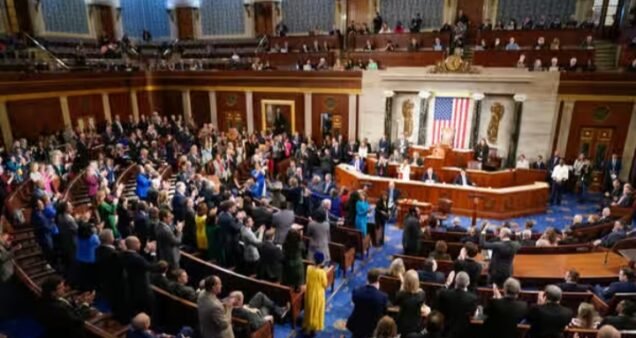
United States lawmakers were on Tuesday urged to pressure the Nigerian government to abolish Sharia law in the 12 northern states where it is currently practised and to dismantle the Hisbah religious-enforcement bodies, amid concerns that both systems are fuelling rising persecution against Christians. At a joint congressional briefing hosted by the House Appropriations Committee and the House Foreign Affairs Committee, Dr. Ebenezer Obadare, Senior Fellow for Africa Studies at the Council on Foreign Relations, warned that extremist groups are exploiting religious structures to expand violence and impunity. He told lawmakers that Boko Haram, the Islamic State West Africa Province (ISWAP), and radicalised Fulani militias “weaponise Sharia-based institutions and Hisbah operatives to advance extremist ideology, enforce forced conversions, and operate unchecked in many communities.” According to a statement from the Appropriations Committee, Obadare outlined a two-step policy direction: “First, work with the Nigerian military to neutralise Boko Haram. Second, the United States should encourage President Tinubu to make Sharia law unconstitutional in the twelve northern states where it has been in force since 2000 and to disband the various Hisbah groups attempting to impose Islamic law on all citizens regardless of their faith.” Obadare noted that the Nigerian government has shown some responsiveness to international pressure, citing recent air strikes on Boko Haram camps, the recruitment of 30,000 additional police officers, and President Bola Tinubu’s declaration of a national security emergency. “As recent events have shown, the Nigerian authorities are not impervious to incentives,” he said, emphasising that “Washington must keep up the pressure.” The bipartisan hearing, chaired by Appropriations Vice Chair Mario Díaz-Balart (R-FL), included testimony alleging state involvement in what some lawmakers described as “religious cleansing” in northern Nigeria and the Middle Belt. Witnesses highlighted recent incidents such as the November kidnapping of pupils and teachers from St. Mary’s Catholic School in Niger State, along with ongoing blasphemy prosecutions and widespread attacks. Stressing the core of the crisis, Obadare argued that “the deadliest and most serious threat confronting the Nigerian state today is jihadist terror,” insisting that any meaningful solution must centre on dismantling Boko Haram’s operational strength. “Every proposal to solve the Nigerian crisis that does not take seriously the need to radically degrade and ultimately eliminate Boko Haram as a fighting force is a non-starter,” he said.