Author: Lifestyle & Wellness Desk

Lekki-Epe-expressway.jpg

3min4310
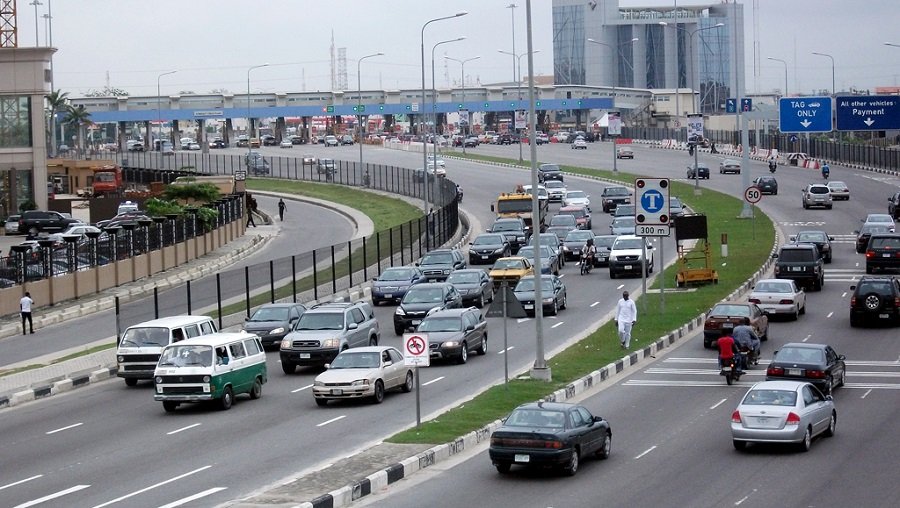
The Lagos State Government has instructed contractors working on the Eti-Osa/Lekki/Epe Expressway to leave the construction site on Thursday, December 4, 2025, and resume rehabilitation activities in January 2026. The directive is aimed at ensuring free traffic flow throughout the festive season. The suspension affects the stretch between Admiralty Way Junction and the Jubilee Bridge in Ajah, all within the Eti-Osa Local Government Area. The Commissioner for Transportation, Oluwaseun Osiyemi, disclosed this on Tuesday during an inspection of the project site. He was accompanied by the Special Adviser on Infrastructure, Engr. Olufemi Daramola, officials of the Lagos State Traffic Management Authority, and the project contractor, CRCC. Osiyemi explained that the temporary halt is necessary to reduce traffic congestion and allow uninterrupted vehicular movement during the Christmas and New Year period. In a related development, the state government has finalised plans to begin regulated bus operations on the Lekki–Epe corridor starting December 8, 2025. The first phase of the Lekki–Epe Bus Reform Scheme will deploy 229 high- and medium-capacity buses. According to the Lagos Metropolitan Area Transport Authority (LAMATA), which announced the launch on Tuesday via its official X handle, the new system will introduce structured, government-supervised bus services along key routes such as Ajah–CMS/Marina, Ajah–Obalende, Ajah–Oshodi, Ajah–Berger, and Ajah–Iyana Ipaja. One operator will handle express services, while others will run stage-by-stage routes to ensure wide commuter coverage. All buses will carry Lagos’ blue-and-white colours and be equipped with QR-enabled PTCS verification stickers, unique identification numbers, and Touch and Pay (TAP) systems for convenient cashless payments. LAMATA noted that the initiative aims to elevate safety, comfort, and operational discipline on the corridor, thereby offering commuters a more dependable and secure transportation experience. The rollout in this first phase will later be extended to Epe.  

masqurat-1280x640.webp

3min1290
Akwa Ibom State Governor, Umo Eno, has signed an Executive Order prohibiting masquerade displays on streets and major highways across the state. The decision comes in response to increasing cases of harassment, extortion, and public disturbances attributed to masquerade activities in various communities. In a statement released on Wednesday, the governor—who first announced the ban last week—reiterated the directive while formally signing the order at Government House, Uyo, on Tuesday. He instructed the Commissioner of Police and all security agencies to ensure strict enforcement. “By the authority vested in me as Governor of Akwa Ibom State, I am directing that anyone caught will be arrested and prosecuted. These activities have caused havoc in some local government areas,” he said. “As the chief security officer of the state, I am mandating the police and other security agencies to arrest and prosecute offenders. This must stop terrorising residents and allow people to live in peace.” Governor Eno noted that although he respects cultural traditions, no practice should endanger lives or violate citizens’ rights. He recalled several troubling incidents, including a recent case where a young woman was stripped and flogged by masquerades. He added, “Culture is important, but it must not harm others. Everyone has rights that must be protected.” The governor explained that a 2022 law already requires police approval for such displays and emphasised that any masquerade celebrations must now be confined to village squares. “If you want to showcase masquerades, do it in your village square—not on the streets of Akwa Ibom. Public peace and order must be maintained,” he said. He urged residents to familiarise themselves with the new directive and warned against using cultural activities as a cover for disorder. He also encouraged support for tourism-friendly initiatives aligned with his administration’s ARISE Agenda, especially as visitor numbers are expected to rise during the festive season. “We are working to make our state a tourist destination. We must not create fear or give the impression that chaos is acceptable. This order is to restore peace and protect the public,” he added. Earlier, the Commissioner of Police, Baba Azare, praised the governor’s decision, calling it both timely and necessary. He said the order empowers security agencies to tackle violence, intimidation, and obstruction linked to masquerade activities across all 31 local government areas. He assured that enforcement has already begun, with clear instructions issued to area commanders and tactical units to ensure full state-wide compliance.

Dangote-Refinery.jpg

4min1240
Aliko Dangote, President and Chief Executive of Dangote Industries Limited, has criticised the crude supply practices of international oil companies, insisting that Nigeria has no reason to import crude or refined petroleum products if existing laws are properly enforced. During a visit by the South South Development Commission (SSDC) to the Dangote Petroleum Refinery and Fertiliser Complex in Lagos, Dangote highlighted that the Petroleum Industry Act (PIA) already sets a framework prioritising domestic crude supply. However, he noted that some operators exploit loopholes, undermining the law’s intent. He explained that many oil companies routinely divert Nigerian crude to their trading subsidiaries abroad, especially in Switzerland, forcing local refineries to buy from these subsidiaries at a premium of four to five dollars per barrel. “The crude is available; it’s not a shortage issue. But the companies divert everything to their trading arms, and we are forced to buy at higher prices, while we don’t benefit from any premium on our own products,” Dangote said. He revealed that he has formally written to the Federal Government, urging that royalties and taxes be calculated based on the actual price paid for crude, to prevent revenue losses and discourage practices that disadvantage local refiners. Dangote noted that NNPC remains the main supplier fulfilling domestic supply obligations, providing five to six cargoes per month, while the refinery needs up to twenty cargoes monthly from January to operate at full capacity. Describing the situation as “unsustainable for a country seeking genuine industrial growth,” he argued that Africa’s economic future depends on value addition rather than continuous raw material export. “It is alarming that while we exported 1.5 million tonnes of gasoline in June and July, imported products were still flooding the country. That is dumping,” he said. Responding to a report by the Nigerian Midstream and Downstream Petroleum Regulatory Authority (NMDPRA) showing the refinery supplied only 17.08 million litres of the 56.74 million litres consumed in October 2025, Dangote stated that the refinery exports its products when regulators allow such dumping. He pledged that the refinery would supply 50 million litres of petrol daily during the Yuletide season, with a total of 1.5 billion litres planned for December 2025 and another 1.5 billion litres for January 2026. Dangote praised President Bola Tinubu’s Nigeria First Policy but emphasised the need for legislative support to strengthen its impact. He said the president is committed to positioning Nigeria as a leader in Africa’s shift from raw material export to value-added production, job creation, and sustainable economic growth. He added that the company’s expansion strategy aligns with Africa’s rising demand for petroleum products, estimated at around four million barrels per day, while regional refining capacity remains below 1.5 million barrels. Addressing Nigeria’s ambition to achieve a one-trillion-dollar economy, Dangote said the goal is achievable through disciplined policy implementation, improved power generation, and revitalisation of the steel sector.

Adeleke-Osun-Governor-4-1045x696-1-601x400-1.png

2min1520
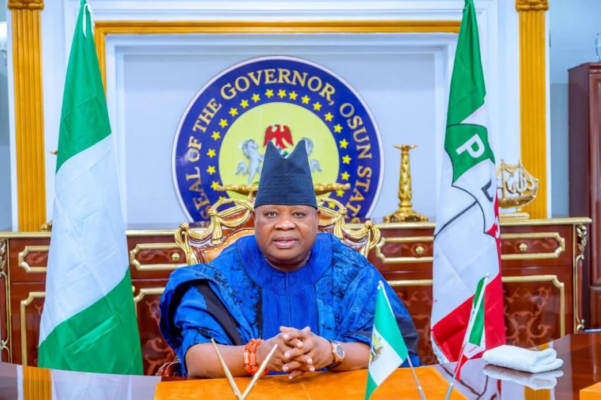
Less than 24 hours before the Peoples Democratic Party (PDP) governorship primary election, Governor Ademola Adeleke has resigned his membership from the party. The PDP Chairman in Osun State, Mr. Sunday Bisi, had earlier disclosed on Monday that the party would not hold the primary election on Tuesday as scheduled due to internal factional disputes. He also noted that Governor Adeleke was no longer interested in seeking the party’s nomination amid the crisis. However, a statement from the party’s national secretariat confirmed that the primary would proceed on Tuesday at the Atlantic Multipurpose Hall in the state capital. Meanwhile, a letter from Governor Adeleke, dated November 4, 2025, which surfaced on Monday evening, officially confirmed his resignation from the party. Addressed to the party Chairmen of Sagba Ward 2 in Ede, the letter cited the ongoing crisis within the PDP’s national leadership as the reason for his decision. Titled “Resignation of my Membership of the People’s Democratic Party (PDP),” the letter read:“Due to the current crisis of the national leadership of the People’s Democratic Party (PDP), I hereby resign my membership of the party with immediate effect. I thank the PDP for the opportunities given to me for my elections as a Senator representing Osun West and as Governor of Osun State under the party.”

uslamake4s.jpg

2min3900
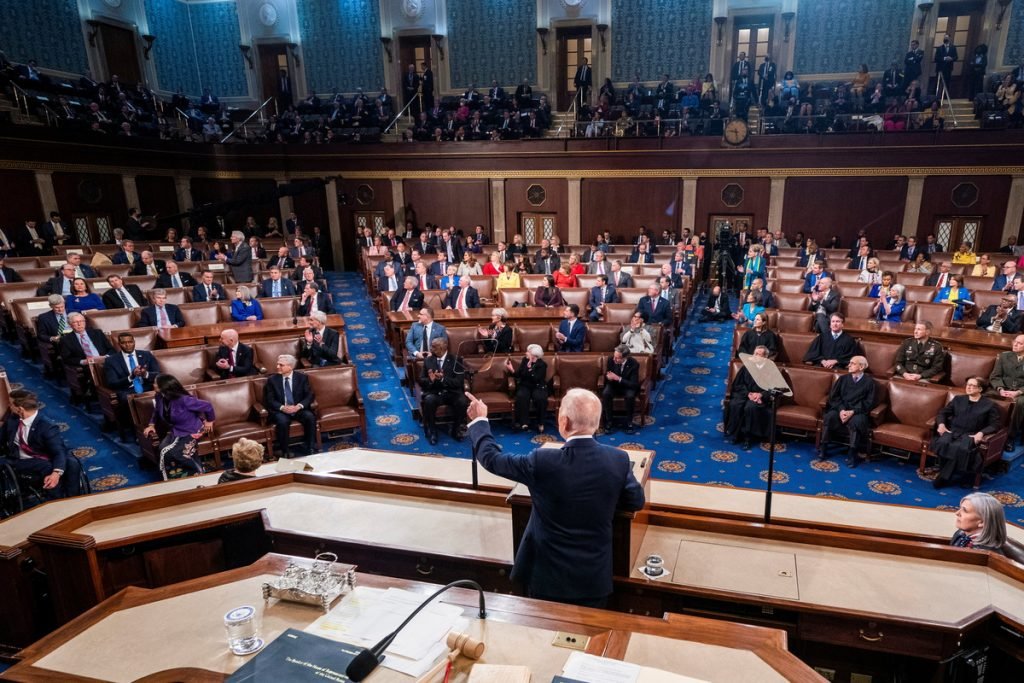
The United States House Appropriations Committee will host a joint congressional briefing on Tuesday to address the growing reports of violence and persecution against Christians in Nigeria, officials said. US Congressman Riley Moore shared that House Appropriations Committee Vice Chair and National Security Subcommittee Chairman Mario Díaz-Balart will lead the session, joined by members of the Appropriations, Foreign Affairs, and Financial Services Committees. Representatives from the US Commission on International Religious Freedom and other subject-matter experts are also scheduled to participate. The briefing aims to “highlight the escalating violence and targeted attacks on Christians in Nigeria” and collect testimony for a comprehensive report on the issue. The report will guide US legislative and executive actions to support vulnerable faith communities worldwide. Committee officials noted that the roundtable will provide lawmakers with crucial information about the challenges facing religious minorities in Nigeria and help shape informed policy decisions. The briefing coincides with strengthened security cooperation between the US and Nigeria. President Bola Tinubu recently approved Nigeria’s delegation to the new US–Nigeria Joint Working Group, which was established to implement security agreements following high-level talks in Washington led by National Security Adviser Nuhu Ribadu. The Joint Working Group, comprising senior ministers and security officials, focuses on counterterrorism, intelligence sharing, border security, and coordination on humanitarian and civilian protection measures. This initiative comes amid growing concerns over terrorism, banditry, and targeted attacks on Christian communities in Nigeria, prompting closer US monitoring and calls for enhanced measures to safeguard vulnerable groups.

NIMR-fashola.jpg

5min3510
Former Lagos State governor and Chairman of the Board of Trustees of the Nigerian Institute of Medical Research (NIMR) Foundation, Babatunde Fashola, has urged the private sector and Nigerians to contribute funding to drive health innovations and medical research in Nigeria. Speaking at NIMR’s monthly media chat, Fashola emphasized that the country cannot rely solely on government allocations to finance medical research, stressing that private sector involvement is essential for the institute to fulfil its mandate. “For NIMR to achieve its objectives, the role of the private sector is crucial in mobilizing resources to complement government funding. The government cannot fund medical research alone,” he said. Fashola noted that while Nigeria possesses the intellectual capacity for cutting-edge research, financial support is lacking to meet global standards. He warned that without adequate attention, NIMR may struggle to compete with leading research institutes worldwide. He highlighted how well-funded research has historically transformed human health, citing inventions like eyeglasses and the discovery of penicillin as examples. “Eyeglasses exist because researchers dedicated time and resources to improving human welfare. Discoveries like penicillin significantly increased life expectancy. NIMR must be adequately funded to address Nigeria’s health needs,” he said. Fashola expressed concern about funding gaps that impede the development of homegrown solutions for diseases prevalent in Africa, such as diabetes, hypertension, and neglected tropical diseases. He revealed that the NIMR Foundation has mobilized N502 million for the institute—N352 million in donations and N150 million in grants—supporting four cycles of the Grantsmanship and Mentorship Training Programme (GMTP). So far, 120 researchers across Nigeria, including the Federal Capital Territory, have been trained, while 128 researchers, 40% of them women, have secured over $5.3 million in external grants. Fashola also announced the Foundation’s expansion into maternal and child health research, with plans to support doctoral and postdoctoral projects, fellowships, and other advanced scientific initiatives. He called for reforms to allow research funds to be kept in dedicated accounts to ensure uninterrupted project execution. “If Nigeria commits to stable funding and adopts accounting practices that do not disrupt research, the national research landscape will see significant improvement,” he said. In his remarks, NIMR Director-General, Prof. John Oladapo Obafunwa, acknowledged that the institute continues to face challenges with inadequate human resources and infrastructure. “Physical infrastructure can be addressed with funding, but building human capital requires sustained, long-term investment,” he said, emphasizing the importance of PhD and postdoctoral training, sabbaticals, and commissioned research. The Foundation’s Executive Secretary, Olajide Sobande, presented a four-year impact report (2021–2025), noting that assets had grown to N157 million as of September 30, 2025, despite not yet meeting the initial N10 billion fundraising target. He added that N295 million had been disbursed for research and training. Sobande also disclosed that the Foundation secured a £44,000 grant in 2025 to implement the GMTP without drawing from its principal fund, while 10 research groups are set to receive N25 million in primary research grants.

NESTLENigeria-bbby.jpg

3min2090
Nestlé Nigeria Plc has rejected claims by Swiss nongovernmental organisation Public Eye, which alleged that the company sells infant cereals in Africa with higher sugar content than in developed markets. The company said Public Eye has not provided the analysis supporting its claims, despite formal requests. Victoria Uwadoka, Nestlé’s Corporate Communications, Public Affairs and Sustainability Lead, disclosed this on Monday during a stakeholder engagement and facility tour at the company’s Agbara factory in Ogun State. The session included representatives from the Lagos State Consumer Protection Agency, the Ministry of Health, the Ministry of Agriculture, public health officials, and the media. Addressing the allegations, Uwadoka stressed that Nestlé’s Cerelac products contain no added sugar, with the sugar present coming naturally from the ingredients used. She noted that the sugar levels in the products are below the limits set by the global regulatory body, the Codex Alimentarius Commission. Uwadoka said, “The report claims there are added sugars, but the sugar content in all our cereals is below Codex standards. Our products meet or exceed all regulatory requirements, whether in Africa, Asia, or elsewhere. Codex standards are designed to protect health, and Nestlé ensures compliance globally.” She described the NGO’s report as “scientifically misleading,” arguing that it failed to account for naturally occurring sugars from grains and other ingredients. Nestlé has requested the details of Public Eye’s analysis but has yet to receive them. Uwadoka added that Nestlé is committed to offering products with zero sugar in Nigeria without compromising nutritional standards. Lucas Raheem, Director of Scientific Research and Development at LASCOPA, said the agency would only take action if the company breached existing regulations. The Codex Alimentarius and Nigeria’s Industrial Standards allow the inclusion of ingredients such as sucrose, fructose, glucose syrup, and honey in infant cereals, provided total added carbohydrates do not exceed 7.5 grams per 100 kilocalories, and added sucrose remains below 0.9 grams per kilocalorie.  

NAFDAC-Sachet-Alcohol-22.webp

3min1350
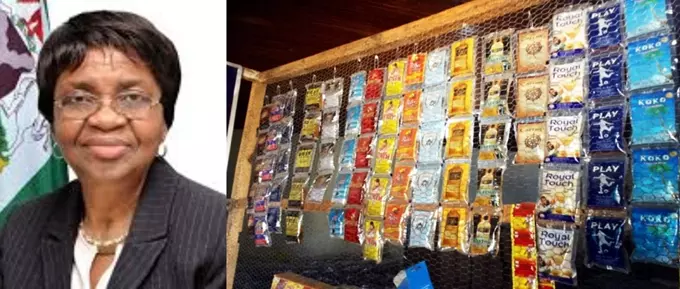
The Office of the Secretary to the Government of the Federation has requested a formal explanation from the Federal Ministry of Health regarding the planned December 31 enforcement of the ban on sachet alcoholic drinks and small PET bottle spirits by NAFDAC. The request came after renewed pressure from the National Assembly, which has repeatedly accused NAFDAC of moving ahead with the ban despite earlier legislative resolutions calling for a suspension. The demand for clarification was contained in a December 1 letter signed by the Permanent Secretary (General Services), Mohammed Danjuma, and addressed to the Coordinating Minister of Health and Social Welfare, Prof. Muhammad Pate, as well as the NAFDAC Director-General. Danjuma, writing on behalf of the SGF, Senator George Akume, referenced concerns raised by the House Committee on Food and Drugs Administration and Control, which noted that resolutions issued since 2024 had not been implemented. The committee’s letter dated November 13, 2025, triggered the call for an updated government stance. The Senate had earlier approved a December 31, 2025 deadline for the phase-out after a motion by Senator Asuquo Ekpenyong, who argued that the timeline aligned with global standards and was meant to reduce alcohol-related harm. He recalled that in 2018, the Health Ministry, FCCPC, NAFDAC and industry stakeholders signed a five-year agreement to discontinue sachet and mini-bottle alcohol due to rising youth addiction linked to low-cost, high-strength liquor. Manufacturers were granted an additional one-year moratorium in 2024 to clear existing stock, but some producers are now pushing for another extension. The House of Representatives had previously advised a suspension of the ban, citing unresolved stakeholder concerns. In its latest message, the House Committee insisted NAFDAC had not complied with the 2024 resolution and urged the Health Ministry to act accordingly. As the government awaits the ministry’s feedback, the SGF stressed the need for a “clear and informed position” before determining whether to proceed with or halt the December 2025 enforcement. With both the SGF and the National Assembly involved, the debate over the sachet alcohol ban is set to intensify as the deadline approaches.  

children-risk.webp

3min1960
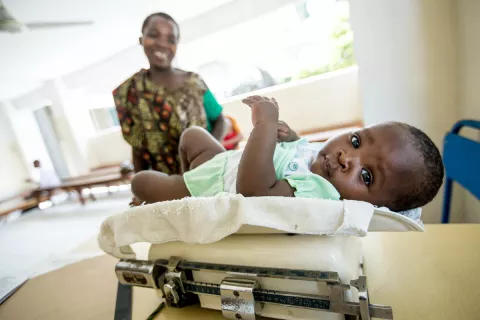
The United Nations Children’s Fund (UNICEF) has called on governments and partners to prioritise HIV services for mothers, children, and adolescents, warning that declining global funding is putting young lives at risk and could undo decades of progress. In a statement marking World AIDS Day 2025, UNICEF noted that children and adolescents living with HIV continue to face significant gaps in early diagnosis and access to antiretroviral treatment, which could worsen if investment in HIV programmes declines. World AIDS Day, observed annually on December 1, highlights the ongoing fight against HIV/AIDS, celebrates progress made, and draws attention to remaining gaps. The 2025 theme is “Overcoming Disruption, Transforming the AIDS Response.” UNICEF cited new modelling by UNICEF and UNAIDS showing that a 50 per cent reduction in programme coverage could result in an additional 1.1 million children acquiring HIV and 820,000 dying from AIDS-related causes by 2040. Even if current coverage is maintained, projections indicate 1.9 million new infections and 990,000 child deaths from AIDS by 2040. Anurita Bains, UNICEF’s Associate Director for HIV and AIDS, warned that persistent inequalities, particularly in treatment access for children, threaten to derail progress. “Countries acted quickly to cushion the impact of funding cuts, but ending AIDS in children is in jeopardy without focused action. The choice is clear: invest today or risk reversing decades of progress and losing millions of young lives,” Bains said. Global data from 2024 show that 120,000 children aged 0–14 acquired HIV, while 75,000 died from AIDS-related causes—approximately 200 deaths daily. Among adolescents aged 15–19, 150,000 became newly infected, with girls accounting for 66 per cent of cases. Only 55 per cent of children living with HIV received antiretroviral therapy in 2024, compared with 78 per cent of adults, leaving 620,000 children untreated. Sub-Saharan Africa remains the hardest hit region, accounting for 88 per cent of children living with HIV globally. Despite these gaps, UNICEF noted that sustained efforts have delivered measurable results. Between 2000 and 2024, HIV services prevented 4.4 million infections and 2.1 million AIDS-related deaths among children. Twenty-one countries and territories have been certified for eliminating vertical transmission of HIV and/or syphilis. UNICEF urged governments to integrate HIV care into broader health systems and ensure predictable, sustainable financing to protect gains and close treatment gaps for the world’s most vulnerable children

website-images-4-1-1280x744.png

7min6960
The European Union Ambassador to Nigeria and the Economic Community of West African States (ECOWAS), Gautier Mignot, has cautioned that foreign manipulation of information poses an increasing threat to democratic institutions and societal stability. He urged journalists to uphold professional standards as disinformation campaigns grow more sophisticated. Mignot spoke in Abuja on Monday during a one-day workshop on Foreign Information Manipulation and Interference (FIMI) organized for members of the Diplomatic Correspondents Association of Nigeria (DICAN). He noted that disinformation is steadily eroding public trust in governance and the media. “False information, regardless of its form or motive, undermines society. It damages media credibility, weakens confidence in public institutions, and diminishes people’s ability to make informed decisions,” Mignot said. He added that the consequences are particularly severe when false information is deliberately designed to mislead the public. Highlighting the role of journalists, the ambassador said they are increasingly targeted as gatekeepers of public knowledge. “Journalists control the flow of information to the public. It is unsurprising, therefore, that they are often frontline targets of FIMI,” he said. He further warned that modern digital tools have made it easier to fabricate texts, images, and videos, complicating efforts to distinguish between authentic and doctored content. “While technology has made communication faster and easier, it also allows deceptive content to spread quickly, often indistinguishable from genuine information,” Mignot explained. Citing a July 2024 European Parliament report, he noted that 85 per cent of people globally are concerned about disinformation, with 38 per cent of EU citizens viewing it as a threat to democracy. He added that Nigeria faces similar challenges, referencing a 2020 report by the Centre for Democracy and Development, which highlighted a significant increase in misleading content exacerbating ethnic and religious tensions. Despite these challenges, Mignot said disinformation offers traditional media an opportunity to reinforce credibility if accuracy is prioritized over sensationalism. “Media must remain reliable, fact-check information, and ensure research for truth leads research for scoops,” he said. He also highlighted how online disinformation increasingly spills into mainstream media, blurring lines between social media content and professional reporting. “It is becoming harder to distinguish between content shared on social media and information broadcast by print, radio, or television,” he noted. Mignot warned that deliberate information manipulation contributes to the spread of anti-democratic narratives in West Africa. “The glamorization of anti-democratic forces as heroes is a clear sign of the damage caused by information manipulation,” he said. The ambassador outlined EU-supported initiatives aimed at boosting media literacy and countering disinformation in Nigeria, including partnerships with fact-checking organizations like Dubawa, editor training programs, and opportunities for Nigerian journalists to participate in media literacy programs in Europe, including first-hand reporting from conflict zones. Explaining the selection of DICAN members for the workshop, he said, “As field reporters covering diplomatic and foreign affairs, you are key conduits of information between Nigeria and the world. Your commitment to combating disinformation makes you ideal participants for this capacity-building session.” Mignot expressed hope that the training would strengthen journalistic integrity and protect Nigeria’s democratic space. “I trust this session will enhance your professional skills and help you fulfill your critical responsibility to society,” he said. Also speaking at the workshop, Sebastian Babaud of the European External Action Service in Brussels described FIMI as a behavior pattern that threatens values, political processes, and international partnerships. He warned that disinformation can endanger both national and global security and requires coordinated responses. Foreign Information Manipulation and Interference have become a global concern over the past decade, driven by the rapid growth of digital technologies. Governments and research organizations have documented how state-linked and non-state actors use coordinated campaigns to polarize societies, undermine democratic processes, and weaken trust in media. The EU has responded through initiatives like the EUvsDisinfo project, launched in 2015 to track disinformation from foreign sources, and has expanded its policies to help member states and partner countries resist cross-border manipulation. Nigeria, with its large online population and diverse socio-political landscape, is considered one of the West African countries most exposed to politically motivated disinformation. Studies show that misleading content often exploits longstanding ethnic, religious, and regional divisions. During elections from 2015 to 2023, researchers observed spikes in fabricated stories, doctored videos, and coordinated online campaigns aimed at shaping political perceptions. Analysts note that these trends mirror global patterns, where domestic and foreign actors exploit digital platforms to influence political discourse. The EU and Nigeria have collaborated for years to strengthen governance, media freedom, and electoral integrity. Through its Abuja Delegation, the EU funds programs to improve fact-checking capacity, support investigative journalism, and enhance digital literacy among media professionals and young people. Partnerships with Nigerian organizations like Dubawa and the Nigerian Guild of Editors form part of a wider strategy to combat harmful information ecosystems.