Author: Lifestyle & Wellness Desk

Petrol-Pump.webp

2min970
The Nigerian National Petroleum Company (NNPC) Limited has lowered the pump price of premium motor spirit (PMS), commonly known as petrol, at its retail outlets in Lagos and Abuja. A survey on Thursday indicated that petrol now sells for N900 per litre in Lagos and N940 per litre in Abuja, representing a N10 drop in Lagos from the previous N910 per litre and a N5 reduction in Abuja from N945 per litre. The adjustment follows a price cut by Dangote Petroleum Refinery three weeks ago, which reduced its ex-gantry petrol price to N828 per litre, influencing nationwide market rates. Earlier, on November 13, the Nigerian Midstream and Downstream Petroleum Regulatory Authority (NMDPRA) announced that the previously proposed 15% ad-valorem duty on imported petrol and diesel would no longer be applied. “It should also be noted that the implementation of the 15% ad-valorem import duty on Premium Motor Spirit and Diesel is no longer in view,” NMDPRA stated. President Bola Tinubu had initially approved the duty on October 21, but regulators later confirmed its reversal.

Doctors-1.jpeg

4min1880
The Federal Ministry of Health has stated that Nigeria’s health sector is experiencing unprecedented growth. According to the ministry, this momentum is driven by major developments across the sector, including international collaborations, technological advancements, and strong private-sector participation. In a statement released on Thursday, the ministry said: “Nigeria’s health sector is witnessing remarkable progress, underpinned by groundbreaking international agreements, technological innovations, and renewed private-sector support that reinforce President Bola Ahmed Tinubu’s vision for a resilient, modern, and globally competitive healthcare system.” As part of this drive, Nigeria recently signed a landmark Memorandum of Understanding with Barbados Pharmaceutical Inc., aimed at boosting local drug production and enhancing regional health security through the Healthcare Value Chain initiative. The agreement focuses on essential medicine manufacturing, regulatory alignment with NAFDAC, and plans to establish a Barbados-linked biomedical hub. Coordinating Health Minister Prof. Muhammad Pate described the partnership as a shared commitment between Nigeria and Barbados to address critical gaps in national and regional health security. Barbados’ Health Minister Dr. Jerome Walcott called it “a defining moment for the Global South.” Prof. Pate also commended President Tinubu and Barbados’ Prime Minister Mia Mottley for their political will, noting that Nigeria’s expanding pharmaceutical capacity and strengthened regulatory framework position the country as a rising leader in continental healthcare. In another milestone, the NNPC/Renaissance Joint Venture donated $300,000 to maintain cancer radiotherapy services at the National Hospital, Abuja, ensuring the uninterrupted operation of its LINAC machine. Since its donation in 2019, the facility has treated over 2,000 patients, reduced radiotherapy costs by 80%, cut treatment time from 12 minutes to two, and provided subsidised care to more than 700 indigent patients. Speaking on behalf of NNPC-NUIMS, Nkechi Anaedobe cited Chief Upstream Investment Officer Engr. Oluwaseyi Omotowa, who emphasised that “sustaining such advanced technology requires consistent funding and proactive maintenance.” The funding will ensure timely servicing, faster repairs, compliance with international standards, and accurate calibration for life-saving treatments, supporting the Federal Government’s efforts to expand accessible cancer care nationwide. Nigeria has also entered the era of robotic-assisted surgery with the unveiling of its first Robotic Surgery Platform, developed by Nisa Medical Group in collaboration with Robomed Global and Nigerian experts in the diaspora. Prof. Pate highlighted that the platform allows for “greater precision, smaller incisions, and quicker recovery,” complementing government reforms such as the expansion of health insurance to 50 million Nigerians. Dr. Ibrahim Wada, founder of Nisa, noted that robotic surgery represents the global standard, offering unmatched accuracy and safety compared with traditional procedures, and positioning Nigeria to advance medical tourism and next-generation clinical care. The ministry stated that these initiatives demonstrate a health sector “moving with purpose,” where global partnerships, innovative technology, and private-sector investments are driving comprehensive reforms. Officials added that the progress “signals a sector on the rise—innovating, expanding, and building the systems required to meet Nigerians’ health needs while contributing to continental health security.”

poly.webp

3min3800
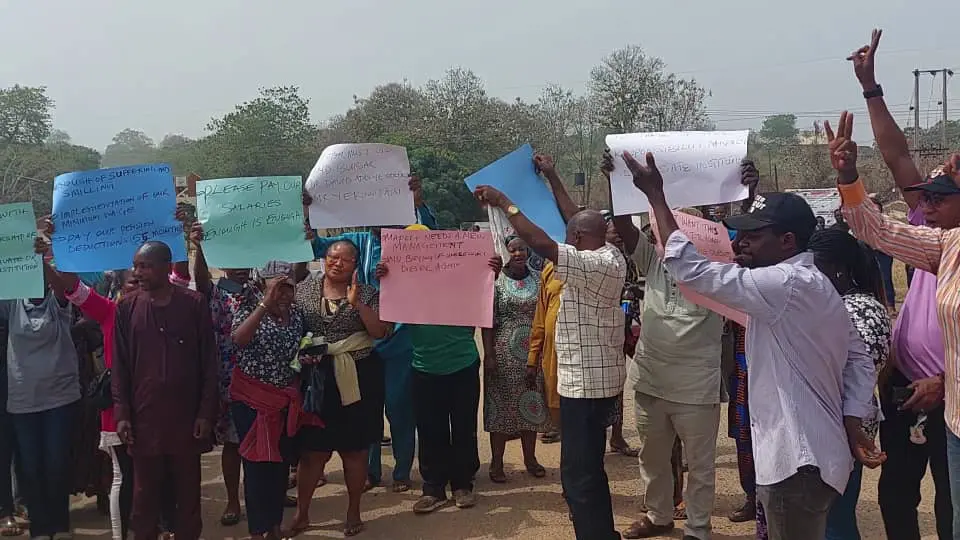
The Senior Staff Association of Nigeria Polytechnics (SSANIP) has raised strong concerns over the government’s failure to settle outstanding promotion arrears owed to polytechnic workers nationwide. The union also expressed worry about rising insecurity, economic hardship, and continued threats to workers’ welfare. Speaking at the 78th General Executive Council Meeting of the association held at the Comrade Olaitan Oyerinde Hall, Labour House, Abuja, on Thursday, SSANIP National President, Philip Ogunsipe, criticised the prolonged delay in the release of new Schemes and Conditions of Service for the polytechnic sector, as well as the slow pace in renegotiating the 2010 Agreement despite multiple assurances from officials. He further lamented the non-disbursement of the 2023 NEEDS Assessment Funds intended for infrastructure development in polytechnics, describing it as a setback to educational growth. Ogunsipe condemned the National Board for Technical Education’s unilateral submission of the reviewed Schemes of Service to the Federal Ministry of Education, calling it a breach of established procedures and a violation of trust between government and labour unions. He noted that outstanding payments owed to staff include promotion arrears, 25%/35% salary review arrears, wage award arrears, and the incomplete implementation of the new national minimum wage. The SSANIP President appealed directly to President Bola Tinubu to intervene and ensure that the concerns of non-academic polytechnic staff are urgently addressed, warning that prolonged neglect could trigger industrial action. SSANIP National Secretary, Nura Gaya, also urged the Federal Government to act promptly on issues affecting non-teaching personnel, while encouraging workers to remain steadfast and committed to duty. Similarly, the National Trustee, Godwin Ikhide, advised members to maintain productivity and called for unity among labour unions as they push for improved working conditions. The association reaffirmed its commitment to advocating better welfare, timely policy implementation, and fair treatment for polytechnic staff across the country.

A-Federal-High-Court-in-Abuja.jpg

4min1050
The National Industrial Court of Nigeria, Abuja division, on Thursday ordered the Central Bank of Nigeria to pay a fine of N620,000 for delaying proceedings in the cases filed by 62 former employees contesting their dismissal. Justice Osatohanmwen Obaseki-Osaghae delivered the ruling after counsel to the ex-staff members, Ola Olanipekun (SAN), raised concerns that the bank’s late filing of a fresh application resulted in an avoidable adjournment on a day fixed for substantial hearing. The 62 disengaged workers, who have filed separate but related suits, are asking the court to overturn the termination letters issued to them on May 23, 2024 under a directive titled “Re-Organisation.” They argue that their sack violated the CBN Act 2007 and internal HR policies, making it unlawful. The claimants seek reinstatement, payment of withheld salaries and entitlements, and complete nullification of the termination. Their lawyer has also filed processes seeking the consolidation of the suits, which previously encountered procedural delays. In 2024, the President of the NICN, Justice Benedict Kanyip, withdrew from the matter after discovering that a member of the CBN’s legal team from D.D. Dodo & Co. is related to him by marriage. Many of the affected workers previously served in the bank’s dissolved Economic Intelligence Unit and maintain that they were unfairly removed despite the unit’s major contributions. Among the unit’s recorded achievements were investigations into the P&ID $11bn arbitration crisis, recovery of N3.18bn hidden by a bank agent, and probes into gaming companies engaged in large-scale, unauthorised FX repatriation. The claimants insist their termination was punitive, arbitrary and intended to dismantle a unit credited with critical intelligence outcomes. During Thursday’s session, Olanipekun said both sides were ready to move forward with the originating summons and the CBN’s outstanding preliminary objection until the bank introduced a fresh motion, filed on November 26 and served that same morning. The new application sought to convert the suit from an originating summons to a writ of summons on the argument that facts were disputed. He urged the court to disregard the motion, describing it as a calculated attempt to stall progress. Olanipekun requested costs of N10,000 for each of the 62 claimants, amounting to N620,000. In response, counsel to the CBN, Wilson Inam (SAN), confirmed filing the motion and apologised for the late service. He maintained that the changes sought were necessary due to factual conflicts requiring a different mode of trial. Justice Obaseki-Osaghae upheld the argument of the applicants, noting that the bank’s fresh filing disrupted the day’s scheduled proceedings. She granted the cost request and ordered that the payment be made before the next sitting.  

guinea-1280x839.jpg

5min3100
The Federal Government has strongly condemned the military takeover in Guinea-Bissau, describing it as a serious threat to democracy and regional stability. In a statement on Thursday, Ministry of Foreign Affairs spokesperson Kimiebi Ebienfa said the government received news of the development “with profound dismay and deep concern,” noting that it constitutes “an unconstitutional change of government in the Republic of Guinea-Bissau.” The statement emphasised that Nigeria “condemns this act of military insurrection, which undermines democratic progress, constitutional order, and stability in Guinea-Bissau and across West Africa.” It also highlighted that the coup “violates the fundamental principles of the ECOWAS Protocol on Democracy and Good Governance, which rejects the assumption of power by unconstitutional means.” Nigeria expressed solidarity with the people of Guinea-Bissau, calling for “the immediate and unconditional restoration of constitutional order, the safety of all detained individuals, and full respect for democratic institutions.” The government also urged Guinea-Bissau authorities to ensure the protection of foreign election observers remaining in the country. “The Nigerian Government calls on the authorities in Guinea-Bissau to guarantee the safety of all election observers still on official assignment,” the statement read. It further appealed for restraint, peaceful dialogue, and respect for the will of the people as expressed through the ballot. Warning that the perpetrators would face consequences, Nigeria stated: “Those responsible for this act will be held accountable for threatening to plunge the nation into chaos and reverse the hard-won gains of its democracy.” The government reaffirmed its commitment to working with regional and international partners to restore stability. “As a key member of ECOWAS and the African Union, Nigeria will collaborate with partners to ensure a swift return to constitutional governance in Guinea-Bissau. We remain committed to promoting democracy, peace, and stability across Africa,” the statement added. Meanwhile, election observers from the African Union and ECOWAS also condemned the military announcement of a coup, describing it as an attempt to derail the democratic process. The crisis erupted on Wednesday when military officers declared “total control” of Guinea-Bissau, closed borders, and suspended elections just three days after general elections were held. Heavy gunfire was reported near the presidential palace, and armed personnel blocked access roads. General Denis N’Canha, head of the presidential military office, announced that a command “composed of all branches of the armed forces was taking over the leadership of the country until further notice,” with soldiers stationed nearby. Incumbent President Umaro Embalo, a frontrunner in the elections, was reported to be inside a building behind military headquarters with key officials. Embalo confirmed over the phone to France24 that he had been deposed. Both Embalo and opposition candidate Fernando Dias had claimed victory, with provisional results expected Thursday. The military cited alleged plots involving “national drug lords” and weapons to alter the constitutional order. The armed forces also suspended media broadcasts, imposed a curfew, and halted all electoral activities. The National Electoral Commission reported being attacked by unidentified gunmen. Over 6,700 security personnel, including members of the ECOWAS Stabilisation Force, had been deployed for the elections, which followed years of political tension. The 2025 polls excluded the PAIGC party and its leader, Domingos Simoes Pereira, over late submissions, a move criticised by the opposition. Critics note that President Embalo has governed by decree since dissolving the opposition-led legislature in 2023, and some argue that his term officially ended on February 27.

gggguuunnnn.jpeg

5min12750
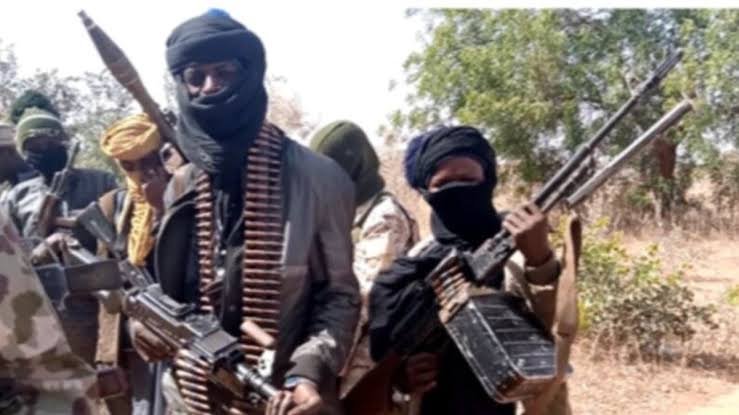
By Henry Umoru, Omeiza Ajayi, Boluwaji Obahopo & Luminous Jannamike A vigilante group in Aiyetoro Kiri, Kabba Bunu Local Government Area, Kogi State, successfully prevented a bandit attack on Kiri High School yesterday, ensuring that students were not abducted. The incident follows recent abductions of 25 schoolgirls from Government Comprehensive Secondary School, Maga, in Kebbi State—who have since been released—and over 300 students from St Mary’s Catholic School in Niger State. Northern CAN Chairman, Rev. John Hayab, revealed that the father of three abducted pupils in Niger died from a heart attack due to the trauma. Consequently, the national Christian Association of Nigeria called on the federal government to act decisively to protect citizens amid the rising wave of attacks. Vigilante Response Members of the Kiri Vigilante Group reportedly acted swiftly to confront the attackers, rescuing all students from potential abduction. Community sources confirmed that no student remained in captivity following the coordinated response. However, the operation resulted in the deaths of one vigilante and one local Hausa resident. Zaccheus Dare Michael, Chairman of Kabba Bunu LGA, confirmed the attack, stating that bandits were resisted and repelled by security teams. In a statement released through his Chief Press Secretary, Omofa John, Michael emphasized that operations by joint security forces and local vigilantes are ongoing to maintain safety and restore confidence in the area. Impact on Families Rev. Hayab highlighted the severe emotional toll on families affected by abductions in Kebbi, Kwara, and Niger. He described the death of Mr. Anthony, whose three children were kidnapped in Niger, as a tragic consequence of the trauma families endure. Hayab stressed that families demand immediate action from security agencies to prevent further harm. Calls for Government Action Northern CAN urged the federal government to implement urgent, decisive measures to safeguard citizens nationwide. Archbishop Daniel Okoh, addressing the 32nd Triennial General Assembly of the Christian Council of Nigeria in Abuja, emphasized that the protection of lives and property is a constitutional and moral obligation that requires swift and uncompromising action. FCT School Closure Controversy Separately, FCT Minister Nyesom Wike condemned officials responsible for an unauthorised circular ordering school closures in Abuja, describing the action as irresponsible and capable of spreading panic. Wike affirmed that no threat justified shutting schools and announced disciplinary measures against those involved. Security agencies remain fully deployed to ensure the safety of students. Senate and House React In the Senate, lawmakers engaged in heated debates over the deteriorating security situation, warning that public confidence in government was at risk. Senator Asiru Yisa (Kwara South) proposed creating a Joint Task Force along the Kwara–Kogi corridor, a known escape route for bandits. Other senators called for immediate reforms and sought international collaboration to address the crisis. The House of Representatives condemned government negotiations with kidnappers, warning that such actions would encourage further violence. Representatives from all six geopolitical zones described engagement with criminal networks as a betrayal of national security and called for firm, decisive protection measures. Atiku Abubakar’s Statement Former Vice President Atiku Abubakar criticized the federal government’s approach to recent abductions, describing the release of kidnapped victims as a reminder that bandits now operate with impunity. He called on authorities to act decisively against criminals rather than relying on negotiations, warning that the current strategy undermines public trust and national security.

senatorss.jpg

6min5790
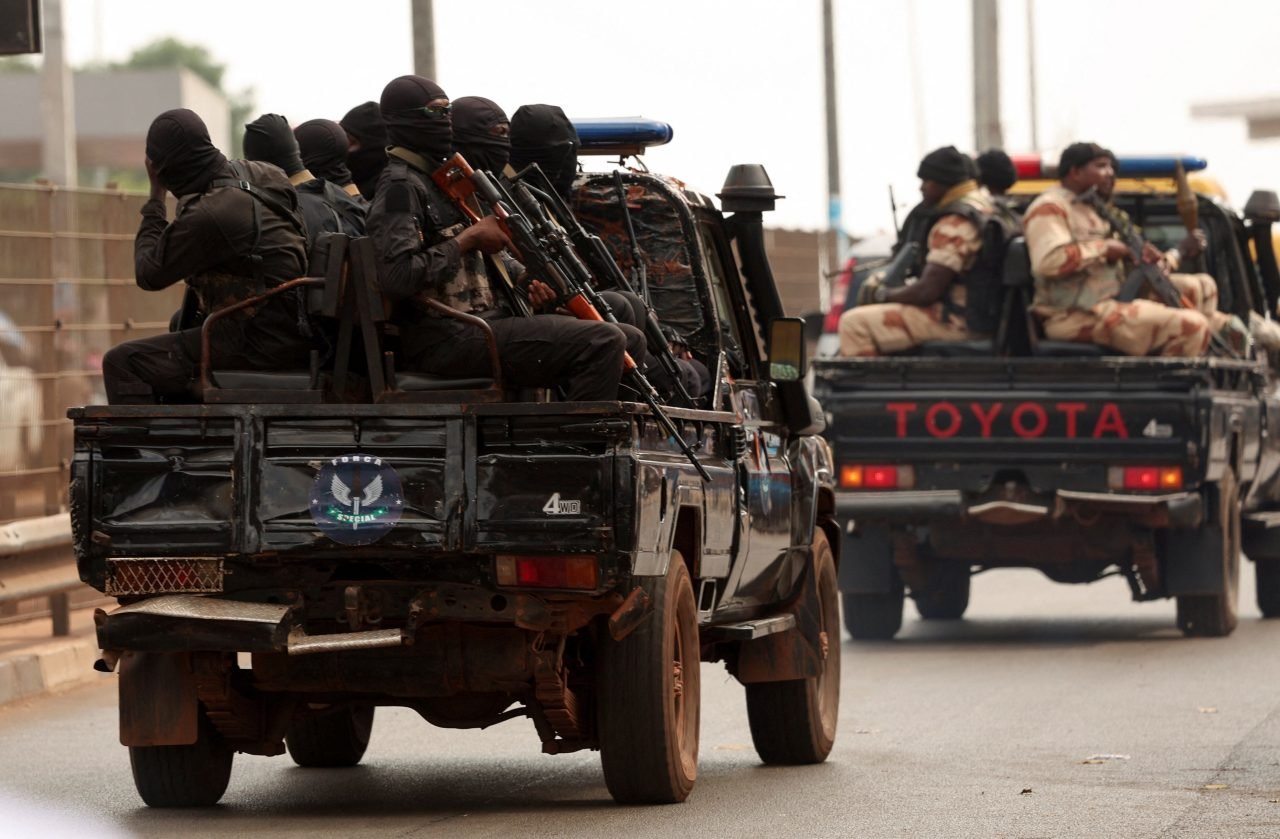
The Senate on Wednesday took a strong stance against Nigeria’s escalating insecurity, declaring kidnapping a form of terrorism and recommending the death penalty for offenders, with no option for fines or judicial reduction of sentences. The resolution followed hours of intense debate triggered by the November 18 attack on Christ Apostolic Church in Eruku, Ekiti Local Government Area of Kwara State, where gunmen killed two worshippers and abducted 38 others. Although all victims were later rescued in joint operations involving the army, police, DSS agents, and local vigilantes, lawmakers warned that the incident exposed the southward spread of insurgent activity and the fragile state of rural security. The decisions stemmed from a motion by Senator Yisa Ashiru (Kwara South) titled “Urgent Need to Address Escalating Insecurity in Kwara, Kebbi, and Niger States and Strengthen National Security Frameworks.” The motion sparked discussions on attacks targeting schools, places of worship, highways, and communities. Senators noted that repeated school abductions had forced closures across Kebbi, Niger, five LGAs in Kwara, and all 47 Federal Unity Colleges. Senator Issa Jibrin (Kogi East) highlighted Nigeria’s critical security manpower deficit, noting that total personnel in the military, police, and paramilitary services “do not total one million,” compared to Egypt’s 1.5 million. He called for urgent equipment upgrades, improved intelligence coordination, and a reserve force to support overstretched troops. Other senators raised concerns over the encroachment of banditry toward Osun through Ekiti-linked communities, areas recently affected by the killings of a retired Army General and a traditional ruler. Lawmakers also blamed poor road networks, which allow criminals to escape easily, urging the Federal Ministry of Works to immediately begin reconstruction of the Idofian–Omu-Aran–Eruku–Egbe–Kabba corridor. Given the rise in brutality and ransom-driven networks, senators resolved that kidnapping constitutes terrorism and must attract the severest punishment. “Capital punishment must apply,” several lawmakers insisted, adding that judges should not have the discretion to reduce sentences for convicted kidnappers. The Senate further urged President Bola Tinubu to enhance the nation’s security architecture. Senator Ali Ndume cautioned that such language should be interpreted carefully, following the recent confirmation of service chiefs. The chamber clarified that its focus is on improving coordination, technology, intelligence, and rapid deployment. In a rare move, the Senate dissolved its Committee on National Security and Intelligence and its Committee on Air Force, directing all other security-related committees to submit written oversight reports and brief the chamber behind closed doors within one week. Lawmakers also moved to strengthen federally supported vigilante groups and called for a review of firearms laws to allow controlled arming of responsible citizens. Earlier, the Senate had adopted a separate motion by Senator Ashiru commending President Tinubu and security agencies for the rescue of abducted victims in Kwara and Niger, while also calling for the creation of a Joint Task Force along the Kwara–Kogi corridor, a known bandit escape route. Debates intensified as senators discussed the abduction of schoolchildren in Kebbi, mass kidnappings in Niger, and the Eruku church attack. Ashiru expressed deep concern over reports that soldiers withdrew from the Kebbi school hours before a bandit attack. Deputy Senate President Barau Jibrin urged Nigeria to seek international collaboration to address the crisis. Senate Leader Opeyemi Bamidele stressed the need for internal reforms, noting gaps in reporting and accountability from security agencies. Senator Enyinnaya Abaribe rejected attempts to blame previous administrations, emphasizing that the current government must take responsibility for recent security lapses. Senate President Godswill Akpabio raised alarms over intelligence breaches, citing incidents where critical information about security personnel had been compromised. Tempers flared when Senator Seriake Dickson accused the majority caucus of downplaying the security situation, prompting protests from APC senators. Senator Adams Oshiomhole defended President Tinubu and demanded an investigation into troop withdrawals, a call the Senate adopted, while renewing its push for the death penalty for kidnappers and highlighting inconsistencies in terrorism sentencing.


Nigerian-medical-doctor.webp

5min2870
Healthcare professionals have called for an urgent reform of Lagos’ patient referral system, including the adoption of a real-time digital bed-availability platform, to address the persistent “no bed syndrome” in hospitals across the state. The call was made on Wednesday during the 2025 Opening Ceremony and Scientific Conference of the Medical Guild, Lagos State. Speaking on the conference theme, “The No Bed Conundrum and Safe Referral: Exploring an Integrated and Effective Referral System in Lagos,” Dr. Babayemi Osinaike, Head of Emergency Medicine at Lagos University Teaching Hospital (LUTH), stressed the need for technology-driven solutions to prevent avoidable deaths caused by delayed referrals. “My message to policymakers is simple: there are no federal or state patients in Lagos—there are only patients seeking care. A patient should be referred between Lagos hospitals seamlessly, without bureaucracy. Policies must ensure everyone receives appropriate care,” Osinaike said. He noted that overcrowding persists because many patients visit tertiary hospitals for conditions that could be managed at primary health centres or via virtual consultations. “Too many people come to hospitals for issues that can be handled online. COVID showed us that physical presence isn’t always necessary. Policies should allow patients with mild symptoms to consult doctors remotely,” he added. Osinaike advocated for a coordinated digital platform linking all Lagos hospitals—state, federal, and private—to update bed availability in real time. “People book flights online and compare availability across airlines. Hospitals should operate the same way. Doctors should be able to check beds at LUTH or LASUTH before making a referral. That alone will save lives,” he explained. He identified ignorance and poor connectivity between facilities as major obstacles to safe referral. “Referral is more than issuing a letter—it is a medical-legal process. Healthcare workers must contact the receiving doctor before referring a patient, yet many are unaware of this,” he said. He also urged stronger primary healthcare, describing PHCs as Lagos’ equivalent of the GP system. “If primary health centres function effectively, fewer people would need to visit LUTH or LASUTH. Many PHCs are underperforming—we must do better.” Speaking on the sub-theme “Workplace Situational Awareness: A Panacea to Improve Patient–Doctor Communication,” public health expert Dr. Olufemi Omololu highlighted poor communication as a major contributor to conflict, misdiagnosis, and litigation. “Patient overload, multitasking, cognitive strain, and misreading non-verbal cues all hinder communication. Situational awareness allows doctors to perceive their environment, understand patient emotions, anticipate crises, and prevent disputes, even among staff,” he said. Omololu stressed that situational awareness is vital for patient-centred care. “It helps doctors adapt communication to patient literacy levels, recognise emotional distress, and show empathy. Integrating this into healthcare training reduces errors, strengthens relationships, and improves safety,” he noted. He recommended simulation training, mindfulness, better clinic design, and structured communication protocols. In his remarks, Medical Guild Chairman Dr. Moruf Abdulsalam reaffirmed the Guild’s commitment to advocating for improved healthcare policies and doctors’ welfare. “The choice of this year’s theme reflects Lagos’ growing pressure on emergency care. The ‘no bed’ challenge directly affects patient outcomes, and our goal is to explore practical solutions that ensure no patient is left stranded,” he said.

aiiiii-delta.jpg

3min3440
Governor Sheriff Oborevwori of Delta State has called on the Manufacturers Association of Nigeria (MAN) to embrace Artificial Intelligence (AI) as a strategy to increase production and competitiveness. The Governor, represented by Mr. Jude Ochei, a Director in the state Ministry of Trade and Investment, made the appeal at the conclusion of MAN’s 39th Annual General Meeting on Tuesday in Asaba, the state capital. Oborevwori highlighted the importance of technological advancement, stating, “Digitalization, green energy, and artificial intelligence are shaping the future of manufacturing. We urge manufacturers to adopt these initiatives to enhance production.” He also noted Delta State’s collaboration with the Bank of Industry through a N1 billion loan scheme aimed at stimulating industrialization. “The state will soon pass a bill on industrial safety to ensure the protection of lives and assets in the manufacturing sector,” he added. Speaking at the event, MAN President, Mr. Francis Otunba, emphasized the rapid evolution of the global economy and the central role of the manufacturing sector. “The Fourth Industrial Revolution is here, and MAN must seize the opportunities it presents. Digital innovation is essential for sector growth, competitiveness, and productivity, and it can significantly increase our contribution to Nigeria’s GDP,” he said. Otunba urged the Federal Government to implement policies discouraging the importation of goods that are locally produced to reduce forex demand. He highlighted that digital technologies can help manufacturers optimize production, enhance supply chains, reduce costs, improve product quality, and create new products and services. He encouraged MAN members to adopt digital innovation, invest in new technologies, upskill the workforce, and collaborate with government, academia, and other stakeholders to drive industrial growth. Mr. Ehizogbe Osadolor, Chairman of MAN’s Edo/Delta branch, noted that automation, robotics, and AI are increasingly being used to improve efficiency and product quality while lowering operational costs. He acknowledged the challenges facing the sector, including the high cost of modern technologies, resistance to change among workers, and the need for ongoing training and skills development to keep pace with technological advancements.

kebbi-girls.jpg

4min3280
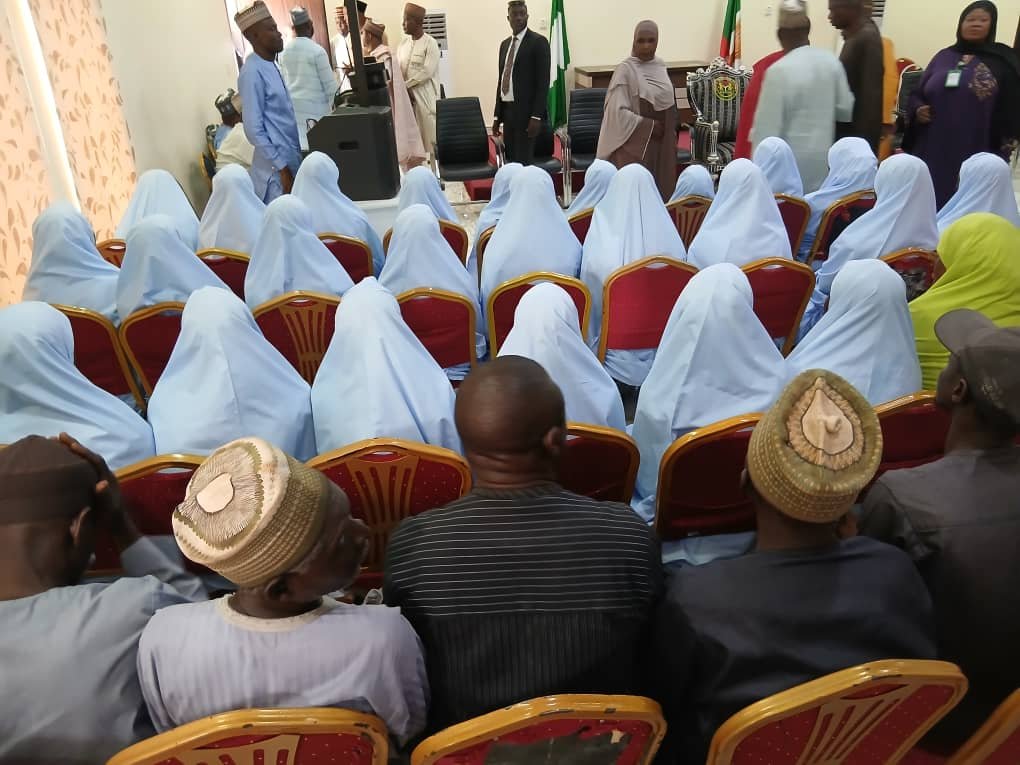
In Birnin Kebbi on Wednesday, the Government House was awash with emotion as parents embraced the 24 schoolgirls of Government Girls Comprehensive Secondary School, Maga, who were rescued after days in captivity. What began as a formal handover quickly became heartfelt family reunions. Governor Nasir Idris personally returned the girls to their parents, one by one, offering a moment of healing for a community that had endured sleepless nights of fear. Mothers wept openly, fathers whispered prayers of thanks, and the girls, who had undergone medical examinations, clung tightly to their families. Each embrace told a story of survival and resilience. Governor Idris, visibly moved, described the moment as “a triumph of faith, unity, and courage,” commending the joint military and security operations that secured the children’s release. He also acknowledged President Bola Ahmed Tinubu’s swift intervention, supported by top security officials, including the Minister of State for Defence, Bello Mohammed Matawalle. The governor encouraged parents to continue supporting their children’s education and reaffirmed Kebbi State’s free schooling policy from primary to tertiary levels. He confirmed that the rescued schoolgirls were in good health and unharmed during their captivity. Malam Illiyasu Garba, father of four of the abducted girls, described the handover as “the end of the darkest week of my life,” while Abdulkarim Abdullahi said the reunion renewed his faith in Nigeria. District Head Muhammad Sani Dantani praised the earlier deployment of armed soldiers to protect the school and ensure safety. Journalists were restricted from interviewing the girls to safeguard their wellbeing. Details regarding any ransom remain undisclosed. Meanwhile, APC National Chairman Prof. Nentawe Yilwatda assured families in Niger State that abducted students and teachers of St. Mary’s Catholic School would soon regain their freedom. Yilwatda visited the Christian Association of Nigeria (CAN) in Niger State and Governor Mohammed Bago, expressing solidarity and prayers for the victims. On a wider scale, the Coalition of Northern Groups (CNG) warned of a coordinated surge in violence across Northern Nigeria. In a statement, CNG National Coordinator Jamilu Charanchi claimed that both foreign and domestic actors were collaborating to destabilize the region. He condemned misinformation and criticized the closure of 47 Unity Schools in the North due to insecurity, describing recent attacks—including kidnappings in Kwara, Kebbi, Niger, and Zamfara, and the murder of a Brigadier General—as politically orchestrated rather than random acts of banditry. He called on the Federal Government to investigate and prosecute those spreading disinformation and fostering instability. Northern Nigeria has faced repeated attacks on educational institutions in recent days. On Monday, armed gunmen raided Government Girls Comprehensive Secondary School in Maga, abducting 24 students and killing the vice-principal. Just days later, St. Mary’s Catholic Primary and Secondary Schools in Papiri, Niger State, were attacked, with hundreds of students and staff kidnapped, although 50 pupils managed to escape. For Kebbi, the safe return of the girls represents more than a government achievement—it is a restored sense of hope and resilience for a community that has endured trauma and fear.