Author: Lifestyle & Wellness Desk

goldd.webp

3min4920
The Alaafin of Oyo, Oba Akeem Owoade, has revealed that 16 gold-plated beaded crowns were taken from the palace during the British invasion of Oyo in November 1895, describing them as vital symbols of Yoruba cultural, spiritual, and historical heritage. Oba Owoade made the disclosure while receiving the Director-General of the National Commission for Museums and Monuments (NCMM), Olugbile Holloway, at his Boroboro residence in Oyo town, Oyo State. According to the Alaafin’s Director of Media and Publicity, Bode Durojaiye, Holloway assured that the commission “will work diligently on the repatriation of Oyo artifacts, just as it has done for Benin.” Oba Owoade emphasised the significance of the stolen crowns, stating, “About 16 gold-plated beaded crowns were taken during the raid of the palace in November 1895. These artifacts are cultural symbols, carrying spiritual and historical importance, and their return is crucial for preserving our heritage and identity.” He highlighted that the old Oyo Empire was “a formidable political and military power, renowned for its administrative sophistication and cultural influence. Its artifacts, including sculptures, regalia, and other items, document the history, governance, and daily life of that powerful era.” Oba Owoade added that the removal of such artifacts during 19th-century British punitive expeditions reflects colonial aggression, serving as tangible reminders of how Britain asserted trade dominance and expanded its colonies. He stressed that as the traditional custodian of these cultural treasures, the Alaafin sees their return as a step toward cultural rejuvenation, national pride, and economic growth through cultural tourism. Archbishop Emeritus Ayo Ladigbolu provided historical context, noting that the stolen Oyo artifacts hold deep cultural, spiritual, and historical value, linking the Yoruba people to their powerful past. He said, “Their removal during colonial conflicts represents a historical injustice and a loss of identity. These objects are not merely art; they are essential for preserving heritage, identity, and the spiritual well-being of the community. They are vital for traditional ceremonies and festivals, and their absence diminishes the context and meaning of our cultural legacy.” Both the Alaafin and NCMM officials expressed optimism that ongoing repatriation efforts would restore a crucial part of Yoruba history and identity.        

taxxx.webp

6min6450
The Nigerian Tax Act, 2025, effective January 1, 2026, introduces reforms aimed at transforming the economy, promoting equity, improving the financial capacity of low- and middle-income earners, and closing Nigeria’s infrastructure gap. To ensure compliance, the Act prescribes penalties for various breaches, summarized below: Failure to Register N50,000 for the first month of default; N25,000 for each subsequent month. Failure to File VAT Returns N100,000 for the first month of default; N50,000 for each subsequent month. Failure to Keep Books N50,000 for companies. Failure to Grant Access for Technology Deployment N1,000,000 for the first day of default; N10,000 for each subsequent day. Failure to Use Fiscalisation System N200,000 plus 100% of tax due and interest at the prevailing CBN monetary policy rate. Failure to Deduct Tax 40% of the amount not deducted. Failure to Make Attribution N100,000 penalty. Failure to Remit Tax Deducted at source: Pay the tax withheld but not remitted, plus 10% administrative penalty per annum and interest at CBN rate. Self-accounted tax: Pay the unpaid tax, plus 10% administrative penalty per annum and interest at CBN rate. Conviction for Offences under the Act Imprisonment up to 3 years, or a fine of not less than the principal amount due plus a penalty of up to 50%, or both. Failure to Respond to Demands, Requests, or Notices N100,000 on the first day; N10,000 for each subsequent day. Failure to provide requested tax information, documents, or records: N200,000 first day; N10,000 for each subsequent day. Non-compliance with Legal Arrangements, Rules, or Circulars N1,000,000 on the first day of default; N10,000 for each subsequent day. Additional penalties may apply, including suspension or revocation of operating licenses. Failure to Stamp Documents 10% of unpaid duty plus interest at prevailing CBN rate. Failure to Disclose Facts in a Dutiable Instrument N100,000, or on conviction, a fine of N50,000 or imprisonment up to 3 years, or both. Failure to Notify Change of Address N100,000 for the first month; N5,000 for each subsequent month. Fraud Related to Stamps Imprisonment up to 3 years or a minimum fine of N2,000,000, or both. Offences by Authorised or Unauthorised Persons Fine of 200% of the sum in question, or imprisonment up to 3 years, or both. Inducement of an Authorised Officer Individual: N500,000; Corporate body: N2,000,000; or imprisonment up to 3 years, or both, plus tax payment. Use of Weapon in Committing Tax Offences Carrying a weapon: imprisonment up to 5 years. Injuring a tax officer while armed: imprisonment up to 10 years. Impersonation of an Authorised Officer Fine up to N1,000,000, or imprisonment up to 3 years, or both. Aiding and Abetting an Offence N1,000,000 or imprisonment up to 3 years, or both. Obstruction of Tax Officials Obstructing, assaulting, or impeding officers: N1,000,000 administrative penalty; on conviction, fine up to N1,000,000 or imprisonment. This framework ensures accountability, discourages tax evasion, and promotes effective enforcement of tax laws in Nigeria.

UNICEF.webp

6min3020
The United Nations Children’s Fund (UNICEF), the Nigerian Guild of Editors, and child rights advocates have called for urgent, coordinated action to address the obstacles preventing Nigerian children from fully enjoying their rights, including access to education, healthcare, clean water, and protection. With insecurity in the North forcing widespread school closures, the stakeholders emphasised the need for stronger measures to safeguard children from attacks. Speaking at a World Children’s Day symposium held on Tuesday at the Sheraton Hotel, Ikeja, the representatives of UNICEF and media leaders urged full implementation of the Safe Schools Declaration and stressed prioritising children’s mental and physical well-being. They called on the Federal Government to treat the worsening insecurity as an urgent national emergency and to protect children from violence while encouraging journalists to amplify children’s voices through accurate reporting. The event, themed “Equipping the Nigerian Child for the Future: How Prepared Are We?”, addressed growing concerns over children’s safety, education, nutrition, and health. Mr. Eze Anaba, President of the Nigerian Guild of Editors, described Nigeria as being in a “state of emergency” over the deteriorating conditions affecting children. He noted that recent attacks and abductions show children have become primary victims of violence, warning that the bloodshed must stop. “Nigeria has over 220 million people, half of whom are children. What happens to our children affects the entire nation,” he said, expressing concern over the country now having the world’s highest number of out-of-school children. He urged media professionals to prioritise evidence-based reporting on child rights and protection issues, emphasising the importance of amplifying the voices of the voiceless and practising solution-oriented journalism. Anaba called for stronger collaboration among media, civil society, UNICEF, and government agencies, pledging his personal commitment to advocating for the rights and safety of Nigerian children. UNICEF Nigeria Representative Ms. Wafa Saeed highlighted that millions of children remain unvaccinated and face acute malnutrition, revealing that three out of four 10-year-olds are unable to read and understand a simple text. She stressed the need to accelerate the implementation of the Safe Schools Declaration and invest in routine immunisation, quality education, nutrition, and child protection to build a stronger future for all Nigerian children. Mr. Michel Deelen, Consul General of the Kingdom of the Netherlands in Lagos, said many Nigerian schools lack roofs, water, sanitation facilities, and teachers, describing the situation as unacceptable. He reaffirmed the Netherlands’ support for UNICEF and stressed that functioning schools are critical for national progress. Mr. Lanre Idowu, Chairman of the Diamond Awards for Media Excellence (DAME), urged the media to provide deeper, human-centred reporting that goes beyond episodic coverage, stressing that protecting children today guarantees Nigeria’s future. During the panel session moderated by Dr. Chinonso Egemba (Abroko Doctor), UNICEF Deputy Country Representative Ms. Ronak Nkan explained that resource allocation is guided by evidence, pointing out stark regional disparities. While almost 90 percent of Lagos households have access to safe water, only 3 percent do in Kebbi State. She emphasised that all children, regardless of birthplace, deserve equal opportunities and that investments focus on those most deprived. Mrs. Mariam Fitumi Shaibu, Deputy Director at the Federal Ministry of Women’s Affairs, highlighted government initiatives for out-of-school children, including the National Commission for Out-of-School Children, the Adolescent Girls Initiative for Learning and Empowerment (AGILE), and the Lumina Project. She also announced a National Policy on Menstrual Health and Hygiene, currently under review, aimed at reducing absenteeism among girls. Mr. Henshaw Ogubuike, Director of Public Communication at the National Orientation Agency, said the Ministry of Information has intensified nationwide campaigns to promote child rights and safety, leveraging state offices and federal centres to counter misinformation and raise awareness.  

hemp.png

2min2750
Troops of the Joint Task Force, Operation Whirl Stroke, have apprehended two herders accused of trespassing on community farmlands and destroying crops during a routine harvest-season patrol in Makurdi, Benue State. The incident occurred on November 20, 2025, when soldiers deployed at Zongo Akiki intercepted the herders after they allegedly led their cattle into cultivated lands belonging to local residents. In a statement on Tuesday, the operation’s spokesperson, Lieutenant Ahmad Zubairu, said: “In a sustained effort to protect farmers and safeguard food security during the peak of the harvest season, our troops arrested two herders who were found trespassing and damaging crops on community farmland. The prompt intervention prevented further destruction and potential conflict with the farmers. The suspects are now in custody for further investigation and legal action.” The Force Commander, Major General Moses Gara, commended the troops for their professionalism and urged residents to avoid taking the law into their own hands. He warned that violence or reprisals escalate tensions and undermine peaceful coexistence. He also advised herders to abide by the law and refrain from activities that threaten security and order. Major General Gara reaffirmed the operation’s commitment to protecting farmlands and ensuring a safe environment for legitimate economic activities.

IMG7633Asian-Markets.png

3min1230
Asian equities strengthened further on Wednesday, extending a global market rebound after fresh, weaker-than-expected US economic figures boosted expectations of another Federal Reserve rate cut next month. Sentiment was also lifted by reports that President Donald Trump’s chief economic adviser is currently favoured to lead the Federal Reserve when Jerome Powell’s term ends, adding momentum to risk appetite after recent market hesitation. Investor confidence has grown this week as several Federal Reserve officials signaled support for a third consecutive rate reduction in December, with labour-market concerns now outweighing inflation pressures. Newly released US data — delayed by the government shutdown — further strengthened the case for monetary easing. Figures showed that private employers shed an average of 13,500 jobs weekly in the four weeks to November 8, retail sales slowed more than forecast in September, and consumer confidence fell to a seven-month low as households voiced deeper concerns about job security and income prospects. Wholesale inflation rose in September, though broadly in line with expectations, largely driven by higher goods prices — a sign of rising cost pressures for businesses. Market analysts noted that even outdated economic reports influenced trading sentiment due to the current scarcity of fresh macroeconomic indicators. The outlook for looser policy was reinforced by reports that Kevin Hassett, head of the White House National Economic Council and a strong supporter of lower interest rates, is a leading contender for the Fed chair role. Analysts believe that if appointed, he could advance the administration’s push for more aggressive rate cuts. Wall Street recorded a third straight session of gains, and major Asian indices followed suit. Seoul surged more than two percent, Tokyo rose 1.9 percent, while Taipei, Hong Kong, Sydney, Singapore, Mumbai and Wellington also advanced. Shanghai, Jakarta and Bangkok, however, slipped. The rebound comes after earlier caution in November, driven by concerns over tech-sector valuations and the long-term sustainability of investment in artificial intelligence. Corporate earnings also influenced sentiment, with Alibaba shares falling after profit declined due to increased spending on consumer subsidies and data-centre development. Market snapshot (07:05 GMT): Tokyo Nikkei: +1.9% Hong Kong Hang Seng: +0.4% Shanghai Composite: -0.2% Euro/US dollar: $1.1585 West Texas Intermediate crude: +0.3% to $58.13 Brent crude: +0.3% to $62.66 Dow Jones (previous close): +1.4% FTSE 100 (previous close): +0.8%

KANU-COURT.jpg

2min5590
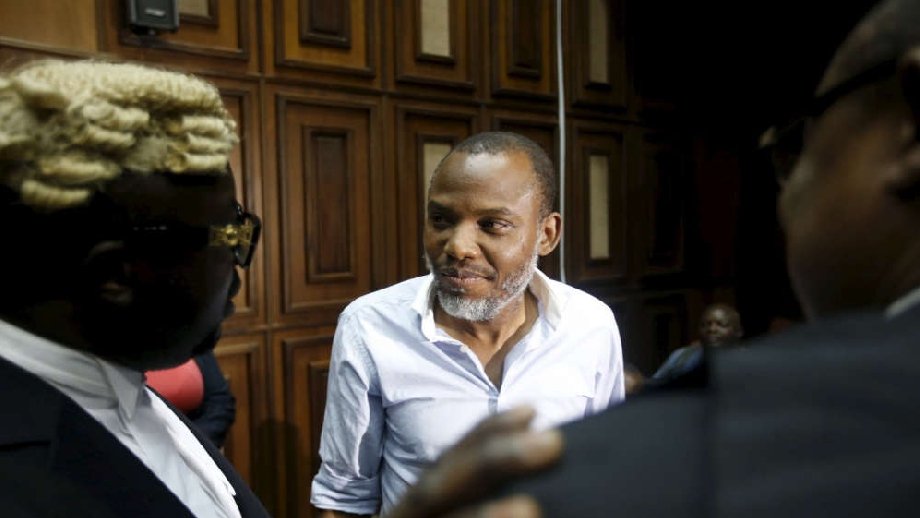
Former counsel to the Indigenous People of Biafra and human rights advocate, Sir Ifeanyi Ejiofor, has said that the release of IPOB leader, Mazi Nnamdi Kanu, can only be achieved through a coordinated intervention led by credible Igbo political figures in consultation with appropriate authorities. In a statement issued on Tuesday, Ejiofor stressed that emotions and misinformation will not secure Kanu’s freedom, noting that the situation requires strategic engagement rather than public outbursts. He described Kanu’s case as a complex mix of legal, political and diplomatic elements, adding that it is time for a well-organised and high-level approach. According to him, influential Igbo leaders with unquestionable integrity, alongside respected legal experts, should drive the process. Although he withheld specific names, he said such a group should include notable figures from the South-East, federal officials of Igbo extraction, and nationally recognised personalities. Ejiofor explained that once the political front is established, a team of top-tier legal minds must be constituted to take full charge of the ongoing legal matters, especially those at the appellate level. However, he emphasised that no legal move should be made until the joint legal-political team secures Kanu’s personal mandate through a visit to the correctional facility. He added that discreet engagement with the Federal Government should follow immediately, aimed at reaching a practical resolution, and warned that filing appeals without groundwork and proper alignment would be ineffective. Ejiofor maintained that the process must be handled quietly and without publicity, assuring supporters that Kanu’s freedom remains attainable with discipline, strategy, and the right leadership steering the effort.  

aa-18.jpeg

4min4880
The European Union and its partners have unveiled a new digital innovation hub for women in Kano, reinforcing their commitment to reviving the state’s once-thriving textile industry. In a statement issued in Abuja, the EU announced the opening of the Women Venture Studio Digital Innovation Hub, a platform aimed at empowering women-led enterprises and expanding their participation in Nigeria’s digital economy. Seen as a major step toward boosting economic inclusion in northern Nigeria, the hub will offer women entrepreneurs digital skills training, market access and strong business networks to help them compete in an increasingly technology-driven global market. With an emphasis on digital literacy, sustainable business models and circular fashion, the initiative blends technology and creativity to build a competitive female workforce prepared for future economic demands. Speaking at the launch, Inga Stefanowicz, Head of Green and Digital Economy at the EU Delegation to Nigeria and ECOWAS, said the hub reflects the power of collaboration. “The European Union is proud to support this initiative, but it is local partners like GIZ who are truly bringing this vision to life,” she said. “We are here to enable, but it is the innovators, entrepreneurs and communities who will sustain this work.” She praised Kano’s cultural influence and its emerging potential in digital innovation. “The Women Venture Studio shows how we can merge local heritage with technology to foster growth and empower women,” she added. Lead Partner of the Women Venture Studio, Mariam Lawan Gwadabe, described the launch as the result of years of effort and partnership. “Nothing worthwhile comes easily,” she said. “This hub is a testament to resilience and the belief that women in northern Nigeria can drive economic transformation.” She noted that the project draws inspiration from Kano’s textile legacy. “Kano was once the ‘Manchester of textiles’ in West Africa. We aim to revive that legacy using digital tools and circular-economy principles to create sustainable opportunities for women.” Thuweba Diwali, Country Lead at the Digital Transformation Centre Nigeria represented by Daniel Ritter said the hub marks a strategic investment in inclusive economic development, applauding partners for “never stopping, driving and pushing to reach this moment.” Kano State Deputy Governor Aminu Gwarzo welcomed the initiative and reaffirmed the government’s commitment to expanding opportunities for women. “Empowering women is not just a policy it is a catalyst for Kano State’s digital future,” he said, noting that the state is prioritising women’s skills development across all 44 LGAs. Their “ideas, resilience and leadership,” he added, will shape a more inclusive and technologically advanced Kano. The Women Venture Studio supports the EU’s broader goals for digital transformation and private-sector growth in Nigeria, with a long-term objective of demonstrating how investment in women-led innovation can drive sustainable economic development. Kano’s textile industry, once famed across West Africa for its indigo-dyed fabrics and intricate embroidery, flourished from the 15th century and earned the city the title “Manchester of Africa.” However, decades of decline driven by cheap imports, limited technology and low investment have weakened the sector. Current initiatives such as the EU-backed Women Venture Studio and the Kano Textile Hub aim to revive this heritage by blending traditional craftsmanship with digital innovation, circular fashion and targeted skills training for women entrepreneurs.

aa-17.jpeg

4min3460
Japan, in partnership with the World Health Organisation, has delivered a $500,000 package of medical supplies, surveillance tools, training, and emergency preparedness support to strengthen Nigeria’s fight against cholera. As part of the intervention, life-saving commodities worth $104,951 were handed over to the Federal Government through the Nigeria Centre for Disease Control and Prevention (NCDC) in Abuja. The WHO said the support is designed to improve Nigeria’s capacity to quickly detect, contain, and respond to outbreaks, reducing sickness and deaths. Cholera continues to pose a significant health challenge. Between January 1 and August 31, Nigeria recorded 9,738 cases and 234 deaths across all 36 states and the FCT, with the North-East and North-West most affected. The WHO currently places the country’s Case Fatality Rate at 2.4 per cent. At the handover event, WHO Representative and Head of Mission to Nigeria, Dr Pavel Ursu, said the donation came at a critical moment as cholera transmission remains high in communities lacking clean water and sanitation. “I thank the government and people of Japan for their generosity. The $500,000 grant has catalysed interventions that protect vulnerable Nigerians and strengthen emergency response,” Ursu said. He noted that the cholera kit of 29 modules—including medicines, equipment, logistics materials, and renewable supplies can support treatment for 100 patients in the early days of an outbreak. It is one of 14 kits procured under the Japan grant, alongside thousands of oral rehydration solutions and other essential materials. Ursu added that the supplies will be deployed to high-risk areas identified through surveillance, while the WHO continues to support laboratory capacity, case management, and hygiene promotion. Japan’s Ambassador to Nigeria, Suzuki Hideo, said the commodities were procured under Japan’s Supplementary Budget Project on Cholera Preparedness and Response in collaboration with the WHO. “The Government of Japan believes every life is precious and that timely action can prevent avoidable deaths,” he said. The support includes diagnostic kits, rehydration supplies, logistics assistance, and nationwide training for health workers through cholera readiness workshops. He noted that Japan is also funding two additional cholera projects in Nigeria one with the UN Office for Project Services to equip the NCDC in Lagos, and another with the UN Industrial Development Organisation to train food vendors, water vendors, and waste workers in infection prevention. Together, the three projects total $1.72m. NCDC Director-General, Dr Jide Idris, said the intervention aligns with Nigeria’s National Strategic Plan of Action on Cholera Control (2025–2029) and will strengthen detection, treatment, and rapid response at all levels. He said the donations include central and periphery cholera kits, oral rehydration point kits, infection prevention materials, diagnostic tools, sanitation hardware, and logistics support for treatment centres nationwide. While acknowledging progress in diagnostics and vaccine deployment, Idris noted that antibiotic resistance and gaps in water, sanitation, and hygiene infrastructure remain key challenges. WHO Emergency Team Lead, Ann Fortin, said 134 local government areas have been identified as high-risk, with interventions underway. “As of October 2025, all 36 states and the FCT have benefitted from cholera readiness training,” she said, adding that essential medicines valued at $104,000 have been procured and community-based surveillance strengthened in Kebbi and Sokoto LGAs. She emphasised that although efforts target the 134 priority LGAs, the broader aim is to reduce cholera transmission and deaths across all rural communities.

Nnamdi-Kanu-1nk-e1761209319678.jpg

3min2660
The family of jailed Indigenous People of Biafra (IPOB) leader Nnamdi Kanu has rejected the recent judgment delivered by Justice James Omotosho of the Federal High Court, Abuja. In a statement issued on Monday and signed by Emmanuel Kanu on behalf of the Okwu Kanu family, they said they were speaking “with heavy hearts but absolute clarity” regarding the court’s decision. The family noted that “we raised several legal points in court, including Section 36(12) of the Constitution, Supreme Court decisions on repealed laws, and previous directives related to earlier charges.” They emphasised the importance of constitutional safeguards, stating, “No person shall be convicted unless the offence is defined in a written law in force at the time,” citing previous Supreme Court rulings that uphold this principle. They also expressed concerns about the legal reasoning in the ruling, particularly regarding the use of transition or savings clauses. According to the family, such clauses may not apply in Kanu’s case because “Mazi Nnamdi Kanu’s matter was not pending.” They noted that the Court of Appeal had previously discharged and acquitted him, which, in their view, terminated all charges. The subsequent case before Justice Omotosho, they argued, constituted “a new case, commencing de novo,” and could not be “saved” by a transition clause. The family further highlighted constitutional protections under Section 36, stressing that “the right to be tried only under laws in force, to be informed of the exact charges, and not to be convicted under repealed or non-existent laws cannot be overridden.” They added, “No transition clause can override Section 36. No statute can override the Constitution. No judge can override the Supreme Court.” The statement concluded with a call for strict adherence to the Constitution and established legal procedures, noting, “All proceedings should align with existing laws and procedures.” Justice Omotosho had sentenced Kanu to life imprisonment on counts one, two, four, five, and six, opting for life imprisonment rather than the death penalty. He was also given a 20-year jail term on count three and a five-year term on count seven, both without the option of fines, after being convicted on all seven counts of terrorism offences.  

Hiv-Screening-1280x731.jpg

2min1620
The Federal Ministry of Health and Social Welfare has cautioned the public against a fake graphic circulating online that falsely claims HIV prevalence in Port Harcourt has “increased to 86%.” In a statement posted on X on Sunday, the ministry clarified that the figures being shared are completely inaccurate and do not reflect any official health data. It stated, “No state in Nigeria has an HIV prevalence rate anywhere close to the numbers being circulated. The Ministry did not issue any such alert, and the wording, figures, and format of the graphic are inconsistent with official communication.” The ministry added that accurate HIV data is available through the National AIDS and STIs Control Programme, the National Agency for the Control of AIDS, and official publications of the ministry. The fake graphic, designed to look like an official advisory, falsely claims that HIV rates in Port Harcourt jumped from 43% to 86%, with hundreds of thousands of men and women affected, and that 40% of cases involve individuals aged 16 to 25. It also ends with a misleading “public announcement” calling the city unsafe. The ministry urged Nigerians to ignore the fabricated message, avoid spreading unverified health information, and rely solely on credible government sources for updates. It reaffirmed its commitment to providing accurate, evidence-based health information to safeguard the wellbeing of citizens.