Author: Lifestyle & Wellness Desk

who.jpeg

4min3420
Nigeria currently tops Africa in reported diphtheria cases, recording 8,587 confirmed infections and 884 deaths between January 1 and November 2, 2025, according to new data obtained from the World Health Organisation. The WHO report shows that Nigeria continues to account for the highest burden of diphtheria in the region. It noted that the country recorded 12,150 suspected cases within the same period, spread across 240 Local Government Areas in 30 states. Only three per cent of confirmed cases were verified through laboratory testing, with most diagnosed clinically. Médecins Sans Frontières (Doctors Without Borders) recently announced that it has expanded its diphtheria response in partnership with state ministries of health, following a significant rise in cases in Borno, Kano, and Bauchi. MSF said hundreds of suspected cases reported over the past three months have overwhelmed health facilities, exposing major gaps in treatment capacity and vaccination coverage. Children and adolescents remain the most affected group, with the WHO warning that more than two million children in Nigeria are under-immunised or have received no vaccines at all. The agency highlighted that low vaccination coverage is fuelling transmission. Reactive vaccination campaigns have been carried out in Imo, Kaduna, and Lagos, but challenges persist, including vaccine shortages, weak infection control, delayed lab confirmation, and limited communication materials. The WHO added that discussions are ongoing with Gavi, the Vaccine Alliance, to secure additional support. WHO/UNICEF immunisation estimates for 2024 show 71 per cent coverage for the first DTP dose and 67 per cent for the third. Across Africa, several countries are also battling diphtheria outbreaks: Algeria recorded an outbreak in Skikda province in October 2025, reporting 13 suspected cases, eight confirmed, and two deaths, mainly among unvaccinated individuals. Chad reported 4,462 suspected cases and 47 deaths, with only four confirmed due to laboratory limitations. Guinea has documented 476 suspected cases and 123 deaths since June, with over 80 per cent occurring in Siguiri district. Mali confirmed 430 suspected cases and 29 deaths across seven regions, with rapid spread from three to 30 affected districts in six weeks. Mauritania recorded 849 suspected cases, 318 confirmed, and 33 deaths, with most cases among children and adolescents aged five to 19. Niger reported 1,926 suspected cases and 122 deaths, primarily in Agadez, Diffa, and Zinder. South Africa has reported 106 cases, including confirmed respiratory infections and asymptomatic carriers across five provinces, with the Western Cape most affected. Between January 1 and November 2, 2025, the WHO African Region recorded 20,412 suspected diphtheria cases and 1,252 deaths across eight member states. Of these, 9,864 cases were confirmed through laboratory tests, clinical diagnosis, or epidemiological links. Women, children aged 5–18, and young adults under 30 remain the most affected, reflecting wide immunity gaps. The WHO described the resurgence of diphtheria in multiple countries as a major public health concern, prompting its classification as a grade two emergency. Response efforts are being challenged by global shortages of diphtheria antitoxin and limited laboratory capacity. The organisation stressed that effective control requires coordinated action involving case detection, surveillance, laboratory confirmation, clinical care, infection prevention, community engagement, and strong routine immunisation systems.  

A-Federal-High-Court-in-Abuja.jpg

3min1190
The Federal High Court has requested the arrest and investigation of a blogger who published a false claim that Justice James Omotosho narrowly escaped an assassination attempt following his conviction and life sentencing of IPOB leader Nnamdi Kanu. The misleading report, shared on Facebook, alleged that the judge was attacked on Saturday morning—two days after delivering the judgment—and was rushed to a hospital while security operatives secured the scene. In a statement issued on Sunday, the Chief Registrar of the Federal High Court, Sulaiman Hassan, dismissed the story as completely untrue. The statement, titled “Rebuttal to False Publication by ‘Celebrity Blogger’ on the Alleged Assassination Attempt on Justice James Omotosho of the Federal High Court,” stressed that the claims were fabricated. Hassan said, “The attention of the Federal High Court has been drawn to a publication alleging that Justice James Omotosho survived an assassination attempt following the life sentence imposed on Nnamdi Kanu. We categorically state that the report is false and unfounded. The public is urged to disregard it and avoid spreading misinformation.” He called on security agencies to investigate the matter, noting that such reports can create public panic and erode confidence in the judiciary. According to him, the seriousness of the allegation suggests it may have been intended to intimidate the court. He urged security and regulatory authorities to identify those behind the publication and prosecute them under relevant laws, including those on cybercrime, defamation, and misinformation. Justice Omotosho had, on Thursday, convicted Kanu of terrorism charges and sentenced him to life imprisonment. Although the law allows a death sentence, the judge opted for leniency, citing his Christian faith and referencing Matthew 23:23. He also ordered that Kanu be kept in protective custody outside Kuje Correctional Centre, barred him from using digital devices unless monitored by the Office of the National Security Adviser, and directed that the radio transmitter used by IPOB be forfeited to the Federal Government. Kanu has since been transferred to the Sokoto Correctional Centre.

trump-vv.jpg

3min1740
Former U.S. President Donald Trump has again criticised the Nigerian Federal Government over what he described as targeted attacks on Christians in the country. Speaking in an audio clip aired on Fox News Radio’s The Brian Kilmeade Show on Friday, Trump accused Nigerian authorities of failing to address ongoing violence and warned that U.S. financial support to Nigeria could be withdrawn if the situation persists. “I think Nigeria is a disgrace. The whole thing is a disgrace. They are killing people by the thousands. It is a genocide, and I am really angry about it,” Trump said in the recording, alleging that the Nigerian government has been ineffective in curbing the killings. He claimed that U.S. subsidies to Nigeria may be halted if the violence continues unchecked. “We give a lot of subsidy to Nigeria. We are going to end up stopping. The government has done nothing. They are very ineffective. They are killing Christians at will,” he added, insisting that the issue had not received sufficient international attention until he spoke out. Trump has previously labelled Nigeria a Country of Particular Concern over alleged attacks on Christians, asserting that Christianity in the country faces an “existential threat.” He warned that if the Nigerian government fails to act, the American response would be “fast, vicious, and sweet.” His latest comments heightened diplomatic tensions, prompting the Nigerian government to dispatch a delegation to Washington for high-level discussions. U.S. Defense Secretary Pete Hegseth met with Nigeria’s National Security Adviser, Nuhu Ribadu, at the Pentagon on Thursday, where he reportedly urged stronger action against attacks on Christian communities. Additionally, U.S. Congressman Riley Moore held talks with the Nigerian delegation on Wednesday in Washington, DC, describing the discussions as “frank, honest, and productive,” with a focus on counterterrorism cooperation and protecting vulnerable populations. Members of the Nigerian delegation included Minister of State for Foreign Affairs Bianca Ojukwu; Inspector-General of Police Kayode Egbetokun; Attorney-General of the Federation Lateef Fagbemi (SAN); Chief of Defence Staff Gen. Olufemi Olatunbosun Oluyede; and Chief of Defence Intelligence Lt. Gen. Emmanuel Undiendeye, among others.

aa-4.webp

2min1700
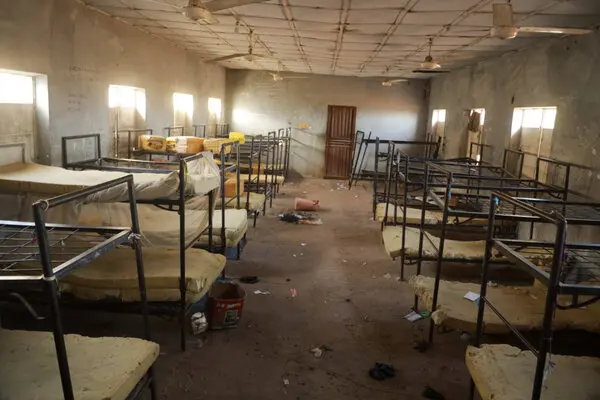
The Kebbi State Government has ordered the immediate closure of all public and private primary and secondary schools amid rising security threats, marking one of the most extensive education shutdowns the state has seen in recent years. The directive also extends to all state-owned tertiary institutions, except the College of Nursing Sciences, Birnin Kebbi. The decision was announced in a joint statement issued on Sunday in Birnin Kebbi by the Commissioner for Basic and Secondary Education, Halima Bande, and the Commissioner for Higher Education, Issa Abubakar-Tunga. Bande said the move became necessary due to “recent disturbing cases of attacks in parts of the state,” stressing that the safety of students and staff remains the government’s top priority. “Closing all secondary schools public and private is a precaution we cannot overlook given the current security realities,” she said. The shutdown affects hundreds of schools across all 21 local government areas, including government day schools, boarding schools, and private institutions. Anxiety had been mounting among parents following recent attacks on communities and the abduction of schoolgirls in Maga. Abubakar-Tunga explained that the government’s decision followed recommendations from security agencies. “We cannot expose students to avoidable risks. All administrators of affected institutions must comply immediately. A new resumption date will be announced once the security situation improves,” he stated. Tertiary institutions ordered to close include Kebbi State Polytechnic, Dakingari; Abdullahi Fodio University of Science and Technology, Aliero; College of Health Sciences and Technology, Jega; Adamu Augie College of Education, Argungu; and the School of Remedial Studies, Yauri. The commissioners clarified that only the College of Nursing Sciences and Midwifery, Birnin Kebbi, will remain open. They urged school authorities and the general public to remain calm and cooperate with government directives as security agencies intensify operations across the state.

images-1.jpeg

4min6440
The United States chapter of the All Progressives Congress has called on American lawmakers to strengthen security collaboration with Nigeria rather than impose sanctions over concerns related to religious freedom and rising violence. The USA Chairman of the party, Prof. Tai Balofin, made the appeal on Thursday while addressing the U.S. House Foreign Affairs Subcommittee on Africa during discussions on Nigeria’s redesignation as a “Country of Particular Concern.” His remarks were later shared with the public on Friday. Speaking to Chairman Chris Smith and other members of Congress, Balofin acknowledged the suffering experienced by Christian communities in Nigeria but urged U.S. lawmakers to take a balanced and fact-based approach to the country’s security challenges. He argued that most recent violence is driven primarily by criminal banditry, mass kidnappings, and resource conflicts—not religious extremism. According to him, the dominant threat has shifted from Boko Haram’s religious insurgency to widespread criminal activities that affect both Muslims and Christians, noting that more than 60 per cent of abductions recorded in 2025 in states like Zamfara, Katsina, and Kaduna occurred in predominantly Muslim communities. Balofin outlined what he described as significant security gains under President Bola Tinubu, attributing them to increased military deployments, the use of U.S.-supplied Super Tucano aircraft, and operations such as Operation Accord. He claimed these efforts had led to the neutralisation of numerous criminal leaders, the rescue of thousands of hostages, and a 28 per cent reduction in communal violence fatalities this year. He urged Congress to support ongoing cooperation by adopting three measures: – establishing a joint U.S.–Nigeria Religious Freedom and Security Working Group; – expanding USAID-funded community resilience programmes; – and creating a transparent Victims of Violence Trust Fund for all affected communities. Balofin cautioned that sanctions could weaken existing security partnerships and empower extremist groups. He added that, as Nigeria approaches the 2027 elections, genuine suffering is increasingly being politicised. He appealed to lawmakers to promote “the full truth” rather than narratives influenced by politics or selective reporting. He said, “Chairman Smith, you have long been a defender of persecuted Christians worldwide, including in Nigeria. Today, I am asking that you continue championing the full truth and supporting a strong U.S.–Nigeria partnership that protects people of all faiths.” He concluded by expressing appreciation “on behalf of President Tinubu and 220 million Nigerians who simply want peace.” Balofin’s presentation came a day after U.S. lawmakers heard testimony from a survivor of the June 2025 Yelwata attack in Benue State. Speaking virtually, the survivor, Msurshima Apeh, recounted how she witnessed the killing of her five children during an attack by suspected armed herdsmen. She described how the assailants locked residents inside the camp before attacking with machetes and firearms, later setting parts of the shelter ablaze. Apeh said she escaped by climbing a tree while her children cried below as they were killed. She eventually fled through the bush and was later rescued. The attack, which occurred in June, left numerous civilians and five security personnel dead. Several homes and market stalls were destroyed, with some families completely wiped out.

kanu88.jpg

4min4030
Security has been reinforced at the Sokoto Custodial Centre following the transfer of the convicted leader of the Indigenous People of Biafra, Nnamdi Kanu, to the facility. Kanu was sentenced to life imprisonment on Thursday by the Federal High Court in Abuja after being found guilty of terrorism-related offences. In his judgment, Justice James Omotosho directed that Kanu be moved to a “protective prison,” stating that the Kuje Custodial Centre was unsuitable due to past security breaches. Kanu’s lawyer, Alloy Ejimakor, later claimed that his client had been relocated to Sokoto, expressing concern that the move placed him far away from his legal team, family members, and supporters. Although officials at the Sokoto Custodial Centre did not confirm his presence, heightened security activity around the facility indicated preparations for a high-profile inmate. Armed personnel were positioned at key locations within and outside the prison, and residents reported seeing truckloads of soldiers enter the premises an unusual sight in the area. The spokesperson for the Nigerian Correctional Service, Jane Osuji, confirmed that Kanu was in the agency’s custody but declined to reveal his exact location due to the sensitivity of the case. Wife, Sowore confirm transfer Kanu’s wife, Uchechi Okwu-Kanu, announced on her X handle that her husband had arrived at the Sokoto facility, expressing displeasure that some supporters circulated the information before notifying her. Activist and publisher Omoyele Sowore also said Kanu had been “secretly” moved to Sokoto and argued that the transfer placed him at greater risk. Meanwhile, the Minister of State for Foreign Affairs, Bianca Odumegwu-Ojukwu, urged calm and described the development as unexpected. She appealed to Nigerians, especially those from the South-East, to avoid actions that could escalate tensions, noting that resolving the matter would require wide consultations with political, religious, and traditional leaders. Ohanaeze, MASSOB reject sentence Several Igbo socio-cultural groups, including Ohanaeze Ndigbo, the Igbo National Council, and the Movement for the Actualisation of the Sovereign State of Biafra, condemned the life sentence imposed on Kanu. Ohanaeze, in a statement by its National Publicity Secretary, Ezechi Chukwu, described the ruling as “a setback to justice” and warned that it could further worsen instability in the South-East. President-General John Azuta-Mbata called on President Bola Tinubu to seek a political resolution, arguing that Kanu’s prolonged detention had contributed to insecurity and youth unrest in the region. The Igbo National Council, led by Chilos Godsent, alleged that the judgment was part of an “ethno-political agenda” and urged Tinubu to grant Kanu a presidential pardon. The Ohanaeze Youth Wing also criticised the ruling, calling it discriminatory, while MASSOB leader Uchenna Madu dismissed the sentence as politically motivated. Kanu was first arrested in 2015 on charges including treasonable felony. After fleeing the country, he was re-arrested in Kenya and brought back to Nigeria in 2021.

DIPHTHERIA.jpg

4min4640
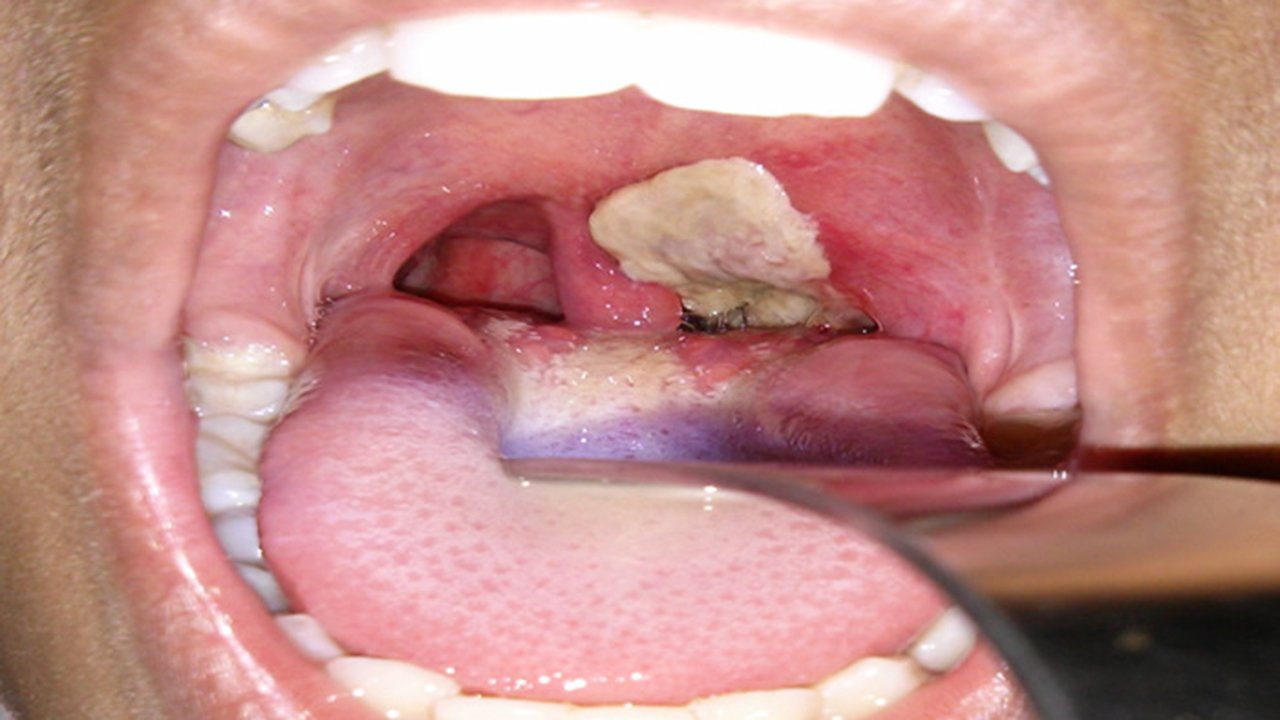
Médecins Sans Frontières (MSF), also known as Doctors Without Borders, has intensified its emergency response to diphtheria in collaboration with state health ministries since August, following a sharp increase in cases in Borno, Kano, and Bauchi states. In a statement released on Friday, MSF said hundreds of suspected cases reported by Disease Surveillance and Notification Officers (DNSOs) over the past three months have overwhelmed health facilities, revealing gaps in treatment capacity and vaccine coverage. Diphtheria, caused mainly by toxin-producing Corynebacterium diphtheriae, is a serious bacterial infection affecting the nose, throat, and sometimes the skin. It can manifest as laryngitis, pharyngitis, or tonsillitis, often accompanied by an adherent membrane over the tonsils, pharynx, or nose. Severe cases may result in heart complications (myocarditis). Treatment relies on antibiotics and Diphtheria Antitoxin (DAT). According to the Nigeria Centre for Disease Control and Prevention (NCDC), between May 2022 and May 2025, Nigeria recorded 43,743 suspected diphtheria cases across 37 states and 360 Local Government Areas. “Without prompt treatment, diphtheria can be fatal in up to 50 per cent of cases,” said MSF Medical Coordinator Dr. Halarou Assoumana. “Even with care, it remains deadly in five per cent of patients, highlighting the urgent need for early diagnosis, antitoxin availability, and strong vaccination coverage.” MSF noted several challenges hindering the response, including low routine immunization rates, limited access to DAT, staff shortages, and gaps in surveillance and data collection. In Bauchi State, MSF-supported activities at the Diphtheria Treatment Centre (DTC) at Abubakar Tafawa-Balewa University Teaching Hospital (ATBUTH) recorded 295 admissions between August 21 and November 9, 2025. The surge led to the opening of an additional treatment centre at a specialist hospital. In Kano State, MSF began supporting interventions for suspected cases in October, following a previous response from January 2023 to April 2024. By early November 2025, over 2,300 patients had been hospitalised, with more than 400 admissions recorded between October 6 and November 2. Severe cases are being prioritized at the Infectious Disease Hospital, with referrals to Aminu Kano Teaching Hospital for specialized care. Dr. Jerome Ntarima, MSF’s Emergency Project Medical Referent, said most patients arrive with advanced complications, and many deaths are already reported in the communities they come from. In Borno State, MSF has conducted routine sensitization, community-based surveillance, risk communication, and referrals. Between early July and late October 2025, 2,553 patients with suspected diphtheria were managed, including 1,651 through home-based care and 902 admitted to isolation wards at the University of Maiduguri Teaching Hospital in partnership with the state Ministry of Health. “Diphtheria remains a recurring threat in Nigeria,” MSF said, urging national authorities, partners, and donors to scale up vaccination coverage and ensure consistent access to DAT, antibiotics, and essential medical supplies. Strengthening surveillance systems, investing in the health workforce, and retaining trained staff are also critical to controlling the disease and preventing future outbreaks.

hospital.webp

3min2370
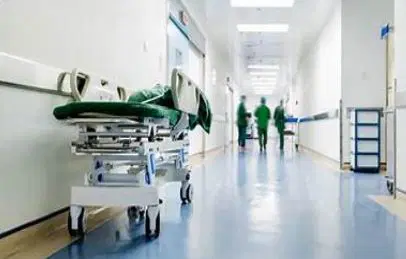
Iwosan Investments Limited has acquired Paelon Memorial Hospital, a leading multi-specialist healthcare facility in Lagos, as part of its strategy to enhance Nigeria’s healthcare sector through strategic investments and improved service delivery. The Co-founder and CEO of Iwosan Investments, Fola Laoye, said the acquisition aligns with the group’s long-term goal of establishing a network of high-quality, patient-centered medical institutions across the country. Laoye described Paelon Memorial Hospital’s 15-year history as “a legacy of excellence,” praising its founder, Dr. Ngozi Onyia, and her clinical team for setting “a gold standard for patient-focused care” in Nigeria. “We are excited to welcome Paelon Memorial Hospital to the Iwosan Group. Dr. Onyia’s vision, integrity, and collaborative approach align perfectly with our values. By joining forces, we can broaden service offerings, enhance patient experiences, and advance healthcare in Nigeria,” she said. Laoye added that while each facility within the Iwosan group will retain its unique identity, they will operate under a unified framework that enables shared systems, expertise, and administrative support. Paelon Memorial Hospital, the first African hospital to achieve SafeCare Level 5 certification, is recognized for its evidence-based practices and high clinical standards. Dr. Onyia said joining the Iwosan Group marks a new chapter for the hospital. “For 15 years, Paelon has focused on delivering compassionate, ethical, and evidence-based care. Partnering with Iwosan allows us to extend this vision on a larger scale, leveraging greater resources and a wider professional network,” she said, expressing optimism that the partnership will benefit patients, staff, and the wider healthcare system. Iwosan Investments confirmed that it will continue expanding its footprint across Nigeria through new projects and acquisitions, maintaining a commitment to investing in healthcare infrastructure and talent to increase access to quality medical services nationwide.    

diabetes-600x400-1.jpg

3min2940
Professor Femi Fasanmade, an Endocrinologist at Lagos University Teaching Hospital (LUTH), has declared that diabetes is no longer a death sentence and called on employers to provide more supportive work environments for people living with the condition. He made the remarks during the World Diabetes Day programme organised by the Endocrinology, Diabetes & Metabolism Unit of LUTH’s Department of Internal Medicine in Idi-Araba, themed “Diabetes and the Workplace.” Fasanmade explained that when properly managed, diabetes “has no negative effects on life expectancy or quality of life,” but noted that many Nigerians still experience complications due to late diagnosis, poor management, and workplace challenges. “Before the discovery of insulin, diabetes was essentially a death sentence, with patients surviving only a few weeks or months. Today, with early diagnosis, proper intervention, and a supportive environment, people with diabetes can live full, productive lives,” he said. The professor noted that Nigeria has an estimated five to seven million people living with diabetes, adding that “seven out of every 10 people with diabetes are employees.” He stressed the crucial role of the workplace in diabetes prevention and management, highlighting that many employees still face stigma, discrimination, and limited access to healthcare. “The theme draws attention to the challenges faced by employees with diabetes at work. Employers must provide access to medical check-ups, allow staff to attend appointments, and offer healthy meal options and recreational facilities,” he said. The event featured free diabetes screenings, educational materials, expert talks on prevention and management, and a diabetes awareness walk from Hall 36 within the hospital. World Diabetes Day, observed annually on November 14, honours Sir Frederick Banting, credited with discovering insulin, which transformed diabetes treatment and significantly improved life expectancy. Fasanmade urged Nigerians to take charge of their health through regular screenings, a balanced diet, physical activity, and adherence to medical guidance. “Diabetes affects people at all stages of life. With proper care and support, it does not have to limit anyone’s potential,” he said, calling on governments, organisations, and families to actively promote awareness, early detection, and continuous care for those living with the condition.

UNICEF-Calls-for-Stronger-Child-Rights-Commitments.jpg

4min3380
The United Nations Children’s Fund (UNICEF) has urged the Lagos State House of Assembly to take decisive action to improve the lives of children in the state by passing laws that protect their rights and ensure their well-being and education, amid a global decline in support for child rights. Celine Lafoucriere, Chief of UNICEF’s Lagos Field Office, delivered the message on Thursday during the World Children’s Day Policy Dialogue with Legislators & Children’s Arts Exhibition. This year’s World Children’s Day, observed annually on November 20 under the theme “My Day, My Right,” serves as a global call to action for children and marks the anniversary of the Convention on the Rights of the Child. The event encourages schools, communities, and institutions to engage with and support children. Lafoucriere, who accompanied children from various schools across the state to the Assembly complex in Alausa to present their demands, reminded lawmakers of their critical role. “These children are here because they believe you can help. You have the power to change their lives today. This is where laws are made, budgets are approved, and priorities are set. Every child you invest in becomes healthier, smarter, and more productive. Every child you protect is one less person trapped in poverty or crime. Every child you empower is a future leader who builds a better Lagos,” she said. She urged lawmakers to prioritise all children’s rights, including identity, protection, education, health, nutrition, and access to water, noting that guaranteeing these rights through adequate budget allocations is a constitutional duty, not a favour. Lafoucriere expressed concern over the global situation for children, highlighting that cuts in funding could result in 4.5 million additional child deaths by 2030 and six million more children being out of school by 2026. She stressed that while over 200 million children need urgent help worldwide, resources are shrinking—but Lagos can chart a different path. “When you commit to children, you deliver. Lagos has already shown progress, particularly in birth registrations, which are among the best in Nigeria. We hope to hear specific commitments from Honorable Members on improving schools, expanding digital learning, building health centers, strengthening health insurance schemes, and creating space for children’s voices in decision-making,” she said, reaffirming UNICEF’s readiness to support the state in fulfilling the rights of every child. Responding, Abiodun Orekoya, Chairman of the House Committee on Youths and Social Development, commended UNICEF for its unwavering dedication to children. He encouraged the young participants to aspire to leadership roles, stay away from drugs, and realise their full potential, emphasizing that UNICEF’s continuous support contributes to a brighter future for all children. World Children’s Day is UNICEF’s global day of action for children, by children, celebrating the adoption of the Convention on the Rights of the Child and giving children a platform to speak about their lives, hopes, and rights.