Author: Lifestyle & Wellness Desk

Doctors-1.jpeg

4min2320
The Federal Government has released N68 billion for vaccine financing and allocated N50 billion to settle outstanding arrears for health workers. The Coordinating Minister of Health and Social Welfare, Prof. Muhammad Pate, announced this on Thursday during the 66th meeting of the National Council on Health in Calabar, Cross River State. The council, meeting under the theme, “My Health, My Right: Accelerating Universal Health Coverage through Equity, Resilience, and Innovation,” is a high-level governance body responsible for formulating and coordinating health policies nationwide. It brings together federal and state health leaders to review progress and set strategic directions for the sector. According to Prof. Pate, the N68 billion has already been credited to the account of the National Primary Health Care Agency, with the Central Bank of Nigeria set to process the funds for UNICEF. The N50 billion for health workers’ arrears comes as part of ongoing efforts to strengthen primary healthcare systems and accelerate progress toward Universal Health Coverage (UHC) across the country. “From the Federal Government side, I have encouraging news to share. Last week, we obtained approval for N68 billion for vaccine financing, which has now been released to the Primary Health Care Agency. The Central Bank will begin processing the funds for UNICEF,” Pate said. He described the release as a clear demonstration of the government’s commitment to health spending, urging states to also allocate and deploy resources effectively to meet healthcare needs. “There were outstanding arrears for health workers from previous years. The Federal Government has deployed N50 billion to settle these. This underscores the link between rising revenues and increased health sector spending at the federal level, and we urge all states to mirror this commitment,” he added. The minister further called on states to increase health sector allocations, recommending at least a 1 per cent increase in state health budgets for 2026 compared to 2025. He emphasized the importance of investing in primary healthcare, hospitals, medical equipment, vaccines, and reproductive health commodities. “As we look ahead, we expect faster progress toward achieving UHC in Nigeria. Quality healthcare requires investment, and we are advocating for at least a 0.6 per cent increase in the federal health budget to reach six per cent overall,” Pate said. He noted that prioritization of health in the federal budget is at an unprecedented level and urged states to increase their contributions accordingly. Governor Bassey Otu of Cross River State, represented by his deputy, Peter Odey, highlighted the council’s role as the highest decision-making body on health matters in the country. He stressed the need for commitment to policy implementation to ensure healthcare is accessible to all Nigerians. “This session of the National Council on Health should bring us closer to achieving UHC by strengthening primary healthcare, building a sustainable health workforce, and providing health and social insurance schemes,” he said.  

Lassa-fever.jpg

3min1680
Nigeria has recorded 177 deaths from Lassa fever between January and early November 2025, the Nigeria Centre for Disease Control and Prevention (NCDC) reported on Thursday. According to the latest epidemiological situation report, as of Week 44 (ending November 2), the country has confirmed 966 cases across 21 states and 102 Local Government Areas. The Case Fatality Rate now stands at 18.3 per cent, up from 16.5 per cent during the same period in 2024, indicating a worsening trend in Nigeria’s response to the disease. Lassa fever, as defined by the World Health Organization, is an acute viral haemorrhagic illness caused by the Lassa virus, typically transmitted through exposure to food or household items contaminated with the urine or faeces of infected Mastomys rats. The disease is endemic in several West African countries, including Benin, Ghana, Guinea, Liberia, Mali, Sierra Leone, Togo, and Nigeria. The NCDC report shows that new confirmed cases rose slightly from 11 in Week 43 to 12 in Week 44, with infections reported in Ondo, Edo, and Benue states. So far in 2025, four states—Ondo (36%), Bauchi (21%), Edo (17%), and Taraba (13%)—account for 87% of all confirmed cases, while the remaining 13% were reported across 17 other states. The agency noted that the most affected age group is 21–30 years, with patients ranging from 1 to 96 years old. The median age is 30, and the male-to-female ratio is 1:0.8. Despite the ongoing outbreak, the number of suspected and confirmed cases this year is lower than the figures recorded during the same period in 2024. No new healthcare worker infections were reported in Week 44. The NCDC stated that the national multi-partner, multi-sectoral Lassa fever Technical Working Group continues to coordinate response activities at all levels as Nigeria confronts one of its most persistent and deadly infectious diseases.

KANU-COURT.jpg

4min3150
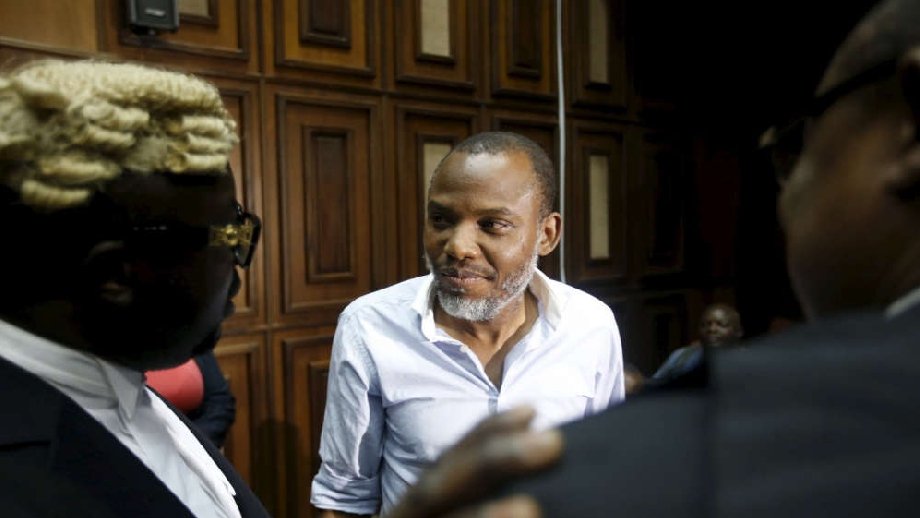
The Indigenous People of Biafra (IPOB) has rejected the Federal High Court in Abuja’s Thursday ruling sentencing its leader, Nnamdi Kanu, to life imprisonment on seven terrorism-related charges. In a statement on Friday, IPOB spokesman Emma Powerful asserted that Kanu “committed no offence recognized by Nigerian law,” emphasizing that his activities represented a pursuit of self-determination—a right protected under international law. Powerful criticized the judgment delivered by Justice James Omotosho, alleging that the court ignored Section 36(12) of the 1999 Constitution, which states that no one shall be convicted of an offence unless it is defined in a written law. The statement said, “The IPOB wishes to inform the global community, diplomatic missions, international media, and defenders of freedom that we will, in the coming days and weeks, expose the fundamental flaws, contradictions, and illegalities in the recent ruling. No weapons, explosives, or attack plans were ever found on Nnamdi Kanu, and no witness testified that he committed any offence under Nigerian or international law. The Federal Government continues to criminalize self-determination, a right guaranteed under Article 20 of the African Charter on Human and Peoples’ Rights, Article 1 of the International Covenant on Civil and Political Rights, and Article 1 of the International Covenant on Economic, Social, and Cultural Rights. Self-determination is a protected right, not a crime. Agitation is not terrorism, and requesting a referendum is not a weapon.” IPOB also contended that insecurity in the South-East increased while Kanu was in custody of the Department of State Services, and that violence during that period could not be attributed to him. The statement added, “It was Nnamdi Kanu who was attacked by the Nigerian military during ‘Operation Python Dance.’ IPOB family members were killed in Nkpor, Aba, Onitsha, Emene, and other locations. Yet no government officer or soldier has been held accountable, while the system now seeks to convict the victim.” The group questioned the legal basis for Kanu’s conviction, describing the ruling as “unconstitutional” and claiming the judge relied on repealed laws. Powerful said, “Justice Omotosho has either failed or refused to interpret Section 36(12) of the 1999 Constitution, which clearly states that a person cannot be convicted of a criminal offence unless the law defining it exists. What written law did the court rely on to convict Nnamdi Kanu? If the law has been repealed, can it serve as a basis for conviction? Why were binding Court of Appeal and Supreme Court authorities disregarded?” IPOB said it will release a detailed response to the judgment in the coming days and will continue engaging international bodies over what it called judicial and human-rights concerns. The group reiterated its call for a United Nations–supervised referendum. The court had ruled, in Kanu’s absence, that his broadcasts on Radio Biafra and directives enforcing sit-at-home orders amounted to terrorism. The judgment also cited his alleged involvement in attacks on security personnel by members of the Eastern Security Network as part of the prosecution’s evidence.

Bola-Tinubu66.png

2min2000
The Special Adviser to the President on Media and Policy, Sunday Dare, says Nigeria’s battle against terrorism demands robust international cooperation, noting that the country cannot confront the growing threat in isolation. His comments follow heightened public concern over the recent abduction of 25 schoolgirls from Government Girls Comprehensive Secondary School, Maga, in Kebbi State, as well as the persistent activities of terrorist groups nationwide. In a post on Wednesday, Dare underscored the importance of strategic alliances—particularly with the United States in strengthening Nigeria’s counter-terrorism capacity. “Nigeria does not pretend it can win this war alone, nor should it have to. The strategic partnership between Nigeria and the United States has been invaluable,” he wrote. He recalled the involvement of American special forces in training Nigerian naval units at the height of the Boko Haram insurgency, including after the 2014 abduction of the Chibok schoolgirls. “American special forces trained Nigerian naval units during the height of the Boko Haram insurgency, including the period following the Chibok schoolgirl abductions and now the Maga girls abduction. Today, training, intelligence cooperation, and joint exercises continue. However, they are not enough to match the scale of the threat,” Dare added. His remarks come as Nigeria faces increased global scrutiny over its handling of terrorism. In late October, former U.S. President Donald Trump designated Nigeria a “Country of Particular Concern” for alleged religious freedom violations, warning of what he called an “existential threat” to Christianity from extremist groups. He further cautioned that the U.S. could cut aid or intervene militarily if Nigeria failed to act decisively. President Bola Tinubu dismissed Trump’s characterization as misleading, arguing that insecurity in the North-Central stems from a complex mix of herder–farmer clashes, banditry, and extremist attacks affecting both Muslims and Christians. Nonetheless, Tinubu reiterated Nigeria’s willingness to engage in international counter-terrorism partnerships that respect the nation’s sovereignty.

aa-13.jpeg

2min5640
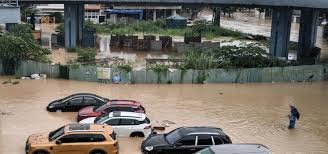
Rescue teams in central Vietnam are racing to save residents trapped by severe flooding that has left at least 16 people dead, authorities said on Thursday. Torrential rain has battered the country’s south-central region since late October, submerging historic sites and popular coastal tourist destinations. The environment ministry confirmed that 16 people have died since the weekend, while the search continues for five others still missing. More than 43,000 homes have been flooded, and major roads remain impassable due to landslides. State media reported that rescuers in Gia Lai and Dak Lak provinces used boats to break through roofs and windows to reach people stranded by rising waters on Wednesday. In Nha Trang, a major beach destination, entire neighbourhoods were underwater and hundreds of vehicles submerged, according to AFP images. The highland areas around Da Lat have also recorded multiple deadly landslides, with some locations receiving up to 600 millimetres of rain since the weekend, the national weather bureau said. As water levels surged, emergency hotlines were overwhelmed with calls Wednesday night. The defence ministry has deployed helicopters to aid in the search for those still trapped. The Ba River in Dak Lak surpassed its 1993 record in two areas early Thursday, while the Cai River in Khanh Hoa province also reached a new peak, the weather bureau reported. The historic flooding has been driven by heavy rains falling on regions already saturated with water, said Hoang Phuc Lam, deputy head of the National Center for Hydrometeorological Forecasting. According to Vietnam’s national statistics office, natural disasters have killed or left missing 279 people and caused more than $2 billion in damage between January and October this year. Vietnam regularly experiences heavy rainfall between June and September, but scientists say climate change is making extreme weather events increasingly frequent and destructive. AFP

meeting.jpg

3min3010
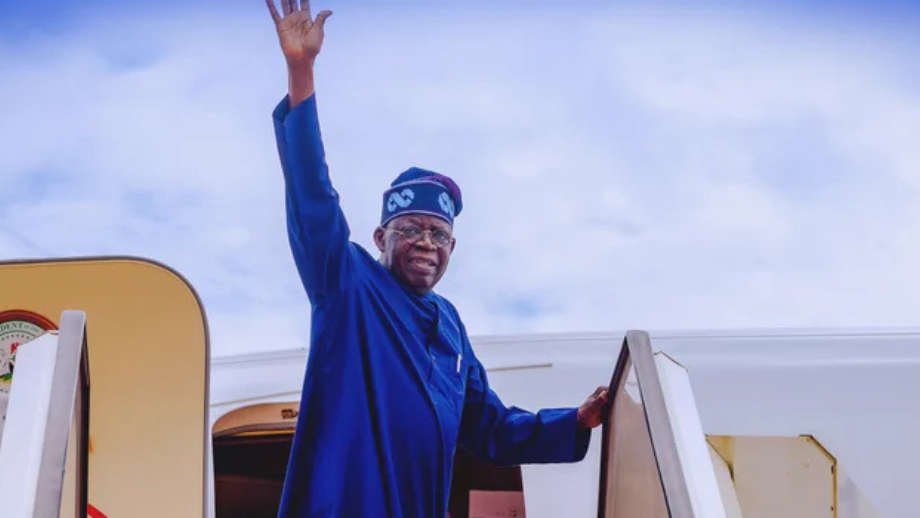
President Bola Tinubu will leave Abuja on Wednesday for a two-nation visit to South Africa and Angola. His first destination is Johannesburg, where he will attend the 20th G20 Leaders Summit. Following the summit, he will travel to Luanda, Angola, for the AU-EU Summit. President Cyril Ramaphosa of South Africa, who currently chairs the G20, extended the invitation to President Tinubu. Earlier, during Brazil’s 2024 G20 Presidency, President Luiz Inacio Lula da Silva had also invited him to participate in Rio de Janeiro. The G20 Summit, scheduled from Saturday, November 22 to Sunday, November 23 at the Johannesburg Expo Centre, will bring together leaders from the world’s top 20 economies, the European Union, the African Union, and major financial institutions. Under the theme “Solidarity, Equality, Sustainability,” the two-day summit will feature three plenary sessions focused on inclusive and sustainable growth, trade and financing for development, disaster risk reduction, climate change, energy transitions, food systems, critical minerals, decent work, and artificial intelligence. President Tinubu is expected to hold bilateral meetings to advance the Renewed Hope Agenda and discuss issues of regional and global peace, security, and development. After the G20 Summit, the President will join African Union and European Union leaders for the 7th AU-EU Summit in Luanda, Angola, from November 24 to 25. The meeting will convene young leaders, innovators, and civil society organisations to explore shared challenges and provide recommendations on climate action, inclusive development, infrastructure, the digital economy, creative industries, manufacturing, and agribusiness. President Tinubu will be accompanied by key officials, including Foreign Affairs Minister Yusuf Tuggar, Finance and Coordinating Minister Wale Edun, Solid Minerals Minister Dele Alake, Trade and Investment Minister Jumoke Oduwole, and Director-General of the National Intelligence Agency, Ambassador Mohammed Mohammed. He will return to Nigeria after the conclusion of both summits.

health-j.webp

3min3060
The President of the Pharmaceutical Society of Nigeria (PSN), Pharm. Ayuba Ibrahim Tanko, has sounded the alarm over the paralysis of federal health institutions, describing the ongoing JOHESU/AHPA strike as “a national health emergency that cannot be allowed to persist.” Tanko spoke during a courtesy visit to the Secretary to the Government of the Federation (SGF), Senator George Akume, where he led a delegation of PSN leaders and past presidents. “All 73 Federal Health Institutions are shut down,” Tanko said, expressing concern that the four-day strike has crippled the nation’s health system. He warned that the shutdown of hospitals and related facilities is having a debilitating effect on healthcare delivery. The strike, which began on November 15 after a 15-day ultimatum expired, involves members of JOHESU/AHPA who constitute roughly 85 per cent of Nigeria’s health workforce. Tanko explained that the industrial action is over a 12-year demand for adjustments to CONHESS salaries, similar to previous adjustments made for CONMESS in 2014, 2017, and 2018. “This dispute has sparked national strikes in 2015, 2017, 2018, 2020, 2022, 2023, 2024, and now 2025. Such repeated disruptions are unacceptable,” he said. Tanko also reminded the SGF that the National Salaries and Wages Commission recommended the outstanding CONHESS adjustments in 2022, a report that has since been with the Budget Office. “It is time for decisive action,” he said, commending recent progress by the Coordinating Minister of the Economy and urging that momentum be maintained. The PSN President offered the Society’s support in mediation efforts, stating: “We stand ready to assist the Federal Government in resolving this impasse quickly.” Tanko further highlighted the PSN’s preparations for its Centenary Celebration on March 26, 2027, marking 100 years since its founding in 1927. Planned activities include health outreaches, public enlightenment campaigns, a series of lectures, high-level policy engagements, and initiatives to expand Good Pharmacy Practice nationwide. He also announced a ₦5 billion Endowment Levy to advance pharmacy education and research, reinforcing the Society’s commitment to global standards and national development. Tanko emphasised the SGF’s key role in the centenary celebrations and reaffirmed the PSN’s willingness to collaborate fully with the government. He concluded by urging swift action to address the crisis threatening the country’s healthcare sector.

Tinubu-Shettimas.webp

4min1900
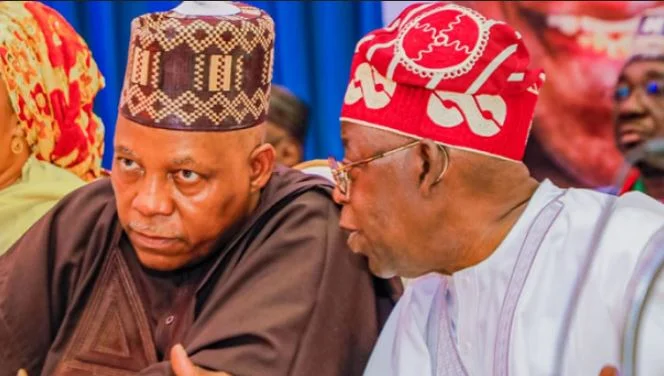
President Bola Tinubu has directed Vice President Kashim Shettima to visit Kebbi State to console the state government and reassure parents and guardians of kidnapped schoolgirls that efforts are underway to secure their swift release. He also extended condolences to the military over the deaths of soldiers, including Brigadier General Musa Uba, who lost his life fighting insurgents in Borno State. The wife of the slain Vice Principal of Government Girls Comprehensive Senior Secondary School, Maga, Kebbi State, Amina Hassan, recounted how her daughter escaped during Monday night’s attack that led to the abduction of 25 schoolgirls. Meanwhile, the Chief of Army Staff (COAS), Lt General Waidi Shaibu, has instructed troops of Operation FANSAN YANMA to intensify the search-and-rescue operation and leave no stone unturned. The Senate, in response, called for the urgent release of the students and urged President Tinubu to recruit at least 100,000 additional military personnel to address rising security challenges and Nigeria’s growing population. US lawmaker Riley Moore condemned the abduction, while UNICEF called for stronger protections for children. President Tinubu, fully briefed by the military on both the abduction and Brigadier General Uba’s death, expressed sadness over the incident and commended Governor Mohammed Nasir Idris for efforts to prevent the attack. He urged communities to provide intelligence to aid security forces in safeguarding schools and neighborhoods. Mrs. Hassan detailed how bandits broke into their home around 3:30 a.m., killed her husband, and tried to abduct her daughter, who escaped into the bush, narrowly avoiding capture. The COAS, during a visit to Kebbi, directed troops to intensify day and night operations, leveraging intelligence to conduct missions aimed at rescuing the abducted girls. He also engaged local vigilantes and hunters, stressing their role in providing intelligence and aiding the military’s operations. The Senate called on President Tinubu to immediately recruit additional military personnel and set up an ad hoc committee to investigate the Safe School Programme, including funding and past failures. Senate leaders stressed the need for collective action, clear accountability, and better coordination among security agencies. The First Lady, Senator Oluremi Tinubu, condemned the abduction and prayed for the swift release of the students and peaceful repose for the slain Vice Principal. The National Association of Nigerian Students (NANS) also demanded urgent action to rescue the abducted girls, highlighting that the incident occurred on International Students’ Day, casting a shadow over planned celebrations. NANS called on the government to prevent recurring attacks on schools and recalled past tragedies, including the Chibok and Dapchi kidnappings, emphasizing the urgent need for enhanced security in educational institutions.  

Bola-Tinubu66.png

7min2200
To accelerate progress toward Universal Health Coverage, the Lagos State Government on Tuesday launched the Lagos Private Health Partnership (LPHP), a new framework designed to strengthen health financing and significantly increase health insurance enrolment across the state. The LPHP aims to eliminate distrust, price manipulation, and opaque practices within the health insurance space by creating a unified, transparent public–private collaboration model that guarantees fair access to quality healthcare for all residents. Representing Governor Babajide Sanwo-Olu at the launch, the Secretary to the State Government, Barrister Abimbola Salu-Hundeyin, described the initiative as a major milestone toward building a resilient, future-ready health financing system capable of protecting families from overwhelming medical costs. Held at the Civic Centre in Victoria Island, the event brought together senior government officials, regulatory bodies, private insurers, development partners, and financial institutions, all reiterating their support for sustainable health financing and universal access. Sanwo-Olu explained that the LPHP was developed after Lagos domesticated the National Health Insurance Authority Act 2022 through an Executive Order issued in July 2024, which made health insurance mandatory for all residents and established enforcement structures. He added that a dedicated Technical Working Group produced guidelines and the LPHP framework to ensure private-sector participation aligns with state policy, risk-pooling objectives, and digital accountability standards. According to him, the reform will strengthen the private health sector—which currently delivers over 70 percent of health services in Lagos—by providing a clear model that balances service quality, equity, and financial viability. The governor also announced that Lagos has adopted a population-based insurance enrolment model for private-sector employees to broaden risk distribution and improve access to affordable plans. In his remarks, Commissioner for Health, Prof. Akin Abayomi, said the LPHP marks a decisive shift away from years of fragmented and inefficient private health insurance operations marked by unhealthy price wars, access restrictions, and declining public confidence. He stated that the new system was deliberately created to restore fairness, transparency, quality, and long-term sustainability through a cooperative purchasing platform. Abayomi noted that despite Lagos’ population of more than 25 million and its economic strength, the state still suffers from inadequate health financing, low insurance penetration, and rising medical tourism. He described the LPHP as the state’s strongest tool to reverse these trends and improve overall health outcomes. He explained that the LPHP will operate through a robust digital marketplace that manages enrolment, provider selection, fund flow, claims, reporting, and monitoring with strict compliance mechanisms. He said the model will shift competition from price-cutting to value-based service delivery, with quality assurance overseen by HEFAMAA. The commissioner emphasised that full enforcement of mandatory health insurance will begin after a six-month awareness campaign, in line with the governor’s directive to expand risk-pooling, cross-subsidisation, and financial protection for households. He announced that the LPHP will also introduce a state-managed risk equalisation and solidarity fund, mandating private insurers to contribute 13 percent of premiums to support vulnerable groups, emergency care, and universal health coverage goals. Abayomi projected that Lagos could inject over ₦400 billion annually into the health system if 20 million residents enrol at an average premium of ₦20,000 per year. Chairman of the Lagos State Health Management Agency, Dr. Adebayo Adedewe, commended the initiative, calling it a credible solution to the longstanding challenges in the state’s health insurance landscape. He described the launch as a defining moment for health financing reforms in Lagos. The National Adviser on Health Insurance for the Healthcare Providers Association of Nigeria, Dr. Jimi Arigbabuwo, said the LPHP marks a major shift in recognising and integrating private-sector providers, who deliver most healthcare services in the country. He urged the government to ensure fair provider compensation to maintain sustainability and reduce outbound medical tourism. Managing Director/CEO of Sterling Bank Plc, Mr. Abubakar Suleiman, highlighted that the bank’s interest aligns with its HEART agenda, noting that meaningful healthcare financing is impossible without structural reform. He pledged continued financial and digital infrastructure support for LPHP and commended Lagos for creating a unified model driven by transparency, technology, and value-based healthcare. Other stakeholders described the LPHP as one of Nigeria’s most comprehensive health financing reforms, emphasising its potential to serve as a national model. They noted that its success will rely on sustained collaboration, consistent public education, and strong policy enforcement. The event concluded with a call for residents, private employers, civil society groups, insurers, and healthcare providers to support the state’s mission of delivering affordable, technology-driven, and dignified healthcare to all Lagos residents.

asuu-strike.jpg

4min2570
The Benin Zone of the Academic Staff Union of Universities (ASUU) has rejected the Federal Government’s proposed salary increase for university lecturers, describing it as insignificant—especially as lecturers have gone 15 years without any meaningful salary review. Zonal Coordinator, Prof. Monday Igbafen, said the proposed adjustment falls far short of what is needed to address the worsening brain drain in the university system. He faulted the Federal Government for what he described as a persistent reluctance to fully resolve outstanding issues, urging the government to conclude the renegotiation of the 2009 FGN/ASUU agreement and address other unresolved demands. ASUU had previously embarked on a two-week warning strike to press for issues such as full implementation of the 2009 agreement, payment of promotion arrears since 2017, release of withheld deductions, and disbursement of the N50bn revitalisation fund meant for universities. The strike was suspended after government officials promised to present concrete proposals. Rejecting the new wage proposal, Igbafen said, “The salary and conditions of service remain a major concern requiring decisive action. What the government has offered is only a drop in the ocean and cannot reverse the current wave of brain drain plaguing the university system. The back-and-forth approach to negotiations must end.” He noted that lecturers’ salaries have remained largely stagnant since 2009, when the exchange rate was N120 to the dollar. “It is troubling that a professor today earns less than $400 monthly. Keeping lecturers on the same salary structure for over 15 years without a meaningful review is unfair, unacceptable, and fuels unrest and mass exit from the system,” he added. Igbafen accused some government officials, including the Minister of Education, of undermining negotiations through misrepresentation of key issues such as promotion arrears and withheld deductions, which he described as basic entitlements. He said these partial payments were being wrongly presented to the public as substantial progress. He warned that the government’s “half-truths” could lead to further crisis in the sector and urged authorities to resolve all outstanding issues within the remaining one-month window to avoid a total shutdown. “Our government must recognise that investment in education is critical to national development. Excuses about lack of funds or global economic challenges are no longer acceptable,” he said. He also pointed out that government revenues have risen significantly in recent years. “Revenue for 2024 reached N5.81 trillion, a rise of over 62 per cent. The Federal Government alone received N4.65 trillion this year, representing more than 70 per cent growth,” he added.