Author: Lifestyle & Wellness Desk

skynews-scotland-ferry_6282029.jpg

3min2520
The Lagos State Government has reaffirmed its dedication to making the state’s waterways safer as it moves forward with plans to introduce 78 electric ferries under the Omi Eko Project. The state also revealed plans to install modern concrete floating pontoons at various jetties to enhance passenger safety during boarding. The announcement was made in a statement by the Commissioner for Waterfront Infrastructure Development, Dayo Bush Alebiosu. Alebiosu explained that the project, set to run from 2024 to 2030, will deliver 78 high-capacity electric ferries, dredge and open up 15 waterways routes, upgrade 25 terminals, and deploy digital ticketing to improve travel efficiency. “This goes beyond building infrastructure; it represents a complete transformation of how Lagos residents travel, work, and stay connected,” he said. “Our goal is to create a safe, sustainable, and globally competitive water transport system that complements our roads and rail network.” He noted that the new concrete floating pontoons — designed to act as stable and adaptable docking platforms — are already being installed at Agboyi Ketu in Kosofe LGA, Ijegun Egba in Amuwo Odofin, and Bayeku/Ikorodu in Ikorodu LGA. More installations are planned for Ebute Ero (Lagos Island), Ijede (Ikorodu), Apa (Badagry), Mile 2 (Amuwo Odofin), Mowo (Ojo LGA), and several other key locations. “These pontoons are built from solid concrete units that float while resisting wave pressure, offering far greater stability,” he explained. According to him, the innovation will help eliminate the fear many passengers experience when boarding boats on unstable platforms. “The pontoons provide a firm, level surface that feels almost like stepping onto solid land,” he added. Alebiosu further stated that the modular nature of the pontoons makes them useful as temporary bridges during periods of flooding or erosion. He also confirmed that the pontoon upgrades form part of the €410 million Omi Eko Project launched to modernise Lagos’ water transport system. The initiative aims to reduce traffic congestion, boost commuter safety, cut carbon emissions through electric ferries, and strengthen the state’s resilience against rising sea levels. Funding for the project comes from the French Development Agency, the European Investment Bank, and the European Union.

aa-8.jpeg

1min8830
The Nigerian Education Loan Fund (NELFUND) has issued a warning over a fraudulent message circulating online that falsely claims the student loan registration portal is now open. The misleading post directs applicants to an unauthorised third-party link, which NELFUND has confirmed is fake and should be avoided. In a statement shared on its official X handle on Tuesday, the agency urged students and the general public not to click the link or submit any personal information. It stressed that the legitimate registration portal can only be accessed through NELFUND’s verified platforms. The Fund also advised applicants to remain vigilant, verify all announcements through its official website and social media accounts, and report any suspicious links or messages purportedly from NELFUND. The advisory is part of NELFUND’s broader efforts to protect applicants and maintain the integrity of the student loan application process.

aa-10.jpeg

2min2770
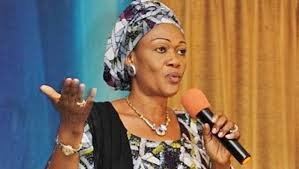
The First Lady, Sen. Oluremi Tinubu, has urged Nigerians to take collective responsibility for safeguarding children from sexual exploitation and abuse. She made the call in Abuja on Tuesday during the commemoration of the World Day for the Prevention of and Healing from Child Sexual Exploitation and Sexual Abuse 2025. According to the News Agency of Nigeria, this year’s theme is “Strengthening the Protection of Children Against Sexual Exploitation and Sexual Abuse Through Evidence-Based Policy Making.” Mrs Tinubu appealed to parents, caregivers, community leaders, and institutions to prioritise the safety and wellbeing of every child, stressing that no child should grow up in fear or danger. “As a nation, we must ensure that every child grows up free from fear and harm,” she said. “I call on government agencies, civil society, traditional and religious leaders, parents, and young people to work together to create a protective environment where children can feel safe to thrive. “We are reminded that protecting children must go beyond words and good intentions. It requires informed action driven by accurate data, research, and effective policies. May God protect all our children.” Observed annually on November 18, the World Day for the Prevention of and Healing from Child Sexual Exploitation and Sexual Abuse was launched by the Council of Europe in 2015 as a global call to action to prevent abuse, prosecute offenders, and support survivors. The United Nations formally recognised the observance in 2022 to boost awareness and reduce stigma around child sexual abuse.

child-with-fever.webp

3min2840
The Sokoto State Government has heightened surveillance after eight laboratory-confirmed cases of Dengue fever were reported in Sokoto metropolis, including Sokoto North and Sokoto South Local Government Areas. In a public health advisory on Sunday, the Ministry of Health alerted all public and private health facilities about rising cases of fever and severe malaria-like symptoms in several communities. Health workers were urged to intensify case detection and strengthen monitoring systems. The Commissioner for Health, Dr. Faruk Abubakar, said swift measures had been taken to prevent further spread of the mosquito-borne disease, highlighting that initial symptoms often resemble malaria but require different clinical management. “All healthcare workers are placed on high alert and asked to consider Dengue fever in patients presenting with fever, headache, joint pains, body pains, or rash—especially when malaria tests are negative or symptoms persist despite treatment,” the advisory stated. The ministry directed all facilities to notify Local Government Disease Surveillance and Notification Officers of suspected cases immediately and ensure prompt sample collection for laboratory confirmation. Abubakar also cautioned clinicians against using NSAIDs such as ibuprofen and aspirin in suspected Dengue cases, recommending paracetamol instead due to the higher risk of bleeding associated with the infection. The state government emphasised strict adherence to infection prevention and control measures, safe waste disposal, and intensified community awareness campaigns to eliminate mosquito-breeding sites. Health workers were encouraged to report unusual fever spikes, clusters, or deaths promptly to the Disease Surveillance Office or the State Epidemiology Unit. “We urge all health workers to stay vigilant and work closely with public health authorities to manage and report cases promptly,” the commissioner said, commending their commitment to public health. Dengue fever, spread by the Aedes mosquito, has been resurging in parts of Nigeria, prompting increased monitoring across the country.

clubleg.jpg

4min3200
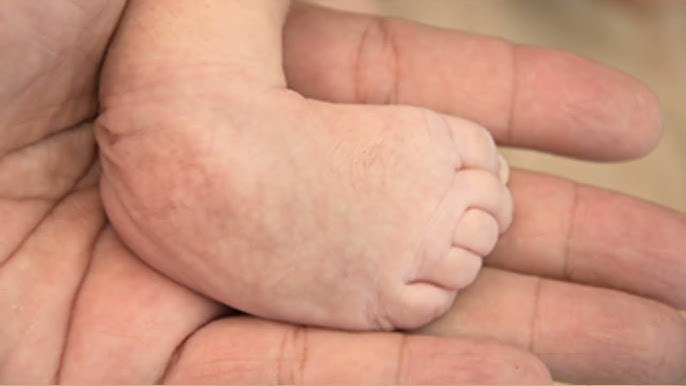
Orthopaedic surgeons in Nigeria have urged parents to seek early medical intervention for infants born with clubfoot, stressing that prompt treatment can prevent lifelong disability. Experts warned against attributing the congenital deformity to spiritual attacks or divine punishment, noting that timely care ensures full correction. They said persistent myths and misconceptions continue to deny many children access to treatment, worsening social stigma and long-term disability. Untreated clubfoot can result in chronic pain, difficulty walking, social discrimination, and limited educational and economic opportunities. According to the Cleveland Clinic, clubfoot is a congenital condition in which a baby’s foot or feet turn inward. Approximately one in every 1,000 babies is born with clubfoot, making it one of the most common congenital foot deformities. “Clubfoot occurs due to abnormalities in the tendons connecting muscles to bones. The tendons in the leg and foot are shorter and tighter than normal, causing the foot to twist. Around half of affected babies have both feet involved,” the clinic explained. In Nigeria, at least 10,000 children are born with clubfoot each year, according to the non-governmental organisation Nigeria Clubfoot Treatment Partners. While the exact cause remains unknown, genetics and environmental factors—such as family history, maternal smoking, alcohol intake, and certain medications during pregnancy—may contribute. Professor Mike Ogirima, a leading Orthopaedic and Trauma Surgeon, said idiopathic clubfoot, present at birth, is the most common form seen by specialists and is treatable. He emphasized that early intervention significantly improves outcomes. “Idiopathic clubfoot accounts for 80 to 90 per cent of cases, and it may also be hereditary. Acquired clubfoot can occur due to trauma, infection, or poliomyelitis, and treatment depends on the underlying cause,” Ogirima explained. Modern treatment focuses on non-surgical methods, particularly the Ponseti method, which involves gentle, serial manipulations of the foot over several weeks. Ogirima said this approach can correct even severe cases in up to 95 per cent of infants. Despite increased awareness, he noted that social stigma and myths about clubfoot remain widespread, causing delays in seeking treatment. “Some parents still believe the deformity is a punishment from God or linked to witchcraft. This has led many to consult traditional bone setters instead of orthopaedic specialists,” he said. Late presentation often necessitates surgery, increasing costs and complexity. “The earlier a child is brought for treatment, the easier, cheaper, and more effective the intervention,” Ogirima added. He also advised pregnant women to avoid alcohol, folic acid deficiency, radiation exposure, and non-prescribed medications, warning that these factors may increase the risk of congenital defects. Dr. Peace Amaraegbulam, Consultant Orthopaedic Surgeon and President of Nigeria Clubfoot Treatment Partners, described clubfoot as the most common musculoskeletal birth defect in Nigeria. “Without treatment, children walk on the sides of their feet, leading to pain, discrimination, and reduced opportunities in life,” she said.

nnnnnnn-1.jpg

3min5140
Operatives of the National Drug Law Enforcement Agency (NDLEA) intercepted 396,000 capsules of tramadol at Aliyu Mustapha International Airport, Yola, on Friday. The seizure comes less than a week after the agency recovered over 171,000 tramadol capsules in separate operations across Niger, Benue, and Taraba states. Announcing the development on Sunday, NDLEA spokesperson Femi Babafemi said a 50-year-old suspect, Ahmed Isyaku Nda, was arrested in connection with the offence. “In Adamawa state, NDLEA operatives recovered 396,000 tramadol capsules from Ahmed Isyaku Nda, 50, at Aliyu Mustapha International Airport, Yola. Meanwhile, 785kg of skunk was seized from the warehouse of a drug dealer at large in Asob Maraba Karu, Nasarawa state,” the statement said. In a related operation, Babafemi confirmed the arrest of a wanted drug baron operating under the guise of a businessman and hotelier. “The 42-year-old, Ibemesi, MD/CEO of Franc CJ Ibemesi Nig. Ltd, was arrested at his Daisy Garden Hotel in Isolo, Lagos. At his warehouse, authorities recovered 42 jumbo bags and four cartons of Loud, a strain of cannabis, weighing 1,762.8 kilograms. Cash seized included $11,600, 2,000 British pounds, 2,200 euros, and 50 Canadian dollars,” he said. Additionally, NDLEA foiled an attempt by a drug syndicate in Orita-Apeje, Araromi-Okeodo forest reserve, Ife South LGA, Osun State, to distribute 11,135kg of processed skunk following days of surveillance. Two trucks used to transport the drugs—a Volvo truck (WWR 29 XA) and a Mercedes truck (AWK 713 YZ)—were seized, and seven suspects were arrested, including Lucky Abiodun, Julius Amos, Victor Ngbikili, Sunday Oduegwu, Ibrahim Akanni, Eze Godstime, and Fred Ifeanyichukwu. NDLEA Chairman/Chief Executive Brig. Gen. Mohamed Buba Marwa (rtd.) commended the officers involved in the operations and urged personnel nationwide to continue implementing the agency’s coordinated drug control strategy. The agency has also strengthened international collaboration, working with the US DEA and the UK’s National Crime Agency to identify those responsible for a consignment worth over N338bn recently intercepted at the PTML Terminal of Tin Can Island Port, Lagos.

UNICEF_ForEveryChild_White_Vertical_RGB_ENG-e1527338866957.jpg

3min6240
Nigeria is one of the riskiest countries for children facing climate threats, yet remains poorly prepared, according to a new report by the United Nations Children’s Fund (UNICEF). The report, titled “The Nigerian Child 2025,” highlights that gaps in infrastructure, policy, and emergency response leave children dangerously exposed when disasters occur. Nigeria faces increasing climate-related challenges, including floods, droughts, desertification, and extreme heat. These environmental pressures disproportionately affect children, who are among the most vulnerable populations. “Systemic gaps in infrastructure, policy, and emergency response leave children exposed when disasters strike. Family incomes collapse under these pressures, and children pay the price through malnutrition, missed schooling, and illness. Air pollution adds another danger, with Nigeria recording the world’s highest rate of pneumonia deaths from pollution among children under five,” the report said. The study further notes that poor access to clean water and sanitation worsens the impact. Millions of families rely on contaminated water sources, exposing children to diseases such as diarrhoea and cholera, particularly in rural and low-income communities. Open defecation remains common, making basic hygiene nearly impossible. Children from low-income families are especially affected, often living in areas hardest hit by climate change while having the fewest resources to cope. Water shortages or crop failures lead to hunger, school absenteeism, and illness. Girls are particularly impacted, spending long hours fetching water or caring for siblings, often at the expense of their education and well-being. The report also highlights that schools and health facilities often lack basic water, sanitation, and hygiene services. Without clean water, safe toilets, or handwashing stations, children face challenges in staying healthy and attending school regularly. Girls face additional difficulties managing their menstrual health, and health centres struggle to provide proper care, leaving communities underserved.

nysc-loan.jpg

2min4830
The National Youth Service Corps (NYSC) has announced the deployment details for its 2025 Batch C prospective corps members. The scheme confirmed on Monday via its official X account that call-up letters are now available. The NYSC stated that some corps members posted to Lagos and the Federal Capital Territory (FCT) will undergo their orientation in neighbouring states due to camp capacity limitations. “Some prospective corps members deployed to Lagos will have their orientation in Ekiti, Kwara, Ondo, Ogun, and Osun camps, while those posted to FCT will attend camps in Kaduna, Niger, and Nasarawa,” the statement read. The scheme also issued a travel advisory, warning PCMs against travelling at night to orientation camps. Prospective corps members were further reminded to print and sign all required documents ahead of camp, as these must be submitted during registration. Online registration for the 2025 Batch C stream opened on November 4 and ran until November 9 for both locally trained and foreign-trained graduates. The NYSC also released its mobilisation timetable: pre-camp physical verification for foreign-trained graduates is scheduled for November 9–13, while ICT processing will take place from November 12–15. Corps-producing institutions are responsible for facilitating the printing and distribution of deployment and call-up letters between November 16 and 18, during which prospective corps members are expected to print their call-up letters.

air-travel-.avif

2min5470
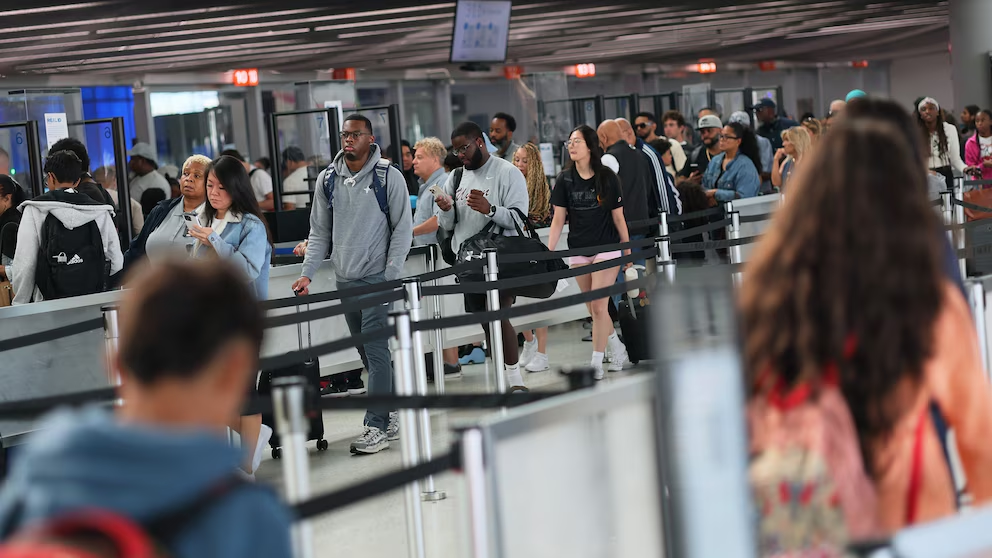
US flights are set to return to normal schedules on Monday after reductions imposed during the recent government shutdown were lifted, the Federal Aviation Administration (FAA) announced. In a statement on Sunday evening, the FAA said restrictions would end and “normal operations can resume” nationwide from 6:00 a.m. Washington time (1100 GMT) on Monday. During the record 43-day shutdown, thousands of flights were cancelled due to understaffing. At 40 of the busiest US airports, around 10 percent of domestic flights were cut because air traffic control staff were required to work without pay amid the budget impasse. The industry also faced pressure after President Donald Trump warned that controllers who called in sick could face pay deductions, calling them unpatriotic. Even after the shutdown officially ended on Wednesday, flights remained reduced by three percent over the weekend, as some airlines had yet to fully comply with FAA directives. Transport Secretary Sean Duffy said, “Now we can refocus our efforts on surging controller hiring and building the brand new, state-of-the-art air traffic control system.” The lifting of restrictions comes just days ahead of the Thanksgiving holiday on November 27, when passenger traffic is expected to surge.

police3.webp

3min2400
The Federal Capital Territory Police Command has dismissed reports claiming that Nigerian Navy officer Lt. Ahmed Yerima survived an assassination attempt in Abuja, describing the allegations as false and unverified. The denial follows circulating social media posts suggesting that Yerima was being trailed by unidentified men dressed in black, driving two unmarked Hilux vans without number plates. The posts claimed the pursuit began around 6:30 p.m. near the NIPCO filling station along Kubwa Expressway and continued to Gado Nasco Way, with Yerima allegedly evading the assailants through a “strategic manoeuvre” during a high-speed chase. Some speculation linked the alleged incident to Yerima’s recent confrontation with FCT Minister Nyesom Wike over a disputed land allocation in Abuja. In a statement issued on Sunday night, the command’s spokesperson, SP Josephine Adeh, categorically denied the claims. “The attention of the FCT Police Command has been drawn to social media posts alleging an attempted assassination on Lt. Ahmed Yerima. The command wishes to state that no such incident has been reported or recorded anywhere within the Federal Capital Territory. The public is advised to disregard this false information and avoid spreading unverified claims capable of causing unnecessary panic,” the statement read. SP Adeh also urged residents to remain vigilant and report any suspicious activity to the nearest police station. The confrontation between Yerima and Minister Wike occurred on November 11 over a disputed plot in Gaduwa District, reportedly belonging to a former Chief of Naval Staff, Vice Admiral Zubairu Gambo (retd). Videos from the incident show Yerima, while on security duty, blocking Wike’s team from accessing the site. The minister accused the retired military chief of carrying out unauthorized development and confronted Yerima over alleged obstruction of Federal Capital Development Authority personnel. The exchange escalated into a public dispute, with supporters of the minister highlighting his constitutional role, while military veterans defended the officer and demanded an apology from Wike. Separately, the Minister of Defence, Mohammed Abubakar, assured that no lawful military personnel would face sanctions, emphasizing, “We will always protect officers on lawful duty,” during a briefing for the 2026 Armed Forces Remembrance Day.