Author: Lifestyle & Wellness Desk

dagote-2222.jpg

4min2270
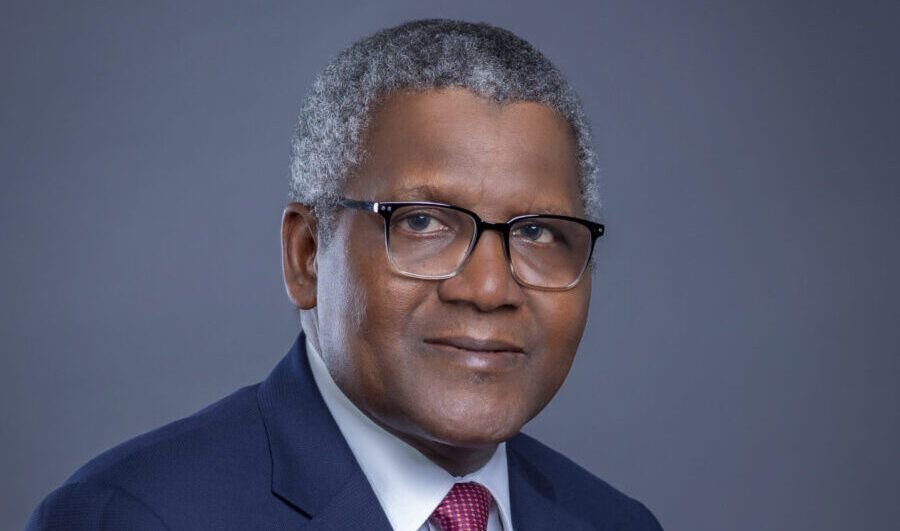
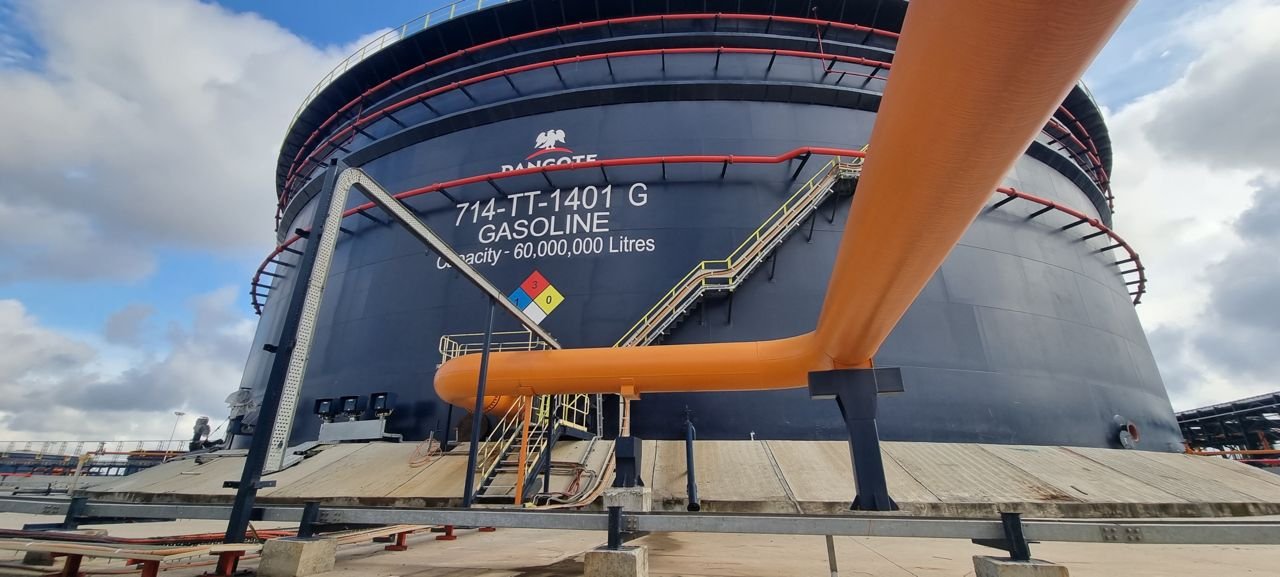
The management of Dangote Petroleum Refinery and Petrochemicals has announced a major reorganisation of its operations and workforce in response to repeated acts of sabotage that threatened the safety of its 650,000-barrels-per-day facility. In a letter dated September 24, 2025, signed by the Chief General Manager of Human Asset Management, Femi Adekunle, the company stated it was “constrained to carry out a total reorganisation of the plant” following “several reported cases of sabotage in different refinery units, leading to serious safety concerns.” Affected staff were instructed to return all company property to their line managers and obtain clearance before receiving their entitlements, which would be processed by the Finance Department in line with existing employment terms. However, a senior official of the refinery clarified that the move should not be interpreted as mass layoffs, stressing it was a targeted reorganisation exercise aimed at addressing sabotage within the facility. “Yes, the letter is authentic, but the interpretation that it represents a mass sack is wrong,” the official said. “This action is about plugging leakages and protecting company assets. Once the issues are resolved, affected staff may be reabsorbed. That is why it cannot be called a sack.” He explained that the sudden implementation of the exercise was necessary to prevent those involved in sabotage from concealing their activities. “Some acts of sabotage have been noticed repeatedly, and the company must protect its operations. You cannot announce such actions in advance, or those responsible would cover their tracks,” he added. The official also confirmed that refinery operations remain active, with both Nigerian and expatriate staff still working on site. “Anyone who has no hand in sabotage has nothing to worry about,” he said. A copy of the internal memo, addressed to staff of Dangote Petroleum Refinery & Petrochemicals FZE and Dangote Industries Free Zone Development Company, stated: “In view of the many recent cases of reported sabotage in different units of the Petroleum Refinery leading to major safety concerns, Management is constrained to carry out a total reorganisation of the plant. As a consequence, we wish to inform you that your services are no longer required with effect from Thursday, September 25, 2025. Please surrender all company properties in your possession to your line manager and obtain an exit clearance. The Finance Department is advised to compute all your benefits and entitlements in line with your terms of employment, subject to completion of clearance.” Despite the restructuring, refinery operations continue, though the plant has recently faced industrial and market disputes. The facility, which began production in 2024 with hopes of reducing Nigeria’s reliance on imported petroleum products, has been engaged in a labour dispute with the Nigeria Union of Petroleum and Natural Gas Workers (NUPENG) over workplace practices and safety issues. It has also clashed with the Depot and Petroleum Products Marketers Association of Nigeria over distribution terms and pricing policies, with marketers accusing the refinery of creating conditions that could distort the downstream oil market.

Artificial-Intelligence-Robot-Thinking-Brain-1280x732.jpg

4min2470
Scholars and scientists have urged African governments to increase funding for Artificial Intelligence (AI) and related innovations to transform agriculture, boost food production, and reduce hunger across the continent. The call was made in a communiqué issued on Friday at the 2025 Humboldt Kolleg Scientific Conference hosted by the Federal University of Agriculture, Abeokuta (FUNAAB). The three-day international conference, themed “AI-Driven Approach to Regenerative Agriculture for Sustainable Food Production, Food Safety, and Environmental Preservation,” brought together researchers, policymakers, and industry stakeholders to discuss ways AI and regenerative practices can reshape food systems, protect the environment, and stimulate Africa’s economic growth. Declaring the conference open, FUNAAB Vice-Chancellor, Prof. Babatunde Kehinde — represented by Deputy Vice-Chancellor (Academic), Prof. Olukayode Akinyemi — described the gathering as timely, stressing that Africa must work collectively to strengthen its food production capacity. He reaffirmed the university’s commitment to advancing research and partnerships that integrate AI into agriculture to enhance productivity, food safety, and environmental sustainability. The University Librarian, Prof. Abayomi Owolabi (represented by Dr. Fauziyah Adenekan), highlighted Africa’s marginal share of global AI investment, noting that while countries like the U.S. and China dominate, the continent receives only 0.3 percent despite its vast potential. “AI is rewriting the rules of the global economy, and Africa risks being sidelined not due to lack of talent but because its role has been overlooked,” he warned. Owolabi emphasized that Africa’s youthful workforce remains a crucial advantage and called on governments to allocate more resources to AI and emerging technologies in agriculture to scale food production. In his keynote address, Prof. Jonathan Atungwu, Provost of the Federal College of Agriculture, Ibadan, appealed for stronger policies and private-sector investment to support farmers through regenerative agricultural systems, training on environmental stewardship, and access to credit. He stressed that safeguarding food security for future generations requires deliberate reforms. Prof. Simeon Cadmus of the University of Ibadan, delivering a paper on climate change, cautioned about the rising risks it poses to human and animal health, urging more proactive research and interventions. The conference also featured panel discussions, goodwill messages, and networking sessions, reinforcing cross-disciplinary collaboration and underlining the importance of AI-driven regenerative agriculture in achieving the Sustainable Development Goals (SDGs). FUNAAB, through this conference, continues to position itself as a leading agricultural think tank and innovation hub for food security solutions in Africa. Despite significant growth in crop production — from 365 million tons in 1990 to over 1 billion tons in 2019, with projections of 1.47 billion tons by 2043 — hunger remains widespread. In 2023, around 282 million Africans faced hunger, while 61% of the population in 2022 experienced moderate to severe food insecurity, more than double the global average. Experts believe that with greater investment in mechanisation and advanced technologies such as AI, the continent can sustainably feed its growing population.

tvt.jpg

3min3510
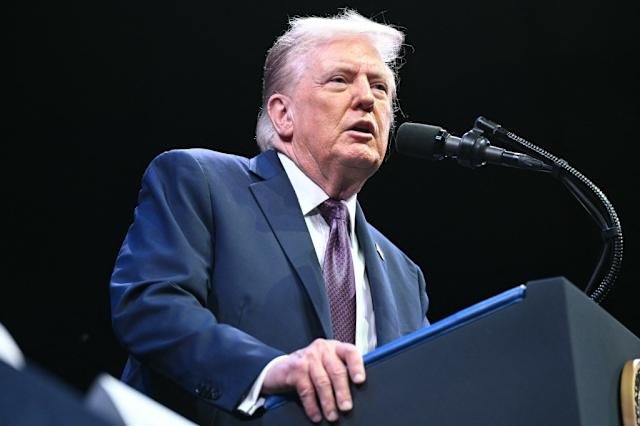
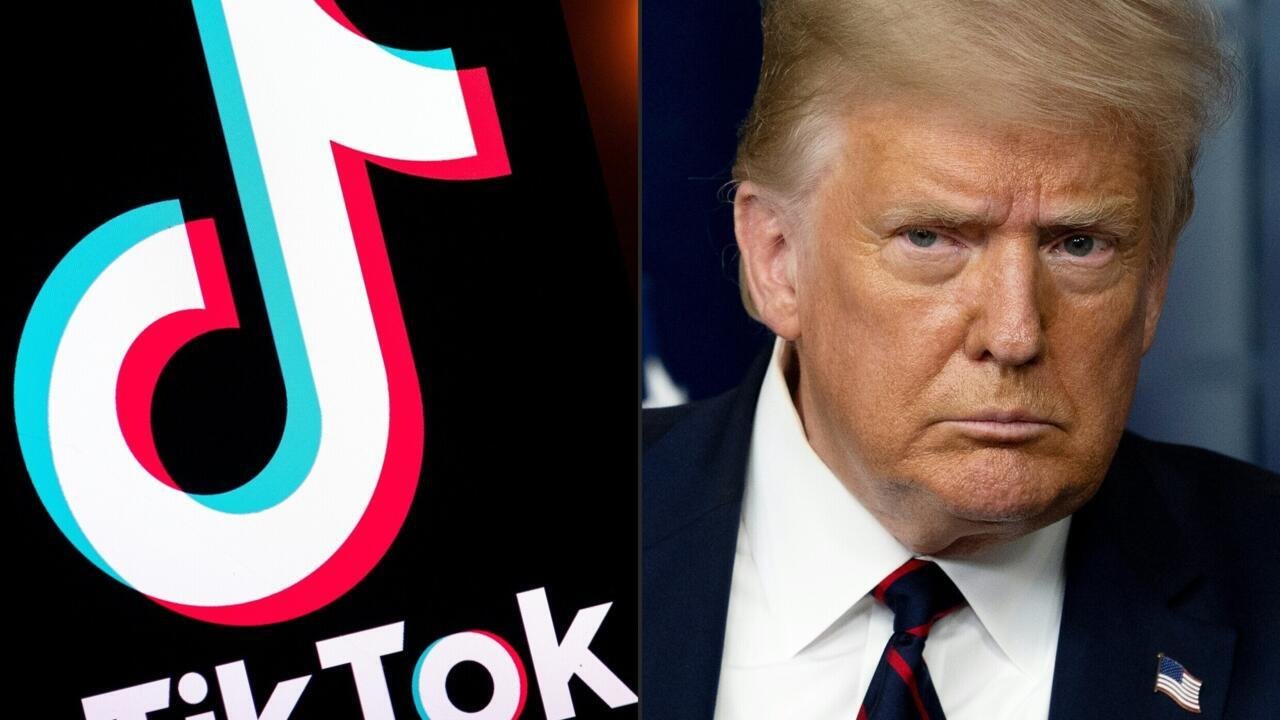
U.S. President Donald Trump on Thursday signed an executive order directing the sale of TikTok’s U.S. operations to American and international investors, in line with national security requirements. According to Reuters, the order mandates that any company bidding for TikTok must meet the security provisions of the 2024 law, which would otherwise ban the app unless its Chinese owners divest. At a White House briefing, Vice President James Vance said the newly created U.S. entity would be valued at around $14 billion. “We actually think this is a good deal for investors, but they will ultimately decide how much to invest and what value to place on it,” he added. The White House also extended the enforcement date of the law to January 20 to allow for the sale process, investor commitments, and negotiations with Chinese authorities. One of the unresolved issues is the handling of TikTok’s key asset — its recommendation algorithm. Trump’s order states that the algorithm will be retrained, monitored by U.S. security partners, and placed under the control of the new joint venture. Vance said there had been “some resistance on the Chinese side” but emphasized that the goal was to keep TikTok operating while ensuring American users’ data privacy. Trump noted that he had spoken with Chinese President Xi Jinping about the matter. “We had a good talk, I told him what we were doing, and he said go ahead with it,” Trump said. Neither the Chinese embassy in Washington nor TikTok immediately commented on the development. TikTok has 170 million U.S. users, and Trump has credited the platform with helping him secure reelection, pointing to his own following of 15 million. The White House also recently launched an official TikTok account. “This is going to be American-operated all the way,” Trump said, adding that investors expected to be involved include Dell Technologies founder Michael Dell, media mogul Rupert Murdoch, and “four or five absolutely world-class investors.”

trade-fair.webp

2min5610
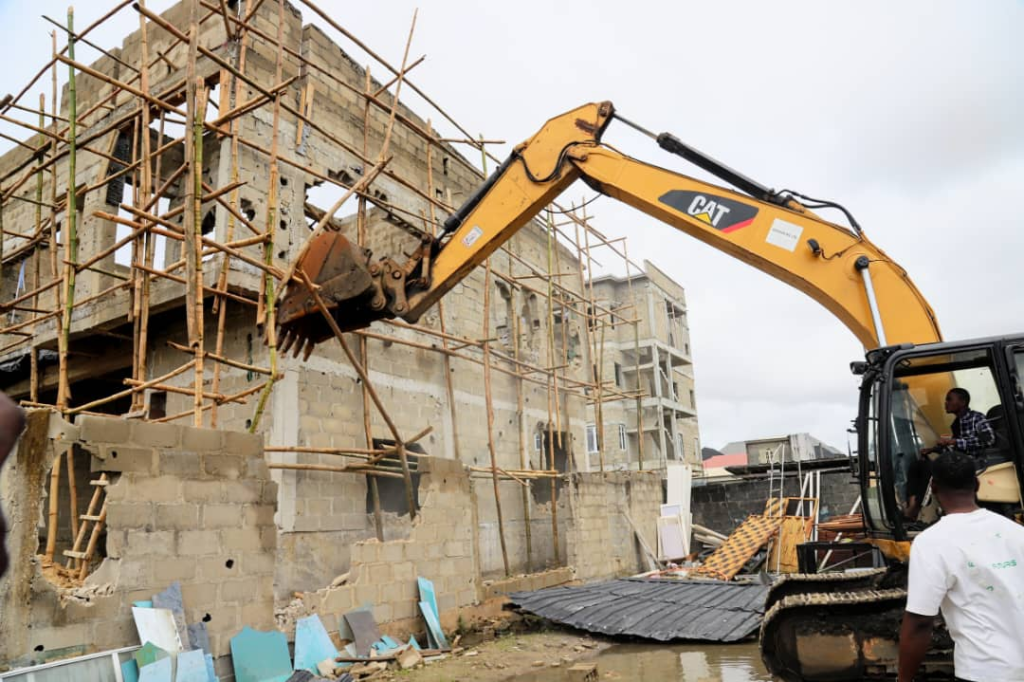
The Lagos State Government on Thursday began demolishing illegal and unsafe structures at the Trade Fair Complex in Ojo as part of its efforts to restore order and enforce physical planning regulations. Senior Special Assistant on New Media to Governor Babajide Sanwo-Olu, Jubril Gawat, confirmed the exercise in a post on X, noting that the operation targeted “illegal developments, structures without statutory approvals, defective buildings, and constructions erected on road setbacks and drainage channels.” He explained that the government could not continue to tolerate unapproved developments that obstruct critical infrastructure and endanger lives. The exercise was carried out jointly by the Ministry of Physical Planning and Urban Development, the Lagos State Building Control Agency (LASBCA), the Lagos State Urban Renewal Agency, and the Lagos State Physical Planning Permit Authority. Representatives from the Office of Infrastructure, members of the State House of Assembly, and security agencies also provided support. Bulldozers were deployed to pull down marked structures, while some traders and shop owners expressed concern about the effect on their businesses. The Sanwo-Olu administration has repeatedly warned against building without approval or blocking drainage systems, stressing that such violations contribute to flooding, traffic congestion, and general urban disorder. Officials described the removal as part of ongoing efforts to protect infrastructure and ensure public safety in a city already grappling with congestion. Past demolition exercises, however, have sparked criticism from affected residents who complained of inadequate notice and loss of property. The government had previously introduced an amnesty programme to allow owners of irregular or unapproved buildings to regularise their properties without penalty. That programme, which was extended several times, has now ended, paving the way for stricter enforcement. LASBCA has since intensified demolitions in areas where illegal structures obstruct drainage channels, encroach on road setbacks, or are deemed unsafe.

dangote-refinery-1-.jpg

3min4410
The National Association of Nigerian Students (NANS) has cautioned that any attempt by the National Union of Petroleum and Natural Gas Workers (NUPENG) to disrupt the operations of the Dangote Refinery will be resisted by Nigerian youths. In a statement issued in Abuja on Friday, NANS National President, Olushola Oladoja, described the refinery as a project tied to the collective destiny of over 200 million citizens. He noted that with its 650,000 barrels-per-day refining capacity, the facility represents a turning point for Nigeria’s economic survival. “With Nigeria’s average daily fuel consumption at about 550,000 barrels per day, this refinery can make the nation self-sufficient and create room for exports, changing the long-standing narrative of fuel importation,” Oladoja said. He urged industry stakeholders — particularly the Depot and Petroleum Products Marketers Association of Nigeria (DAPPMAN) and NUPENG — to prioritise national interest over personal or group considerations. Oladoja warned that students would resist any cartel, group, or institution, whether domestic or foreign, seeking to frustrate the refinery. “This is a battle for the survival of our economy and the dignity of our nation,” he said. The NANS leader praised Aliko Dangote for what he called an act of uncommon patriotism, stressing that his decision to invest massively in Nigeria rather than abroad demonstrated his commitment to the country. According to him, the refinery will create jobs and sustain the economy for generations. “This is not just about a refinery. It is about survival, sovereignty, and the dignity of our nation. NANS is watching, and we will not allow vested interests to mortgage our future,” Oladoja declared. Recent tensions between Dangote and oil workers’ unions have escalated following allegations of breached agreements. On September 9, 2025, Dangote and NUPENG signed a Memorandum of Understanding after government mediation, affirming workers’ constitutional right to unionise. However, within two days, NUPENG accused the Dangote Group of bad faith, claiming truck drivers were ordered to remove union stickers before loading. The company dismissed the allegations as “cheap blackmail.”

trum-1.jpg

3min5480
U.S. President Donald Trump on Thursday announced sweeping new tariffs on pharmaceuticals, heavy-duty trucks, home renovation fixtures, and furniture, intensifying his trade war strategy. The move marks the administration’s most aggressive trade action since last April’s rollout of reciprocal tariffs on nearly all major trading partners. Effective October 1, a 100% tariff will apply to all branded or patented pharmaceutical products unless the manufacturer builds production facilities in the United States, Trump said in a post on Truth Social. In a separate message, he confirmed a 25% tariff on imported heavy trucks to support American manufacturers such as Peterbilt, Kenworth, Freightliner, and Mack Trucks. Foreign competitors affected include Sweden’s Volvo and Germany’s Daimler, both of which saw their shares fall in after-hours European trading. Trump said the truck tariffs were justified on “many reasons, but above all else, for national security.” Earlier this year, his administration launched a Section 232 investigation into truck imports to assess their national security implications — a provision of U.S. trade law that grants broad presidential authority to impose tariffs when imports are deemed a threat. The new measures also target home renovation and furniture imports. Trump announced a 50% tariff on kitchen cabinets, bathroom vanities, and related products, alongside a 30% tariff on upholstered furniture. According to the U.S. International Trade Commission, imports accounted for 60% of all furniture sold in 2022, including 86% of wood furniture and 42% of upholstered items. Shares of U.S. furniture retailers Wayfair and Williams Sonoma, both heavily reliant on imports, fell sharply after the announcement. Analysts warn the tariff escalation could further stoke inflation in the U.S., the world’s largest economy. Trump has repeatedly used tariffs to advance his protectionist agenda, arguing they will strengthen domestic industries and punish countries he accuses of exploiting the United States. His administration has already imposed baseline tariffs of 10% on all countries, with higher rates on those with significant trade surpluses, and has extended duties on Canada, Mexico, and China under emergency powers. It remains unclear how the latest round of tariffs, set to take effect next week, will be integrated with existing trade measures.

ken-saro-wiwa.jpg

3min2430
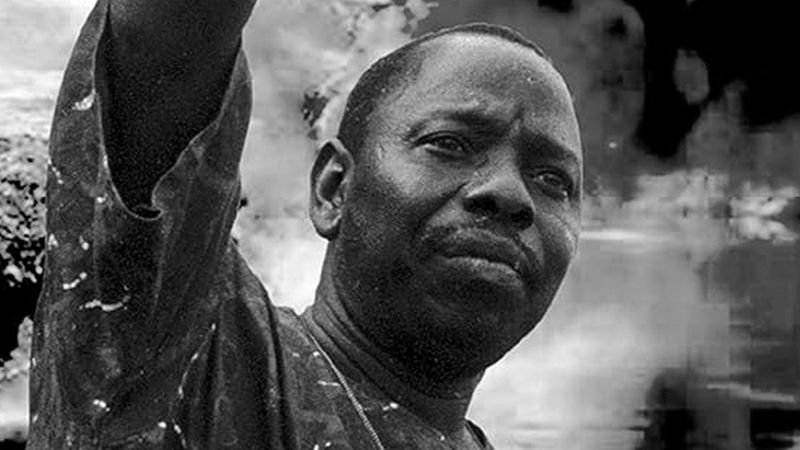
ABUJA – The Ogoni Voice Achievers Foundation (OVAF) has rejected the federal government’s plan to resume oil exploration in Ogoniland, insisting that no drilling should begin until a full environmental cleanup is completed and justice is secured, including the exoneration of the late Ken Saro-Wiwa and other activists. In a statement signed by OVAF’s Founder and Chairman, Hon. Ambassador Gospel Barifii Gokana, the group described the government’s approach as “deeply flawed, unjust, and unacceptable.” It warned that restarting oil operations without addressing decades of pollution and neglect could trigger resentment, unrest, and renewed conflict. Ambassador Gokana faulted the government’s justification of oil restart on economic recovery grounds, noting that genuine consultations with the Ogoni people had not taken place. “Only a select few have been invited into closed-door negotiations. This selective engagement fails the test of free, prior, and informed consent, which is a right under international human rights norms,” he said. The foundation also raised concerns over transparency, citing the absence of clear information on environmental impact assessments, benefit-sharing frameworks, and safety measures. It stressed that the federal government had failed to fully implement the 2011 United Nations Environment Programme (UNEP) report, which revealed widespread oil pollution in Ogoniland. OVAF outlined non-negotiable conditions, including halting new exploration until UNEP’s recommendations are fully executed, reparations are established, and an inclusive stakeholder process involving OVAF, MOSOP, youth, women, and traditional leaders is put in place. The group further called for binding legal instruments to guarantee equitable benefit-sharing and independent oversight of environmental safety. In a symbolic appeal, OVAF demanded the exoneration of Ken Saro-Wiwa and the eight other Ogoni activists executed in 1995, describing it as essential to restoring dignity to the Ogoni people. Ambassador Gokana urged President Bola Tinubu and relevant agencies “to listen to the voices of the Ogoni people and respect our rights, lives, lands, and futures.”

Ogoni-cleanup-project.jpg

4min2680
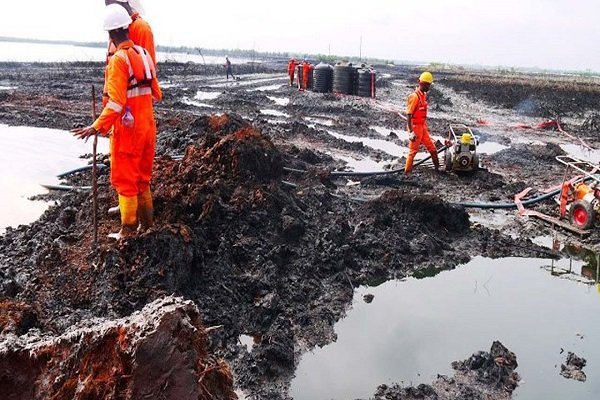
President Bola Tinubu on Wednesday posthumously awarded the national honour of Commander of the Order of the Niger (CON) to four prominent Ogoni leaders — Albert Badey, Edward Kobani, Theophilus Orage, and Samuel Orage — collectively remembered as the “Ogoni Four.” The President made the announcement while receiving the report of the Ogoni Consultations Committee at the State House, Abuja. Calling for reconciliation and unity, Tinubu urged the Ogoni people to move beyond decades of division. “May their memories continue to inspire unity, courage, and purpose among us. I urge the Ogoni people across classes, communities, and generations to close ranks, put this dark chapter behind us, and move forward as a united community with one voice,” he said. The meeting came 16 months after Tinubu had pledged to pursue the Ogoni cleanup programme diligently and to expand empowerment opportunities for the people of the region. He reaffirmed his commitment to unlocking Ogoniland’s human and natural resource potential while ensuring both environmental and economic security. The President also assured stakeholders of his administration’s support in achieving peace, environmental recovery, and economic renewal, as well as facilitating the return of oil exploration in the area. “I am encouraged by the overwhelming consensus of the Ogoni communities to welcome the resumption of oil production. The government will deploy every resource to support your people in this march towards shared prosperity,” he said. Tinubu recalled the transfer of Ogoni oil field operations to the Nigerian National Petroleum Company Limited (NNPCL) and its joint venture partners under the previous administration, vowing to build on that decision. Directing National Security Adviser Nuhu Ribadu to lead fresh engagements with stakeholders, the President stressed the need to avoid further delays. “A dead asset is not valuable to the community, the country, or the people. The longer we procrastinate, the worse it is for everyone,” he added. He also instructed the Minister of Environment to integrate pollution remediation and environmental recovery into ongoing dialogue with the Ogoni people. Presenting the report, Ribadu explained that the consultations covered all four Ogoni zones, with inputs from communities, traditional rulers, and the diaspora. He pledged strict implementation of the President’s directives to restore peace and development in Ogoniland. Committee Chairman Prof. Don Baridam added that the process was inclusive and reflected the collective demands of the Ogoni people, particularly structured participation in oil production, renewed environmental cleanup, and sustainable development initiatives. Oil was first discovered in Oloibiri, Ogoniland, in 1958, but exploration was halted in 1993 after widespread protests against environmental degradation and injustice. The movement to protect Ogoniland culminated in the execution of Ken Saro-Wiwa and nine other leaders in 1995 during the Abacha regime.

atiku-1280x720.jpg

2min2830
Former Vice President Atiku Abubakar has assured that Yoruba interests will remain a priority in his administration’s policies if he is elected president in 2027. Addressing concerns about ethnic domination, Atiku dismissed suggestions that his leadership would favour Hausa/Fulani interests over those of the Yoruba or other groups. He stressed that his personal and family ties to the South-West made such fears misplaced. “The Yoruba people are my extended family and in-laws,” Atiku said in a statement released on Thursday in Abuja by his media consultant, Kola Johnson. He recalled his marriage to his first wife, Titi, an Ijesha-born Yoruba woman, in the 1970s, noting that they share four children together. “She is now over 75 years old, and we are still together. My children with Titi sometimes call me ‘Baba Rere’, meaning good father,” he added. Atiku described his wife as his “Jewel of Inestimable Value” and emphasised that the Yoruba had always been central to his personal life, political alliances, and friendships. “It is for this reason that the interests of the Yoruba will always occupy a topmost place in my policymaking and governance, if, by the special grace of Allah, I am elected president in 2027,” he declared. He maintained that he has always related with people across ethnic and religious lines without prejudice. “Anyone who knows me will attest that I am naturally detribalised. Long before politics, I related easily with people of diverse tribes, religions, and backgrounds,” Atiku said. The former vice president, a long-time presidential aspirant, is preparing to contest against President Bola Tinubu in the 2027 elections.

bua-1280x853.jpeg

3min2180
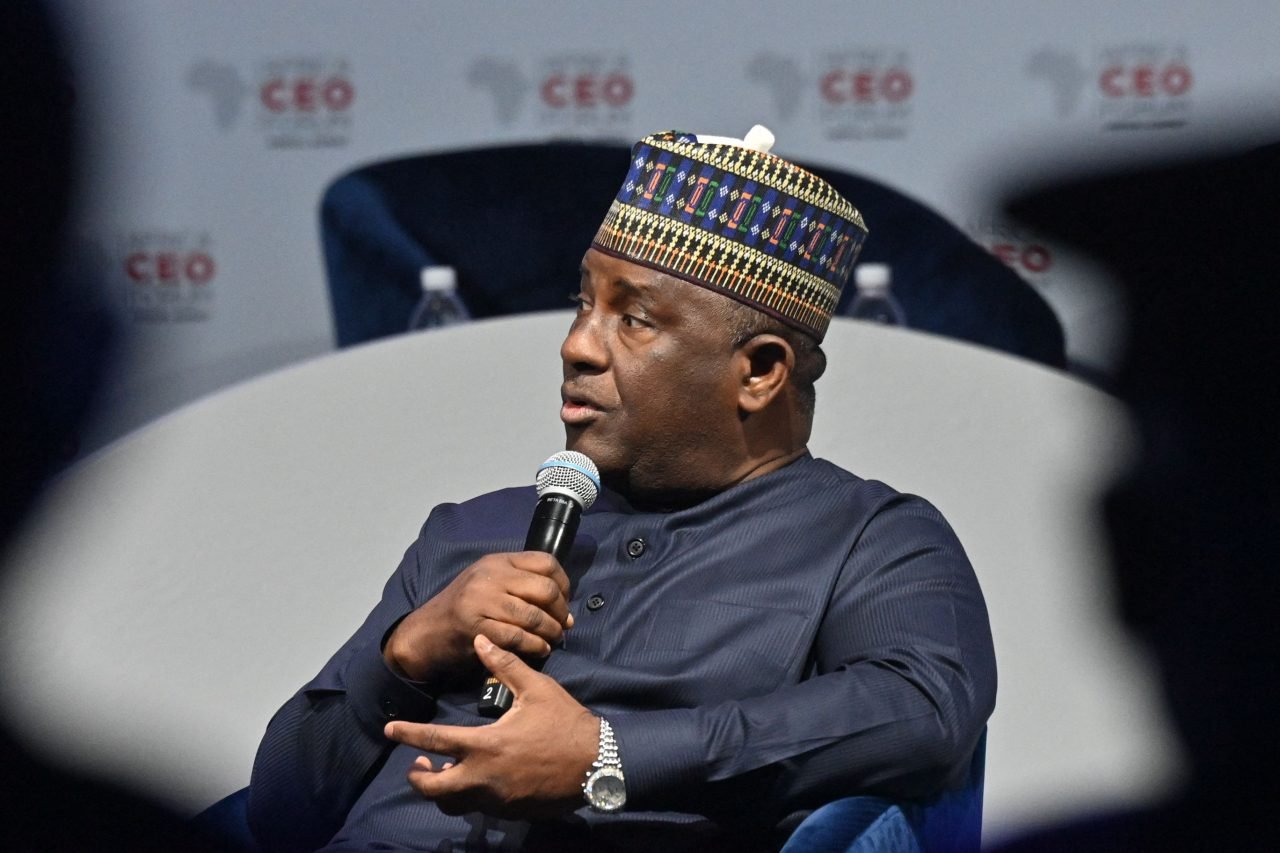
Abdul Samad Rabiu, Chairman of BUA Group, has forecast that the naira will appreciate to between ₦1,300 and ₦1,400 to the dollar before the end of the year. Rabiu made this prediction while speaking with journalists after a meeting with President Bola Tinubu at the Presidential Villa in Abuja on Wednesday. He commended the President’s “bold and decisive” economic reforms, saying they are beginning to yield tangible results for both businesses and the national currency. “I expect that the exchange rate is going to strengthen even further. I expect that the rate should come down to maybe ₦1,300, ₦1,400 before the end of the year. And this is something we should all celebrate,” he said. The BUA chief explained that companies now have more flexibility in sourcing foreign exchange, as many can access funds through credit cards and international banking channels without depending solely on the Central Bank of Nigeria. He credited the government’s policy direction with laying the foundation for a stronger economy and more stable currency. On inflation, Rabiu observed that the cost of key food items has declined compared to last year, encouraging Nigerians to be patient as the reforms continue to take effect. “If you look at the prices of food items last year and what we have today, you’ll see that there is a significant reduction in all the commodities. So, I think we just need to be a bit more patient. Clearly, things are getting better, and we must continue to support the government,” he said. Since assuming office in 2023, President Tinubu has implemented reforms including the unification and liberalisation of the foreign exchange market, merging multiple FX windows into a single rate and allowing the naira to float. In July, Rabiu had also highlighted that these changes removed the need for companies to lobby for forex access, contrasting it with the previous system that created distortions and restricted access. “I was making a joke a few weeks ago that I’ve only seen the current CBN Governor maybe twice since his appointment. That’s because I don’t need him. Before now, I used to visit the CBN every two weeks to lobby for FX. That was the only way to survive,” he remarked.