Author: Lifestyle & Wellness Desk

Nigerian-President-Bola-Ahmed-Tinubu-addresses-the-78th-United-Nations-General-Assembly-at-UN-headquarters-in-New-York-City-1.jpg

3min3860
Vice President Kashim Shettima, on behalf of President Bola Ahmed Tinubu, on Wednesday delivered Nigeria’s national statement at the ongoing 80th Session of the United Nations General Assembly in New York. Speaking during the general debate themed “Better Together: 80 Years and More for Peace, Development, and Human Rights,” Shettima outlined Nigeria’s position on global issues and renewed the country’s call for reforms within the United Nations system. Among other key points, President Tinubu demanded that Nigeria be included as a permanent member of the UN Security Council, stressing that the institution must reflect today’s global realities rather than the structure of 1945. He argued that Nigeria’s population size, regional influence, and contributions to global peacekeeping operations make its case for inclusion compelling. Tinubu also emphasized the need for countries rich in strategic minerals to benefit fairly from them through investment, local processing, and job creation, pointing to Africa’s potential to power the technologies of the future if managed equitably. The national statement further highlighted four central priorities for Nigeria at the Assembly: Securing a permanent seat for Nigeria at the UN Security Council as part of wider institutional reforms. Urgent action on sovereign debt relief, fair access to trade, and financing for developing nations. Ensuring that countries hosting strategic minerals derive equitable benefits from them. Closing the global digital divide by ensuring developing regions, particularly Africa, are included in the technological revolution. On peace and security, Tinubu reaffirmed Nigeria’s commitment to multilateralism and regional cooperation, noting the country’s long-standing role in peacekeeping operations and its resolve against insurgency and violent extremism. He called for values of tolerance and shared humanity to triumph over hate and division. Tinubu also addressed pressing global concerns such as climate change, irregular migration, and the protracted Israeli-Palestinian conflict. He reiterated Nigeria’s support for a two-state solution as the most dignified path to peace for the people of Palestine. He urged the UN to act decisively in addressing conflicts and inequalities, warning that the slow pace of reforms risks eroding confidence in multilateralism. The Vice President concluded Nigeria’s statement by reaffirming the country’s commitment to peace, unity, development, multilateral cooperation, and the defense of human rights, stressing that “none of us is safe until all of us are safe.”

hh.jpg

1min2260
An Ibom Air flight en route from Abuja to Lagos was forced to return shortly after takeoff on Monday due to a medical emergency involving a female passenger. The incident occurred aboard Flight 561, which had departed from Nnamdi Azikiwe International Airport. According to the airline, the passenger identified as a Person with Reduced Mobility (PRM) was traveling with her family when her condition suddenly worsened mid-flight. With no medical professionals responding to a public call onboard, the cabin crew initiated emergency procedures. They administered oxygen, performed CPR, and followed the DRABCDE emergency protocol (Danger, Response, Airway, Breathing, Circulation, Disability, Exposure) in accordance with international aviation safety standards. The crew moved the unresponsive passenger to the galley area and took turns administering CPR. As her condition deteriorated further, the captain opted to return to Abuja. Upon landing, the passenger had been successfully resuscitated and was handed over to the airport’s emergency medical team in stable condition. Ibom Air later resumed the flight to Lagos after the passenger was evacuated for further treatment. The airline praised the professionalism of its crew and the swift response of the airport’s medical personnel.

gg.webp

2min2120
The Airtel Africa Foundation, in partnership with UNICEF, has launched an ambitious initiative to positively impact over 10 million Africans by 2030 through programs focused on education, digital inclusion, environmental sustainability, and financial literacy. At the foundation’s official launch in Lagos, Airtel Nigeria CEO Dinesh Balsingh emphasized the organization’s mission to transform Africa’s socio-economic landscape. “This foundation scales up our social impact efforts, with a clearer focus and broader reach,” he stated, noting that the initiative is already active in schools, healthcare facilities, and rural communities across 14 African countries. Airtel Africa CEO Sunil Taldar described the initiative as both a strategic priority and a social responsibility. So far, Airtel has impacted over one million students, visited more than 1,200 schools, and trained 17,000 teachers in digital education. He confirmed a significant portion of the foundation’s funding will be directed to Nigeria. Foundation Chairman Dr. Segun Ogunsanya said the goal is to leave a lasting legacy by investing in future generations. Efforts include providing free access to online educational content, donating digital devices, refurbishing schools, and supporting underprivileged students through scholarships. Highlights of the initiative include: Smart classrooms with IT tools and smart TVs. Rebuilding six schools across Nigeria, with a goal to reach 10. Launch of the Airtel Africa Fellowship, offering full scholarships in STEM, mentorship, internships, and international exchange programs. Plans to build a major tech hub in Nigeria. Sponsorship of Nigerian students to study abroad, with 100 new scholarships announced. Over 1,100 Airtel staff have volunteered for mentorship and community support roles, reinforcing the foundation’s grassroots engagement across the continent.

A-traditional-bone-doctor-patient.jpg

3min3530
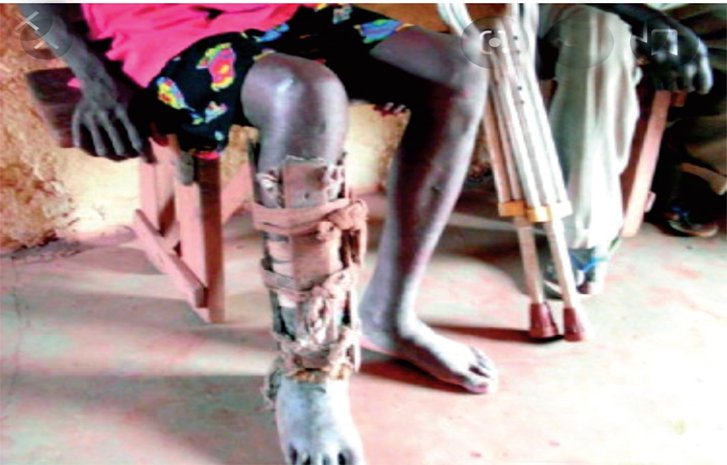
Orthopaedic surgeons have cautioned Nigerians against relying on traditional bone setters and healers for the treatment of fractures, dislocations, and joint injuries, stressing that such practices often worsen patients’ conditions. They explained that delayed presentation at certified hospitals contributes to devastating outcomes, including poorly healed fractures, deformities, life-threatening complications, and in some cases, amputations. Speaking at the 46th Annual Scientific Conference of the National Orthopaedic Hospital, Igbobi-Lagos, Consultant Orthopaedic Surgeon, Dr. Olatunji Idowu, said many patients only report to hospitals after complications set in, making treatment more complex and costly. Idowu, who delivered a paper on “Socio-economic Burden of Orthopaedic Trauma: Nipping the Menace in the Bud”, noted that unsafe practices, coupled with late treatment, worsen the trauma burden in Nigeria. “The right place to go for orthopaedic trauma is a hospital, not traditional healers or religious houses. A fracture that should be treated easily ends up requiring lengthy surgery when patients delay proper care,” he said. He stressed that trauma—often resulting from road traffic accidents, domestic falls, sports, and industrial incidents—carries deep physical, social, and economic impacts. Idowu urged government authorities to enforce safety laws, maintain health facilities, and provide infrastructure to reduce the incidence and burden of trauma in the country. He also called on individuals to seek proper care immediately rather than resorting to unregulated treatment centres. Also speaking, the Acting Medical Director of NOHIL, Dr. Wakeel Lawal, said the rising number of trauma cases is overstretching Nigeria’s healthcare system, especially amid the ongoing exodus of medical professionals. “The trauma burden leads to staff burnout and strains facilities. Education and public awareness are critical to prevention and ensuring patients seek appropriate care quickly,” Lawal noted. Both experts emphasised that awareness, prevention, and timely intervention remain the most effective ways to reduce avoidable disability and death from orthopaedic trauma in Nigeria.

cataract-surgery-2.png

2min2620
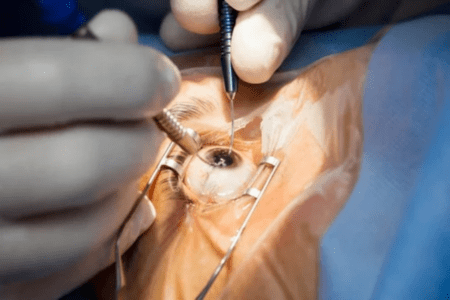
Mainstream Energy Solutions, a hydropower company, has provided free eye care to more than 500 people suffering from various eye conditions in Yola, the Adamawa State capital. The medical outreach was organised in collaboration with one of its subsidiaries, the Yola Electricity Distribution Company (YEDC), as part of the firm’s corporate social responsibility. According to the company’s medical technical officer, Salisu Dabban, the programme began with screening and the distribution of corrective glasses on September 17 and 18, followed by free surgeries on September 19 and 20. He disclosed that over 1,014 patients were examined, more than 500 pairs of glasses were dispensed, and 45 surgical operations—including cataract and pterygium procedures—were successfully conducted. The surgeries continued on Saturday with the support of a 20-member medical team made up of ophthalmologists and theatre nurses. “The project is the first of its kind by any corporate body in Adamawa State. All services rendered are completely free of charge,” Dabban said. Beneficiaries expressed gratitude for the intervention. A 73-year-old retired civil servant, Joseph Kwada, said the outreach had transformed his life, noting that he could not have afforded the surgery without the support. Similarly, Hajiya Aishatu Umar shared that she had lived in seclusion for 12 years due to poor eyesight but had now regained her vision through the programme. Dabban further explained that YEDC is under Quest Electricity, a subsidiary of Mainstream Energy Solutions, which plans to sustain such humanitarian initiatives in the future.

surgery.jpg

3min4520
No fewer than 50 patients with severe facial and neck deformities have successfully undergone free complex reconstructive surgeries at the Noma Children’s Hospital, Sokoto, during a week-long medical mission that concluded on Friday. The life-changing intervention was spearheaded by the Kindred Health Surgical Foundation in collaboration with the Noma Children’s Hospital. The initiative specifically targeted indigent patients who could not afford procedures that typically cost between ₦350,000 and ₦500,000. The Chief Medical Director of the hospital, Dr. Abubakar Abdullahi Bello, described the programme as a lifeline. “Some of these surgeries are very expensive. In other hospitals, patients could be asked to pay between ₦300,000 and ₦400,000. But here, they got it done free of charge without spending a penny,” he said. While the hospital provided operating theatres, wards, and laboratory support, the foundation covered the cost of surgery, medical personnel, and post-operative care. Most of the beneficiaries were children affected by Noma, a devastating disease that destroys facial tissues and often leaves victims stigmatised. Professor Jacob Ndas Legbo, a plastic and reconstructive surgeon at Usmanu Danfodiyo University Teaching Hospital and leader of the medical team, said the mission aimed to treat 30–50 patients within the week. “The foundation focuses on three things: training young surgeons, providing surgical equipment, and supporting indigent patients,” he explained, noting that the Sokoto mission concentrated on ENT, maxillofacial, and reconstructive surgeries. Legbo added that the foundation, established in 2023 in partnership with American ENT surgeon Dr. Dave Shaye of Project Life, intends to make such humanitarian interventions more frequent. “This is just the beginning. With the support we have, we hope to mount interventions like this more often so hospitals can treat patients who cannot afford the cost of care,” he said. The Sokoto State Ministry of Health, led by Commissioner Dr. Faruk, also supported the programme, which drew patients from both within and outside the state. For the 50 beneficiaries, the surgeries represent far more than medical procedures — they mark a chance at new lives, free from pain, stigma, and social exclusion.

nigeria-senaior.jpg

2min2550
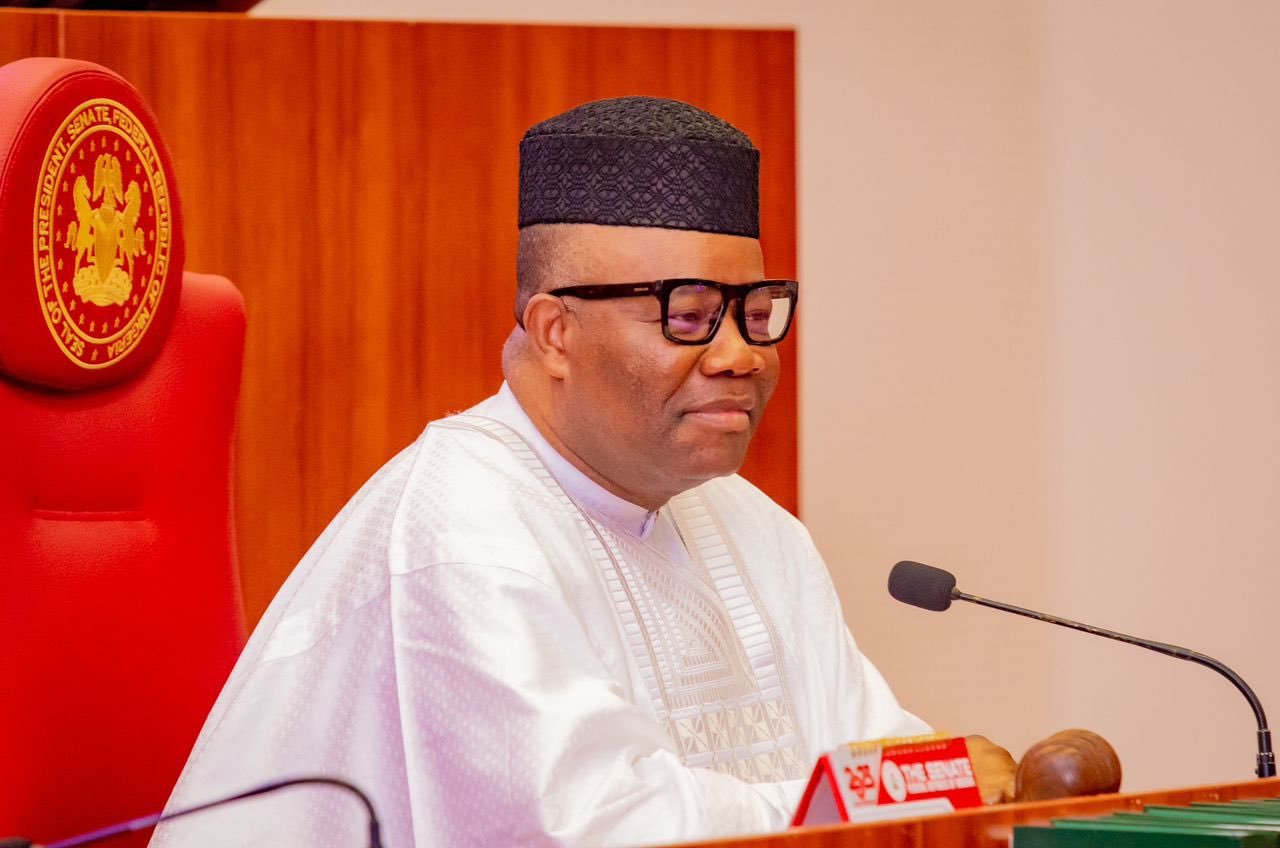
The leadership of the 10th Senate has once again adjusted its legislative calendar, moving the resumption of plenary sittings from September 23 to October 7, 2025. The postponement was communicated in an internal memo signed by the Chief of Staff to the Senate President, Chinedu Akubueze, and circulated to lawmakers on Tuesday. The change has drawn attention within the National Assembly as it lengthens the chamber’s annual recess by an additional two weeks. Although no official explanation was given, sources indicated that the shift was intended to allow lawmakers to fully observe the Independence Day celebrations on October 1. In the memo titled “Notice of Shift in Plenary Resumption Date”, Akubueze apologised to senators for the late notification, writing: “This is to respectfully inform Distinguished Senators that the resumption of plenary sitting of the Senate, earlier scheduled for Tuesday, 23rd September, 2025, has been shifted to Tuesday, 7th October, 2025. “Any inconvenience this short notice may cause is deeply regretted. Distinguished Senators are kindly invited to note the postponement and adjust their schedules accordingly. Thank you for your kind understanding, and God bless.” The Senate had previously adjourned on July 24 for its annual recess. At the time, Senate President Godswill Akpabio described the move as an act of “chamber reciprocity,” noting that the House of Representatives had also gone on break in line with the legislative calendar. With the latest adjustment, pending motions and critical debates—including oversight inquiries into government spending and executive appointments—will remain on hold until October.

farming-1280x854.jpg

3min2030
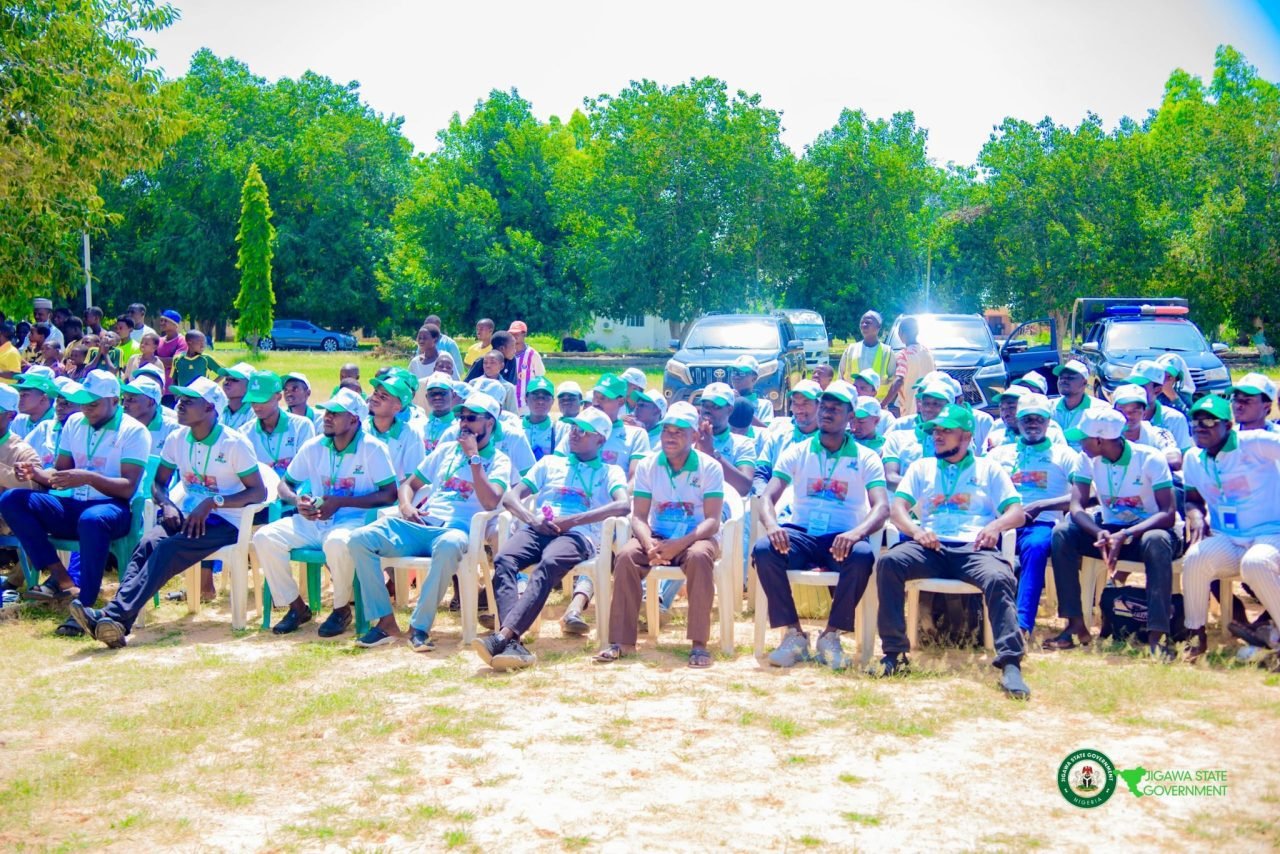
The Jigawa State Government has intensified efforts to reduce youth unemployment by training and empowering 400 young people in date-palm cultivation. Date-palm farming, a long-standing agricultural practice in Jigawa, is valued for its economic and environmental benefits. The state has consistently promoted the crop to boost rural incomes, diversify the economy, and help combat desertification. Speaking at the graduation ceremony held on Monday at the Yakubu Gowon NYSC Orientation Camp, Fanisau, Dutse, Governor Umar Namadi said the initiative is designed to provide youths with sustainable livelihoods. “This pilot scheme aims to equip young people with skills and resources to build sustainable livelihoods,” Namadi stated. He explained that each participant will manage half a hectare of date-palm trees, totalling 200 trees in designated clusters. In addition to technical training, the beneficiaries will receive a monthly allowance for two years, as well as access to industrial boreholes and other support facilities. “The monthly allowance for two years is designed to support the youths while they develop their farms into profitable ventures,” the governor said. The 400 trainees were drawn equally from Birniwa, Yankwashi, Babura, and Sule Tankarkar local government areas. Namadi stressed that the programme is both an economic diversification strategy and an environmental protection measure. “We want to empower our youths to be self-reliant and contribute positively to the state’s economy,” he said, adding that the government would continue to expand job creation and promote agriculture as a reliable source of income. The governor also encouraged other youths across the state to embrace skills acquisition and agricultural ventures. “Our vision is to make Jigawa a hub of sustainable farming and environmental conservation, empowering young people as active contributors,” Namadi added. Some of the beneficiaries expressed appreciation for the programme. Aminu Musa from Birniwa LGA said: “This programme has given me hope and a real chance to support my family. I am excited to start cultivating date palms and build a better future.” Similarly, Yusuf Sani from Babura LGA said the initiative had transformed his outlook: “Before this, I had no clear source of income, but now, with the skills and monthly support, I can confidently plan for my future.” Other participants also praised the training and allowances, noting that the support would set them on the path to independence and financial stability.

tax.webp

2min3910
A civil society group, Citizen Monitors, has called on the Federal Government to provide Nigerians with clear guidance and safeguards ahead of the new tax law scheduled to take effect on January 1, 2026. The legislation, which introduces the Nigeria Tax Act, the Nigeria Tax Administration Act, and the Nigeria Revenue Service Act, has stirred debate, including protests against the proposed 5% fossil-fuel surcharge. The Federal Inland Revenue Service has already dismissed claims that Nigerians would be required to present a Tax Identification Number to open or maintain bank accounts under the law. In a statement signed by its spokesperson, Olajumoke Alawode-James, Citizen Monitors welcomed the suspension of the 5% fossil-fuel surcharge pending further consultations but stressed that reforms must be understood by citizens to be effective. The organisation outlined three urgent actions the government should take before the rollout: Publish a one-page plain-language guide detailing what is changing, what is not, and when, along with a clear timeline to January 2026, FAQs for workers and small businesses, and a helpline or portal for quick answers. Reassure the public that VAT remains at 7.5%, ensure that zero-rated items such as food, medicines, books, and some energy products remain exempt, and actively monitor against fake “VAT increases” at retail outlets. Release updated PAYE tables early, while giving small businesses a smooth entry into the new e-invoicing and fiscalisation system without retroactive penalties during the transition, supported by toolkits and simplified steps. Citizen Monitors reaffirmed its mission to monitor government reforms and their real-life impact. The group said it will track the implementation process and report on areas that work well and those that require further clarity or correction.

Crude-Oil-1.jpg

4min2370
The Federal Government has revealed that 67,657,559 barrels of crude oil were delivered to domestic refineries for processing between January and August 2025. The figure, confirmed by the Nigerian Upstream Petroleum Regulatory Commission (NUPRC), underscores the persistent gap between crude allocations and the actual demand of local refiners, despite an increase in national production levels. Speaking in Abuja on Sunday, the Head of Media and Strategic Communications at the NUPRC, Eniola Akinkuotu, said the allocations were made in line with the Petroleum Industry Act (PIA) 2021 and the Domestic Crude Supply Obligation (DCSO) framework. He explained that the crude was distributed to both modular and state-owned facilities, including Waltersmith, Aradel Energy, and refineries operated by the Nigerian National Petroleum Company Limited. However, the supply fell significantly short of refiners’ needs. Local processors had requested 123.48 million barrels for the first half of the year, meaning they received about 55.8 million barrels—or 45 per cent—less than required to meet their targets. The DCSO requires upstream producers to reserve a share of crude for domestic processors before exporting, with sanctions for non-compliance. The framework was designed to guarantee feedstock for local plants and reduce reliance on imported fuel. Earlier projections indicated that facilities such as Port Harcourt, Warri, Dangote, and others would require about 123.4 million barrels in the first half of 2025, or roughly 23.8 million barrels per month. Despite this, deliveries have lagged behind forecasts. Nigeria’s crude and condensate output climbed to 1.63 million barrels per day in August, with the bulk still sold to international buyers. Refinery operators have repeatedly complained of difficulties in sourcing crude locally, claiming that producers prefer dollar-based export deals, leaving domestic refiners exposed to exchange rate volatility. Eche Idoko, Publicity Secretary of the Crude Oil Refiners Association of Nigeria, argued that Nigeria’s drive for self-sufficiency in fuel refining has been undermined by inconsistent policies and the “willing buyer, willing seller” pricing system. He maintained that local refiners are disadvantaged in competing with foreign buyers who pay in hard currency, despite the legal provisions of the PIA. Data from earlier in the year showed that 82 per cent of Nigeria’s crude production in the first quarter of 2025 was exported, further highlighting the supply constraints facing local processors. Analysts warn that this imbalance could slow Nigeria’s refining growth and frustrate efforts to cut the country’s fuel import bill. Although the NUPRC insists its allocation of more than 67 million barrels demonstrates commitment to domestic refining, operators argue that partial supplies cannot sustain efficient operations or justify the heavy capital investments in refinery projects. Stakeholders are urging stronger enforcement of crude allocation rules, clearer pricing mechanisms, and targeted incentives to balance the interests of producers and refiners, warning that without these measures, Nigeria’s refining ambitions could remain out of reach.