Author: Lifestyle & Wellness Desk

Global_market_.webp

2min5020
Stock markets were uneven on Monday as investors paused following last week’s rally sparked by the US Federal Reserve’s decision to cut interest rates. Tokyo led the gains after the Bank of Japan clarified that it would gradually sell its massive holdings of exchange-traded funds. The central bank had initially unsettled markets on Friday by announcing plans to offload the assets as part of its shift away from ultra-loose monetary policy. Analysts now expect the sell-down to take decades, easing immediate concerns. Positive sentiment also stemmed from talks between former US President Donald Trump and Chinese leader Xi Jinping, which Trump said produced “progress on many very important issues,” including discussions on TikTok. He added that the two would meet again at the Asia-Pacific Economic Cooperation summit in South Korea next month, with a visit to China planned for next year. Economists said the dialogue, though lacking detail, helped support a sense of detente between the two powers. Equities have risen in recent months on expectations that the US central bank will continue lowering borrowing costs, with concerns about a softening labour market outweighing inflationary pressures. On Monday, Tokyo’s Nikkei rose one per cent, while gains were also seen in Shanghai, Sydney, Seoul, and Taipei. However, markets in Hong Kong, Singapore, Wellington, Manila, Bangkok, and Jakarta slipped. In India, Mumbai edged lower as the country’s $283 billion technology sector came under pressure following Trump’s order imposing a $100,000 annual fee on new H-1B skilled worker visas. Shares in Tata Consultancy Services fell three per cent, while Infosys lost 2.7 per cent. European markets were also subdued, with London, Paris, and Frankfurt closing in the red.

aliko_dangote_0.jpg

4min2310
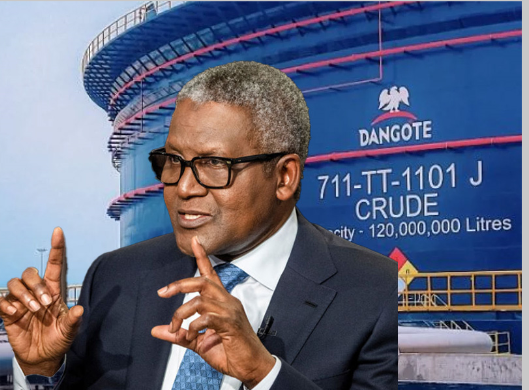
Africa’s richest man and President of Dangote Group, Aliko Dangote, has accused the Nigerian Union of Petroleum and Natural Gas Workers (NUPENG) of imposing charges of up to ₦50,000 on every truck loading fuel at the refinery, warning that such levies inevitably increase pump prices and burden consumers. Speaking with journalists, Dangote described the charges as acts of rent-seeking that undermine efficiency in the sector. He recalled that in his years as a fuel importer, transporters often held the company “by the neck,” a situation that pushed him to establish an in-house fleet managed by his brother. “Now that we have launched our own CNG trucks, we will not allow any group to hold us hostage. If there is no evacuation, there is nothing we can do,” he said, while stressing that no worker or driver should be forced into union membership. Responding to questions on alleged unionisation disputes involving Dangote’s newly deployed 4,000 Compressed Natural Gas-powered trucks, the billionaire insisted that membership must remain voluntary. “Even religion is voluntary—you cannot force anyone to convert,” he argued. Dangote claimed that by the time multiple charges were added, trucks faced total levies of up to ₦84,000 per loading, with consumers ultimately paying the price. NUPENG President, Williams Akporeha, neither confirmed nor denied the allegations, only remarking: “₦50,000 now? No more ₦1 per litre?” In an earlier reaction to reports of a ₦1 per litre levy, Akporeha had said: “One can’t stop people from having their opinion. Ask who alleges to provide proof.” The allegations come after NUPENG recently shut down depots and blockaded the Dangote Refinery over disagreements about drivers’ unionisation. The standoff was later resolved through government intervention and a memorandum of understanding, though tensions remain despite a court order in Abuja restraining the union from further blockades. Industry experts have questioned the legality of such levies. Professor Dayo Ayoade, an energy law specialist, noted that while unions are meant to protect members’ jobs, “they do not have the right to impose taxes or collect fees for fuel loading.” He added that Dangote’s investment in his own truck fleet could help reduce the influence of a single group over the country’s fuel distribution system. Analysts argue that hidden costs like these, if confirmed, amount to informal taxes on consumers at a time when pump prices are already pressured by foreign exchange and logistics challenges. They warn that unchecked charges could derail confidence in Nigeria’s refining sector just as the country begins to benefit from local production. As part of efforts to reduce costs and dependence on diesel imports, Dangote Group has invested in 4,000 eco-friendly CNG trucks to distribute products nationwide. Experts say the move is not only a business strategy but also a demonstration of commitment to Nigeria’s energy transition. They have urged the Federal Government to investigate the claims, establish a clear framework for truck loading charges, and balance workers’ rights with consumer protection in order to safeguard the stability of the downstream sector.

dd.webp

2min1440
Popular Hausa political singer Dauda Kahutu, widely known as Rarara, has been awarded an honorary doctorate by the European-American University, Commonwealth of the Dominican Republic of Panama. Rarara received the Doctor of Science in Humanitarian Service, Music, and Entertainment during the university’s 23rd convocation ceremony, held on Saturday at the NICON Luxury Hotel in Abuja. The event drew high-profile attendees, including Katsina State Governor, Dikko Umaru Radda, who praised Rarara as a “defining factor” in Nigerian politics and culture. The governor described the award as a recognition of both Rarara’s artistic impact and his contributions to community development and grassroots political mobilisation. “Rarara is not just a musical icon but also a philanthropist and a unifying voice in our democratic journey,” Radda said. He added that the honour represents not only a personal milestone but a collective achievement for Katsina State and the nation at large. The ceremony underscored Rarara’s political influence, attracting top officials including APC National Chairman Nentawe Yilwatda, Deputy Senate President Barau Jibrin, Minister of Transportation Sa’idu Alkali, and other federal lawmakers. The university’s Northern Nigeria representative, Musari Isyaku, said Rarara and other honorees including Ahmed Saleh Jnr., Mustapha Abdullahi Bujawa, and Tarela Boroh were recognized for excellence in service and societal impact. In his acceptance speech, Rarara dedicated the award to the people of Katsina State and Nigeria, and pledged to expand his humanitarian efforts. He also encouraged Nigerian youth to pursue their goals with “patience, purpose, and dedication.”

cc.webp

2min1680
A coalition of concerned parents and stakeholders in Ekiti State has called on the Federal Government to abolish the age restriction policy imposed by the Joint Admissions and Matriculation Board (JAMB) for tertiary admissions. In a letter to the Minister of Education, Dr. Tunji Alausa, and signed by Adeniran Samuel and Omotayo Omokayode, the group appealed for an immediate waiver for all qualified candidates who passed the 2025 JAMB examination, regardless of age. They also urged the government to instruct JAMB to lift portal restrictions that prevent younger candidates from processing their admission. JAMB currently enforces a policy allowing only candidates who turn 16 by August 2025 to gain admission into tertiary institutions. Parents argue that this rule unfairly disqualifies younger, high-performing students some of whom scored over 70% while admitting older candidates with lower scores. The group described the age policy as discriminatory and unconstitutional, referencing Section 18(1) of the 1999 Constitution, which prohibits discrimination based on circumstances of birth. They also cited a previous Delta State High Court ruling that declared a similar JAMB directive null and void. Noting that only about 7% of candidates scored above 250 in the 2025 JAMB exam, the parents warned that enforcing the age limit could demoralize Nigeria’s brightest students and undermine merit-based education. They recommended that any age policy be implemented gradually, starting from basic education levels, rather than at the point of university admission. “These children are not seeking favoritism,” the letter stated. “They only ask not to be penalized for academic excellence achieved at a young age.” The group called on the minister to use his “principled and fatherly voice” to restore fairness and protect the future of Nigeria’s young talents.

qq.jpg

1min8070
South African police have uncovered a large-scale crystal meth lab on a farm in Volksrust, eastern South Africa, seizing drugs valued at $20 million (£15 million). Five suspects from a North American country were arrested during the raid, while two others, believed to be from West Africa, fled the scene, police said in a statement. Photos released by authorities show industrial drug-making equipment, weighing scales, and containers filled with methamphetamine. A pellet gun loaded with blanks and three live rounds found with the farm’s caretaker who was also arrested were confiscated. South Africa has been identified as one of the world’s largest consumer markets for crystal meth, with porous borders making it a key transit point for drug trafficking, according to the UN and the 2022 Global State of Harm Reduction report. This bust follows a similar case last year involving a drug lab on another remote farm, which led to the arrest of two Mexicans and two South Africans.

Donald-Trump-2.webp

2min3900
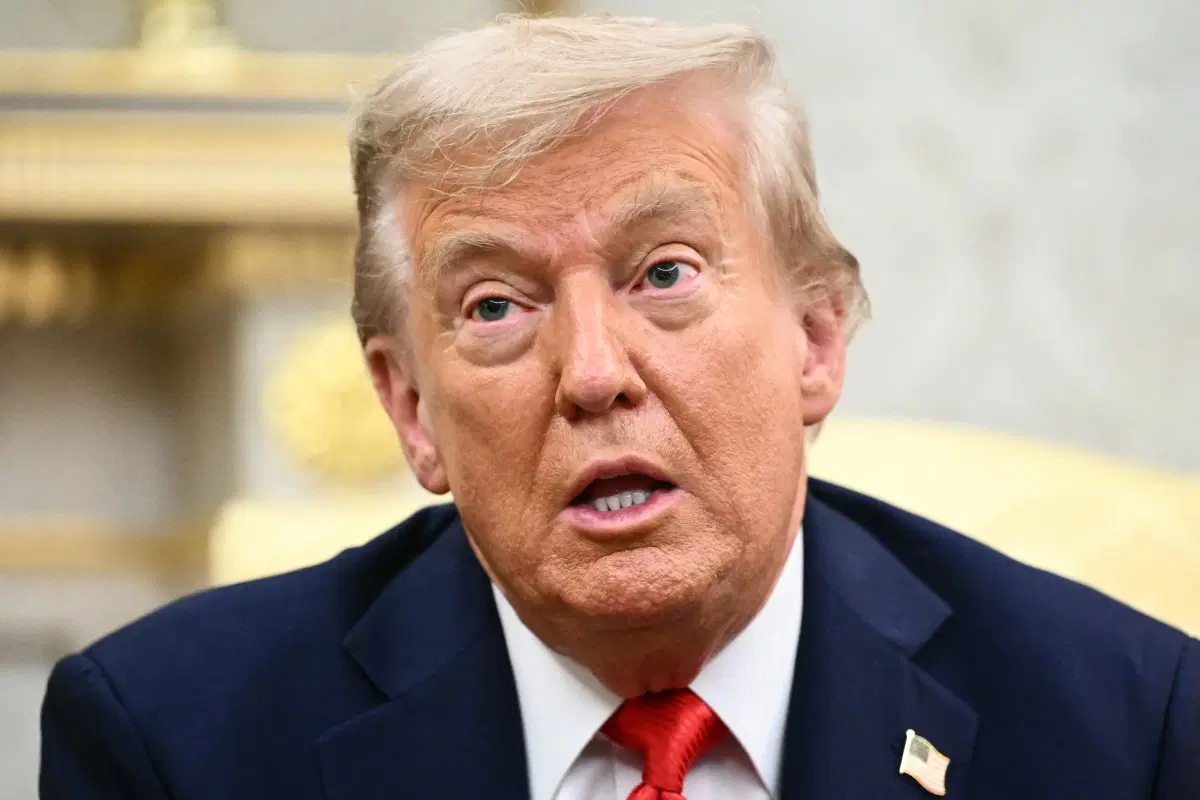
U.S. President Donald Trump has signed an executive order introducing a $100,000 annual fee for applicants to the H-1B visa program, which is used by skilled foreign workers. The move, which takes effect on September 21, targets new applications only but requires companies to pay the fee for each worker for up to six years. The order claims to address “abuse” of the H-1B system and restricts entry unless payment is made. Critics argue the policy will price out smaller businesses and startups, while supporters say it will prioritize American workers. In a separate move, Trump also announced a new “gold card” visa program, fast-tracking certain immigrants in exchange for fees starting at £1 million. Commerce Secretary Howard Lutnick said the new cost will force employers to evaluate whether hiring a foreign worker is worth the additional expense. “All of the big companies are on board,” he added. Until now, H-1B applicants paid around $1,500 in administrative fees. The annual cap on H-1B visas is 85,000, and application numbers for the next fiscal year have dropped to a four-year low of about 359,000. Major beneficiaries of the H-1B program include Amazon, Tata, Microsoft, Meta, Apple, and Google. In response to the announcement, Amazon advised its H-1B employees abroad to return to the U.S. before the deadline or risk being unable to re-enter. Immigration experts warn the new fee could severely impact smaller companies. Attorney Tahmina Watson called it a “nail in the coffin” for many of her clients, while legal expert Jorge Lopez warned it could undermine U.S. competitiveness in tech and other industries. The decision has sparked international concern, particularly in India, the largest source of H-1B applicants.

dagote.png

5min2530
The Crude Oil Refinery Owners Association of Nigeria (CORAN) has appealed for calm in the ongoing dispute between the Dangote Refinery and the Depot and Petroleum Products Marketers Association of Nigeria (DAPPMAN), warning that rivalry could derail Nigeria’s refining progress. In a statement issued in Lagos on Thursday and signed by its Chairman, Momoh Oyarekhua, the association urged both sides to prioritise national interest over corporate rivalry. The clash between the two industry giants stems from disagreements over pricing, product supply, and market structure. DAPPMAN has raised concerns about fair competition and supply arrangements, while Dangote Refinery insists that domestic refining should be allowed to stabilise without undue interference. CORAN expressed worry that the public exchanges have escalated tensions and risk polarising the downstream sector. “While disagreements are expected in a competitive market, the current rift risks distracting the nation from a more urgent reality: Nigeria is on the cusp of a refining revolution that must not be stifled by vested interests,” the statement partly read. Highlighting Nigeria’s history of fuel import dependence despite being a leading crude producer, CORAN noted that the commissioning of the Dangote Refinery and several modular refineries marks a turning point in the country’s energy sector. “This moment represents the foundation of a new economic windfall for Nigeria. It is, however, important for stakeholders, especially DAPPMAN members and tank farm operators, to recognise the fundamental changes in the energy value chain. CORAN urges tank farm owners and marketers to embrace collaboration with local refineries to ensure their continued relevance in the new era,” it added. The association stressed that marketers remain critical to refining success since refineries depend on efficient evacuation, storage, and retail distribution. It acknowledged DAPPMAN’s role in sustaining fuel supply during decades of import reliance, while noting that indigenous refiners and the Dangote plant now represent a strategic shift toward self-sufficiency and forex savings. “At the same time, the Dangote Refinery and indigenous refiners represent a strategic shift toward reduced forex pressure, job creation, and energy security. Both sides have made sacrifices in the national interest; both deserve acknowledgement. “What Nigeria cannot afford is for vested interests to derail the refining renaissance now unfolding. The path forward is clear: collaboration, not confrontation,” CORAN’s statement added. The group further emphasised that synergy between refineries and marketers would stabilise prices and secure affordable energy for Nigerians. “Refineries need marketers, and marketers need domestic supply. Together, this synergy can drive efficiency, stabilise prices, and ensure energy access nationwide. CORAN therefore calls for dialogue, cooperation, and integration across the downstream value chain to ensure no stakeholder is left behind. “Nigeria cannot afford to miss this historic opportunity. The refining sector must be nurtured as the engine of economic transformation—not suffocated on the altar of rivalry.” Oyarekhua, in his remarks, reinforced the call for restraint and partnership, saying: “This is not the time for rivalry but for reinvention and collaboration. Refineries need marketers, and marketers need domestic supply. Our refining renaissance is too important to be derailed by division. “If we work together, Nigeria will stabilise prices, reduce forex dependence, create jobs, and deliver affordable energy. But if we allow conflict to fester, we risk suffocating this opportunity before it fully blossoms.” Meanwhile, the Dangote Petroleum Refinery on Thursday reaffirmed its position in the dispute with DAPPMAN, insisting that it would not absorb logistics costs that marketers are seeking to pass on as a subsidy.

Abba-Yusuf.jpg

2min5160
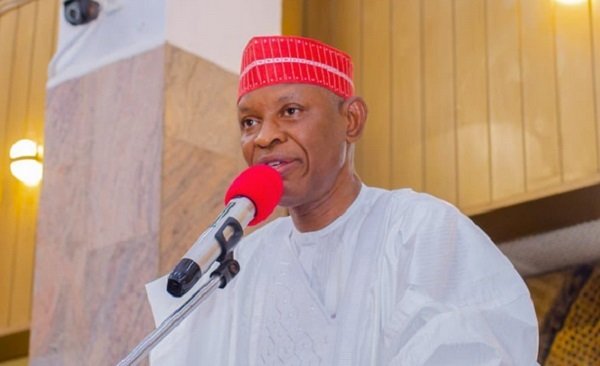
Governor Abba Yusuf of Kano State has recruited 4,315 former BESDA volunteer teachers into permanent and pensionable service. This was disclosed in a statement issued on Friday in Kano by the Governor’s spokesperson, Sanusi Bature. At the Sani Abacha Indoor Stadium, the Governor presented appointment letters to the newly absorbed teachers, urging them to demonstrate dedication, integrity, and commitment to character-building among their pupils. Yusuf explained that the development builds on his administration’s previous approvals of 5,500 teachers in 2023, 5,632 in 2024, and 4,000 in May 2025 — all drawn from the BESDA voluntary teaching scheme. He said the recruitments underscore his government’s commitment to reviving and reforming the education sector. To further strengthen the system, the Governor announced the recruitment of an additional 2,616 teachers. He also inaugurated a ₦200 million vehicle loan scheme, approved the distribution of 444 motorcycles and 300 computers to enhance school monitoring and evaluation, directed the reopening of Shehu Minjibir Boarding Primary School with 180 pupils, upgraded another school in Ungogo Local Government into a boarding facility, and approved the engagement of 17,000 watchmen across schools in the state. Yusuf stressed that the reforms in education were already yielding results, citing Kano’s recognition as the best-performing state in the 2025 NECO examination. Earlier this week, the state government also announced the movement of 588 students to 13 northern states under its Students Exchange Programme for the 2025/2026 academic session. The students were conveyed to Adamawa, Bauchi, Gombe, Jigawa, Katsina, Kebbi, Taraba, and Nasarawa, while others from Yobe, Kaduna, Sokoto, Borno, and Kwara states arrived safely at their destinations. An additional 78 students are scheduled to depart for Niger and Benue states on September 30, 2025.

WHO-22.jpg

5min21590
The World Health Organisation (WHO) has commended Nigeria, China, Egypt, Russia, Brazil, and Denmark for making significant progress in reducing mortality from non-communicable diseases (NCDs). The biggest gains were recorded in cardiovascular disease and certain cancers — such as stomach and colorectal cancers for both sexes, cervical and breast cancers for women, and lung and prostate cancers for men. However, mortality linked to pancreatic and liver cancers, as well as neurological conditions, continues to rise in many countries. In its new report, “Saving lives, spending less,” released on Thursday, WHO revealed that an additional investment of just US$3 per person annually in combating NCDs could generate up to US$1 trillion in economic benefits by 2030. The UN health agency urged Member States to scale up cost-effective interventions to address NCDs and mental health. The report included a new analysis of country-level progress in reducing NCD mortality between 2010 and 2019. While 82 percent of countries achieved reductions, the pace of progress has slowed significantly in most regions, with some nations experiencing a resurgence in NCD-related deaths. Currently, NCDs account for the majority of global deaths, while over one billion people live with mental health conditions. WHO warned that nearly 75 percent of deaths linked to NCDs and mental health conditions occur in low- and middle-income countries, claiming 32 million lives each year. On September 25, Heads of State and Government will meet in New York for the Fourth United Nations General Assembly High-Level Meeting on NCDs and mental health, where they are expected to adopt a Political Declaration to accelerate global action and investment. “Non-communicable diseases and mental health conditions are silent killers, robbing us of lives and innovation. We have the tools to save lives and reduce suffering. Investing in the fight against NCDs isn’t just smart economics—it’s an urgent necessity for thriving societies,” WHO Director-General Dr. Tedros Ghebreyesus said. WHO highlighted that NCDs include cardiovascular diseases, cancers, chronic respiratory illnesses, and diabetes, while mental health conditions such as anxiety and depression remain widespread across all demographics. Without urgent action, millions more lives could be lost prematurely. The agency stressed that solutions such as tobacco and alcohol taxation, marketing restrictions, hypertension management, and cervical cancer screening are highly cost-effective. Scaling up these interventions — known as WHO’s “Best Buys” — would cost an additional US$3 per person annually but could save 12 million lives, prevent 28 million heart attacks and strokes, add 150 million healthy life years, and generate over US$1 trillion in economic returns by 2030. WHO officials further warned against interference from powerful industries, including tobacco, alcohol, and ultra-processed food companies, which often seek to block or weaken public health policies. “It is unacceptable that commercial interests are profiting from increasing deaths and disease. Governments must put people before profits and ensure evidence-based policies are not derailed by corporate pressure,” said Dr. Etienne Krug, Director of WHO’s Department of Health Determinants, Promotion and Prevention. The upcoming UN High-Level Meeting is described as the most significant political opportunity of the decade to transform global responses to NCDs and mental health. With a strong Political Declaration, leaders can recommit to 2030 targets while setting a long-term vision for healthier societies. “The time to act is now. Governments that act decisively will save lives, reduce costs, and unlock growth. Those that delay will pay in lost lives and weaker economies,” said Dr. Devora Kestel, Director of WHO’s Department for NCDs and Mental Health.


nysc.webp

2min2780
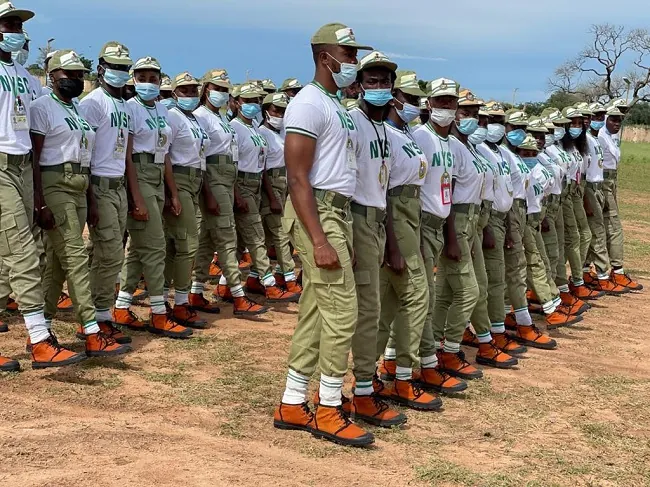
The National Youth Service Corps (NYSC) has relocated its orientation camp in Kwara State from Yikpata, Edu Local Government Area, to the Kwara State Polytechnic, Ilorin, due to rising insecurity. State Coordinator, Mr. Onifade Olaoluwa Joshua, confirmed the relocation on Thursday in Ilorin, noting that the approval came from the state government following concerns about the safety of corps members. “We are fully prepared to host the orientation course, and the welfare of participants will be safeguarded. Soldiers and other security personnel will be deployed to guarantee the safety of corps members during the three-week exercise,” he said. Onifade explained that corps members are expected to report between September 24 and October 14, adding that a delegation from the NYSC headquarters would inspect the temporary venue. The move follows worsening insecurity in Kwara North, particularly in Edu and Patigi LGAs, where bandit attacks have led to killings, kidnappings, and mass displacement in recent months. In August, corps members at the Yikpata camp were ordered to remain indoors by soldiers after suspicious movements were detected around the site, heightening fears among participants and their families. Onifade expressed gratitude to the federal and state governments for their support, while appealing to parents to remain calm. He assured that the scheme is working to deliver a safe and successful orientation programme.