Author: Lifestyle & Wellness Desk

NDLEA-1-1.webp

3min7720
The National Drug Law Enforcement Agency (NDLEA), Kano State Command, has handed over 450,000 intercepted Pregabalin capsules to the National Agency for Food and Drug Administration and Control (NAFDAC) for forensic analysis and regulatory review. Pregabalin, an anticonvulsant and pain-relief medication originally developed for epilepsy, neuropathic pain, and anxiety disorders, has become one of the most widely abused prescription drugs in Nigeria. On the black market, it is misused for its sedative and euphoric effects, fueling addiction, mental health issues, and social unrest, especially among young people in northern Nigeria. The consignment, packed in 60 cartons and concealed in a van, was intercepted recently by an NDLEA patrol team along the Kano–Hadejia road. NDLEA spokesperson Sadiq Maigatari, in a statement on Thursday, said no valid documents or proof of ownership accompanied the drugs. Acting on a Memorandum of Understanding signed between NDLEA and NAFDAC on November 24, 2024, the agency’s Chairman/Chief Executive, Brig.-Gen. Mohamed Buba Marwa (rtd), ordered the immediate transfer of the seized drugs to NAFDAC for further testing and regulatory action. The Kano State Command, under the leadership of ACGN A.I. Ahmad, reaffirmed its commitment to stronger inter-agency collaboration in line with the Chairman’s agenda. On receiving the capsules, the NAFDAC coordinator commended NDLEA for honoring the MoU and pledged continued cooperation on future investigations and regulatory measures. “This joint effort highlights the determination of both agencies to disrupt the illegal circulation of controlled medicines and safeguard public health,” Maigatari added. The NDLEA has consistently warned against the trafficking of pregabalin, tramadol, codeine, and other controlled substances, stressing that their diversion from legitimate medical use to illicit markets threatens both public health and national security. To counter this, the agency has intensified surveillance along transit routes known for drug smuggling. The interception of 450,000 pregabalin capsules and their handover to NAFDAC mark a practical demonstration of the NDLEA–NAFDAC partnership aimed at tightening enforcement and closing gaps exploited by traffickers.

Dangote-2.jpg

2min1720
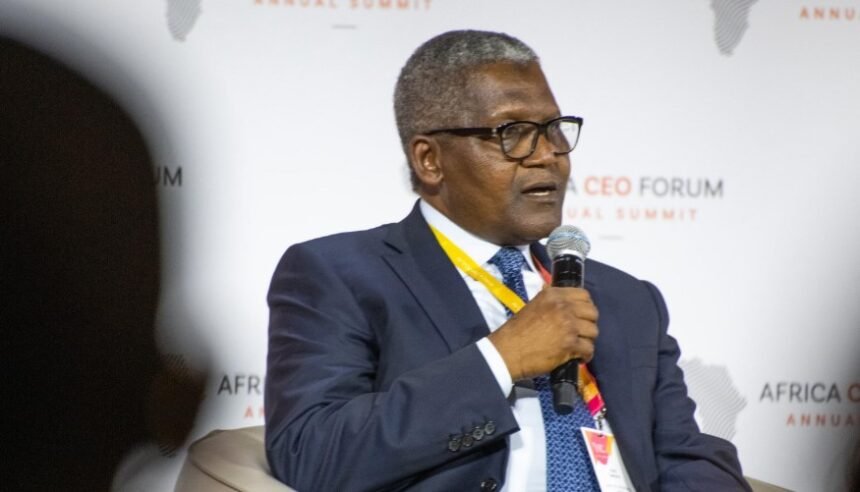
The President of the Dangote Group, Alhaji Aliko Dangote, has revealed that the company is considering the importation of electric trucks. He made this known on Monday as the company unveiled its compressed natural gas-powered trucks for direct fuel distribution to filling stations. According to him, about 4,000 CNG trucks are expected to arrive in Nigeria before next month to distribute Dangote fuel at no cost to customers. Dangote further explained that the next phase of the company’s plan would be the introduction of electric vehicles. “For the next phase of this, from January, we are looking at even electric vehicles,” he stated. The business mogul stressed that continuing to use old trucks was unsafe. “You can’t tell me to keep using these old trucks. And now if there is an accident, you want to come and say sorry? We have to safeguard our own investment. Somebody can even intentionally bring a bad truck, and if we have an accident, that can slow us down. We don’t want that situation to happen,” he said. Responding to concerns about charging facilities, Dangote recalled an interaction with an Uber driver abroad who used a Tesla electric vehicle and explained that it cost about €20 to fully charge the battery, which could run for up to 500 kilometres. He added that the company must continue to adapt with the times. “Things have changed, and all of us will have to keep changing because if not, you will become archaic. Yes, you have to change,” he emphasised.

Aliko-Dangote.jpg

4min8180
Dangote Petroleum Refinery has reaffirmed its stance in its ongoing dispute with the Depot and Petroleum Products Marketers Association of Nigeria (DAPPMAN), insisting it will not absorb logistics costs that marketers are attempting to classify as a subsidy. The refinery stated that sales are made at its gantry based on production costs and regulated margins, with no hidden subsidies. It faulted claims by marketers that it should shoulder over ₦1.5 trillion in logistics expenses, stressing that the cost of transporting products to depots nationwide remains the responsibility of marketers. In a statement shared on the company’s official X account on Thursday, titled “We Stand By Our Statement on DAPPMAN … Marketers’ ₦1.505trn Subsidy Demand” and signed by management, Dangote maintained that it has the right to protect its operations from misleading reports. It said aggrieved parties are free to seek redress in court. “DAPPMAN’s claim of subsidy is false and unfounded. Our actual logistics cost of distribution is borne by marketers, who bear the cost of transporting products to their depots nationwide. Specifically, the marketers are demanding that Dangote Petroleum Refinery take on the cost of moving products to their coastal depots nationwide through coastal vessels, in addition to loading at our refinery gantry, which is already at par with NNPC Ltd, International Oil Companies (IOCs), and other international refineries,” the refinery said. Reiterating that fuel subsidy was abolished by the Federal Government in May 2023, Dangote noted it has no obligation to cover marketers’ costs. “There is no subsidy in our pricing template, nor have we entered into any agreement with marketers to subsidise petroleum products. As such, we cannot be coerced into absorbing the cost of marketers’ distribution,” it said. Highlighting its logistical capacity, the company disclosed that in the three months between June and September, it completed over 3.4 million tanker movements nationwide via road and rail infrastructure, ensuring steady supply of petroleum products. The refinery described DAPPMAN’s claims as “wrong and misleading” but pledged to maintain energy security and affordability. “We remain committed to ensuring energy stability in Nigeria, delivering products at affordable prices, and working with stakeholders in the downstream sector towards lasting stability,” it stated. Dangote also published a breakdown of the alleged subsidy burden, noting that the ₦1.505 trillion demanded by marketers was the total they expected the refinery to absorb to equalise prices at their depots with the gantry price in Lagos. The dispute comes amid a strike action declared by the Nigeria Union of Petroleum and Natural Gas Workers (NUPENG) over welfare, job security, and alleged high-handed practices in the downstream sector. The industrial action temporarily disrupted distribution, raising fears of fuel scarcity and reigniting debate on the implications of deregulation and subsidy removal.

gathering-of-teachers.jpg

3min2080
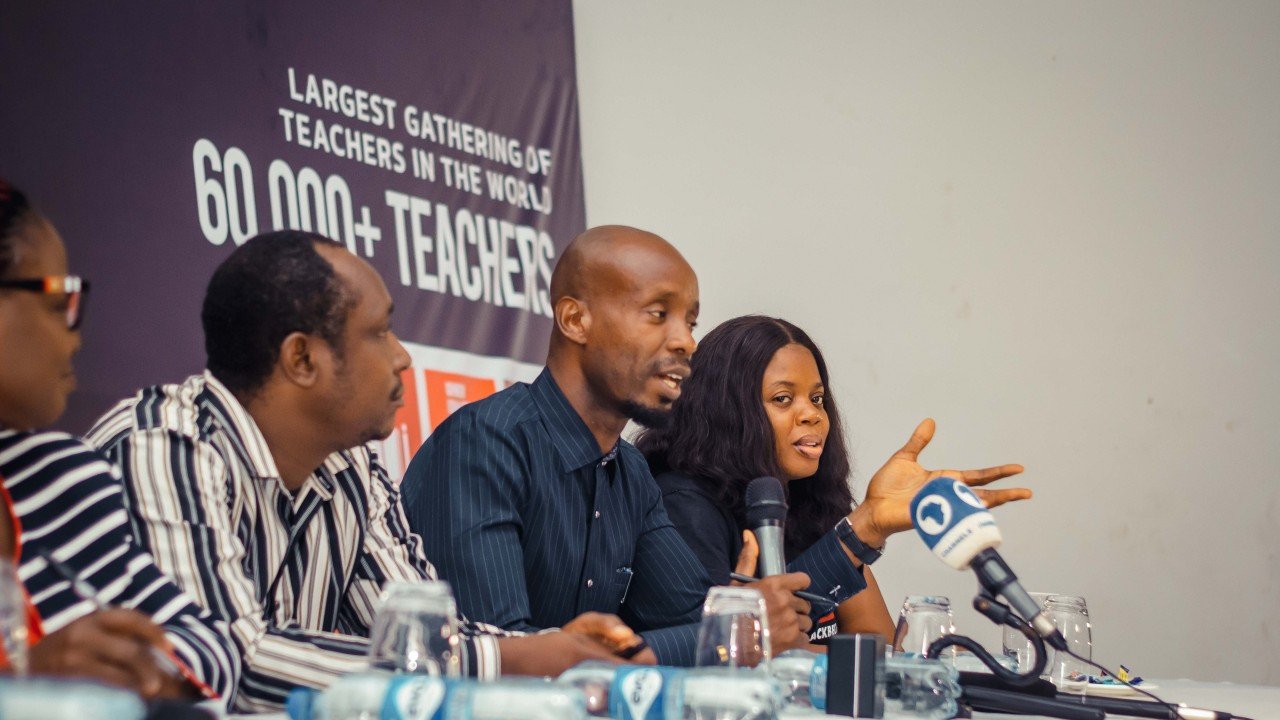
School owners, education leaders, and key stakeholders in Nigeria’s education sector are ramping up efforts to mobilise 60,000 teachers for the forthcoming “Let There Be Teachers” Conference. The initiative comes at a time when the sector continues to face persistent challenges such as underfunding, inadequate infrastructure, poor teacher motivation, and limited access to training. Despite their central role in national development, many teachers still contend with low wages, overcrowded classrooms, and few opportunities for professional advancement. In a statement issued on Wednesday, the General Secretary of the National Association of Proprietors of Private Schools (NAPPS), Mr. Luyi Armstrong, confirmed that a strategic meeting involving the Nigeria Union of Teachers and other stakeholders was held to finalise plans. He described the upcoming event as a landmark gathering, potentially setting a Guinness World Record as the largest teachers’ conference in Nigeria’s history. The conference is scheduled for September 20, 2025, at Tafawa Balewa Square, Lagos. “This is a precursor to the main event coming up next Saturday. We are excited that, for the first time in our country’s history, teachers will gather on such a scale to discuss their challenges and celebrate their contributions. All teachers are encouraged to attend,” Armstrong said. Conference convener and education advocate, Oluwaseyi Anifowose, highlighted the importance of collaboration in transforming Nigeria’s education system. “The growth of our schools is directly tied to the growth of our teachers. When we empower schools, we empower educators, and ultimately, we secure the future of education in Nigeria,” he said. Similarly, Dr. Hakeem Subair, co-founder of 1 Million Teachers (1MT), stressed the critical role educators play in shaping society. “It is time for society to pay more attention to teachers’ issues. Teachers play a remarkable role in shaping society and building harmony,” he noted. The strategy session also featured insights from leading education experts, including Ronke Posh Adeniyi, Rizma Butt, Rotimi Eyitayo, Rhoda Odigboh, and Prof. Akin Akinpelu, who shared perspectives on school innovation, leadership, and sustainability. Organisers say the “Let There Be Teachers” Conference will focus on urgent issues affecting teachers, explore solutions to learning poverty, and promote the adoption of technology-driven teaching. It will also encourage cross-state partnerships and strengthen teacher training programmes aimed at improving learning outcomes for millions of Nigerian children.

amoebic.avif

2min2590
India has issued a health alert following a rise in infections and deaths caused by a rare water-borne “brain-eating” amoeba in the southern state of Kerala, with cases doubling compared to last year. According to government officials, 19 deaths and 72 infections linked to Naegleria fowleri have been reported so far this year, including nine deaths and 24 cases recorded in September alone. By comparison, nine deaths and 36 infections were reported throughout last year. Dr. Altaf Ali, a member of a state task force set up to monitor the spread, said large-scale testing is being carried out to detect and treat infections. He noted that unlike previous outbreaks, this year’s cases have been reported across the state rather than in isolated areas. The U.S. Centers for Disease Control and Prevention (CDC) describes Naegleria fowleri as a “brain-eating amoeba” because it infects the brain and destroys brain tissue. Once it reaches the brain, the infection is almost always fatal, with a mortality rate of over 95 percent. The amoeba thrives in warm lakes and rivers and infects people when contaminated water enters the nose. It cannot spread from person to person. The World Health Organization (WHO) states that symptoms begin with headache, fever, and vomiting, before rapidly progressing to seizures, hallucinations, altered mental status, and coma. Since 1962, nearly 500 cases have been reported worldwide, mainly in the United States, India, Pakistan, and Australia.

EFCC-2-768x432-1.jpeg

3min2260
The Economic and Financial Crimes Commission (EFCC) has cautioned that the increasing cases of internet fraud are worsening visa restrictions for innocent Nigerians abroad. EFCC Chairman, Ola Olukoyede, said fraudulent practices not only ruin the future of those involved but also damage Nigeria’s international image, leading to tougher travel conditions for law-abiding citizens. Represented by Chief Superintendent of the EFCC, CSE Coker Oyegunle, Olukoyede gave the charge on Monday at an event in Port Harcourt, Rivers State, organised by the Coalition of Nigerian Youth on Security and Safety Affairs. His remarks were contained in a statement released by the commission on Tuesday. According to him, internet fraud, money laundering, and economic sabotage cost Nigeria billions of naira annually, stifling development and denying citizens access to jobs, infrastructure, and opportunities. “Beyond the economic damage, these crimes erode Nigeria’s global reputation and subject innocent Nigerians to stricter visa restrictions abroad,” the statement read. Olukoyede urged young people to channel their energy into productive ventures such as digital innovation, entrepreneurship, agriculture, and the creative industry. He warned: “Fraud is not success; it is a trap. Easy come, easy go. Many who follow the path of ‘yahoo-yahoo’ end up losing their freedom, reputation, and future. The law is catching up with them, and digital footprints never disappear. Don’t destroy your tomorrow with shortcuts today.” He reaffirmed EFCC’s commitment to sensitisation, enforcement, and collaboration with communities in the fight against cybercrime. At the same event, representatives of the National Drug Law Enforcement Agency and the Nigeria Security and Civil Defence Corps cautioned against drug abuse and pipeline vandalism, describing them as major threats to Nigeria’s youth and economy. The EFCC has in recent months intensified operations against cybercrime. In August, its Lagos Zonal Directorate 1 arrested 38 suspected internet fraudsters in Ikorodu, recovering vehicles, phones, and substances suspected to be narcotics. Similarly, the Benin Zonal Directorate secured the conviction of 12 individuals for offences related to advance fee fraud and possession of fraudulent documents. In July, the United States revised its visa reciprocity schedule for Nigeria, cutting the validity of certain non-immigrant visas, including business, tourism, student, and exchange visitor categories, to three months with single entry only.

Nigerian-Army.jpg

2min4430
The Nigerian Army has confirmed the arrest of a notorious commander of the Indigenous People of Biafra (IPOB) and its armed wing, the Eastern Security Network (ESN), identified as Ifeanyi Eze Okorienta, popularly known as Gentle de Yahoo. Okorienta was captured at his hideout in Aku-Ihube, Okigwe Local Government Area of Imo State, during a joint operation carried out by troops of the 34 Artillery Brigade in collaboration with other security agencies. According to a statement by the Nigerian Army, the raid led to the recovery of an English pistol, 120 rounds of 7.62mm special ammunition, 25 rounds of 7.62mm NATO, a cartridge, six mobile phones, military and police uniforms, as well as a German flag. Troops also uncovered a workshop used for dismantling stolen vehicles for resale and destroyed 10 motorcycles found on the premises. In related operations, troops conducted coordinated missions in Adamawa, Katsina, and Kogi States, rescuing 12 kidnapped victims. Five persons were freed in Madagali Local Government Area of Adamawa, another five in Malumfashi Local Government Area of Katsina, while two others were rescued in Lokoja, Kogi State. Separately, operatives of the Joint Task Force North East, Operation Hadin Kai, neutralised eight fighters of the Islamic State of West Africa Province (ISWAP) in Borno State, while several others with gunshot wounds were apprehended. The military disclosed that the encounter took place in the early hours of Monday after terrorists laid an ambush near Garin Giwa along the Baga–Cross Kauwa Main Supply Route.

uba-fire.jpeg

2min6920
The United Bank for Africa (UBA) has clarified that there were no casualties following a minor fire incident at one of its branches on Broad Street, Lagos Island, on Tuesday. In a statement issued Tuesday night, the bank explained that the incident was mistakenly reported on social media as occurring at its head office, UBA House, Marina. “We are aware of the fire incident at a building on Broad Street, Lagos Island, which incidentally houses one of our many branches. Contrary to reports online and on social media, the affected building is not UBA House, Marina, the bank’s head office. “We have ensured the safety and well-being of our staff and customers in the branch,” the statement read. The bank advised the public to direct enquiries to its official communication channels for clarification. A senior emergency official, who spoke to NAN on condition of anonymity, confirmed it was a minor incident that only caused smoke within Afriland Tower, a six-storey building on Broad Street. According to the official, the situation was already under control before emergency responders arrived. “By the time responders got there, even the UBA staff had taken care of it. It was more smoke than fire, and it had been quickly contained,” the official said.

fuel-Self-dispensing-840x424-1.webp

2min3160
The Minister of State for Petroleum Resources (Oil), Sen. Heineken Lokpobiri, has called for deeper regional integration to address the $120 billion annual energy import bill burdening African countries. Lokpobiri made the call at the Africa Oil Week (AOW) 2025 Ministerial and CEO Leadership Forum in Accra, Ghana, stressing that regional integration remains the most effective strategy to end Africa’s energy poverty. In a statement issued in Abuja by his media aide, Nneamaka Okafor, the minister noted that shared infrastructure, harmonised standards, and technical expertise would enable the continent to secure its energy future. He highlighted Africa’s heavy reliance on imports, revealing that the continent spends over $120 billion annually on hydrocarbon imports. “This is capital flight. These funds should remain within Africa to fuel our own development priorities,” the minister said. Lokpobiri stressed that the real challenge is not access to capital but the absence of aligned regulatory frameworks and fiscal regimes. “Investors make long-term decisions based on stability and predictability. Africa must harmonise its policies to attract and retain investment,” he stated. As part of Nigeria’s leadership efforts, the minister announced the creation of a West African Reference Market (WARM), an initiative designed to leverage Nigeria’s expanding refining capacity to supply petroleum products across West Africa and beyond. On the global energy transition, Lokpobiri clarified that the Paris Agreement does not mandate abandoning fossil fuels but calls for reducing emissions. “Africa contributes only 3% of global CO₂. We cannot lead an energy transition when we don’t even have energy. Our priority must be to responsibly harness our abundant resources to power growth,” he added.

CBN-Governor-Yemi-Cardoso-.jpg

3min3290
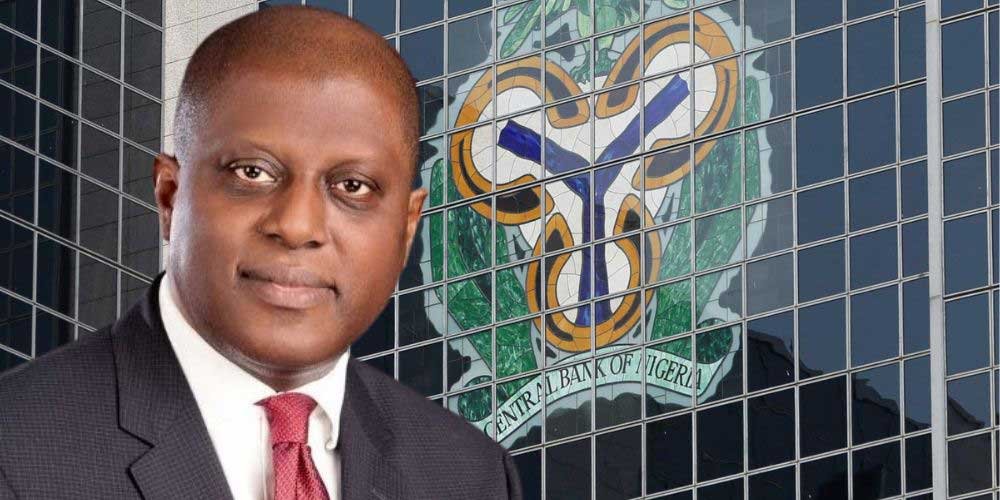
The Central Bank of Nigeria (CBN) has reaffirmed its unwavering commitment to driving financial inclusion and stimulating productivity as part of efforts to achieve sustainable economic growth and development. CBN Governor, Olayemi Cardoso, disclosed this during a sensitisation fair held in Kano to educate the public on policies introduced by the bank to improve livelihoods and contribute to Nigeria’s economic progress. Represented by the Acting Director of Corporate Communications, Mrs. Hakama Ali, Cardoso said the bank has rolled out reforms already yielding positive results, including increased inflows of foreign investments, improved trade balances, and notable progress in financial inclusion. She highlighted some of these policies to include exchange rate unification, bank recapitalisation, the Nigeria Payments System Vision, and the Unified Complaints Tracking System (UCTS), among others. According to her, “The management of the Bank, under the leadership of Mr. Olayemi Cardoso, is committed to stimulating productivity and deepening financial inclusiveness while delivering on its core mandate of monetary and price stability. These efforts are producing results, such as improved foreign investment inflows, positive trade balances, and progress in financial inclusion.” Since assuming office two years ago, Cardoso has spearheaded key initiatives to strengthen the financial system. These include exchange rate unification to reduce volatility in the forex market and clearing over $7 billion verified FX forward backlogs. Other reforms include the bank recapitalisation programme aimed at boosting the resilience and global competitiveness of Nigerian banks to support the envisioned $1 trillion economy. Additionally, the CBN introduced the non-resident BVN to connect Nigerians abroad with local banking, launched the Nigeria Payments System Vision 2028 (PSV 2028) to accelerate digital transformation and deepen inclusion, and rolled out the Unified Complaints Tracking System (UCTS) to enhance consumer protection and transparency. Alongside this, a USSD code (*959#) was introduced to help verify licensed institutions and build trust within the financial sector.