Author: Lifestyle & Wellness Desk

ghana.webp

2min8390
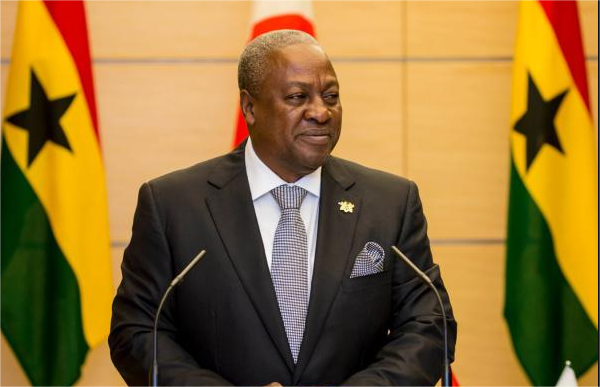
Ghana has begun receiving West African nationals deported from the United States, including Nigerians, President John Dramani Mahama announced on Wednesday. According to Reuters, the first group of 14 deportees—comprising Nigerians, a Gambian, and others—has already arrived in Accra, with Ghanaian authorities coordinating their transfer to their home countries. Mahama explained that the U.S. requested Ghana’s cooperation in accepting third-country nationals facing deportation. “We agreed because all our fellow West Africans don’t need a visa to come to our country,” he said, justifying the decision on the basis of regional visa-free entry. The move comes as Washington intensifies its deportation efforts under President Donald Trump, who has expanded removals to “third countries” as part of his immigration crackdown. Deportees have previously been sent to Eswatini, South Sudan, and Rwanda despite human rights concerns. Nigeria, however, has declined similar requests. In July, Foreign Affairs Minister Yusuf Tuggar reaffirmed that Nigeria would not accept non-Nigerian deportees, citing security and economic considerations. Trump also hosted leaders of Gabon, Guinea-Bissau, Liberia, Mauritania, and Senegal at the White House on July 9, with efforts to secure agreements on receiving deportees among the key agenda items.

Clubfoot.jpg

2min2750
The Straight Child Foundation (TSCF) has enrolled 91 children born with clubfoot and begun treatment in August 2025 across 20 specialized clinics in 11 states of Nigeria. Project Supervisor, Bright Amadi, speaking in Umuahia, Abia State on Monday, said that over 71 percent of the newly enrolled children were under 12 months old, reflecting the foundation’s emphasis on early intervention. He noted that the foundation adhered to global standards of care, with an average of 4.6 casting visits per child before tenotomy. So far, about 96 percent of the children have undergone the procedure, which is essential for correcting the deformity. Amadi acknowledged challenges with patient retention, reporting dropout rates of around 5 percent among children at the casting stage and 10 percent at the bracing stage. He attributed these figures to rising transportation costs and competing domestic pressures on families. He added that TSCF is working to trace affected children and support families to return them to treatment. As part of capacity strengthening, the foundation organized CAST administration training for the clinical team at IHHM Clinic, Umunze, Anambra State. It also conducted data quality assessments and supervisory visits to several facilities, including NAUTH Nnewi, DELSUTH Oghara, UBTH Benin, RUTH Aba, and FUTH Owerri, to ensure quality care and reliable data management. Explaining the condition, Amadi said clubfoot is a congenital disorder that twists a baby’s foot out of shape or position, affecting thousands of children globally each year. He emphasized that early diagnosis and treatment are vital to preventing lifelong disability, adding that TSCF’s work underscores the importance of local partnerships and international support in addressing childhood disabilities in low- and middle-income countries like Nigeria.

Obi-and-Tinubu.webp

3min2770
The Obidient Movement has cautioned the Federal Government against introducing a planned five per cent fuel surcharge, warning that the policy would worsen the hardship faced by Nigerians already struggling with rising living costs. The group’s position follows comments by Taiwo Oyedele, Chairman of the Presidential Committee on Fiscal Policy and Tax Reforms, who said the levy is part of President Bola Tinubu’s broader tax reforms aimed at improving road infrastructure and easing logistics costs. In a statement on Tuesday, National Coordinator Dr. Yunusa Tanko described the plan as “a policy built on noble intentions, but destined for misery.” He argued that past governments had made similar promises that new levies would fund infrastructure, yet Nigerians had little to show for it. “For decades, Nigerians have been fed the same promises: new levies will ‘fix our roads,’ ‘power our hospitals,’ and ‘transform our economy.’ Instead, trillions vanish into the pockets of corrupt elites while our highways crumble, transport costs skyrocket, and ordinary Nigerians are pushed deeper into poverty,” Tanko said. He stressed that fuel is not a luxury in Nigeria and that any additional charges would unfairly target the poor. The group urged government to widen the tax net, enforce progressive taxes on luxury consumption, and reduce wasteful spending instead of burdening citizens with new fuel taxes. According to the statement, the Obidient Movement will only support such measures if transparent accountability mechanisms and anti-corruption safeguards are put in place. “We want good roads, reliable infrastructure, and a strong economy. But these goals must not be pursued on the backs of already impoverished Nigerians,” Tanko added. Fuel has long been a politically sensitive issue in Nigeria. President Tinubu’s removal of petrol subsidies in May 2023 caused sharp increases in pump prices, transport fares, food costs, and inflation. Critics argue that adding another fuel tax would worsen the cost-of-living crisis, though the government insists reforms are necessary to boost revenue and curb borrowing. The proposed surcharge comes amid widespread frustration over inflation, unemployment, and insecurity, even as the Tinubu administration presses ahead with sweeping economic reforms.

Bonny-Light.webp

2min3700
Nigeria’s Bonny Light crude rose to $67 per barrel on the global market Wednesday, up from $65, after Israel’s surprise attack on Hamas targets in Qatar triggered a surge in oil prices. The strike on Qatar, a key gas producer and former OPEC member, sparked market speculation that pushed prices higher. Brent crude, the global benchmark, also gained more than $1, trading at $66.58 per barrel compared to its pre-attack level of $65. Despite the increase, oil prices remain below Nigeria’s 2025 budget benchmark of $75 per barrel, which is based on daily production of 2.06 million barrels and an exchange rate of N1,500 to the dollar. Analysts say further price movement will depend on how markets react to the Qatar strike and other global developments. Meanwhile, OPEC+ recently announced plans to relax its production cuts, adding 137,000 barrels per day to global supply in October 2025. Analysts warn this could drive prices down to below $60 per barrel. Mazi Colman Obasi, President of the Oil and Gas Service Providers Association of Nigeria (OGSPAN), said increased supply at this time would likely drag prices lower. Another analyst cautioned that falling prices could affect Nigeria’s 2025 budget projections, which assume $75 per barrel and 2.06 million barrels per day at N500 to the dollar. OPEC+ said the production adjustment would remain flexible, with the option to pause or reverse the decision depending on market conditions.

trum.jpg

3min5770
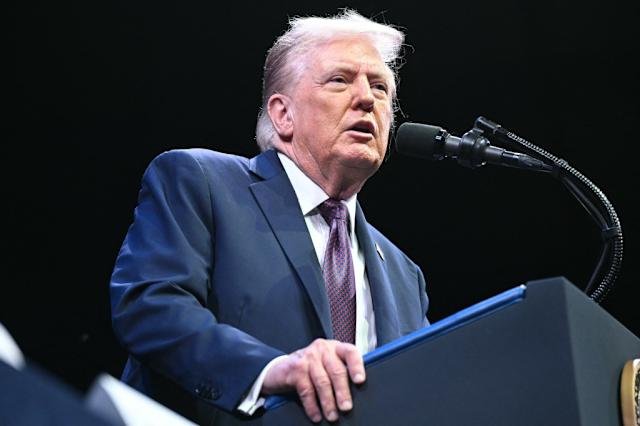
US President Donald Trump on Tuesday issued a rare public criticism of Israeli Prime Minister Benjamin Netanyahu after Israel launched strikes against Hamas targets in Qatar, a key US ally and mediator in Gaza war negotiations. Trump stressed that Washington had no prior knowledge of the operation, calling it a unilateral decision by Israel. “This was a decision made by Prime Minister Netanyahu, it was not a decision made by me,” Trump said in a social media post, adding that he viewed Qatar as a “strong ally and friend of the U.S.” Speaking to reporters later in Washington, Trump admitted he was “not thrilled” by the incident, saying it risked undermining delicate talks aimed at freeing hostages held by Hamas. He noted that US officials tried to alert Qatari authorities once the attack began, but the warning came too late. The strike has heightened sensitivities as Qatar hosts both high-stakes ceasefire negotiations and the Al Udeid airbase, a major hub for US forces in the region. The Gulf state also recently gifted Washington a Boeing 747-8 jet for presidential use, raising ethical questions at home. While reaffirming that eliminating Hamas remained a “worthy goal,” Trump argued that bombing inside Qatar, a sovereign US partner, did not serve American or Israeli interests. He revealed that he has instructed Secretary of State Marco Rubio to finalize a defense cooperation deal with Doha and assured Emir Sheikh Tamim bin Hamad Al Thani that such an incident would not recur. Qatar, which said it had no advance warning of the strikes, denounced the attack. “The call received from an American official came as explosions sounded from the Israeli attack in Doha,” Qatari foreign ministry spokesman Majed al-Ansari wrote on social media. Trump’s unusually sharp rebuke of Netanyahu contrasts with his otherwise steadfast support for Israel since returning to office in January. Still, Israeli officials played down tensions, with Ambassador Yechiel Leiter insisting the US and Israel remained united in their goal of defeating Hamas.

Olomu-hand-over-1-1280x1017.jpg

2min26720
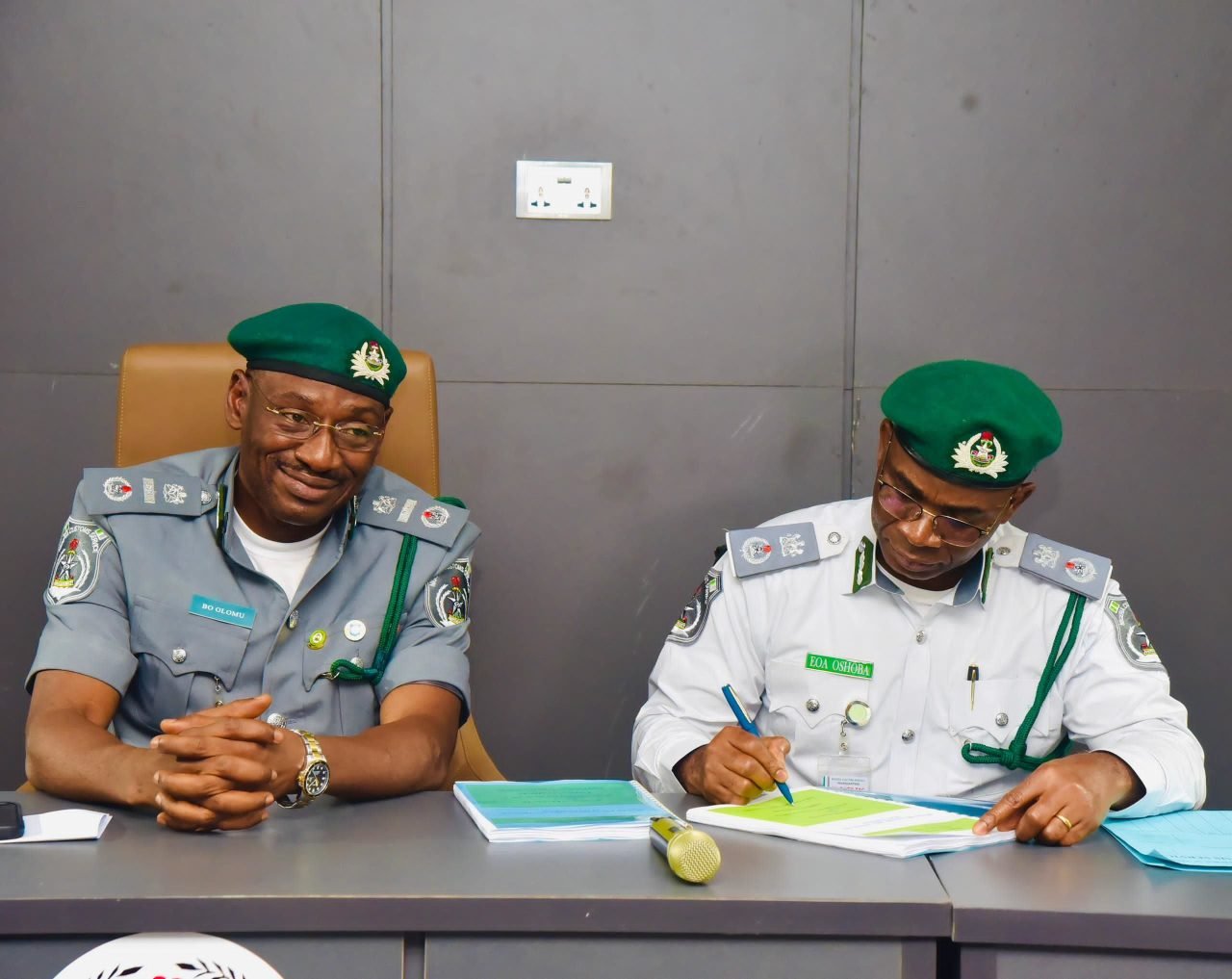
Outgoing Customs Area Comptroller of Apapa Command, Babatunde Olomu, says his administration has laid a strong foundation for sustained revenue growth at the command. Speaking at the official handover ceremony, Olomu attributed the command’s performance to consistent planning and teamwork, noting that revenue collection improved steadily on an hourly, daily, weekly, monthly, and quarterly basis. He described the achievements as “outstanding,” crediting the collective spirit of officers inspired by the Comptroller-General’s policy of collaboration with stakeholders. Reflecting on his tenure, which began in May 2024, Olomu said he was leaving with mixed feelings, grateful for the support of officers, government agencies, private operators, and the media. He acknowledged both the challenges and solutions encountered in the role, adding that “every tenure must eventually come to an end.” Olomu also announced his promotion to Assistant Comptroller-General of Customs (ACG), formally bringing his service at Apapa Command to a close. “We confronted odds to excel and accomplished great results in revenue collection, anti-smuggling, trade facilitation, and stakeholder engagement,” he said. “Under the CGC’s guidance, we have laid a structure for consolidation that allows this command to operate optimally on an autopilot mode.”

china.jpg

1min4280
Lin Jingzhen, former vice president of the Bank of China, is under investigation for alleged serious breaches of Party discipline and national law. According to an official statement released on Tuesday, the case is being handled by the Communist Party of China’s Central Commission for Discipline Inspection and the National Commission of Supervision. The Party’s leadership confirmed that investigations are underway into the allegations.

Nigerias-FX-market-dollars.jpg

2min6830
Global stock markets advanced on Monday as the U.S. dollar broadly weakened, though it strengthened against the yen, with investors reacting to political turbulence across several countries, Reuters reported. In Argentina, President Javier Milei’s ruling party suffered a major electoral setback in Buenos Aires province, sending the peso to a record low—down as much as 7.5%—and dragging Argentine stocks more than 10% lower. Japan also faced political instability after Prime Minister Shigeru Ishiba resigned, pushing the yen down against the dollar as investors anticipated a potentially dovish successor. France’s political outlook remained fragile, with Prime Minister François Bayrou at risk of defeat, stoking fears of economic paralysis in the eurozone’s second-largest economy. Meanwhile, in Indonesia, stocks erased early gains to close lower, even as the rupiah strengthened after Finance Minister Sri Mulyani Indrawati was ousted in a cabinet shake-up. Weaker-than-expected U.S. labour data for August boosted expectations of a near-term Federal Reserve rate cut, sending Treasury yields down for a fourth straight day. MSCI’s global stock index rose 0.35% to 959.07, the pan-European STOXX 600 added 0.28%, and emerging market stocks climbed 0.58%. In Asia, MSCI’s broadest Asia-Pacific index outside Japan gained 0.67%, while Japan’s Nikkei jumped 1.45% to 43,643.81 points. U.S. equities were mixed: the Dow slipped slightly, while the S&P 500 and Nasdaq rose 0.31% and 0.82% respectively, as traders looked ahead to key data later this week. Oil prices rebounded modestly, and gold surged past $3,600 an ounce, buoyed by bets the Fed will cut rates next week. According to Reuters, investors are weighing economic optimism against mounting political risks, with currency shifts—particularly a softer dollar—boosting returns in overseas stock markets.

cancer-sign.webp

5min3390
Researchers and clinicians under the Prostate Cancer Transatlantic Consortium (CAPTC) have expressed concern over the growing number of prostate cancer cases in Africa, calling for greater investment in early detection, clinical trials, and survivor support. They noted that despite two decades of international collaboration, African men remain disproportionately affected by the disease, often diagnosed late, which has earned it the description of a “silent killer.” The concerns were raised in Lagos at CAPTC’s 20th anniversary, where stakeholders renewed calls for African governments to prioritise early detection and improved access to treatment. Professor of Haematology and Oncology at the Mayo Clinic, Folakemi Odedina, said the disparities remain striking. “African men are still more likely to be diagnosed at a late stage and more likely to die from prostate cancer than their counterparts in Europe or North America. Behind every statistic is a family shattered. That is why we cannot relent.” According to the World Health Organisation, prostate cancer is the most common cancer among men in sub-Saharan Africa, with incidence and mortality rates on the rise. However, screening, awareness, and treatment remain limited. Odedina explained that the consortium is now focused on grooming CAPTC Next Generation, a network of young African scientists, clinicians, and advocates who will sustain the mission of eradicating prostate cancer in men of African ancestry. She noted that while the group has received over $50 million in funding and published extensive research, the next phase requires stronger community action, education, and locally tailored treatment strategies. She stressed that early diagnosis significantly increases survival rates. “Education is the key. Treatments that work in the Western world do not always fit in sub-Saharan Africa, so we must adapt interventions to our realities.” Consultant surgeon and CAPTC member, Dr. Ebenezer Nkom, described the disease as a silent killer of men in a specific age group. “When the man goes, the family scatters. But if you pick it up early, the chances of a cure are real. The tragedy is that too many men in Africa only show up when it is too late.” Professor Solomon Rotimi of Covenant University identified the lack of Africa-based clinical trials as a major challenge. “Most cancer drugs are tested in Europe and America, raising doubts about their effectiveness in African populations with different genetics, diets, and environments. You cannot enter your house through another man’s gate. Our men need treatments tested here, not borrowed results from elsewhere.” Rotimi, who coordinates CAPTC’s African investigators, explained that drugs tested abroad may not translate well locally. He gave the example that while a clinical trial in Europe may test medication “after a meal” of coffee and bread, in Nigeria it could mean taking the drug after amala or pounded yam, with different outcomes. He welcomed Nigeria’s recent policy shift toward supporting clinical trials, describing it as an overdue but necessary step. A survivor, 73-year-old retired soldier Captain Yahaya Ayinde Yahaya, said his diagnosis pushed him into advocacy. “When I learned I had prostate cancer, I accepted my fate. But joining CAPTC turned me into an advocate. I organised free tests for over 300 people in my community. That is how we break the stigma and save lives.” In a keynote address, Professor Clayton Yate from Johns Hopkins School of Medicine commended CAPTC’s achievements, including establishing the first prostate cancer genome sequencing for African American men. However, he cautioned that much more remains to be done. “The work is far from finished. Unless access improves, too many African men will continue to die needlessly.”


dna.jpg

3min4160
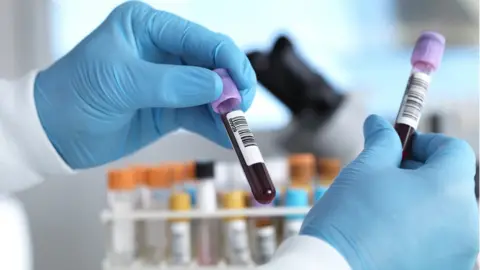
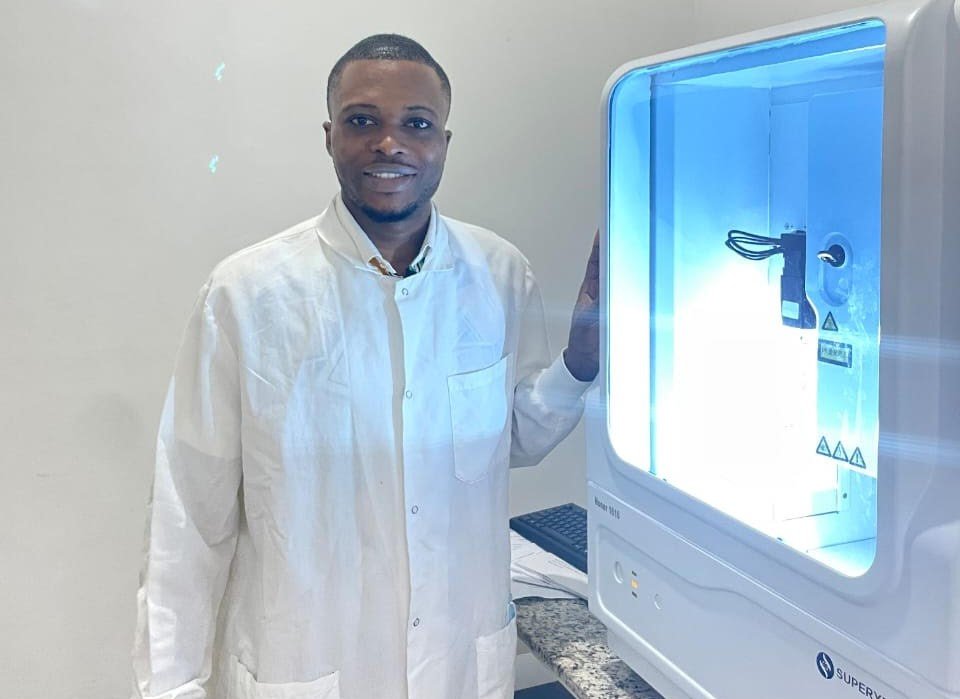
A leading healthcare technology company, DemyHealth, has broadened its DNA testing services beyond paternity cases, positioning itself as one of the most advanced molecular diagnostics centres in West Africa. This development follows the installation of two world-class sequencing technologies — the ABI 3500Dx Genetic Analyser and the Illumina Next-Generation Sequencing (NGS) platform — at its newly unveiled DNA facility in Abuja. Traditionally associated with paternity disputes and family legal matters in Nigeria, DNA testing is now playing an increasingly vital role in forensics, disaster victim identification, immigration, and personalised healthcare. DemyHealth’s expanded capacity allows law enforcement, clinicians, and researchers to carry out DNA analysis with unmatched speed and accuracy. Head of Molecular Diagnostics, Casmir Ali, explained that the lab now supports forensic investigations, particularly in suspected child trafficking cases. “DNA testing is saving lives. We help law enforcement confirm or disprove parental claims, ensuring vulnerable children are not returned to traffickers or abusers,” he said. Ali added that demand for sibling, grandparent, and avuncular testing is rising, supporting medical diagnoses, immigration applications, and criminal cases. In disaster scenarios such as air crashes and building collapses, DNA has enabled the identification of unrecognisable victims, offering closure to grieving families. DemyHealth’s Chairman and CEO, Dr. Emeka Obiodunukwe, noted that DNA is now critical in resolving cases of misidentified bodies in mortuaries and in tracing long-missing persons. “The emotional relief families feel when a body is correctly identified is hard to overstate. DNA delivers both legal certainty and cultural closure,” he said. Driven by Nigeria’s rising “japa” migration wave, the lab has also seen a surge in family-based DNA testing for visa, citizenship, and reunification cases. Dr. Sharon Akinpelu, Senior Molecular Scientist at DemyHealth, explained that embassies increasingly require legally admissible DNA proof of biological ties. Beyond legal and forensic applications, DemyHealth now deploys Illumina’s NGS platform for cancer diagnostics, rare disease detection, infectious disease surveillance, pharmacogenomics, newborn screening, and organ donor matching. Ancestry testing and livestock DNA analysis are also being explored. The new 16-channel sequencing facility, paired with the FDA-cleared ABI 3500Dx Sanger sequencing platform, gives DemyHealth a strong technical edge in Nigeria’s molecular diagnostics sector. Obiodunukwe stressed that the company’s goal is to close the molecular testing gap across Nigeria and sub-Saharan Africa. “This positions us to deliver world-class diagnostics and raise the standard of care in the region,” he said.