

 Lifestyle & Wellness Desk
Prostate Cancer: Researchers Urge Local Clinical Trials, Timely Diagnosis in Africa
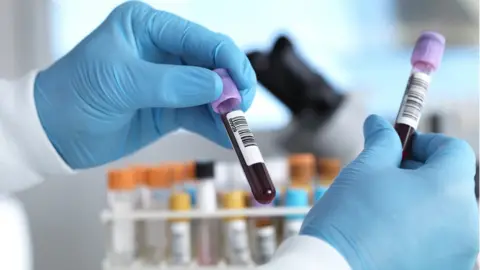
Researchers and clinicians under the Prostate Cancer Transatlantic Consortium (CAPTC) have expressed concern over the growing number of prostate cancer cases in Africa, calling for greater investment in early detection, clinical trials, and survivor support.
They noted that despite two decades of international collaboration, African men remain disproportionately affected by the disease, often diagnosed late, which has earned it the description of a “silent killer.”
The concerns were raised in Lagos at CAPTC’s 20th anniversary, where stakeholders renewed calls for African governments to prioritise early detection and improved access to treatment.
Professor of Haematology and Oncology at the Mayo Clinic, Folakemi Odedina, said the disparities remain striking. “African men are still more likely to be diagnosed at a late stage and more likely to die from prostate cancer than their counterparts in Europe or North America. Behind every statistic is a family shattered. That is why we cannot relent.”
According to the World Health Organisation, prostate cancer is the most common cancer among men in sub-Saharan Africa, with incidence and mortality rates on the rise. However, screening, awareness, and treatment remain limited.
Odedina explained that the consortium is now focused on grooming CAPTC Next Generation, a network of young African scientists, clinicians, and advocates who will sustain the mission of eradicating prostate cancer in men of African ancestry. She noted that while the group has received over $50 million in funding and published extensive research, the next phase requires stronger community action, education, and locally tailored treatment strategies.
She stressed that early diagnosis significantly increases survival rates. “Education is the key. Treatments that work in the Western world do not always fit in sub-Saharan Africa, so we must adapt interventions to our realities.”
Consultant surgeon and CAPTC member, Dr. Ebenezer Nkom, described the disease as a silent killer of men in a specific age group. “When the man goes, the family scatters. But if you pick it up early, the chances of a cure are real. The tragedy is that too many men in Africa only show up when it is too late.”
Professor Solomon Rotimi of Covenant University identified the lack of Africa-based clinical trials as a major challenge. “Most cancer drugs are tested in Europe and America, raising doubts about their effectiveness in African populations with different genetics, diets, and environments. You cannot enter your house through another man’s gate. Our men need treatments tested here, not borrowed results from elsewhere.”
Rotimi, who coordinates CAPTC’s African investigators, explained that drugs tested abroad may not translate well locally. He gave the example that while a clinical trial in Europe may test medication “after a meal” of coffee and bread, in Nigeria it could mean taking the drug after amala or pounded yam, with different outcomes. He welcomed Nigeria’s recent policy shift toward supporting clinical trials, describing it as an overdue but necessary step.
A survivor, 73-year-old retired soldier Captain Yahaya Ayinde Yahaya, said his diagnosis pushed him into advocacy. “When I learned I had prostate cancer, I accepted my fate. But joining CAPTC turned me into an advocate. I organised free tests for over 300 people in my community. That is how we break the stigma and save lives.”
In a keynote address, Professor Clayton Yate from Johns Hopkins School of Medicine commended CAPTC’s achievements, including establishing the first prostate cancer genome sequencing for African American men. However, he cautioned that much more remains to be done. “The work is far from finished. Unless access improves, too many African men will continue to die needlessly.”

