Author: Lifestyle & Wellness Desk

Japan-1280x853.png

3min12330
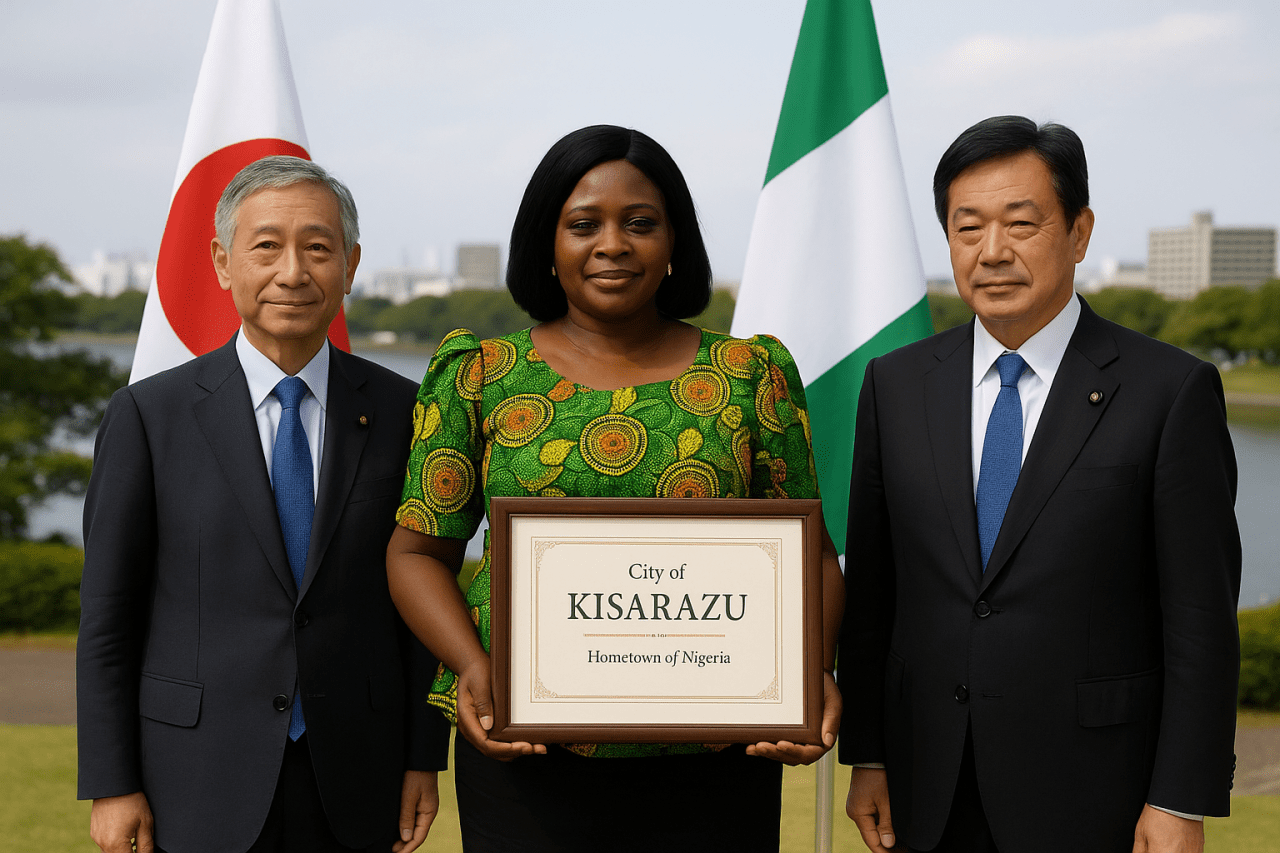
The Japanese government has announced a new migration initiative that designates the city of Kisarazu as the official hometown for Nigerians seeking to live and work in Japan. The programme, unveiled on Thursday during the 9th Tokyo International Conference on African Development (TICAD9), is part of Japan’s broader efforts to strengthen cultural diplomacy, support economic growth, and address workforce shortages. Special Visa Programme for Nigerians As part of the arrangement, Japan will introduce a special visa category tailored to highly skilled, innovative, and talented young Nigerians interested in relocating to Kisarazu. The initiative also extends to artisans and blue-collar workers from Nigeria who are willing to upskill and contribute to Japan’s workforce. The programme builds on Kisarazu’s previous ties with Nigeria—most notably, the city hosted the Nigerian Olympic contingent during the COVID-19-delayed Tokyo 2020 Games, providing training facilities and cultural support before the team moved into the Olympic village. Expanding Partnerships Across Africa In addition to Nigeria, Japan’s International Cooperation Agency (JICA) named three other African “hometowns” to promote deeper ties: Nagai (Yamagata Prefecture) for Tanzania Sanjo (Niigata Prefecture) for Ghana Imabari (Ehime Prefecture) for Mozambique These designations aim to formalize existing city-to-country connections and create platforms for manpower development, exchange programmes, and mutual growth. Nigeria’s Charge d’Affaires and Acting Ambassador to Japan, Florence Adeseke, alongside Kisarazu’s Mayor Yoshikuni Watanabe, formally received the certificate marking the city as Nigeria’s hometown in Japan. Strategic Goals and Benefits The Japanese government hopes the programme will help address population decline and support regional revitalisation by encouraging inflows of young, skilled Africans. For Nigeria and the other partner countries, the initiative offers expanded opportunities for youth employment, skills transfer, and cultural exchange. Speaking at TICAD9, Japanese Prime Minister Shigeru Ishiba highlighted Japan’s commitment to Africa’s development while stressing the need for “co-creation” between both regions. He announced $5.5 billion in new investments in Africa, with a focus on private sector-led growth, youth and women empowerment, and regional integration. “Japan is providing various cooperation and support for Africa. But first of all, Japan needs to know more about Africa,” Mr. Ishiba said. He also appealed to African nations for collaboration as Japan navigates its own demographic and agricultural challenges.
TINUBU-2-1280x853.png

4min3620
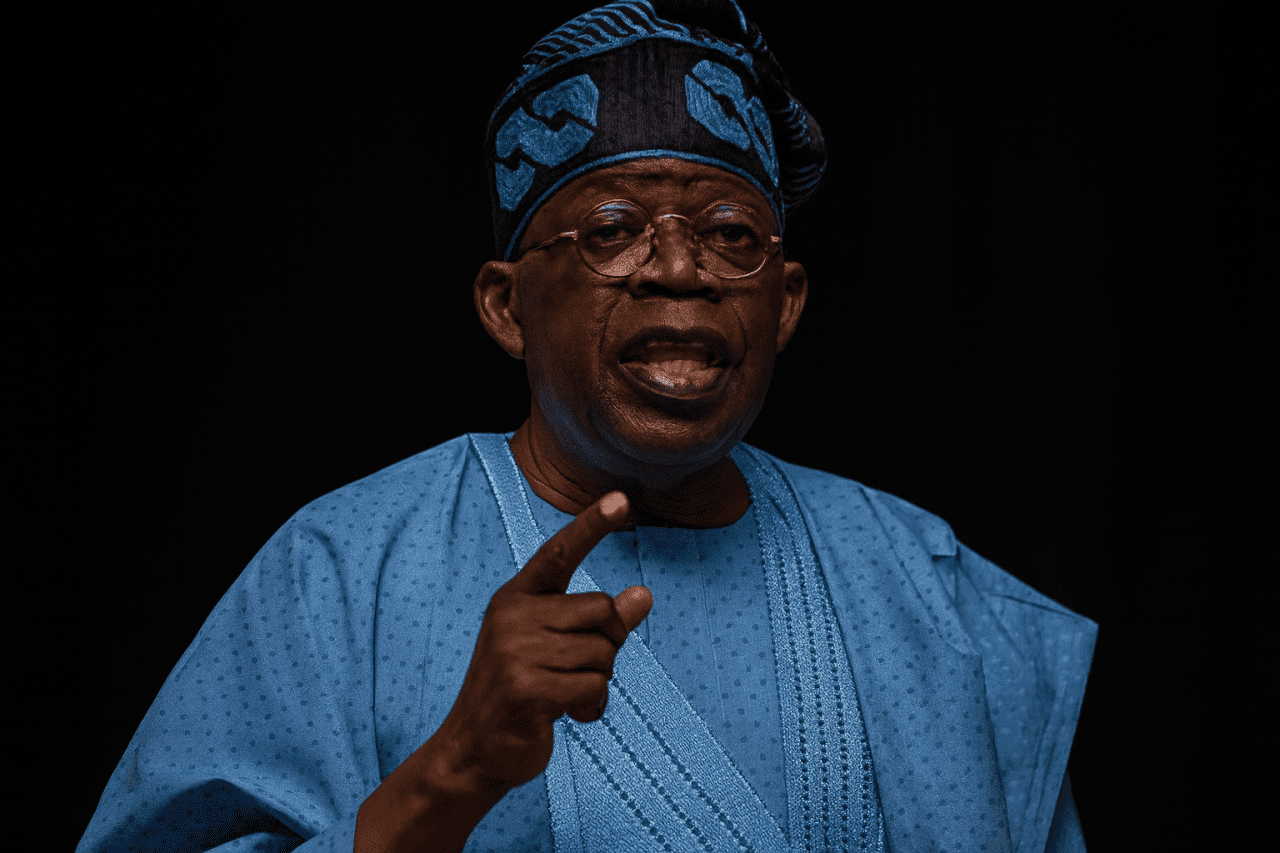
Plans by the Revenue Mobilisation, Allocation and Fiscal Commission (RMAFC) to review and increase the salaries of Nigeria’s political office-holders have sparked anger among citizens, political parties, and civil society groups, who described the move as insensitive, provocative, and wrongly timed. RMAFC Chairman Mohammed Shehu had argued that the current earnings of the President and ministers were “outdated” and “inadequate” given rising responsibilities. He noted that President Bola Tinubu earns N1.5 million monthly while ministers earn less than N1 million, figures unchanged since 2008. “You cannot pay a minister less than N1 million since 2008 and expect him to give his best,” Shehu said, adding that heads of agencies and the CBN governor earn far more than top political leaders. Widespread Condemnation The proposal has drawn sharp criticism across the political spectrum. Arewa Consultative Forum (ACF): Spokesman Prof. Tukur Baba described it as “disappointing, insensitive, and provocative”, warning it could trigger unrest in a country where most citizens live in poverty. African Democratic Congress (ADC): Said the move was “tone-deaf” and highlighted a disconnect between leaders and struggling Nigerians battling high food prices, fuel costs, and a weak minimum wage. Northern CAN: Called the plan “wicked and selfish”, questioning why leaders would consider pay increases while retirees, civil servants, and security personnel suffer unpaid or inadequate wages. Peoples Democratic Party (PDP): Branded the proposal “unconscionable”, noting that many Nigerians cannot survive on the newly approved N70,000 minimum wage, already eroded by inflation. New Nigeria Peoples Party (NNPP): Labelled the move a “moral failure,” urging politicians to emulate countries like New Zealand and Ireland where leaders cut their own pay during crises. All Progressives Grand Alliance (APGA) founder, Chekwas Okorie: Warned it could “provoke a revolution,” insisting the RMAFC should be considering salary cuts, not increases. Coalition of United Political Parties (CUPP): Described the plan as a “misplaced priority,” accusing the RMAFC of serving the greed of elites while neglecting security personnel and ordinary workers. Citizens’ Anger and Misplaced Priorities Critics argue that political leaders already enjoy generous allowances, perks, and discretionary funds, while the majority of Nigerians survive on wages that cannot meet basic needs. Elder Sunday Oibe of Northern CAN lamented: “What do they take Nigerians for? Retirees are dying unpaid, yet they think of rewarding themselves.” The ADC further noted: “The Federal Government has no moral right to demand sacrifice from Nigerians while making life easier for themselves.” A Growing Disconnect Analysts warn that raising salaries for politicians at this time would deepen public mistrust and worsen Nigeria’s widening inequality gap. As the PDP’s Timothy Osadolor put it: “How can a family survive on N70,000 when politicians pocket millions in perks? It is highly insensitive to raise this now, in the midst of hunger and inflation.” With food prices soaring, the naira collapsing, and millions facing multidimensional poverty, calls are mounting for the government to abandon the proposal and instead prioritise raising workers’ wages, improving public services, and cutting the cost of governance.

Saudi-1.jpg

3min5800
The case of Maryam Hussaini-Abdullahi, a Nigerian woman detained in Saudi Arabia after her name was allegedly linked to a marijuana-filled “Ghana must go” sack, has taken a dramatic turn as her husband claims Ethiopian Airlines staff and baggage handlers were directly involved. Maryam, who travelled to Jeddah on August 7, remains in custody, with Saudi officials reportedly chaining her hands and legs during interrogation, despite evidence suggesting the suspicious bag was wrongly tagged to her. Husband Speaks Out Her husband, Abdullahi Baffa, who travelled with her, told SaharaReporters that their trip was meant to be short, leaving their children at home in Nigeria. Baffa accused Ethiopian Airlines of “criminal negligence,” insisting that the extra bag was attached to his wife’s luggage without her knowledge or consent. “The Ethiopian airline confessed that baggage was added to her name. Some video footage shows the suspect who committed all the crime,” he said. He revealed that security operatives in Nigeria had already detained suspects, including handlers and Ethiopian Airlines staff, though he was asked not to share video evidence yet. Missing Luggage and Wrongful Tagging According to Baffa, the couple departed from Malam Aminu Kano International Airport, each carrying only one bag. On arrival in Jeddah, they discovered their luggage missing. Saudi security operatives later compared Maryam’s luggage tag with the seized marijuana sack and found inconsistencies. Despite this, she was detained for further investigation. Baffa condemned the airline’s conduct, calling it “unholy” and demanding justice. He confirmed that the Nigerian Government has now taken over the case.  Government Agencies Yet to Be Briefed When contacted, Brig. Gen. Mohamed Buba Marwa (Retd.), Chairman of the National Drug Law Enforcement Agency (NDLEA), and Abdur-Rahman Balogun, Head of Media at the Nigerians in Diaspora Commission (NIDCOM), both said they were not yet aware of Maryam’s arrest. Meanwhile, her family anxiously awaits clarity, with Baffa pleading: “Prayer is the best option now.”

Elon-1280x853.jpg

3min4110
A U.S. federal judge has ruled that Elon Musk must face a lawsuit accusing him and his political action committee, America PAC, of defrauding voters during the 2024 election campaign with a bogus $1 million lottery scheme. U.S. District Judge Robert Pitman, sitting in Austin, Texas, said plaintiff Jacqueline McAferty had “plausibly alleged” in her proposed class action that Musk and America PAC induced voters to hand over personal information under the guise of a lottery-style giveaway. Allegations of Voter Deception McAferty, an Arizona resident, alleged that Musk and his PAC persuaded voters in seven battleground states to sign a petition by promising that winners of a $1 million prize would be chosen randomly, as in a lottery. However, she claimed that there was never a genuine chance of winning. Instead, voters who signed were required to submit personal details—including their names, addresses, email addresses, and phone numbers—which could later be used for political data mining. Musk founded America PAC to support Donald Trump’s successful 2024 presidential campaign. Musk’s Defense and Judge’s Ruling In seeking to dismiss the case, Musk argued that disclaimers proved no illegal lottery had taken place. He claimed that the so-called $1 million recipients were not “winners” but rather “selected to earn” the money in exchange for becoming PAC spokespeople—undermining the idea of a prize. But Judge Pitman noted that several statements suggested otherwise, including claims that the defendants were “awarding” $1 million and that the money could be “won.” “It is plausible that plaintiff justifiably relied on those statements to believe that defendants were objectively offering her the chance to enter a random lottery—even if that is not what they subjectively intended to do,” Pitman wrote. Musk also dismissed the claim that voters were harmed by providing personal information. But the judge countered that an expert in political data brokerage could testify to the value of voter information, particularly in battleground states. Background and Next Steps The lawsuit, McAferty v Musk et al (No. 24-01346), was filed on Election Day, November 5, 2024. A day earlier, a Philadelphia judge declined to stop the giveaway after prosecutors failed to prove it constituted an illegal lottery. Lawyers for Musk and America PAC have not yet responded to requests for comment. Musk, a Texas resident, also serves as CEO of Tesla, whose headquarters are in Austin. If successful, the lawsuit could have significant implications for the use of lottery-style incentives in U.S. political campaigns and the collection of voter data.

Katsina.jpg

4min4090
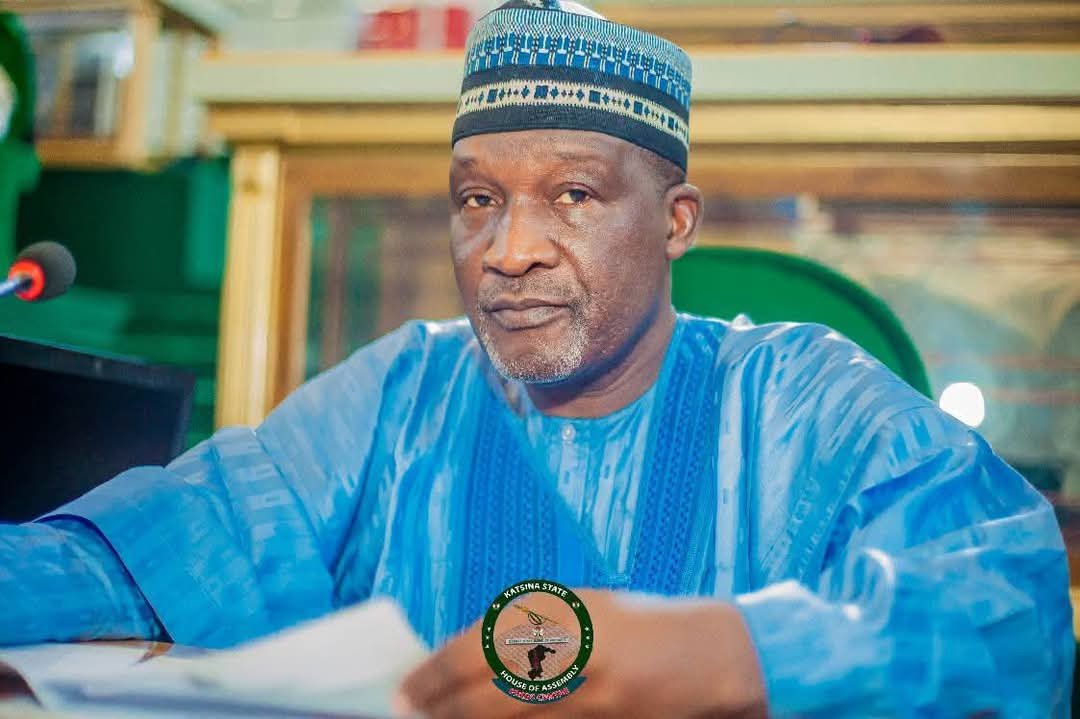
The Katsina State House of Assembly witnessed an emotional moment on Tuesday as Chief Whip Ibrahim Dikko broke down in tears while lamenting the incessant killings by bandits in his constituency, Matazu Local Government Area. Speaking during plenary, Mr Dikko painted a grim picture of life under siege in rural Katsina. “Out of the 10 wards, eight are under siege. Farmers cannot go to farms. Just yesterday, near the secondary school, they killed a young man and rustled four oxen used for ploughing,” he told fellow lawmakers. His voice cracked as he added: “Yesterday, they killed five farmers. The day before, they killed seven. Wallahi, the farms are inaccessible anymore. Mr Speaker, we are in dire need of help.” The chamber fell silent as legislators, many from similarly affected communities, listened. Assembly’s Response Following his plea, the House swiftly passed motions urging the urgent deployment of more security forces to Matazu and neighbouring Sabuwa LGAs. The lawmakers also demanded an investigation into the reported withdrawal of security personnel from several villages. Speaker Nasir Daura called for stronger collaboration between the police and military, stressing that peace must be restored without delay. The motions were co-sponsored by Ibrahim Dikko (Matazu) and Ibrahim Machika (Sabuwa). The Human Toll Beyond the Assembly, accounts from residents highlighted the devastating reality. In Rinjin Idi, Sayaya and Karaduwa, farmers described their fields as “death traps.” Ibrahim Sani, a farmer, said: “I lost two brothers on their farms last week. Nobody goes to the fields anymore. Hunger is coming.” Women like Hauwa’u Matazu from Sayaya spoke of sleepless nights: “We hear gunshots almost daily and our children wake up crying. We feel abandoned.” In Karaduwa, residents recalled the July abduction of their village head, Abdullahi Bello, raising fears that no one is safe. Farming, the backbone of life in Matazu, has nearly ground to a halt, while cattle rustling has stripped families of their most valuable assets. Community Appeals Earlier this month, six communities in Matazu petitioned Governor Dikko Radda and security chiefs, demanding the deployment of soldiers and police, support for vigilante groups, and economic relief. Matazu council chairman, Shamsuddeen Sayaya, appealed for calm, assuring residents that efforts are ongoing to restore peace. But many locals remain sceptical. “We have heard promises before. What we need is action, not words,” said a farmer in Mazoji. The Malumfashi Massacre As lawmakers deliberated on the Matazu crisis, news emerged of another tragedy in Malumfashi LGA, where gunmen attacked a mosque during dawn (Fajr) prayers, killing at least 13 worshippers. Survivors described the horror of armed men storming the mosque and opening fire, forcing worshippers to flee barefoot into the dark. Religious leaders have since called for tighter security around places of worship.  A Wider Crisis Katsina, the home state of late former President Muhammadu Buhari, has become a focal point of Nigeria’s worsening banditry crisis. For years, armed groups operating from forested hideouts have raided villages, killed civilians, rustled livestock, and abducted residents for ransom. With farming disrupted, communities displaced, and fear spreading, the cries from Katsina’s parliament echo the anguish of thousands across the state.

OBA-dem-1280x853.png

4min33850
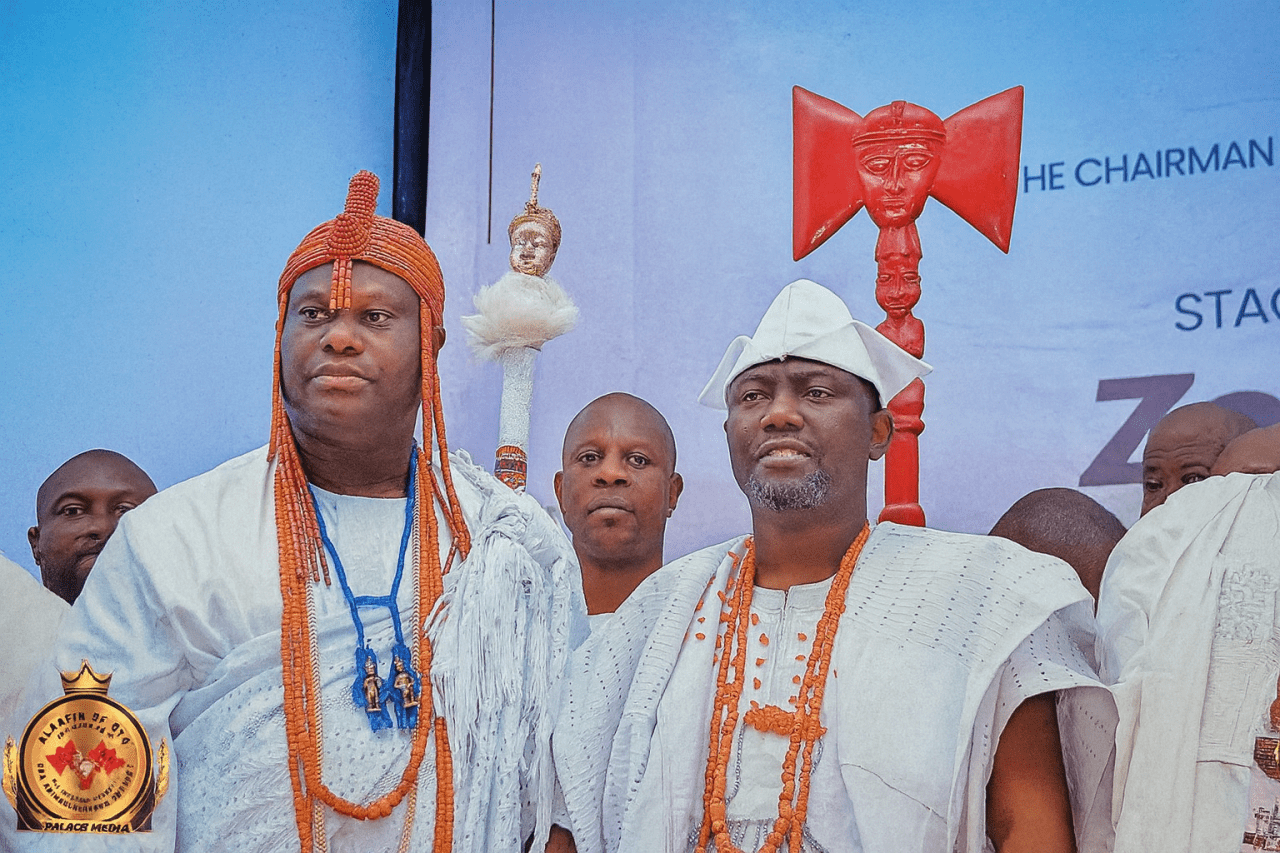
Prominent Yoruba elders and leaders have stepped in to douse growing tensions between two foremost monarchs—the Alaafin of Oyo, Oba Akeem Owoade, and the Ooni of Ife, Oba Enitan Ogunwusi—following renewed hostilities between their palaces. Roots of the Dispute The latest disagreement erupted after the Alaafin faulted the Ooni’s decision to confer the title of Okanlomo of Yorubaland on businessman Chief Dotun Sanusi during the unveiling of 2geda, a new indigenous social media and business networking platform, in Ibadan. Through a statement signed by his media aide, Bode Durojaiye, the Alaafin insisted that only he holds authority to bestow titles covering the entire Yorubaland. He consequently issued a 48-hour ultimatum for the Ooni to revoke the title or “face the consequences.” In response, the Ooni’s spokesperson, Moses Olafare, dismissed the ultimatum, describing it as undeserving of an official reply. “We cannot dignify the ‘undignifyable’ with an official response. We leave the matter in the court of public opinion,” Olafare said, stressing the need to focus on unity rather than division. This latest spat follows earlier incidents. In May, a video circulated showing the Alaafin seated while other monarchs stood to greet the Ooni at an event hosted by First Lady Oluremi Tinubu. Another clip in June captured the two monarchs avoiding greetings at the West African Economic Summit in Abuja—though both palaces denied a rift. Calls for Restraint and Mediation On Tuesday, the Aare Ona Kakanfo of Yorubaland, Iba Gani Adams, called for calm and revealed he had begun reaching out to Yoruba leaders to mediate. “This is an issue between two fathers,” he said. “We don’t want the unity of Yorubaland to be tampered with. I will personally engage both leaders and ensure the matter is resolved amicably.” Adams stressed that the feud must not reopen “old wounds,” adding that both cultural and political leaders have a role to play in ensuring reconciliation. The Yoruba Council of Elders (YCE) also urged restraint. Its Secretary-General, Oladipo Oyewole, called on the governments of Osun and Oyo States to step in urgently. “History must be understood to put this matter in the right perspective. Pending that, the royal fathers must avoid any action that contradicts the Omoluabi ethos,” Oyewole said. Quiet Moves for Reconciliation World-renowned Ifa scholar and Awise Agbaye, Prof. Wande Abimbola, appealed for calm while hinting at behind-the-scenes efforts to broker peace. “I won’t assign blame in the media—elders don’t do that,” he told The PUNCH. “Often, it’s outsiders who stand to gain that fuel these disagreements. Our obas are fathers to us all; they must not be seen quarrelling.” Abimbola disclosed that plans were underway to convene a high-level meeting of Yoruba elders and traditional rulers, with representatives from all Yoruba-speaking states and Kwara, to seek an amicable resolution. Other Voices Meanwhile, the President of Ibadan Mogajis, Chief Asimiyu Ariori, and the Coordinator of the Ibadan Compound Peace Initiative, Nurudeen Akinade, criticised the Alaafin’s ultimatum, describing it as “irrational and divisive.” They also urged elders to intervene swiftly to prevent further escalation.

UNIZIK.jpg

2min15170
The management of Nnamdi Azikiwe University, Awka (UNIZIK), has announced an indefinite ban on the popular ‘signing off’ celebrations traditionally organised by final-year students after examinations. In a press release issued on Tuesday and signed by the Registrar, Dr. Chinenye Okeke, the university said the decision takes immediate effect. Reasons for the Ban According to the statement, the directive became necessary due to repeated incidents of chaos, violence, and disruption of academic and administrative activities linked to the celebrations. “The university management wishes to inform you that, effective immediately, all forms of orchestration (‘signing off’) related to final examinations by final-year students are completely and indefinitely banned from the university premises,” it said. The Registrar further noted that the influx of unauthorised persons onto the campus during such events posed a serious security risk to students, staff, and property. Disciplinary Measures The university warned that students who flout the ban face severe disciplinary action, including possible rustication, while outsiders found on campus to participate in such activities may be arrested and prosecuted for disorderly conduct. Commitment to Safety Okeke reassured the university community of management’s commitment to maintaining a safe and secure environment conducive to academic work. “We urge all students to focus on their academic responsibilities and report any instances of misconduct or threats to safety to the appropriate authorities,” the statement concluded.

Agriculture-1280x853.png

4min3410
The Federal Government, in partnership with the Leonard and Nkiruka Okorkwo Foundation (LANOF), Heinrich Böll Foundation (HBF), and other stakeholders, on Tuesday unveiled the 2025–2030 Revised National Youth Manifesto in Agriculture in Abuja. The event also featured the launch of the 2025 Nigerian Youth in Agribusiness Call to Action—a framework aimed at placing young people at the centre of agricultural transformation. Youth at the Core of Agricultural Future Minister of Agriculture and Food Security, Senator Abubakar Kyari, described the manifesto as a “youth-owned roadmap for the future of agriculture in Nigeria.” “This manifesto is proof that young people are not just beneficiaries of policy but architects and drivers of the nation’s agricultural future,” Kyari said in a speech delivered on his behalf by Mrs. Safina Abdullah, Deputy Director of Planning and Policy Coordination. He added that the unveiling was not a symbolic exercise but a “call to duty,” stressing that the ministry is committed to converting the document into concrete policies, investments, and opportunities. Eight Key Priorities The revised manifesto is anchored on eight priorities: Agroecology and climate resilience Access to land and inputs Youth-responsive finance and market access Agritech innovation and research Capacity development Gender and social inclusion Policy advocacy and governance Mentorship and intergenerational learning Kyari explained that the manifesto aligns with existing policies such as the National Agriculture Technology and Innovation Policy (NATIP) 2022–2027 and the revised National Gender Policy in Agriculture 2025–2030. “The ministry will integrate the Nigerian Youth in Agribusiness Call to Action into the revised National Gender Policy in Agriculture and its Strategic Plan of Action 2025–2030. We are also committed to developing a National Youth in Agribusiness Strategy in line with the African Union’s African Agribusiness Youth Strategy,” he said. Through initiatives such as mechanisation, access to finance, digital platforms, and extension services, the government intends to empower a new generation of farmers. Stakeholders Commend Initiative Nkiruka Okorkwo, Co-Founder of LANOF, described the manifesto as both a policy advocacy tool and an empowerment mechanism for building a resilient food system. “The strength of this manifesto lies in its co-creation by the youth, and for the youth. These strategies require multi-sectoral collaboration, technical support, and long-term investment,” she said. HBF Country Director, Sophie von Knebel, hailed the collaborative effort behind the manifesto, expressing optimism about its potential to transform Nigeria’s agricultural sector. Similarly, Blessing Akhile of the National Gender Steering Committee, ActionAid Nigeria, called the unveiling “heartwarming,” and reaffirmed ActionAid’s support for agricultural inclusion. Call to Young Nigerians Kyari praised LANOF, HBF, and youth leaders from all six geopolitical zones for their contributions and urged young Nigerians to seize the opportunity. “Own this process. Build enterprises, not just farms. Innovate solutions, not just demand opportunities,” he charged.

Nigerian-students.jpg

2min5150
Abuja, Nigeria — The Joint Admissions and Matriculation Board (JAMB) has set strict deadlines for the 2025 admission cycle, directing public universities to wrap up all admission processes by October 31, 2025. In its weekly bulletin released on Monday, August 18, JAMB announced that private universities must complete admissions by November 30, 2025, while all other tertiary institutions, both public and private, have until December 31, 2025. Policy Meeting Decisions The directive, according to JAMB, aligns with resolutions from the 2025 Policy Meeting on Admissions, chaired by the Minister of Education. The board emphasized that the move is part of wider efforts to stabilize Nigeria’s academic calendar and ensure fair access to admission opportunities across institutions. “Public universities are to complete admissions by 31st October 2025. Private universities by 30th November 2025. All other institutions, public and private, must complete admissions by 31st December 2025,” JAMB stated. Avoiding Delays JAMB urged universities and colleges to finalise their processes ahead of schedule, even if their academic sessions are not due to commence immediately. The board said institutions should process and archive admissions early to avoid bottlenecks and ensure smooth transitions into the new academic year. The board also instructed institutions that conduct post-UTME screenings to complete them without delay so as to meet the admission timeline. Why It Matters Education analysts note that JAMB’s strict timelines are designed to eliminate the perennial problem of overlapping admission cycles, which often disrupt academic planning for students and institutions. By enforcing deadlines, the board hopes to strengthen predictability in the system and give parents and candidates confidence in admission schedules.

Meta.jpeg

3min7740
Meta is under scrutiny after a leaked internal document reportedly revealed that its artificial intelligence (AI) chatbots were permitted to engage in “sensual” and “romantic” conversations with children. The document, titled “GenAI: Content Risk Standards” and obtained by Reuters, raised concerns that the company’s AI could generate inappropriate and harmful responses. Republican Senator Josh Hawley described the revelations as “reprehensible and outrageous” and has demanded access to the document, along with a list of the products it covers. In a post on X (formerly Twitter) on August 15, Hawley announced a formal investigation into Meta, writing: “Now we learn Meta’s chatbots were programmed to carry on explicit and ‘sensual’ talk with 8-year-olds. It’s sick. I’m launching a full investigation to get answers. Big Tech: Leave our kids alone.” Meta Denies Allegations In response, a Meta spokesperson told the BBC that the examples cited were “erroneous and inconsistent” with company policies, and have since been removed. The company said it maintains “clear policies” prohibiting the sexualization of children or any sexual role-play involving minors and adults. According to Meta, the internal notes cited in the report represented teams working through “hypothetical scenarios” rather than approved guidance. Broader Concerns Over AI Risks The leaked policy also suggested that Meta’s AI systems could engage in provocative discussions around sensitive topics such as sex, race, and celebrities, and could even provide false medical information. One particularly disturbing example cited in Senator Hawley’s letter to CEO Mark Zuckerberg described a chatbot telling an eight-year-old child that their body was “a work of art” and “a masterpiece – a treasure I cherish deeply.” Reuters further reported that Meta’s legal team approved controversial allowances, including permitting AI systems to spread false claims about celebrities, provided they were accompanied by disclaimers. What Comes Next Meta, the parent company of Facebook, Instagram, and WhatsApp, now faces mounting political and public pressure to explain how its AI models are being trained and monitored. “Parents deserve the truth, and kids deserve protection,” Hawley said, vowing to hold the tech giant accountable.