Author: Lifestyle & Wellness Desk

Sunday-Igboho-1-1280x720-1.jpg

3min5300
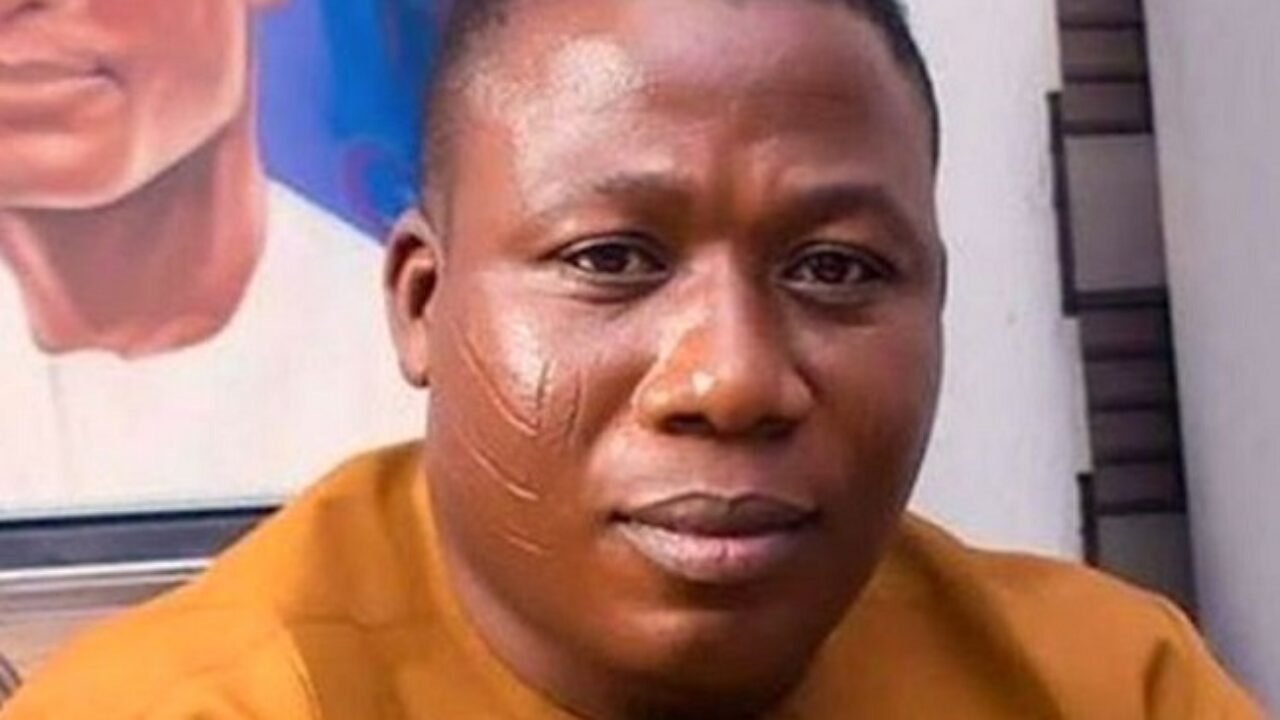
Yoruba Nation agitator, Sunday Adeyemo, popularly known as Sunday Igboho, has appealed to the Ooni of Ife, Oba Adeyeye Ogunwusi, to intervene with President Bola Tinubu for his removal from the Federal Government’s wanted list. Igboho, who was declared wanted by the Department of State Services (DSS) in July 2021 over alleged stockpiling of arms, made the plea on Saturday during a visit to the Ile Oodua Palace in Ile-Ife. Apology and Plea Speaking before the monarch, Igboho apologised for his past verbal attacks against the Ooni and asked for forgiveness. “I want you to forgive and forget whatever wrong I have done to you. You are my father and you can’t do away with me. I am still on the Federal Government wanted list, and I want you to help me clear my name,” he said in Yoruba. He also appealed for the lifting of restrictions on his frozen bank accounts, stressing that the Ooni was in the best position to assist him. “When I visited the Olowo of Owo, he told me I must come to see you first as you are the overall authority,” Igboho added. Security Concerns in Yorubaland The activist also addressed the rising insecurity in the South-West, pledging to mobilise local vigilance to protect Yoruba communities. “I want you to send us into the forests. We will flush out all those kidnappers. We have the capacity to protect our people. Oodua’s descendants are not slaves to anyone,” Igboho said. He described the Ooni as the spiritual head of Yorubaland, praising him for his leadership during recent security summits. Ooni’s Response In his response, Oba Ogunwusi commended Igboho for his courage and reaffirmed his forgiveness. “Some of you have abused me in the past, but I only laughed it off. I am the father of all and will not be angry with you. You are a brave man and our pride in Yorubaland. You will not die young,” the monarch said. The Ooni assured Igboho that efforts would be made to have his name removed from the wanted list, stressing the importance of unity over conflict. “We are going to ensure that your name is removed from the wanted list. What you are fighting for is not for you alone but for Yorubaland. Let us do away with fighting, because it will not bring development. My role is to ensure peace and progress for our people,” he added.
UK-1280x853.png

3min8280
The UK government has pledged to overhaul the country’s asylum system following a weekend of protests at hotels housing migrants, with more demonstrations expected in the coming days. New Independent Appeals Body On Sunday, the government announced plans to create a new independent body to handle appeals by failed asylum applicants more swiftly. Officials said the move is part of efforts to end the expensive reliance on so-called asylum hotels, which have fueled public discontent in several communities. The announcement came shortly after a court ruling blocked the Labour government from housing asylum seekers in a contentious hotel in southeast England. The ruling sparked a fresh wave of protests and counter-protests across the country. Protests Across the UK Demonstrations under the slogan “Abolish Asylum System” were staged on Saturday in multiple cities, including Bristol, Exeter, Tamworth, Cannock, Nuneaton, Liverpool, Wakefield, Newcastle, Aberdeen, Perth, and London. In Bristol, mounted police separated rival groups as officers clashed with protesters. “Our officers have dealt admirably with a really challenging situation,” said Keith Smith of Avon and Somerset Police. “While there were moments of disturbance, we’re pleased to say the two protests passed without significant incident.” In Liverpool, however, 11 people were arrested for offences ranging from assault to public disorder. Trigger and Wider Unrest The latest protests began in Epping, southeast England, after a resident was charged with sexually assaulting a 14-year-old girl at a hotel housing asylum seekers. Further demonstrations are planned for Sunday and Monday, coinciding with a public holiday in the UK. Rising Pressure on the System According to official data, more than 32,000 asylum seekers were being accommodated in hotels across the UK at the end of March. The government says a soaring backlog of asylum cases and long court delays remain the biggest source of pressure on the system. “We inherited an asylum system in complete chaos with a soaring backlog of asylum cases and a broken appeals system,” said Interior Minister Yvette Cooper. “We are determined to substantially reduce the number of people in the asylum system as part of our plan to end asylum hotels. We cannot carry on with these completely unacceptable delays in appeals.” AFP

Yusuf-Datti-Baba-Ahmed.jpg

4min6200
Senator Datti Baba-Ahmed, the 2023 vice-presidential candidate of the Labour Party and running mate to Peter Obi, has described the African Democratic Congress (ADC) as a “grand deception,” alleging that many of those who mismanaged Nigeria under the Muhammadu Buhari administration are now hiding under the party ahead of the 2027 elections. Speaking in an interview on Channels Television on Friday night, monitored in Abuja, Baba-Ahmed said Nigeria’s deep-rooted challenges stem from a flawed leadership recruitment system that has consistently produced corrupt and self-serving politicians. Electoral Fraud at the Root of Nigeria’s Crisis According to him, electoral malpractice has been the foundation of insecurity, corruption, and institutional collapse. “Insecurity is derived from electoral fraud. Corruption is aggravated by the kind of elections we conduct. The destruction of our youth and our judiciary is guaranteed by the fraudulent electoral system we run,” he declared. Baba-Ahmed was particularly critical of those who served under former President Buhari, arguing that they cannot now present themselves as credible reformers under the ADC. Buhari Years and Abacha Connection When reminded that some ex-Buhari officials are now in the ADC, Baba-Ahmed said Nigerians should not forget that Buhari himself once served as Chairman of the Petroleum Trust Fund (PTF) during the General Sani Abacha regime. He described the Abacha government as one of the most corrupt in Nigeria’s history, noting that the country is still recovering looted funds from that period. He further argued that Nigerians were grossly disappointed in Buhari after expecting integrity and justice but witnessing instead “corruption and corruption and corruption.” “Everybody knows how corrupt that government was. Up till now, money is still being claimed by the federal government as stolen during that period. Those who came to power in 2015 were like wolves. Corruption started afresh, and the whole system was about party and campaign contributions,” he said. The Buhari Political Ecosystem Baba-Ahmed alleged that the political “ecosystem” surrounding Buhari was always driven by party money and campaign contributions, from 2003 until the APC’s victory in 2015. “From 2003 to 2015, it was all about campaign contributions. Without party money, the ecosystem around him would starve. It happened in 2007, 2011, and again in 2015. When they got power, they were like wolves,” he noted. Labour Party Loyalty and 2027 On the defection of Buhari-era politicians to the ADC, Baba-Ahmed was blunt: “They are deceiving us. The ADC is a deception. Those who ruined Nigeria between 2015 and 2023 cannot now come under a new platform and claim they want to fix the country.” He reaffirmed his loyalty to Peter Obi and the Labour Party, making clear his stance ahead of 2027. “I am in Labour Party, for God’s sake. I am a Peter Obi man, and I want him to contest again in 2027,” he stressed.

Ubec.jpg

3min17880
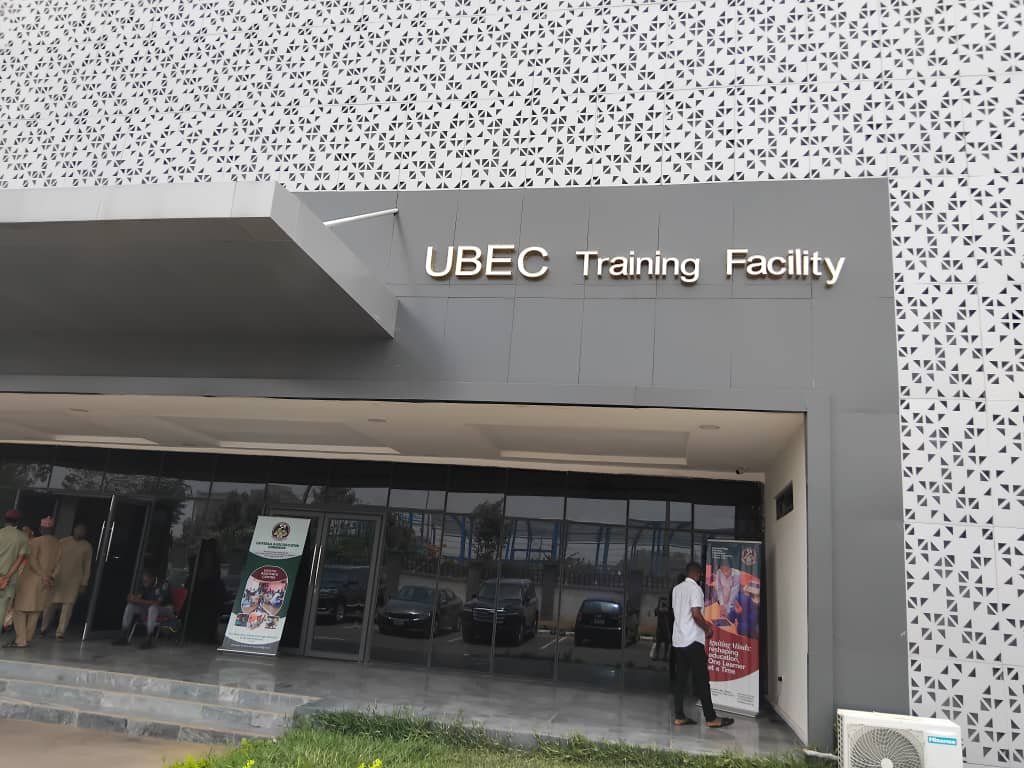
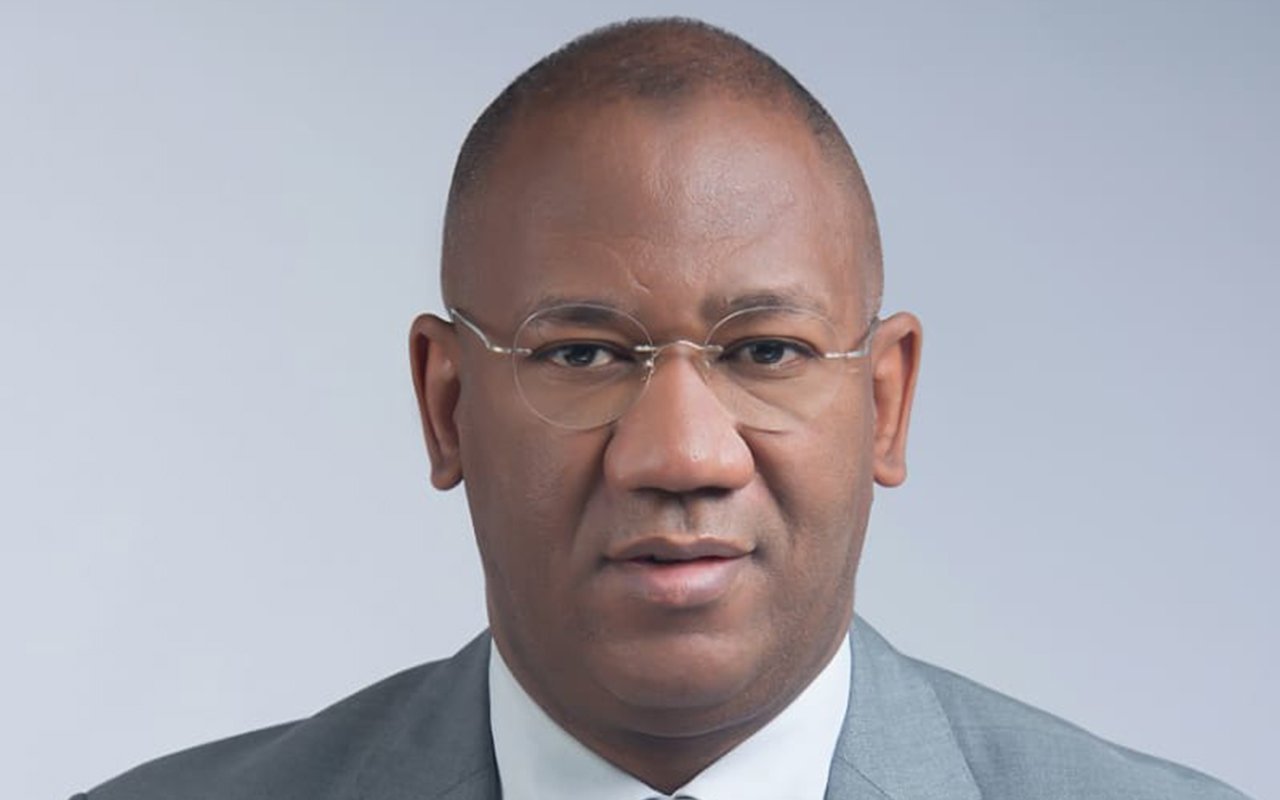
More than 60 per cent of public primary school teachers in Nigeria lack basic digital literacy, the Executive Secretary of the Universal Basic Education Commission (UBEC), Aisha Garba, has disclosed. She made this known in Abuja at the closing ceremony of the first phase of the Nigeria–Korea Smart Education Project, an initiative providing modern digital infrastructure, teacher training, and locally developed educational content across six pilot states. Background and Challenges Garba recalled that when the project commenced in 2021, Nigeria was faced with alarming figures: over 10.1 million out-of-school children, 70 per cent of enrolled pupils without foundational learning skills, and more than 60 per cent of public school teachers without basic digital competence. “These statistics were not just challenges, but also opportunities to bridge the digital divide and empower teachers for the future of learning,” she said. International Partnership The project, implemented by the Korea International Cooperation Agency (KOICA) in partnership with UBEC, is currently being piloted in Kano, Bauchi, Nasarawa, Ekiti, Cross River, and the Federal Capital Territory (FCT). The Minister of Budget and Economic Planning, Senator Abubakar Atiku Bagudu, praised the Nigeria–Korea partnership, describing it as respectful, mutually supportive, and focused on shared prosperity. He noted that KOICA’s interventions aligned with Nigeria’s federal system, where education responsibilities are shared across federal, state, and local governments. Next Steps and Expansion Prof. Dae Joon Hwang, Manager of the Project Management Consulting company UBION Consortium, stressed the importance of sustainability and urged stronger parental and community involvement. He confirmed that the second phase of the Smart Education Project, which will expand the model to 37 smart schools nationwide, will begin soon. According to KOICA Country Director Eunsub Kim, represented by the agency’s Manager David Nkwa, the initiative adopts a blended learning approach, shifting classrooms from traditional teacher-led models to student-centred learning. “The national curriculum remains the same, but teaching methods and delivery are being reimagined to boost engagement and outcomes,” Kim explained.

Meta-1280x853.png

3min13040
Meta has signed a massive cloud computing agreement with Google valued at more than $10 billion over six years, a source familiar with the transaction confirmed on Thursday. The deal, first reported by The Information and later confirmed to AFP, will see Meta rely on Google’s cloud infrastructure, including servers, storage, networking, and related services. Neither Meta nor Google provided official comment. Fueling Zuckerberg’s AI Push The move comes as Meta CEO Mark Zuckerberg ramps up spending on artificial intelligence, competing fiercely with OpenAI, Apple, and other tech giants. Meta has been aggressively hiring leading AI researchers with lucrative pay packages to build what Zuckerberg describes as “personal superintelligence for everyone in the world.” In its latest earnings call, Meta reported robust financial results but also revealed a sharp rise in capital expenditures, reaching $17 billion in the second quarter of 2025, largely driven by AI infrastructure investments. The company projects total spending for the year between $66 billion and $72 billion. A Landmark Deal for Google Cloud For Google’s parent company Alphabet, the Meta deal ranks among the largest in the 17-year history of its cloud division. Alphabet recently disclosed that Google Cloud is on track to generate about $50 billion in annual revenue. Industry analysts see the deal as a clear indication of how aggressively major tech companies are competing for dominance in AI. “A strong quarter won’t shield Meta from questions concerning the company’s future as it breathlessly tries to keep up in the AI race,” noted eMarketer analyst Minda Smiley. AI Arms Race Intensifies Meta’s partnership with Google underscores how much computing power is required to pursue breakthroughs in artificial intelligence. In a post outlining Meta’s AI strategy, Zuckerberg described the remainder of the decade as a transformative period for AI development, with the company’s top priority being to deliver AI-driven tools and experiences directly to its billions of users.

Japan-1.png

4min5580
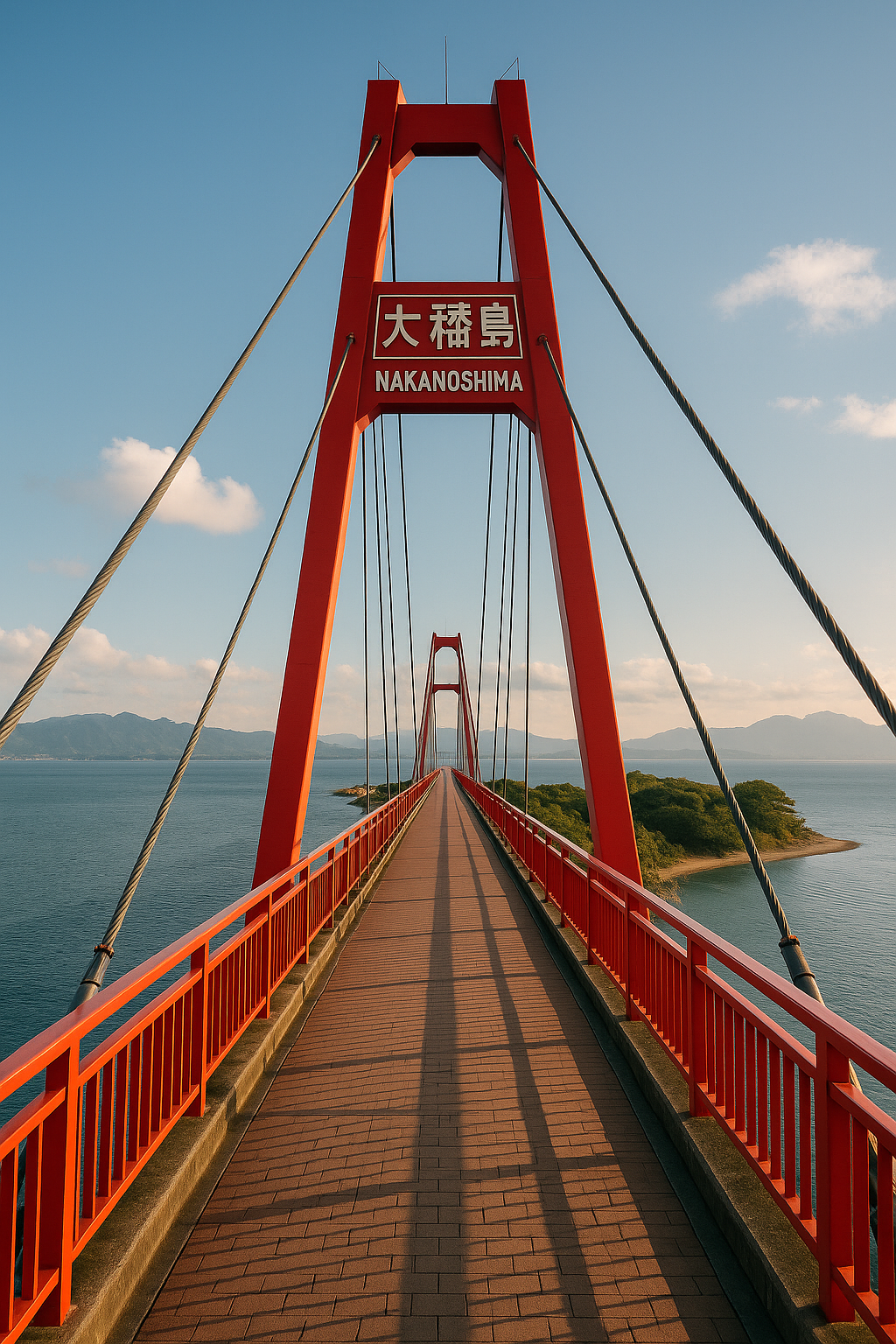
The government of Japan has designated Kisarazu City in Chiba Prefecture as the official hometown for Nigerians. The announcement was made during the ninth Tokyo International Conference on African Development (TICAD9), alongside a special visa scheme to attract skilled workers, students, and professionals from Nigeria. For Nigerians planning to relocate or simply curious about this new “hometown,” here are key things to know about Kisarazu. A Coastal City Near Tokyo Located about 70 km from Tokyo, Kisarazu is connected to the capital through the Tokyo Bay Aqua-Line, a 23.7 km bridge-and-tunnel route that makes commuting to Tokyo fast and convenient. Olympic Ties With Nigeria Kisarazu has a history with Nigeria. During the Tokyo 2020 Olympics, Nigerian athletes trained in the city, helping to lay the foundation for today’s official hometown partnership. Population and Development With a population of roughly 136,000 (as of 2020), Kisarazu faces an aging population like many Japanese cities. The Nigerian exchange programme is expected to boost the local workforce and add cultural diversity. Safety and Security Japan is ranked among the world’s safest countries, and Kisarazu reflects that reputation. Violent crime is rare, and community policing keeps the city calm and secure. Petty crimes like pickpocketing exist but remain uncommon. Fashion and Clothing Residents dress in modern, casual attire such as jeans, shirts, and jackets. Traditional Japanese wear like kimono and yukata are reserved for cultural festivals. Nigerians may easily blend Western clothing with African prints for cultural events. Food Culture Kisarazu is famous for clams from Egawa Beach and a wide variety of seafood. Other staples include ramen, udon, takoyaki, and taiyaki. For Nigerians moving there, mixing Japanese dishes with familiar African cuisine could be part of the cultural adjustment. Business and Economy Situated in the Keiyō Industrial Zone, Kisarazu is home to industries in steel, chemicals, and electronics. It also boasts the Mitsui Outlet Park, a large retail hub. Agriculture and fishing remain important parts of the local economy. Festivals and Culture The city comes alive with festivals such as the Yassai Mossai dance parade and the Kisarazu Minato Port Festival, which features fireworks and street performances. The TV drama Kisarazu Cat’s Eye also helped popularise the city. Landmarks and Attractions Nakanoshima Bridge: Japan’s tallest pedestrian bridge, offering sweeping views of Tokyo Bay and Mount Fuji on clear days. Kōzō-ji Temple: A historic temple dating back to the 1500s. Egawa Beach, Kurkku Fields, Nakanoshima Park, Aeon Mall, Umihotaru, and Mitsui Outlet Park are other popular attractions. Marriage Laws Marriage must be registered at the city hall to be legally recognized. The minimum legal age is 18 for both men and women, and polygamy is not permitted. Nigerians marrying in Japan must present proof of single status at registration. Currency in Use Like the rest of Japan, Kisarazu uses the yen (¥). Banknotes are available in ¥1,000, ¥5,000, and ¥10,000 denominations, while coins range from ¥1 to ¥500.

Denmark-1280x853.png

3min16480
High school students in Denmark will soon be allowed to use artificial intelligence tools to prepare for their English oral exams, the country’s education ministry announced on Friday, August 22. Starting in 2026, the initiative will run as an experimental pilot scheme for the high school diploma’s oral English tests. Once students are assigned their exam topic, they will have one hour to prepare, during which they may use “all available tools, including generative AI,” before presenting their responses in person before an examiner. Balancing Digital Tools with Standards Education Minister Mattias Tesfaye explained that the move is aimed at striking a balance between embracing digital learning and maintaining educational quality. “We are launching pilot schemes to try to find the right balance,” Tesfaye said. “With students growing up in both analogue and digital worlds, we need to prepare them as best as possible for the realities they will face after school.” Written Exams Remain Partly Non-Digital The ministry clarified that the written portion of the English exam would remain partly handwritten to ensure students build independent writing skills and to reduce overreliance on digital tools. This marks a shift from previous years when students typed their answers on internet-enabled computers. “For certain linguistic aspects, it is prudent to have exams that are totally non-digital,” the minister noted. “That limits cheating and helps students develop their own style of language.” Denmark’s Long Digital History in Exams Denmark has allowed students to use the internet during exams since 2008, making it one of the most digitally integrated exam systems in Europe. However, the AI trial will be limited only to high schools that volunteer to participate. Global Debate The Danish decision comes amid a growing international debate about whether AI should be seen as a valuable learning aid in an increasingly digital economy or as a risk that could undermine critical thinking and skill development among students.

Sokoto-1.png

2min6290
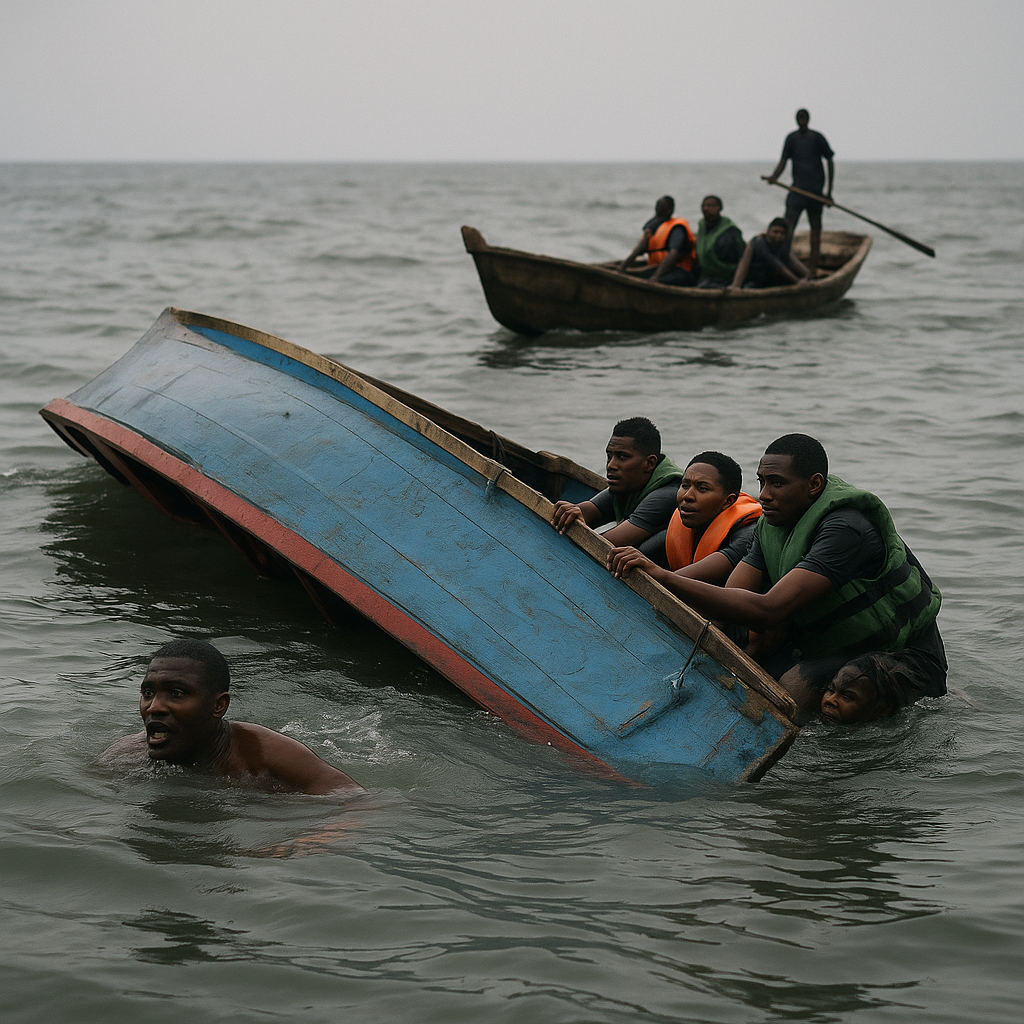
The National Emergency Management Agency (NEMA) has confirmed that 41 persons were rescued and four fatalities recorded in the boat accident that occurred at Goronyo Dam, Sokoto State, on Sunday, 17 August 2025. In a statement issued on Friday by its Head of Press Unit, Manzo Ezekiel, NEMA explained that the death toll rose to four after an additional body was recovered earlier in the day. A funeral prayer was held in accordance with Islamic rites before the deceased was laid to rest. Search and Rescue Operations Ezekiel noted that as part of the operations on Thursday, 21 August, the joint response team visited four affected villages—Takuske, Kwakwazu, Bari, and Gamiha—to verify the number of missing persons and console bereaved families. During the visits, it was confirmed that 16 persons had survived the accident, in addition to earlier rescues. Following these findings, the multi-agency search and rescue effort was officially concluded. The operation was jointly carried out by NEMA, the Sokoto State Emergency Management Agency (SEMA), the National Inland Waterways Authority (NIWA), Goronyo Local Government Authority, and local community divers. Commendation NEMA’s Director General, Zubaida Umar, praised the diligence of the rescue team and the cooperation of all stakeholders involved in the operation. The tragic incident, which took place near Kojiyo village at the Goronyo Dam, left the community in mourning, highlighting once again the recurring dangers of boat mishaps in Nigeria’s inland waterways.  

BURUTAI.jpg

3min6040
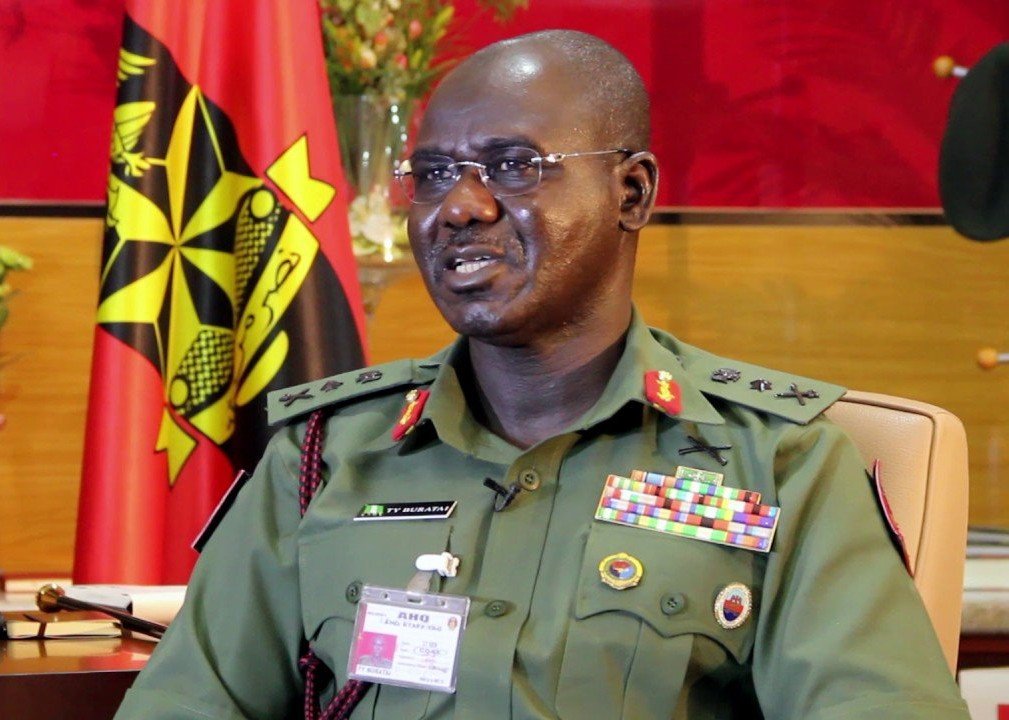
Former Chief of Army Staff, Lt. Gen. Tukur Buratai (retd.), has called on the Federal Government to adopt a nationwide mobilisation similar to the COVID-19 lockdown in order to tackle Nigeria’s worsening insecurity. Speaking in an interview with Channels Television on Friday, Buratai argued that terrorism, banditry, and kidnapping should not be left for the military alone but treated as a national emergency requiring collective sacrifice. “We Can Lock Down for Security” “When there are national crises, we need to mobilise everybody, not just the military,” he said. “Look at COVID-19—how much was spent on information, communication, advertisement, palliatives, and preventive measures. “The whole nation was locked down because of COVID-19. We can do the same. We can lock down this country to ensure everyone concentrates on defeating this cankerworm of terrorists and bandits.” Long-Term Strategy Needed Buratai recalled warning, shortly before leaving office as Army Chief and later as Ambassador to Benin Republic, that the insurgency might last longer than anticipated without a sustained long-term strategy. “This insurgency is not something you just wish away. We really need to have a long-term plan,” he emphasised. He also drew parallels with the Maiduguri flood crisis, where Nigerians rallied to support Borno State, saying a similar spirit of collective mobilisation was necessary in the fight against insecurity. Human Rights Concerns Buratai’s remarks come amid fresh concerns raised by the National Human Rights Commission (NHRC), which in its latest report highlighted worsening violations of the right to life and freedoms. Over 50 people were reported killed in separate attacks across the country in the past week alone, despite ongoing government efforts. Beyond the Military The retired general insisted that winning the battle against insecurity requires psychological and social mobilisation, not just military action. “Citizens must be mobilised—through social media, the press, and community support—to defeat these so-called terrorists and bandits,” he said.

Asuu.png

3min4860
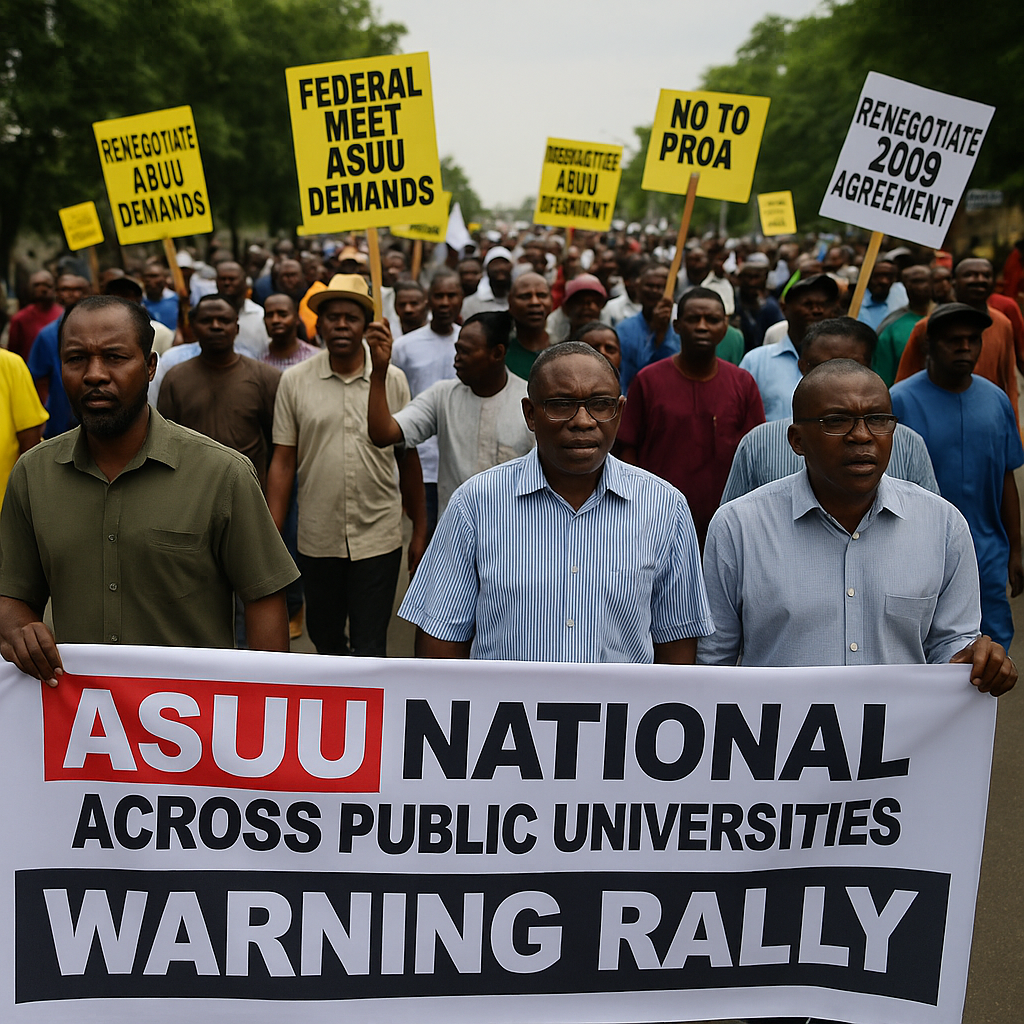
The Academic Staff Union of Universities (ASUU) has announced plans to hold nationwide rallies across public universities next week, warning that a full-blown strike may follow if the federal government fails to meet its long-standing demands. In a statement on Thursday, ASUU President Christopher Piwuna said the rallies would serve as a warning to the government, which has until 28 August to address the issues before the union decides its next line of action. The statement followed the union’s National Executive Council (NEC) meeting held at Usmanu Danfodiyo University, Sokoto, on 16–17 August. Union’s Grievances ASUU accused the government of failing to renegotiate the 2009 agreement signed with the union, despite repeated reminders and letters. “As always, it is the federal government that has pushed our union toward industrial action. It is becoming clear that ASUU may have no option but to strike to compel the government to act,” the statement read. The union said members should turn out in large numbers for the rallies, stressing that the demonstration is “the first shot” in what could be a series of actions if the government does not respond. Stalled Renegotiation The union also criticized the government for delaying the implementation of the draft renegotiated 2009 agreement, submitted in February by the Yayale Ahmed-led committee. According to ASUU, the government only convened a meeting on the matter on 11 August, after months of inaction. ASUU further accused the government of undermining the Collective Bargaining Agreement (CBA) principles embedded in the draft. Tinubu Administration and Outstanding Issues While President Bola Tinubu’s administration has so far avoided a nationwide ASUU strike since taking office, the union said the government is now repeating the failures of previous administrations by stalling renegotiations and ignoring other demands. Among the unresolved issues is the payment of three and a half months’ withheld salaries from 2022, when the government invoked a “No Work, No Pay” policy during ASUU’s eight-month strike. Although Tinubu approved payment of four months’ salaries in 2024, the union insists that members must be fully paid. Renegotiation of the 2009 agreement has been stalled since 2017, with successive draft agreements ignored by the former Muhammadu Buhari administration. ASUU warned that if urgent action is not taken, Nigerian public universities could again face widespread disruptions that would destabilize academic calendars and compound existing challenges in the education system.